REVIEW · HANOI
Hanoi- SaPa: 3-Day Homestay Trek to Explore Ethnic cultures
Book on GetYourGuide →Operated by Vietnam Nomadtrails · Bookable on GetYourGuide
Cold nights, warm meals, and village stories in Sapa. I love the chance to hike between ethnic minority communities like Lao Chai (Hmong) and Ta Van (Giay), and I also like that you sleep in two different homestays instead of one “tourist-style” night. The main drawback to plan for: the overnight bus and early-morning start can feel rough, especially when the weather rolls in.
This trek is built around real logistics: pickup from Hanoi Old Quarter around 20h45, an early arrival in Sapa at 4:00 AM, and then a breakfast reset before you start walking. You’ll be with an English-speaking guide in a small group (up to 14), and you’re not stuck staring at a screen all day—there’s plenty of time for questions and hands-on village moments.
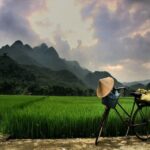
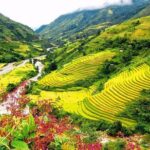
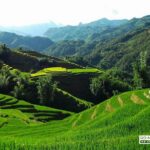
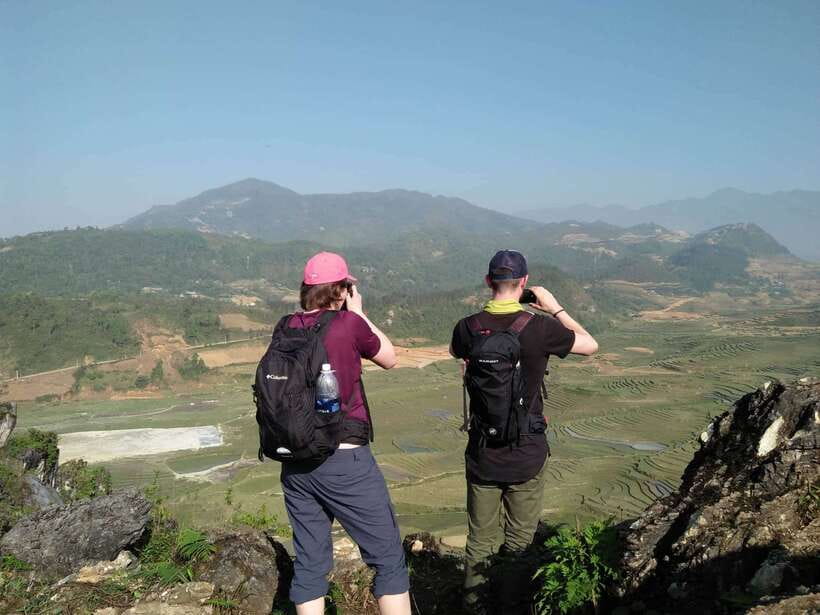
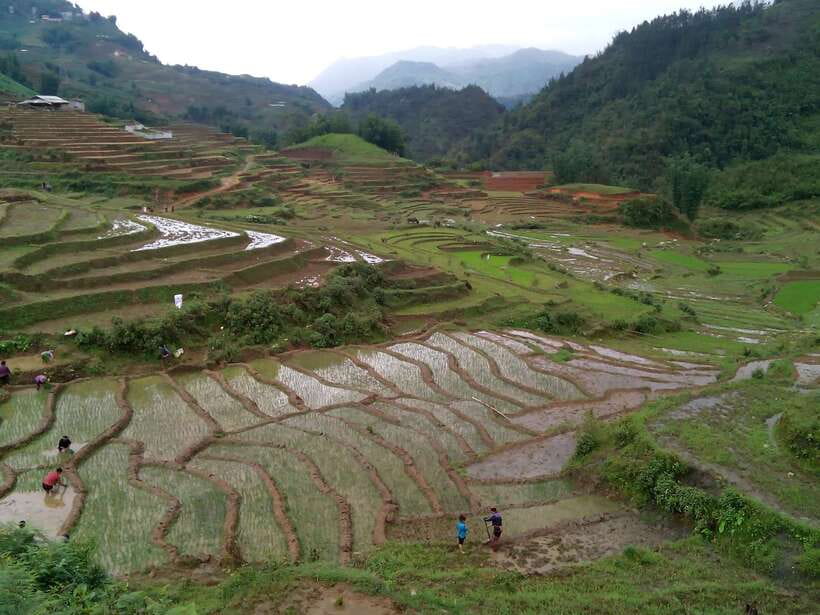
And yes, there are photo stops. Expect rice-terrace views when the skies cooperate, plus signature walking moments like the bamboo-forest trail and a rattan bridge. One more thing I really like is the payoff on Day 3: sunrise in Ban Ho valley before you head back.
In This Review
- Key Points You Should Know Before You Go
- Hanoi Old Quarter Pickup to Sapa’s 4:00 AM Wake-Up
- Day 1: Lao Chai Hmong Homes, Y Linh Ho Village, and the Ta Van Giay Night
- Day 2: Bamboo Forest Trails, Red Dzao Rattan Bridge, and Ban Ho Relax Time
- Day 3: Sunrise in Ban Ho Valley, Nam Tong Red Dzao Traditions, and the Hanoi Return
- Homestays in Ta Van and Ban Ho: What Comfort Looks Like Here
- Food and Pace: How the Included Meals Actually Work
- Price and Value: What $139 Covers (and What to Budget for)
- Guides Matter: English Support and Flexible Day Planning
- Packing for Sapa’s Cold Mornings and Trail Work
- Who Should Book This Trek (and Who Should Skip It)
- Should You Book Vietnam Nomadtrails’ 3-Day Sapa Homestay Trek?
- FAQ
- What time do I get picked up in Hanoi?
- When will I arrive in Sapa?
- Where do I start if I’m not staying in Hanoi Old Quarter?
- What’s included in the tour price?
- Are homestays included for both nights?
- Is the guide English-speaking and is the group small?
- What should I bring for the trek?
- Is the tour suitable for children or limited mobility?
- Is there an extra charge during Lunar New Year?
Key Points You Should Know Before You Go
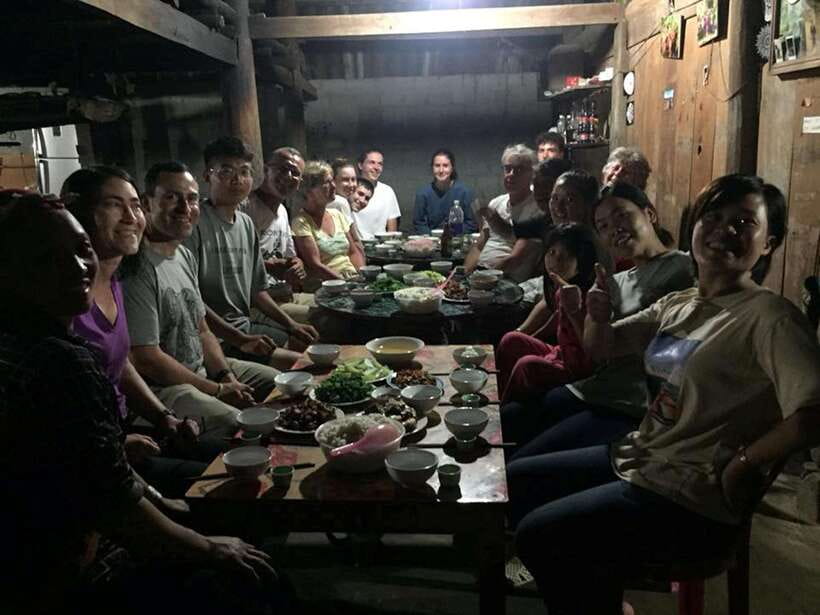
- Two homestays (Ta Van and Ban Ho) give you a broader feel for village life in Sapa’s ethnic communities.
- Three ethnic-group stopovers: Hmong in Lao Chai, Giay in Ta Van, and Red Dzao around bamboo trails and rattan-bridge areas.
- A full food plan is included with 3 breakfasts, 3 lunches, and 2 dinners, plus mineral water.
- Weather can change your day one feel, so pack for cold and wet conditions in cooler months.
- Small-group pacing (max 14) keeps the trek more flexible, especially with an experienced English guide.
Hanoi Old Quarter Pickup to Sapa’s 4:00 AM Wake-Up
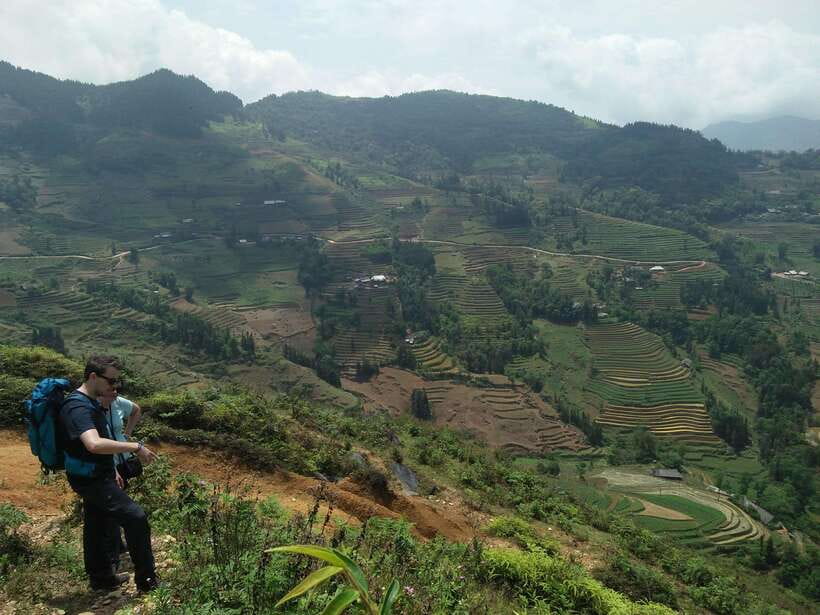
The tour starts in Hanoi Old Quarter at 30 Hàng Muối, Lý Thái Tổ, Hoàn Kiếm. Pickup is only available from the Old Quarter, and if you’re staying elsewhere you’ll need to get to the bus station on your own. Around 20h45, you board an overnight bus to Sapa and sleep until roughly 6:00 AM, when you’ll be woken up.
By 4:00 AM you arrive in Sapa, then you transfer to a boutique hotel for breakfast. This matters because it turns a chaotic “arrive and figure it out” morning into something you can actually handle. You won’t have to hunt for food at dawn, and you’ll get a chance to change and reset before trekking begins.
One practical note: the overnight bus ride is part of the experience, not a luxury add-on. Some people find the bus uncomfortable, so if you’re sensitive to cramped seating, bring a neck pillow or at least a hoodie you can pull up fast.
You can also read our reviews of more tours and experiences in Hanoi.
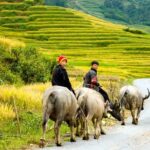
Day 1: Lao Chai Hmong Homes, Y Linh Ho Village, and the Ta Van Giay Night
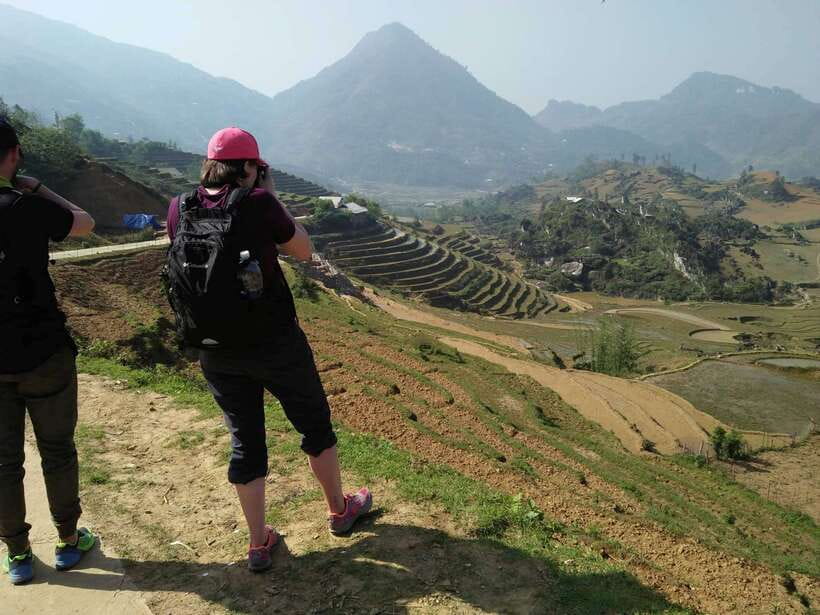
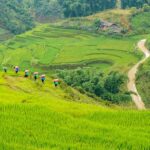
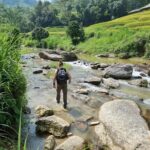
Day 1 starts with breakfast at the hotel, then you’ll meet your group and guide and start trekking at 9:00 AM. You’ll head from the Lao Cai area through Y Linh Ho village, an opening stretch that helps you get used to the rhythm of walking on mountain paths. This is also where the cultural context starts to land—your guide will point out how daily life is shaped by the terrain.
You’ll trek into Lao Chai, home to the Hmong ethnic minority. The lunch here is a standout because you’re eating in the home of a local family, not just grabbing a quick meal and rushing out. For many people, that’s where the day stops feeling like a sightseeing checklist and starts feeling like you’ve joined normal village time for a few hours.
After lunch, you continue trekking to Ta Van village, where the Giay people live. You’ll spend the night in a homestay in Ta Van, and that overnight is the whole point of this trip. It’s the moment you get to see how people organize their day when tourists aren’t constantly moving through.
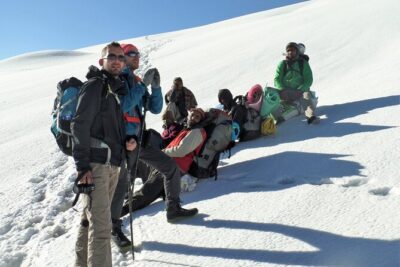
Weather can hit hard on Day 1. If you’re traveling in cooler months, plan for cold and wet conditions, and accept that visibility may be limited early on. The good news: even in grey weather, you’ll still be surrounded by real community life, and your guide can often adjust the route when needed.
Day 2: Bamboo Forest Trails, Red Dzao Rattan Bridge, and Ban Ho Relax Time
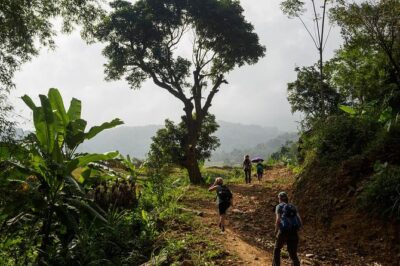
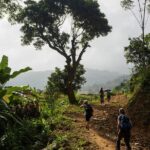
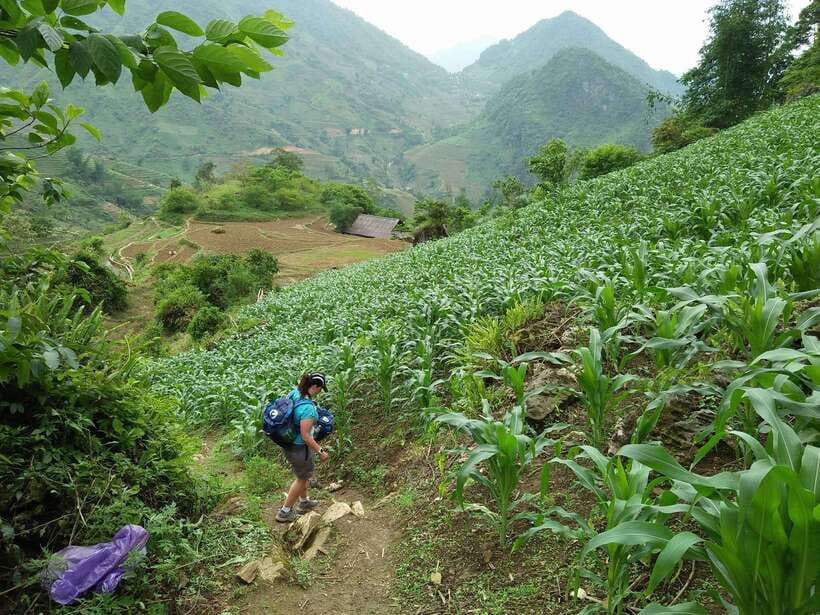
After a local breakfast, you leave Ta Van and trek through a bamboo forest toward Giang Ta Chai village, where the Red Dzao ethnic minority group lives. This is the day where the walking becomes more atmospheric. Bamboo trails tend to slow you down in a good way—less “tour photo” and more “follow the trail and notice the sounds.”
You’ll visit a rattan bridge and a Red Dzao family home. These stops matter because they explain how people move through the landscape and how everyday tools connect to community life. It’s not just about seeing something; it’s about learning what it means and how it’s used.
Lunch is on the trail—on a footpath—so expect a simple, practical meal rather than a restaurant stop. This is also when you’ll appreciate having good shoes and breathable layers. Then you’ll trek onward to Ban Ho, where you get free time to relax and stroll.
Dinner and your second homestay night are in Ban Ho. One reason this part ranks so high for many people is that you get a slower pace after the heavier walking of the day. You’re not racing to another landmark. You’re settling in and letting the village rhythm catch up to you.
Day 3: Sunrise in Ban Ho Valley, Nam Tong Red Dzao Traditions, and the Hanoi Return
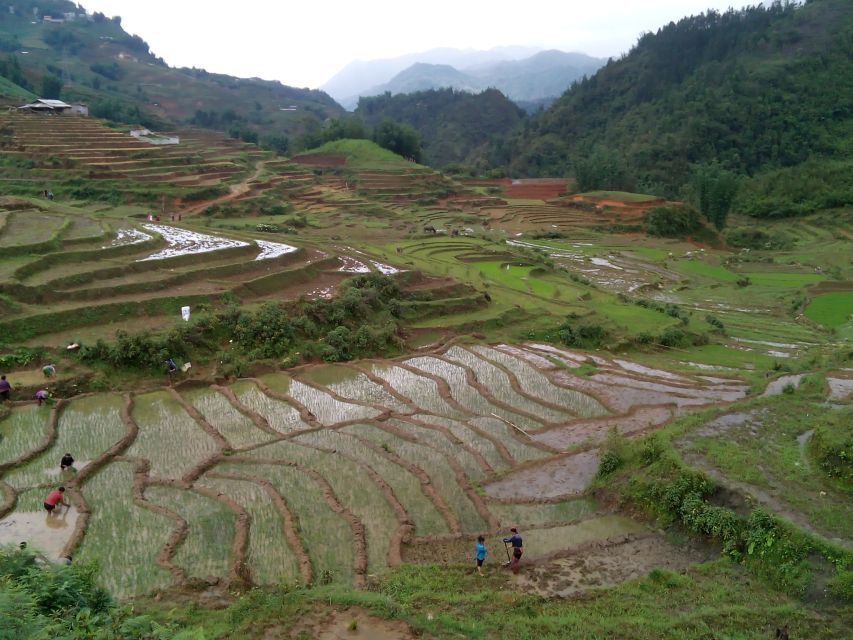
Day 3 starts early with a sunrise in Ban Ho valley. This is a genuine payoff moment—early starts are no one’s favorite, but sunrise here is built into the schedule, not tacked on as a maybe. If you can handle mornings, this is when the whole trip starts to feel worth it.
After breakfast, you take a short trek to Nam Tong village, inhabited by the Red Dzao tribe. This stop focuses on culture and traditions, giving you a second look at the Red Dzao community beyond the Day 2 bridge-and-home visit.
Then you return to Ban Ho, and a van picks you up for the journey back to Sapa. You’ll have time to relax at your hotel before the bus back to Hanoi, which departs at 4:00 PM. You arrive back in Hanoi at about 10:00 PM, and the tour ends back where you started.
So yes: it’s an efficient wrap. If you’re the type who likes to end trips feeling exhausted but happy, this schedule fits.
Homestays in Ta Van and Ban Ho: What Comfort Looks Like Here
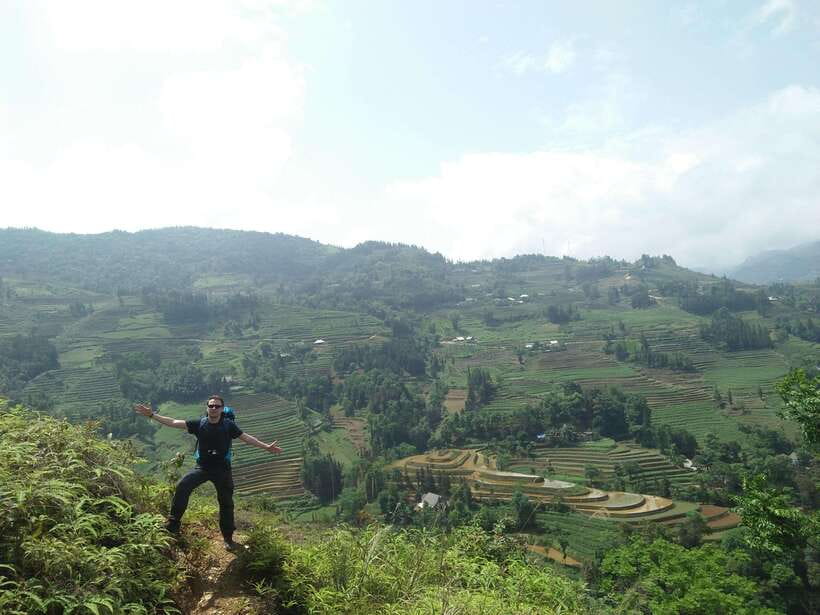
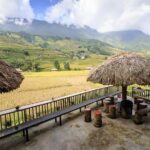
You get 2 nights in homestays, one in Ta Van and one in Ban Ho. These nights are where the tour stops being “a trek” and becomes a human exchange. Hosts are typically welcoming, even when English is limited, and food is usually plentiful.
In the homestay setting, you should expect simpler comforts than a city hotel. Some guests report good cleanliness and friendly hospitality, while others note practical issues like limited or non-private bathroom setups at arrival. The best way to protect your mood is to pack like you’re staying in a village home: plan for basic facilities and focus on the people, not the plumbing.
Food is included at key points (breakfasts, lunches, and dinners), and mineral water is part of the included set. Extra beverages are not included, and you may have chances to buy drinks along the way. If water is a big deal for you, it’s smart to budget for buying more than the included mineral water.


Food and Pace: How the Included Meals Actually Work
The tour includes:
- 3 breakfasts
- 3 lunches
- 2 dinners
- Mineral water
That’s a strong value piece because you don’t need to plan meals during long walking blocks. Day 1 lunch happens in a Lao Chai family home, Day 2 lunch is on the footpath, and Day 2 dinner plus Day 3’s meals are handled through the homestay and hotel flow.
The portions are often described as generous, and the overall rhythm feels built for trekkers who don’t want to skip meals. Still, beverages beyond mineral water aren’t included. If you’re used to buying juice, soda, or more water on the fly, keep cash ready.
Also remember: this is a trek. “Light” snacks from the outside world can help a lot when you’re hungry between lunch and dinner.
Price and Value: What $139 Covers (and What to Budget for)
At $139 per person, this trip is priced as a logistics + culture package, not just a guide service. Your money covers the roundtrip bus from Hanoi to Sapa, the guide, and two homestay nights, plus the full meal plan (3 breakfasts, 3 lunches, 2 dinners) and mineral water.
What’s not included:
- beverages (beyond mineral water)
- travel insurance
- VAT
- personal expenses
On top of that, there’s a $75 per person Lunar New Year surcharge for dates listed around the holiday period. If your trip lands during that time, plan for the extra cost at the meeting point.
For value, the big question is simple: do you want the overnight transport and homestay experience bundled with meals and a guide? If yes, $139 looks fair. If you only want views and easy walking, you might feel the “homestay + bus + trek” intensity isn’t your best match.
Guides Matter: English Support and Flexible Day Planning
This tour runs with an English-speaking guide and a small group size (max 14). In real-life terms, that combination helps because you can ask questions without feeling like you’re hunting down language support.
Some guides described in feedback include Su and Sang, and they’re praised for being attentive and adapting when conditions or your needs change. That flexibility can be important if you end up with a cold, wet Day 1 or if communication is tricky.
You’ll also benefit from a guide who explains what you’re seeing as you go—why a village location makes sense, how daily routines work, and how cultural identity shows up in everyday choices.
Packing for Sapa’s Cold Mornings and Trail Work
Bring trekking-ready basics:
- comfortable shoes
- sunglasses
- sun hat
- sunscreen
- insect repellent
If you’re traveling from October to March, warm clothes are recommended for Sapa. Even if the forecast looks mild, mountain weather can shift fast.
Practical add-ons I’d strongly consider:
- a rain layer (because Day 1 can be wet)
- a small daypack for water and a light snack
- a hat/hood you can wear during misty moments
- quick-dry layers for warmth on the bus and during early sunrise
Who Should Book This Trek (and Who Should Skip It)
This experience fits best if you:
- like walking in real terrain (not just a flat city stroll)
- care about ethnic cultures and want village time, not only photo stops
- can handle an overnight bus and early wake-ups
You should skip it if you:
- have limited mobility, need wheelchair access, or expect fully easy walking routes
- are traveling with children under 6
- are pregnant (the tour is not suitable)
If you want quiet, hotel-level comfort every night, this isn’t built for that. If you want a human-scale trek with two real homestay nights, it’s a good match.
Should You Book Vietnam Nomadtrails’ 3-Day Sapa Homestay Trek?
I’d book it if you want your Sapa story to include more than viewpoints. The best parts of the trip are the village lunches, the rattan bridge and bamboo-forest day, and the two homestay nights that give you a real sense of daily life in Ta Van and Ban Ho.
I wouldn’t book it if you’re mainly chasing comfort and late mornings. The overnight bus, early starts, and cold wet possibilities on Day 1 are real. You’ll enjoy it more if you treat those as part of the bargain for authentic access.
If you decide to go, aim to pack smart for cold and wet trail conditions, bring extra cash for drinks beyond mineral water, and mentally shift your focus from perfect weather photos to good conversations and steady walking.
FAQ
What time do I get picked up in Hanoi?
Pickup is available from the Hanoi Old Quarter at around 20h45, with the meeting point at 30 Hàng Muối, Lý Thái Tổ, Hoàn Kiếm, Hà Nội.
When will I arrive in Sapa?
The tour arrives in Sapa at about 4:00 AM the following day, after the overnight bus ride.
Where do I start if I’m not staying in Hanoi Old Quarter?
Pickup is only available from Hanoi Old Quarter. If you’re staying elsewhere, you must go to the bus station on your own.
What’s included in the tour price?
The tour includes roundtrip bus transport between Hanoi and Sa Pa, an English guide, 2 nights accommodation in homestays, 3 breakfasts, 3 lunches, 2 dinners, and mineral water.
Are homestays included for both nights?
Yes. You’ll spend two nights in homestays: one in Ta Van and one in Ban Ho.
Is the guide English-speaking and is the group small?
Yes. The tour includes a live English guide, and it runs as a small group limited to 14 participants.
What should I bring for the trek?
Bring comfortable shoes, sunglasses, a sun hat, sunscreen, and insect repellent. Warm clothes are recommended for Sa Pa from October to March.
Is the tour suitable for children or limited mobility?
No. The tour is not suitable for children under 6, people with limited mobility, wheelchair users, or pregnant women.
Is there an extra charge during Lunar New Year?
Yes. There is a surcharge of $75 per person during Lunar New Year dates listed as 26th Jan to 2nd Feb 2025, paid at the meeting point.