REVIEW · HANOI
Hanoi – Sapa 2 Days 1 Night Overnight At Local Homestay
Book on Viator →Operated by Travel New Land · Bookable on Viator
A cold start in Hanoi turns into warm mountain air fast. This Hanoi to Sapa trip pairs big-views trekking with a Ta Van homestay night, plus a straightforward, mostly worry-free schedule. I love that it’s set up as a fully inclusive package, so you’re not constantly doing math in your head. I also love the pacing: the walks are active, but they’re not a grind, and you still get time to take it in. One thing to consider is logistics: you won’t necessarily get picked up by the big bus at your exact hotel door, because a small transfer handles the first leg.
You’ll also appreciate the homestay side of the day—think dinner made by your hosts, a cooking class, and a sunset view over the terraced fields from where you’re staying. The homestay is described as a traditional H’Mong stilt house but with modern comforts, which helps if you want the cultural feel without feeling totally unprepared. The main drawback is communication and room expectations: the homestay room setup may not match a specific bedding request, so check on bed configuration before you go.
In This Review
- Key Highlights You Should Know
- Hanoi Old Quarter to Sapa: The Real-World Logistics
- Why the Itinerary Feels Authentic (Not Just a Checklist)
- Day 1: Y Linh Ho to Lao Chai Terraces, Then Ta Van Village
- Y Linh Ho Village (early afternoon)
- Lao Chai Village (late afternoon terraces)
- Ta Van Village (late afternoon into your homestay)
- What makes the Day 1 timing workable
- Evening in Ta Van: Cooking Class, Dinner, and Sunset Views
- Day 2: Breakfast, Trekking to Giang Ta Chai and Supan, and Back to Sapa
- Morning trek: Giang Ta Chai (plus Supan later)
- Lunch in Supan
- Return to Sapa town and free time
- Getting the Most From the Trek Without Making It Harder
- Price and Value: What $95 Actually Buys
- Comfort Level: Homestay vs. Expectation Games
- Who This Hanoi–Sapa Homestay Trek Is Best For
- Book It or Skip It?
- FAQ
- What’s included in the $95 price?
- Where do we stay overnight?
- Do they pick you up in Hanoi?
- Which villages are included in the trekking?
- Are meals included, and do I need money for drinks?
- Is there an English guide and how big is the group?
- Is free cancellation available?
Key Highlights You Should Know
- Ta Van overnight in a traditional H’Mong stilt house with modern comforts
- All meals included: breakfast, dinner, and lunch twice (drinks not included)
- Village trek route through Y Linh Ho, Lao Chai, Ta Van, then Giang Ta Chai and Supan
- Cooking class with your hosts, not a random add-on
- VIP cabin bus both ways, plus a small transfer from the Old Quarter before the big bus
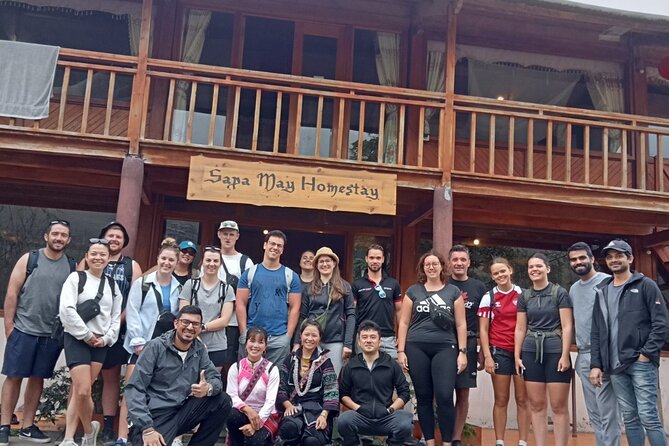
- Small group size (max 10) with a local English guide in Sapa
Hanoi Old Quarter to Sapa: The Real-World Logistics
This tour is built around one simple idea: get you out of Hanoi early, then keep the rest of the trip handled. The start is from Hanoi Old Quarter, with a meeting point at the Open Tour office area (Ly Thai To, Hoan Kiem). Pickup is offered, but it doesn’t work like a single vehicle that rolls right up to every hotel.
Here’s the pattern: you’re collected by a small transfer car first, then it goes to a bigger bus for the main ride toward Sapa via the Noi Bai–Lao Cai route. There’s also a scheduled rest stop of about 20 minutes on the way.
Why this matters: if you’re picturing a direct door-to-door pickup from your exact hotel, plan for a short walk to the transfer and a vehicle switch. A previous issue on this kind of trip is usually not the scenery—it’s the handoff timing and how smooth the transport company is. So I suggest you arrive a bit early at the meeting point and keep your phone ready for any last-minute updates.
Once you reach Sapa, you transfer again to your hotel in town (Sapa Retreat Condotel) for lunch, and you can store big luggage at the hotel lounge before trekking.
You can also read our reviews of more tours and experiences in Hanoi.

Why the Itinerary Feels Authentic (Not Just a Checklist)
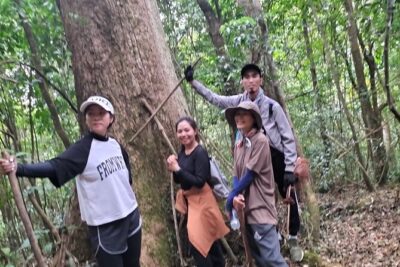
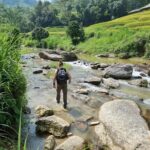
The route is designed around small village paths and valley views, not just one big viewpoint and done. The tour description points to lesser-used trails through areas like bamboo groves, with small waterfalls along the way, and into remote villages. That’s the kind of plan that usually gives you that calm, lived-in feeling instead of a nonstop photo scramble.
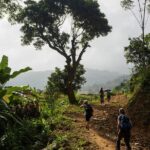
You’re also not doing this alone. In Sapa, you have a local English tour guide, and the trip includes an on-site ethnic guide who knows local culture and customs. Even when you’re not stopping at every single moment, that kind of guidance changes what you notice—farm patterns, house styles, and how daily life fits the mountains.
And you get time at multiple villages across two days. That matters because Sapa can feel touristy in town. This tour pushes you into places where daily rhythms are tied to the terrain.
Day 1: Y Linh Ho to Lao Chai Terraces, Then Ta Van Village
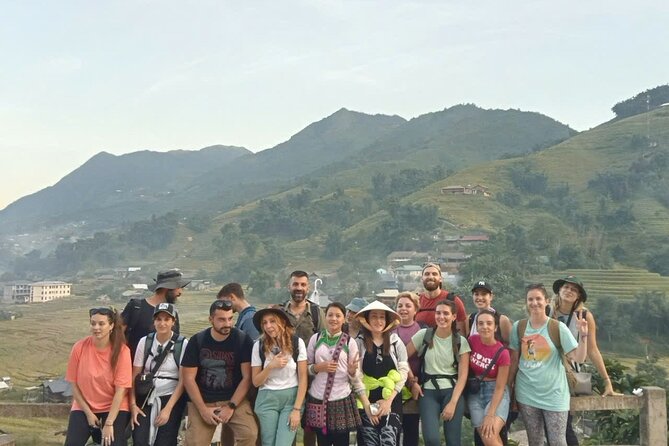
Day 1 is where the mountain scenery ramps up fast. After the long ride, you arrive in Sapa around the early afternoon, have lunch, store your luggage, and then start trekking.
Y Linh Ho Village (early afternoon)
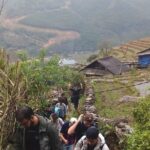
You head toward Y Linh Ho Village after lunch. The walk time listed here is about 2 hours, and the village sits along the Muong Hoa valley, protected by the Hoang Lien Son mountain range.
What I like about starting here: it sets your baseline. You see how villages sit against the mountain and how the paths connect small communities to the valley. It’s not only about a single viewpoint. It’s about moving through the way people actually travel.
Lao Chai Village (late afternoon terraces)
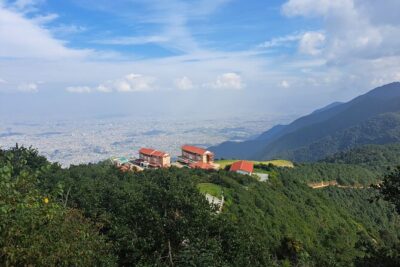
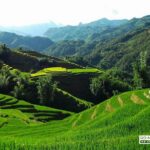
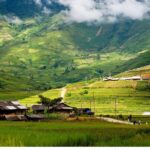
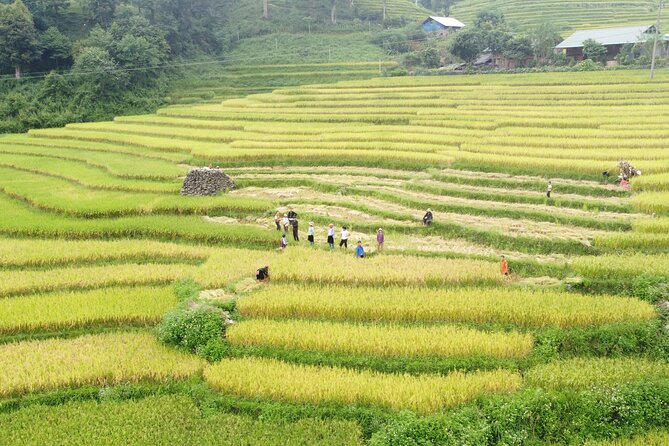
Next comes Lao Chai Village, home to the Black H’Mong minority group (per the tour notes). The terraced fields around the village are part of the payoff: this is where you get that classic Sapa feel, with tiered farmland stretching toward the mountain ridgeline.
If you care about photos, this is one of your best windows because you’re walking into a view, not just arriving at a spot. If you’re more into atmosphere, it’s also a great place to slow down and watch how the valley is used.



Ta Van Village (late afternoon into your homestay)
Then you continue to Ta Van Village. This is where your overnight plans come together. Ta Van is inhabited by Mong, Red Dao, and Giay people, and it’s described as sitting with its back against the Hoang Lien Son range and facing the Muong Hoa stream.
This stop matters because it’s not just another village you pass through. It’s where you shift from daytime trekking mode into host mode: dinner, cooking, and sleeping in a traditional H’Mong stilt house.
What makes the Day 1 timing workable
The order—lunch in Sapa town, then trekking in the afternoon—keeps the day from feeling like an immediate uphill sprint. You’re still active, but the schedule gives you time to reset after the bus ride.
Evening in Ta Van: Cooking Class, Dinner, and Sunset Views
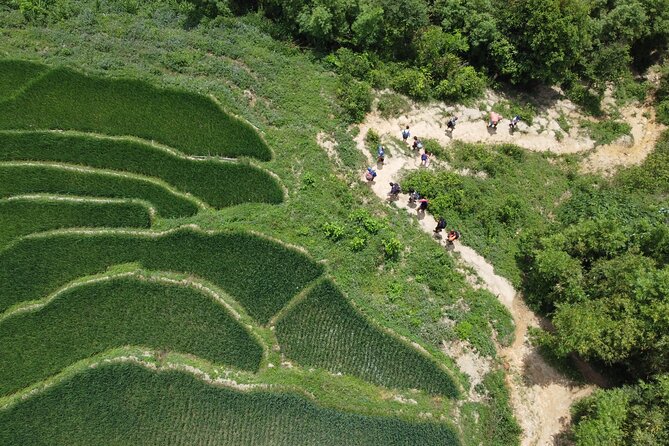
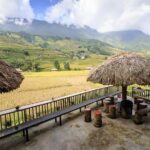
The homestay portion is where this trip earns its keep. You’re told you’ll watch the sun set over the terraced fields from the homestay area, then enjoy a traditional dinner prepared by your hosts, plus a cooking class.
This combo is useful for two reasons:
- You get a reason to talk to your hosts, not just arrive, eat, and leave. Cooking classes force a shared pace and shared tasks.
- Dinner feels like part of the village night, not a restaurant experience imported into the mountains.
Also, the homestay is described as a traditional H’Mong stilt house with modern comforts. That’s a big deal for comfort level. It means you can expect the cultural setting without necessarily sacrificing your basic needs.
Bring an attitude that matches the setting: you’re in a village environment. Even with modern comforts, it’s not the same as a hotel room with everything dialed in.
Day 2: Breakfast, Trekking to Giang Ta Chai and Supan, and Back to Sapa
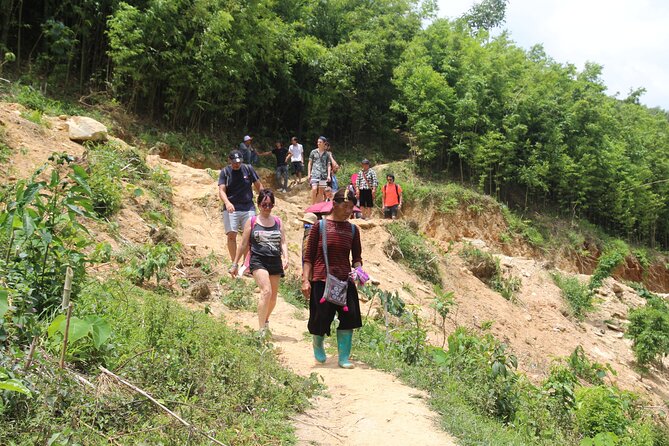
Day 2 begins with breakfast at the homestay, then a check-out process.
Morning trek: Giang Ta Chai (plus Supan later)
You start trekking around 9:30. The itinerary focuses on Giang Ta Chai Village and Supan Village as the two morning places you’ll visit. The morning trekking block is listed as about 2 hours, so you should expect another active walk, but still within a pace that’s meant to be manageable.
The tour timing suggests a balanced approach: a trek that gives you the village life without turning the day into a long march.
Lunch in Supan
By around 12:00, you arrive in Supan Village and eat lunch at a local restaurant. This is one of the most practical parts of the day because it breaks the walking and gives you a clear midpoint.
Return to Sapa town and free time
At 1:30, the bus takes you back to Sapa town, and you arrive around 2:00. From there you have about an hour and a half of free time.
You can visit the stone church and the Sapa market during that window. This is your chance to swap from village trekking back to town sights without needing to plan transit yourself.
Then you’re back at your hotel around 3:30 to prep luggage, and at 4:00 you hop on a sleeper bus back to Hanoi.
Getting the Most From the Trek Without Making It Harder
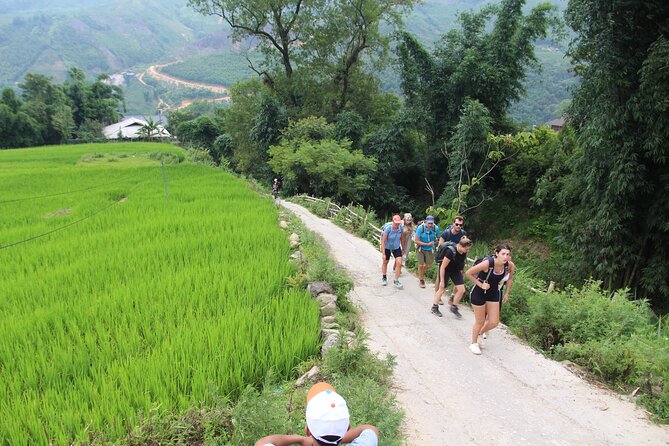
The route includes multiple village segments across two days, with listed walking time blocks around 2 hours each on the main trekking days/segments. Reviews also point to trekking that isn’t overly challenging and follows a relaxed pace.
Here’s what that means in practice for you:
- Wear shoes that handle uneven paths and mud. In rainy or misty conditions (which happen often in northern Vietnam), footing can get slippery.
- Bring a light layer. Mountain weather can change quickly.
- Don’t overpack your day bag. You’ll want essentials and water, not a full day of stuff.
Even with a relaxed pace, you’re still moving through terrain that’s different from city sidewalks. If you’re coming from heat and traffic in Hanoi, give yourself a slow start mindset.
Price and Value: What $95 Actually Buys
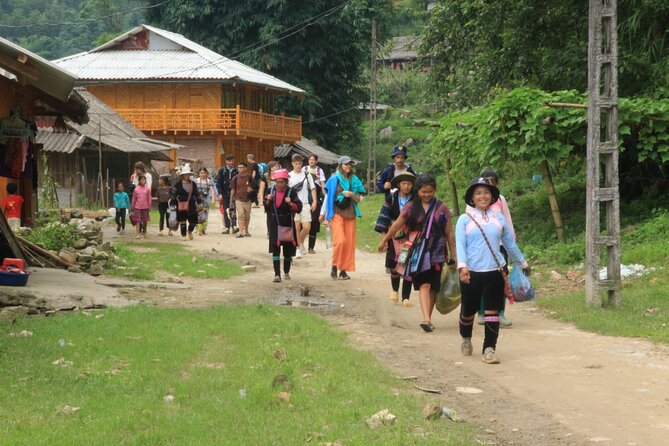
At $95 per person, this is a budget-to-midrange kind of package. The big question isn’t only the price tag. It’s what you’re getting without extra costs.
From the tour data, your included items cover the stuff that usually adds up:
- Two-way VIP cabin bus between Hanoi and Sapa
- Meals: breakfast, dinner, and lunch twice
- Homestay private room in Ta Van village for one night
- Entrance ticket(s)
- Local English tour guide in Sapa
- Cooking class
- Transportation in the Sapa/Hanoi area via transfer cars (at least for the handoff from Old Quarter to the big bus, and from Sapa arrival into town)
Not included: drinks in meals. That’s normal, and it’s easy to plan for with a small cash or card buffer.
The value here is that you don’t have to coordinate bus schedules, book meals, or piece together an overnight homestay. You’re paying for the whole spine of the experience: transport + guide + meals + one-night lodging.
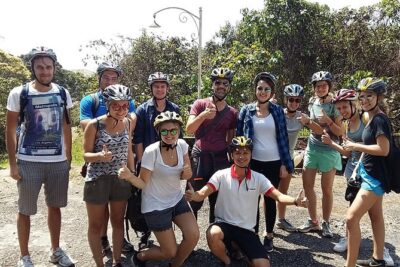
Also, the group limit—max 10 travelers—tends to help with guide attention and pace. If you prefer quieter travel and faster questions answered on the trail, that small size is a plus.
Comfort Level: Homestay vs. Expectation Games
The homestay is described as a traditional H’Mong stilt house with modern comforts. That’s a helpful promise, but the practical detail is room setup.
A published concern involved room configuration not matching a specific bedding wish, and the provider response explained that the room setup was checked with the guest and that the homestay arrangements were based on the tour’s standard setup (like using one room with two beds in that case). They also clarified that pickup is split between small transfer and big bus due to vehicle size, and that at the end the bus drops at the stop, not directly at each hotel.
So how do you protect yourself as a traveler?
- When you book, ask how the sleeping arrangements are handled for your party size (especially if you’re traveling as a family or want a certain bedding setup).
- Be flexible on the exact room details. The cultural setting is the point, and the tour is organized around that.
Who This Hanoi–Sapa Homestay Trek Is Best For
This fits best if you want:
- Village treks with guidance, not DIY navigating
- A real overnight in Ta Van rather than a quick day trip
- All meals included so you can focus on the day
- A schedule that moves, but doesn’t feel like a marathon
You might look elsewhere if you strongly need hotel-style predictability—especially if you require a very specific room layout or you need exact door-to-door pickup in Hanoi.
Book It or Skip It?
I’d book this tour if your priority is a structured Hanoi to Sapa experience with Ta Van homestay life, village walking, and included meals—without the constant logistics. The rating strength and the “well organized” theme make sense here: the trip is built as a tight package with a clear timeline.
I’d hesitate if you’re the type who gets stressed by vehicle handoffs or room configuration details. The small transfer to the big bus and the homestay room setup are the two places where friction can happen.
If you’re easygoing, enjoy meeting people, and want the kind of Sapa trip that gets you beyond town, this is a solid value.
FAQ
What’s included in the $95 price?
The tour price includes breakfast and dinner, lunch twice, the 2-way VIP cabin bus between Hanoi and Sapa, a local English tour guide in Sapa, entrance tickets, a private room homestay in Ta Van village, and cooking classes. Drinks during meals are not included.
Where do we stay overnight?
You stay one night in a private room at a homestay in Ta Van village, in a traditional H’Mong stilt house described as having modern comforts.
Do they pick you up in Hanoi?
Pickup is offered. In Hanoi Old Quarter, you’re picked up by a small transfer car at your hotel area/meeting point, then you switch to a larger bus for the main ride to Sapa.
Which villages are included in the trekking?
Day 1 includes Y Linh Ho, Lao Chai, and Ta Van. Day 2 includes Giang Ta Chai village and Supan.
Are meals included, and do I need money for drinks?
Yes. Breakfast is included at the homestay, and lunch is included twice plus dinner once. Drinks in meals are not included.
Is there an English guide and how big is the group?
There is a local English tour guide in Sapa. The tour has a maximum group size of 10 travelers.
Is free cancellation available?
Yes. You can cancel for a full refund up to 24 hours in advance of the experience start time. If you cancel less than 24 hours before, the amount paid is not refunded.