REVIEW · SAPA
2 days authentic trekking tour in Sapa ( Homestay – Less touristy )
Book on Viator →Operated by Sapa Original Trek · Bookable on Viator
Two days, and the fog starts teaching. This less-touristy Sapa trek takes you off the main roads into dirt trails, pine forest, and rice terraces with local families in the highlands. You don’t just pass by villages; you walk through them and learn how daily life connects to the landscape.
What I really like is the homestay setup: a night in a traditional wooden house inside a community, with home-style meals and village workshops led with real care. Guides like Mai, plus an outstanding host like Tinh, make the experience feel more like being guided through someone’s world than ticking off stops.
One thing to consider up front: the walking is steep. Expect a challenging pace, especially when it’s hot, even if you can choose a medium or heavier walking level.
In This Review
- Key takeaways before you go
- Why this Sapa trek feels quieter than the usual routes
- Day 1: Ta Phin Village walk through pine, terraces, and cornfields
- Lunches, workshops, and how village meals change the pace
- Homestay in a traditional wooden house: what comfort looks like here
- Day 2: Ngũ Chỉ Sơn and the Suoi Thau path to mountain views
- Guides, communication, and choosing your trekking effort
- Price and included perks: what $89 buys you in real terms
- Weather, fog, and why your guide’s flexibility matters
- Who this 2-day trek suits best (and who should skip it)
- Should you book this Sapa Original Trek option?
- FAQ
- FAQ
- How long is the trekking tour?
- What does the tour cost?
- What time does the tour start?
- Is pickup included?
- What language is the guide?
- What are the main cultural stops?
- What’s included in the price?
- Is it a gentle walk?
- What is not included?
Key takeaways before you go
- Quiet, village-first trekking instead of a parade of photo stops
- Homestay in a traditional wooden house with meals included
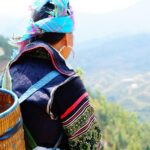
- English-guided cultural visits to Hmong and Dzao communities
- Steep walking over two days (plan for real effort, not casual strolling)
- Flexibility with fog and route conditions so the day doesn’t get wasted
Why this Sapa trek feels quieter than the usual routes
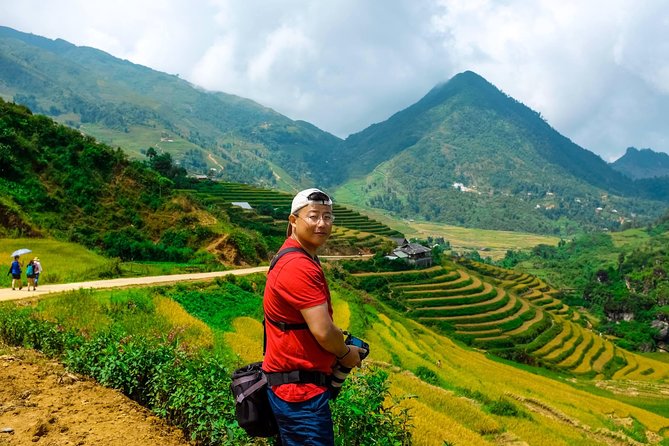
Sapa can turn into a blur of repeat sights if you stick to the easiest trails. This 2-day plan leans the other way. You spend real time with ethnic villages and you move at walking speed, not bus speed.
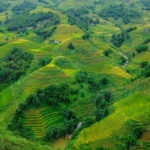
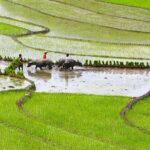
The tour focuses on terraced rice paddies, lush valleys, and misty forest views, but the payoff is what happens between the viewpoints. You’re not only there for views; you’re there to meet people, hear how their lives work, and see how farming shapes daily routines. That’s why this feels more authentic and less staged.
You’ll also notice the rhythm is built for small-group comfort. It’s a private tour, so only your group is with you, which matters when paths get narrow or the guide needs to slow down for translation and context.
You can also read our reviews of more tours and experiences in Sapa.
Day 1: Ta Phin Village walk through pine, terraces, and cornfields
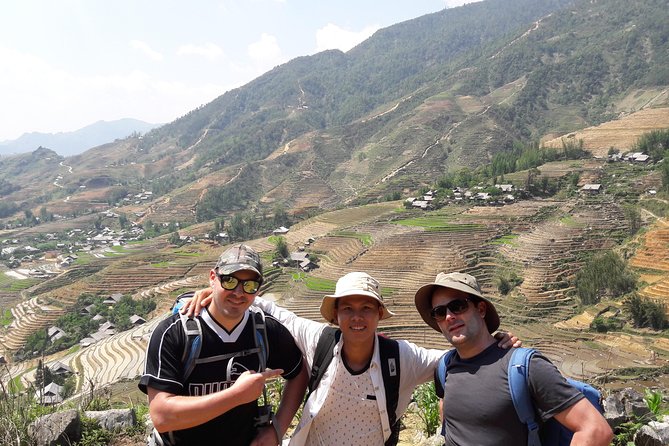
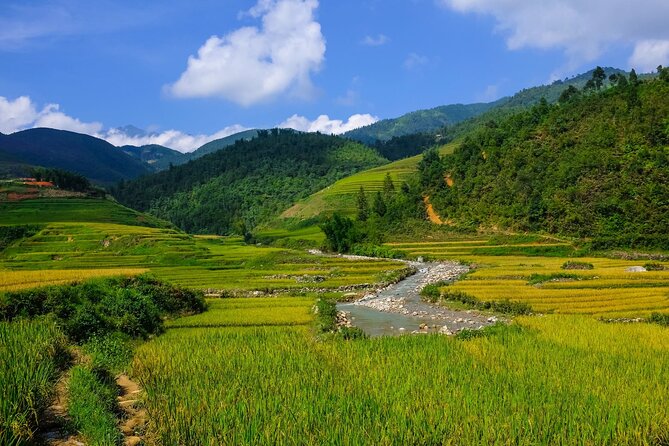
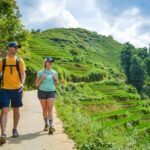
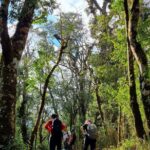
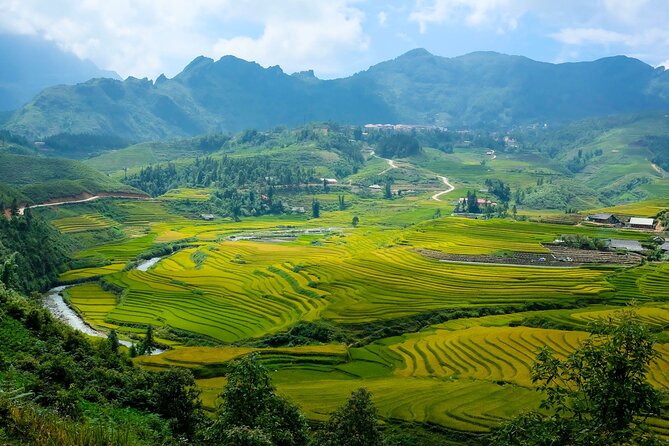
Day 1 starts with a trek downhill along a mountainous dirt trail through pine forest. This is one of those walks where the scenery changes often enough that you stay busy without feeling rushed.
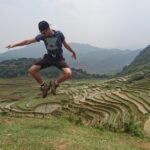
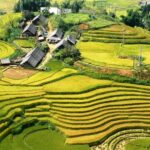
A big part of the magic is how the trail sets you up for wide views of rice terrace steps and cornfields. You get time to look, pause, and take it in before the pace continues. The route is described as steep in places, and at least one guide-led experience notes it’s not gentle walking—so this isn’t a “flat and easy” introduction to Sapa.
Another practical plus: you’re guided onto paths you likely won’t find on your own. That matters here because Sapa’s footpaths can be confusing, and a wrong turn can turn a good day into an awkward hike. With a good guide, you follow the working routes that make sense for locals, not just tourists.
By the end of the day, you’re set up for the homestay night in the community area. That’s the key transition: you walk through village life, then sleep inside it.
Lunches, workshops, and how village meals change the pace
This tour includes two lunches and a dinner, plus breakfast on Day 2. That matters more than people think. When meals are built into the schedule, you’re not hunting for food on your own while your energy is fading.
You’ll also encounter village workshops as part of the cultural program. In practice, this is where the tour stops feeling like sightseeing and starts feeling like learning how people make and use things in daily life. One standout detail from the guide-led approach is explanations of local craftsmanship and habits, with the guide shaping the timing so you can actually pay attention.
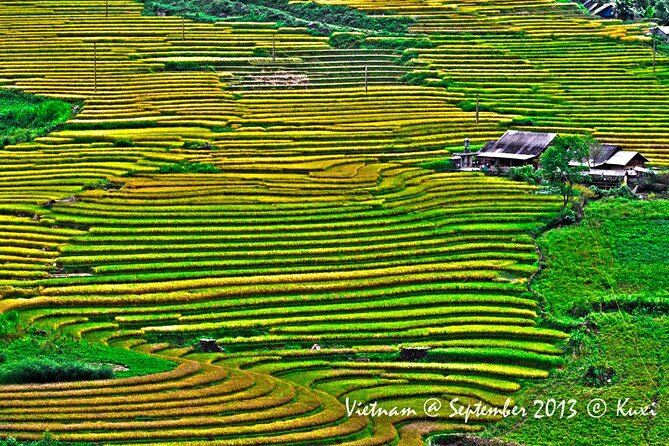
Even when the rice season is over (one experience notes October with harvested rice), you still get strong visuals and lots of context. Terraces don’t look the same year-round, but the farming logic—and the view lines from higher points—stay worth it.
Food is included, and water is planned too: you get 1.5 liters of water per day. It’s a small comfort, but on a steep trek, it reduces the chance that you’ll be stuck rationing.
Homestay in a traditional wooden house: what comfort looks like here
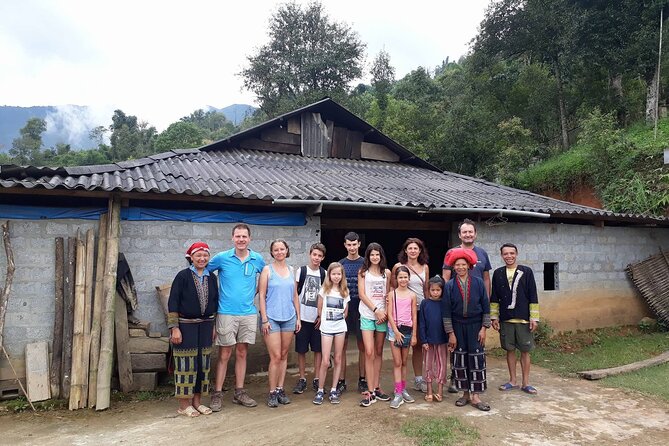
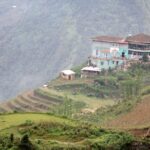
The overnight is in a traditional wooden house in a local community. If you’re expecting a hotel room, you’ll be disappointed. If you’re expecting something simpler and real, you’ll likely be happy.
From the experience notes, the homestay is described as rustic but comfortable, and it’s organized rather than chaotic. That matters because homestays can vary a lot, and you don’t want surprises when you’ve walked all day.
You can also treat the homestay as part of the cultural exchange, not just a place to sleep. The host attention—names mentioned like Tinh—is a big part of why people rate this so highly. In plain terms: the best homestays don’t just provide a bed; they help you settle in and understand what’s happening around you.
Since you’re in the community, you’ll also notice how the day feels slower. Night brings the chance to rest your body and your attention. That makes Day 2 easier to handle.
Day 2: Ngũ Chỉ Sơn and the Suoi Thau path to mountain views
Day 2 begins with breakfast at the homestay, then the trek heads toward Suoi Thau village. Along the way, you pass through several minority villages, so it’s not just a single scenic road.
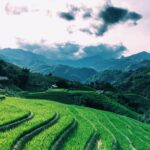
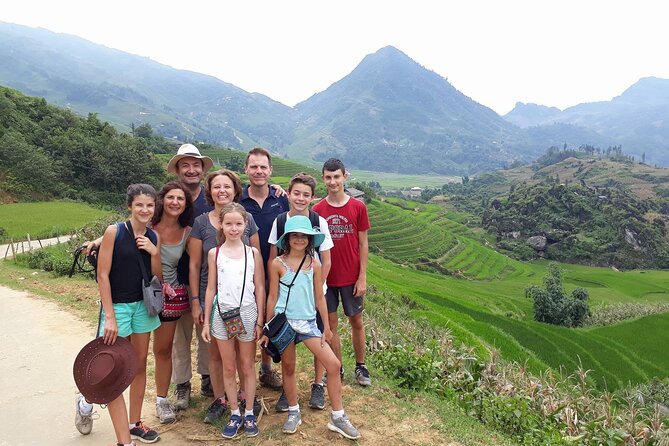
This day also includes a steady focus on rice paddies as you walk. The route is described as a walk through rice field areas to reach the top of a mountain viewpoint. That “walking up to a view” structure is one of the classic reasons people remember Sapa trekking—because you earn the sight rather than just snapping a picture from a roadside stop.
The duration listed for Day 2 is around 4 hours, but the overall experience notes put the total trekking time across both days at about 9 hours. So you should plan for a workout, not a stroll.
One practical detail: the tour can adapt when conditions are foggy. If weather is rough, the guide may pivot to keep your day moving and protect the quality of the route. That flexibility is worth paying for, because fog is common in Sapa and not every operator handles it well.
By the time you finish, the activity ends back at the meeting point, so you’re not stuck figuring out last-mile logistics after you’re tired.
Guides, communication, and choosing your trekking effort
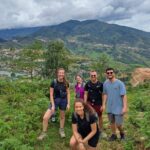
This is guided by an English-speaking guide. That’s important for more than language. A good guide can explain why certain paths exist, what village activities connect to farming, and how the different ethnic communities live in this highland setting.
Names that come up in the experience notes include Mai as a standout guide. Mai is described as taking people along paths you can’t find on your own, plus explaining local cultures in a way that makes the walk feel purposeful.
You’ll also hear that the walking intensity can be adjusted. One experience notes you can choose a level, such as medium or heavy. That’s a meaningful option because Sapa trekking tends to surprise first-timers: you might think you can do a moderate walk until the steep sections hit.
If you’re going with mixed fitness levels, pick the option that keeps everyone safe and comfortable. The tour is designed around trekking, but choosing your effort level can prevent the “too much too fast” problem.
Price and included perks: what $89 buys you in real terms
The price is $89 per person for roughly 2 days. What you get matters, because a trekking tour can look cheap until you add up what’s actually included.
Here’s what’s included in the tour package:
- Homestay night in a local community
- Meals: dinner, breakfast, and two lunches
- Transport and entrance fees
- English guide
- Water: 1.5 liters per day
- Village homestay and support throughout the trek
What’s not included:
- Tips
- Insurance and personal expenses
- Herbal bath and soft drink
So the value comes from bundling three things at once: local guiding + food + homestay. If you tried to DIY it, you’d spend plenty on transport and food coordination, and you’d still need a guide to reach the right village paths safely.
You’ll also see practical signals of a smoother operation: pickup is offered, group discounts can apply, and mobile tickets are supported. Even if you don’t use every perk, they reduce friction when you’re traveling in a region where timing and getting the right start matters.
One more small point: this is typically booked about 48 days in advance on average. That doesn’t mean you must book early, but it’s a good sign that the good slots go fast.
Weather, fog, and why your guide’s flexibility matters
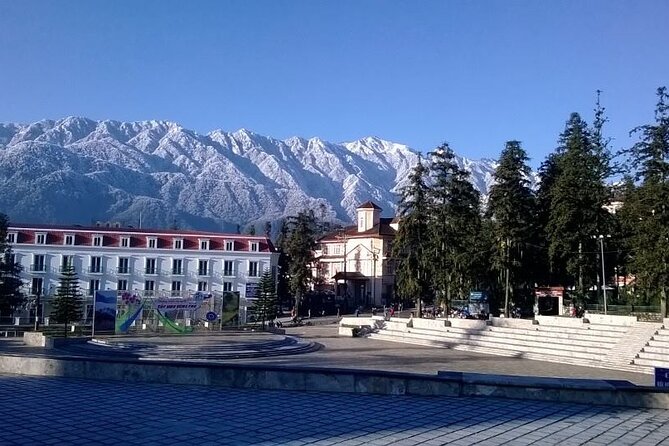
Sapa’s weather can change quickly. Fog can roll in and visibility drops fast. When that happens, you don’t want an itinerary that rigidly sticks to a plan that becomes impossible or unsafe.
In the experience notes, the tour handled fog by pivoting the route. That’s the right kind of response. It keeps the day from turning into frustration or wasted time, and it protects the core goal: good walking routes and meaningful village visits.
What you can do on your side is simple: plan for a trek that may feel colder or wetter than you expect, even when you’re excited about sunshine. Wear shoes that handle uneven ground, and bring layers you can adjust as the weather shifts.
Who this 2-day trek suits best (and who should skip it)
This tour fits you if:
- You want a real village homestay, not just a quick stop
- You like walking with context—cultures, farming, and daily village routines
- You’re okay with steep sections and total trekking time around 9 hours over two days
- You want English guidance so you can understand more than you’d guess
It may not fit you if:
- You want a gentle, flat walking experience
- You struggle with steep climbs, especially in hot weather
- You’re not comfortable with rustic accommodations, even when described as comfortable
For best results, aim for a mindset of steady effort. This isn’t about speed. It’s about being present on the path long enough to notice how the terraces, villages, and forest connect.
Should you book this Sapa Original Trek option?
I think this is a strong booking if you care about value and authenticity more than comfort-only travel. The combination of village homestay, guided cultural visits (Hmong and Dzao communities), and included meals makes it one of those “you’re paying for the experience you can’t easily replicate” deals.
Choose it if you want to walk rice terraces with a guide who knows the paths, sleep in a community house with a real host setup, and get explanations that help the whole area make sense. Guides like Mai—and hosts like Tinh—are clearly part of why the experience holds up so well.
If you’re determined to treat Sapa like a casual sightseeing stop, then the steep walking will likely be a mismatch. But if you’re up for a challenge and you want the highlands to feel lived-in, this is a smart way to do it.
FAQ
FAQ
How long is the trekking tour?
It runs for about 2 days.
What does the tour cost?
The price is $89 per person.
What time does the tour start?
It starts at 9:00 am.
Is pickup included?
Pickup is offered.
What language is the guide?
The guide is English-speaking.
What are the main cultural stops?
You visit Hmong and Dzao ethnic village areas, including Ta Phin Village on Day 1 and Ngũ Chỉ Sơn and the Suoi Thau village area on Day 2.
What’s included in the price?
The package includes homestay, meals (breakfast, lunches, dinner), water (1.5 liters per day), entrance fees, transport, and an English guide.
Is it a gentle walk?
No. The trekking includes steep sections, and you should expect challenging walking over the two days. You may be able to choose a medium or heavier walking level.
What is not included?
Tips, insurance, personal expenses, herbal bath, and soft drinks are not included.