REVIEW · SAPA
2D1N Buffalo trek by Hmong Sister House and Trekking
Book on Viator →Operated by Hmong Sister House and Trekking · Bookable on Viator
Buffalo trails in Sapa feel real fast. This 2D1N trek takes you on foot through Hmong villages and forest paths, then into a home tied to livestock, including the buffalo house. I especially like that you get an English-speaking local guide who shares everyday life, not a canned script, and you spend real time with a family at Zizi’s homestay.
One thing to keep in mind: this isn’t a couch stroll. You’ll need moderate physical fitness, and the trek depends on good weather, since poor conditions can cancel or change dates.
In This Review
- Key highlights you’ll care about
- Why this buffalo trek fits Sapa so well
- First pickup and the Zizi homestay reset
- Day 1: From Hau Thao village through everyday mountain life
- Overnight at a Hmong family home and the buffalo house experience
- Day 2: Sunrise rice fields, Red Dao village, and walking to the waterfall
- Guide quality: English help plus personal storytelling from Li
- Price and logistics: what $110 per person really covers
- What to pack and how to plan for Sapa weather
- Who should book this trek (and who might skip it)
- Should you book Hmong Sister House and Trekking?
- FAQ
- How long is the buffalo trek?
- How much does the tour cost?
- Where is the meeting point for the trek?
- What time is pickup scheduled?
- Is this a private tour or shared group?
- Is the guide English speaking?
- What fitness level do I need?
- Is there a buffalo house or livestock-related stay?
- What if the weather is bad?
- Are service animals allowed?
Key highlights you’ll care about
- A family-run homestay at Zizi’s house with time to settle in and refresh
- Day 1 around Hau Thao village with views of how people and animals share the same hillside life
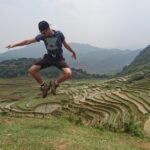
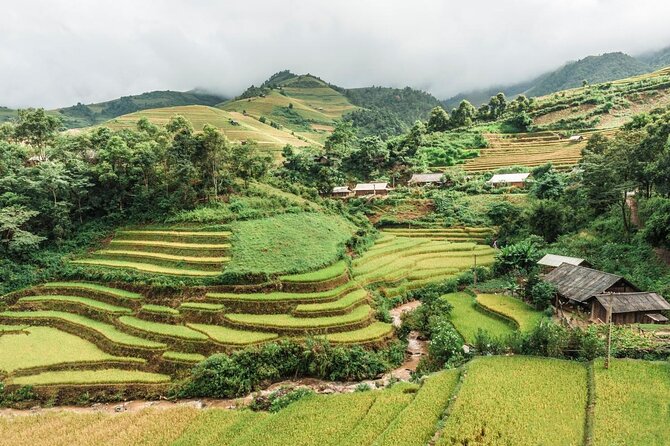
- Trekking through rice terraces and forest on paths meant for locals, not buses
- Overnight close to the livestock life, including a buffalo house experience at the family home
- Day 2 sunrise start with breakfast, early-morning rice fields work, and more village walking
- A strong value bundle at $110 per person, including pickup and meals during the trek
Why this buffalo trek fits Sapa so well
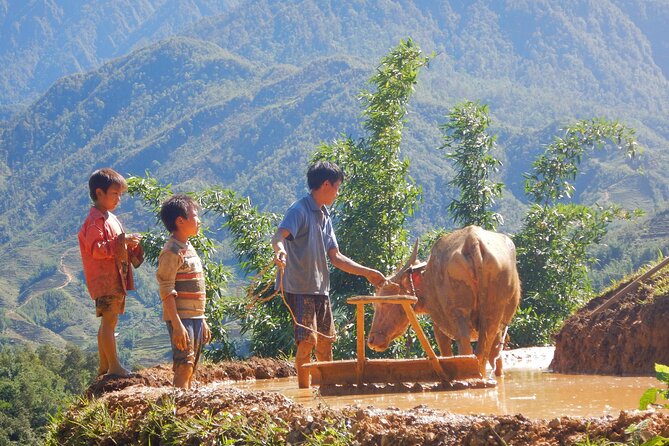
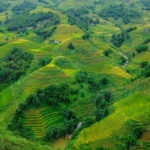
Sapa gets marketed hard. This one cuts through the noise by focusing on the basics: walking between villages, eating what the family prepares, and understanding how daily routines work up in the mountains. You’re not just looking at terraces from a viewpoint. You’re moving along them, watching farmers start early, and seeing the co-existence of animals and home life that shapes how paths and chores work.
The second reason I like this trek is how it treats the homestay as part of the journey, not an add-on. You leave the road, hike up through forest and ethnic villages, then sleep in an authentic Hmong family setting. That’s where the “real” feeling comes from—time with people, in their space, with your guide acting like a translator and a storyteller.
If you want to travel with purpose and still have fun, this style works. It’s also a good match if you like small, personal groups, since the tour is private for your group.
You can also read our reviews of more tours and experiences in Sapa.
First pickup and the Zizi homestay reset
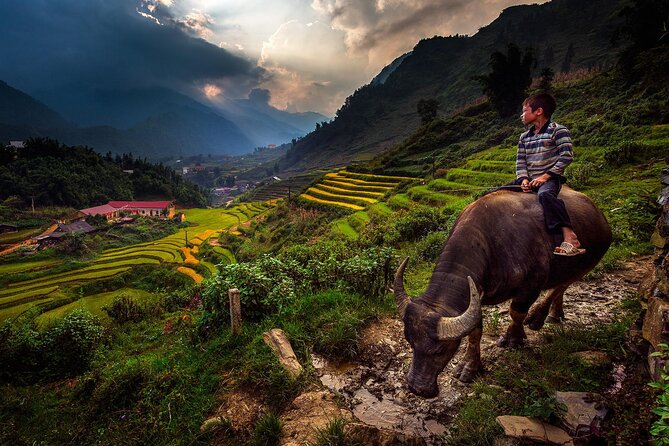
Most Sapa treks start with a pickup and a briefing. This one starts earlier and helps you settle before you start walking. Your car picks you up at the bus station around 7:00 AM, then brings you to Zizi homestay, where you can leave your luggage. That small detail matters. You don’t want to haul a full bag on day 1 if you can avoid it.
Once you arrive, you get time to gain strength with a hot shower and a breakfast cooked by Zizi. That’s a smart start in the mountains, where the air can be cool even when the day warms up. Breakfast first also helps if your hiking pace is different from the rest of the group, because you’re already fueled before the climb and village walking begin.
Practical tip: pack a small day bag. Keep water, snacks, a rain layer, and your essentials there, so you’re not rummaging through your main luggage later.
Day 1: From Hau Thao village through everyday mountain life
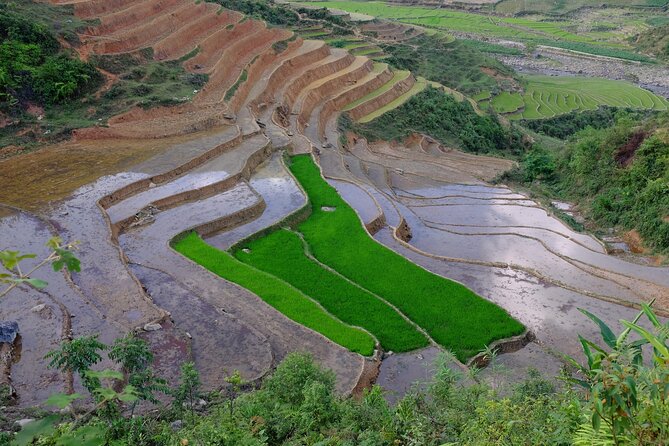
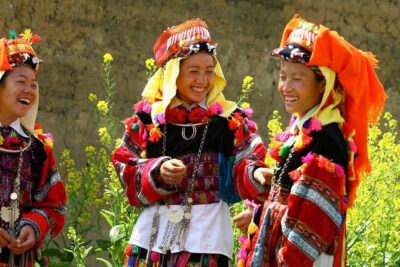
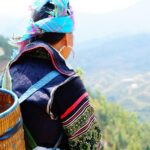
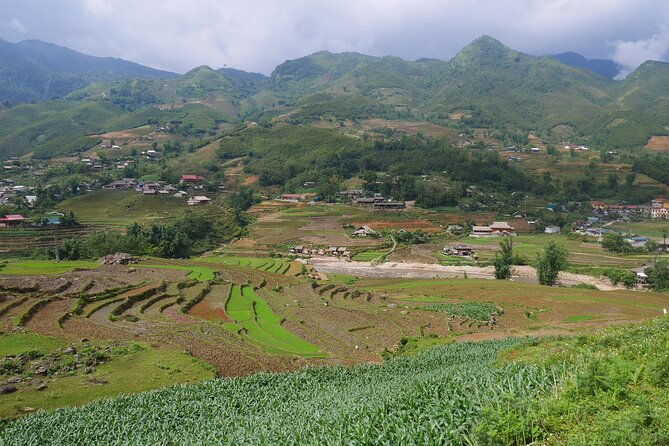
Day 1 moves you through the kind of scenery that makes Sapa famous—terraced areas and forest—but it’s the human rhythm that gives it meaning. You start exploring from Hau Thao village, and the walk is designed around noticing traditional life of Hmong minorities in this mountainous area.
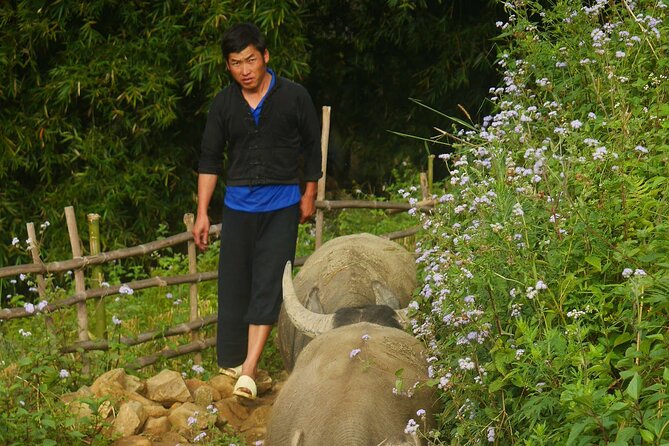
One of the best parts here is that you’ll see animals co-existing with inhabitants. In many places, you only catch livestock at the edge of town. Here, it’s part of the living fabric, so the trek feels grounded. It also helps you understand why routes and timing matter: chores and feeding don’t wait for tourism schedules.
You’ll also stop for lunch prepared by your guide. That keeps the day comfortable and avoids the common problem of trekking all afternoon on whatever you can buy fast.
Possible drawback on day 1: because you’re walking through villages and uneven ground, your pace depends on weather and trail conditions. If you’re prone to getting cold, you’ll want layers you can adjust quickly.
Overnight at a Hmong family home and the buffalo house experience
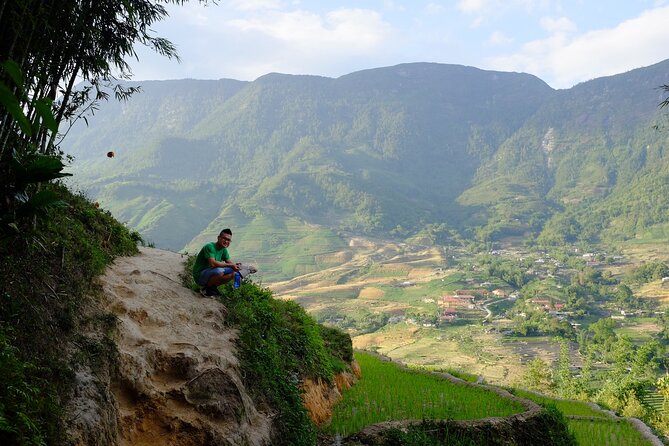
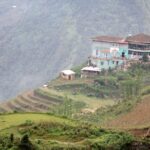
The overnight is the heart of this trek. The plan is to stay at an authentic family Hmong house for the night, and the experience connects with livestock life—specifically a buffalo house where Zizi’s mother lives. That kind of close-up living setup is what most people remember long after the photos fade.
What’s valuable about this isn’t just the novelty. It’s the chance to slow down and see how the household works. Even if you only catch brief moments, you learn how family routines shape the day: where people spend time, how they share space, and how they care for animals while still living a normal life.
Also, you’ll get more from the overnight because your local guide can explain what you’re seeing in plain terms. In one highlight from the experience’s feedback, guide Li stood out for sharing stories about her own childhood and how Hmong life has changed from the past to the present. That kind of storytelling turns a homestay into a conversation.
Good to know: this is a rural setting. If you’re expecting hotel-style comfort, you’ll likely need to adjust expectations. The payoff is authenticity, community time, and a sense that you’re not just passing through.
Day 2: Sunrise rice fields, Red Dao village, and walking to the waterfall
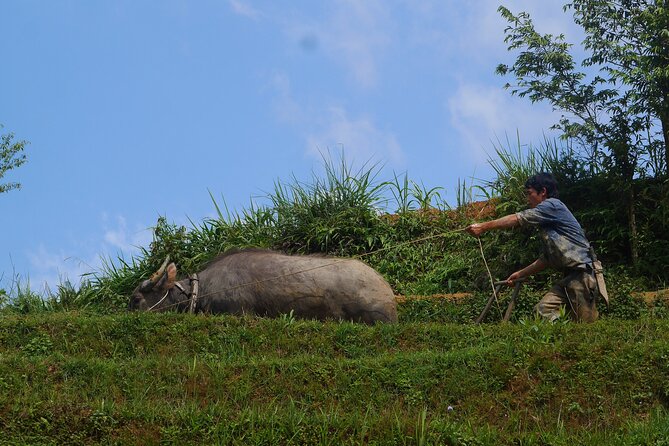
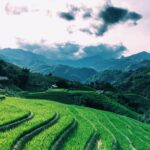
Day 2 starts with a slower morning. You wake with sunrise and have breakfast, then you say goodbye to the family and begin trekking down. The route shifts from the village-into-forest feel of day 1 to a downhill rhythm where the rice fields become more prominent.
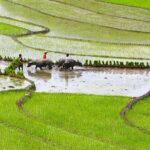
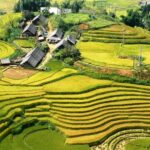
You’ll see farmers working early on the morning in the rice fields. That’s one of those details that sounds simple until you’re there: you understand why terraces aren’t just pretty. They’re working systems, built and maintained for timing—sun, water, and labor.
After that early rice field stretch, the trek reaches a Red Dao village. The idea is to continue seeing how different ethnic communities live and move through the mountains. From there, the day continues through new villages and includes a waterfall as a key destination on the way.
In other words, day 2 balances agriculture, village life, and scenery. It also tends to feel more varied because you’re not only climbing and forest-walking—you’re transitioning into open farmland views and then closing with the waterfall moment.
Tip: bring something small for the last push—energy bars or fruit. Day 2 can feel long once you start mixing downhill walking with stops and photo breaks.
Guide quality: English help plus personal storytelling from Li
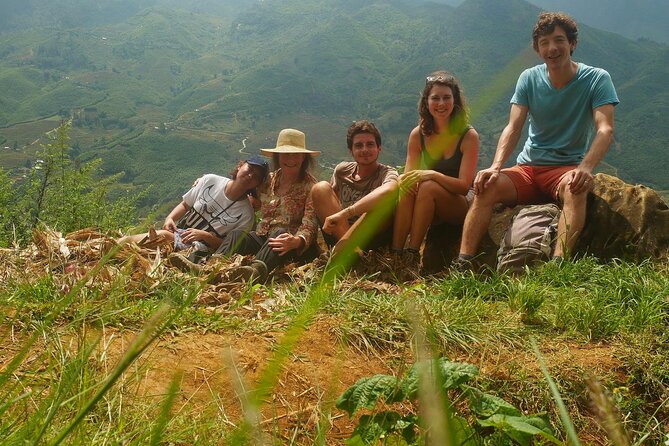
A good guide can make or break a rural trek. Here, the guide is local and English-speaking, which means you’re not stuck guessing. You can ask what you see: livestock roles, village routines, and what daily life is like beyond the trail.
The strongest praise centers on the guide’s voice and personal connection. Guide Li is highlighted for being phenomenal, taking people through her own lands, and explaining life with stories from her childhood and how things look now compared to before. That doesn’t just fill time. It gives you context for what you’re seeing, and it helps you avoid the tourist trap of treating everything like scenery.
I also like how the guide handles meals. Lunch prepared by the guide on day 1 and breakfasts included as part of the plan remove a chunk of planning stress for you.
Price and logistics: what $110 per person really covers
At $110 per person, this trek is priced as a full package rather than a bare hiking fee. From the information provided, you’re getting pickup around 7:00 AM from the bus station to the homestay, help with dropping luggage, and meals tied to the trekking schedule. You also get an overnight in the family home, plus the guided hiking day 1 and day 2.
That matters because homestays and local guiding aren’t cheap in a remote area. You’re paying for:
- local transportation to start the trek smoothly
- meals (breakfast on both mornings, and lunch on day 1)
- guided time through villages, terraces, forest paths, and to the waterfall
- the overnight stay in an authentic family home setting
The private-group setup is another value point. When it’s private for your group, it’s easier to match walking pace and keep the experience calm rather than chaotic.
If you want to get the best deal, you’ll benefit from booking with enough people to take advantage of group discounts if offered in your booking flow. (The details of how the discount scales aren’t listed here, so just confirm during booking.)
What to pack and how to plan for Sapa weather
This experience requires good weather. That’s not a small detail. In mountain areas, rain and mist can change trail conditions quickly and make paths slippery, muddy, or uncomfortable. If the trek is canceled due to poor weather, you’ll be offered a different date or a full refund.
So pack for flexibility. You’ll usually want:
- sturdy shoes with grip for uneven village and hillside paths
- a light rain layer or poncho (weather can shift)
- a small day bag with water and snacks
- layers for morning and evening temperature swings
Timing helps too. The experience indicates operating hours between 6:00 AM and 2:00 PM, with availability through the listed date range. Practically, that means you shouldn’t expect late starts or long afternoon extensions.
Fitness note: you should have moderate physical fitness. If you’ve hiked before and handle uneven ground, you’ll likely be fine. If you’re new to hiking, go slow, take breaks when you need them, and don’t try to match a faster pace just to keep up.
Who should book this trek (and who might skip it)
This buffalo trek is best for you if you want:
- an authentic family homestay in Sapa’s ethnic village setting
- a guided experience where someone can explain what you’re seeing
- a route that includes rice terraces, forest, village walking, and a waterfall
It’s also a great pick if you care about culture that’s not staged. The strongest moments come from everyday life cues—livestock co-existing with homes, early-morning farm work, and personal stories from guides like Li.
You might choose a different option if:
- you want a luxury comfort level with minimal walking
- you can’t handle moderate physical effort
- bad weather would likely ruin your plans and you can’t be flexible with dates
Should you book Hmong Sister House and Trekking?
If you want more than a photo stop and you’re happy to trade convenience for real connections, I’d book this. The value is in the combination: pickup and meals, a two-day walking route, and an overnight tied to the family’s livestock life. You don’t just pass through—you experience routines.
Pick this trek especially if you like the idea of sunrise starts, rice fields at work time, and a guide who can explain daily life in plain English, like Li’s storytelling strength. It’s the kind of trip that tends to feel personal because it is personal.
FAQ
How long is the buffalo trek?
It runs for 2 days (about 2D1N).
How much does the tour cost?
The price is $110.00 per person.
Where is the meeting point for the trek?
The meeting point is Hmong Sister House and Trekking Ta Van, Mường Hoa, Sa Pa, Lào Cai, Vietnam, and the activity ends back at the meeting point.
What time is pickup scheduled?
Your car picks you up at the bus station around 7:00 AM.
Is this a private tour or shared group?
It’s listed as a private tour/activity, so only your group participates.
Is the guide English speaking?
Yes, the tour description states you’ll have a local English speaking H’mong guide.
What fitness level do I need?
Travelers should have a moderate physical fitness level.
Is there a buffalo house or livestock-related stay?
Yes. The experience includes staying at a buffalo house area where Zizi’s mother lives, as part of the family homestay.
What if the weather is bad?
The experience requires good weather. If it’s canceled due to poor weather, you’ll be offered a different date or a full refund.
Are service animals allowed?
Yes, service animals are allowed.