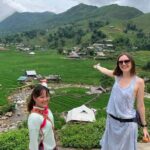
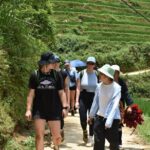
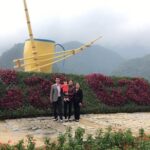
One day, and Sapa slows down. This hike is built around the Dragon Jaw viewpoint and village routes that put you face-to-face with everyday life. I love the mountain-and-rice-valley panoramas, and I also love the chance to meet ethnic communities in places like Hang Da and Giang Ta Chai. The one real catch: it’s a steady step-and-slope climb with muddy, uneven ground in wet conditions.
You’ll start in Sapa around 9:00am, with a guide who sets the tone fast and keeps the day moving. In the best versions of this trek, local guides like Nhu, Zo, or Jacob bring the cultures to life through stories about family life, clothing, and local plants.
If you’re new to hiking, go in smart. This is listed as moderate fitness, but the pace can still feel hard—especially on a hot day heading uphill, or after rain when everything gets slippery.
In This Review
- Key things I’d bank on before you go
- The vibe: a one-day trek that mixes altitude views with village time
- Starting in Sapa around 9:00am: pickup, briefings, and the first climb
- Ham Rong / the early mountain section: get your bearings fast
- Hang Da Village: H’Mong culture plus dramatic rock scenery
- The bamboo-and-village walking segment: Hau Chu Ngai area to Giang Ta Chai
- Giang Ta Chai Village: museum stop, Dao and Black H’Mong context
- How hard is it, really? Steps, uneven ground, and the muddy reality
- Lunch in the middle of the hike: filling, local, and sometimes not perfect
- The guides: when you get a great one, the day feels twice as good
- Price and value: why $35 can make sense here
- Weather reality: June can be wet, and conditions change the view
- Who this trek suits best (and who should pick something else)
- Should you book Sapa’s Hidden Trail Trek 1 Day?
- FAQ
- What is the duration of the Sapa The Hidden Trail Trek?
- Where does the trek start, and what time?
- Can I get pickup for this tour?
- Is this tour private?
- What’s included in the price?
- Is the trek easy?
- What is the cancellation policy?
Key things I’d bank on before you go
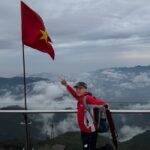
- Dragon Jaw viewpoint: the day’s big-sky moment, with town and valley views at higher elevation
- H’Mong village time: Hang Da’s rocky scenery and cultural stops that don’t feel rushed
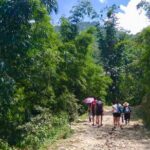
- Bamboo forest footpaths: short stretches that break up the climbing and add variety
- Giang Ta Chai museum visit: learn about traditional dress and customs in a structured stop
- Lunch + water included: you’re fueled for the hike, not left to hunt for food mid-route
The vibe: a one-day trek that mixes altitude views with village time
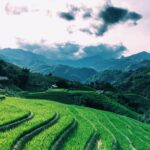
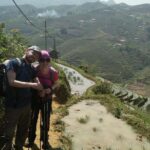
Sapa is famous for misty mountains, but this trek is less about a single photo spot and more about the slow journey between places. You move from the center of Sapa toward higher viewpoints, then work your way down through village roads and trails. That mix is the whole point: big views at altitude, then smaller human moments in local communities.
The route also has a natural rhythm. You’ll spend part of the day climbing, then you’ll transition into gentler segments that feel more like walking through a working valley—rice fields, farm paths, and homes scattered across steep terrain.
This is not a casual stroll. Expect lots of steps and uneven footing. Even if your day goes smoothly, your legs will know it by the end.
You can also read our reviews of more tours and experiences in Sapa.
Starting in Sapa around 9:00am: pickup, briefings, and the first climb
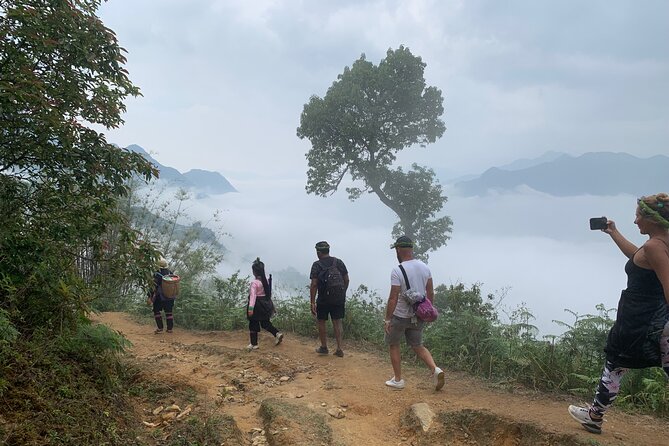
Your day begins at 9:00am. You can either be picked up at your hotel or meet your guide at Sapa Church, depending on what works best for your group. After pickup, you’ll get a quick program overview so you know what’s coming and how the timing works.
From there, the trek starts in and around town and ramps upward. The itinerary gives a substantial block of time early on (about 3 hours for the first main stop), which usually means you’ll be doing the hardest part sooner rather than later. That’s good if you like finishing the steep bits while your energy is fresh.
Practical tip: start hydrating immediately after pickup. The day includes bottled water, but you’ll drink more than you think once you start climbing.
Ham Rong / the early mountain section: get your bearings fast
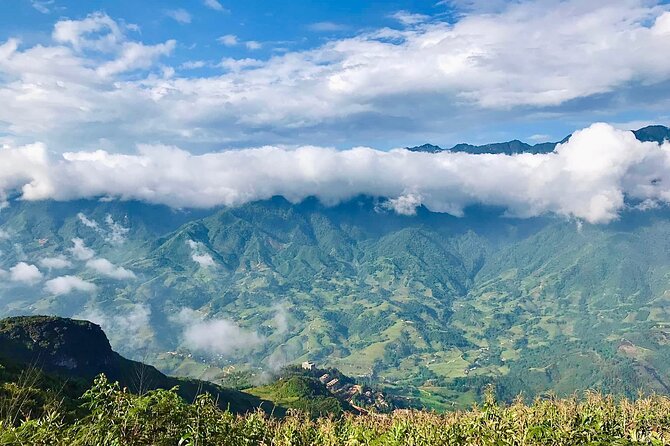
One of the first set-pieces is Ham Rong Mountain (listed as the first stop). This early section matters because it sets expectations for what the rest of the trek feels like: steps, inclines, and uneven paths.
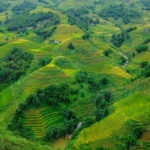
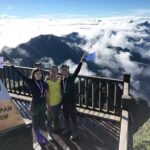
If the weather is clear, this is when you’ll start to see why people come to Sapa in the first place—wide views toward the valley and the sense that the town sits below you. If weather is cloudy, don’t panic. In Sapa, clouds roll in and out, and even when you lose the far view, the walking scenery still changes constantly—dirt trails, village edges, and terraced mountain slopes.
Either way, this part is about effort-to-reward. You’re working uphill early so the later village sections can feel more relaxed by comparison.
Hang Da Village: H’Mong culture plus dramatic rock scenery
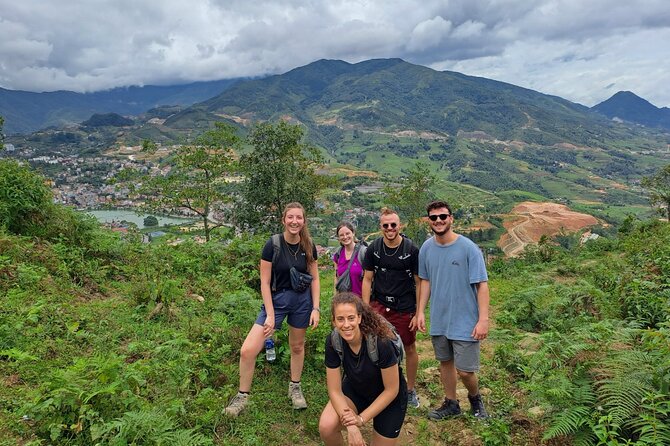
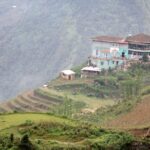
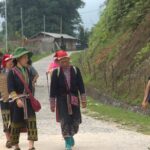
Next up is Hang Da Village, home to the H’Mong people. This stop is only about an hour, but it’s packed with the kind of small details that make a trek feel real: homes set into steep terrain, local life rhythms, and a sense of place rather than a staged performance.
Hang Da is also known for huge rocks. That matters more than it sounds, because it changes the visual texture of the visit. You’re not just walking through a generic village path; you’re surrounded by natural formations that shape how the community lives and moves.
What I like here is the cultural contrast: you can be looking at mountain angles and then suddenly your guide is talking about clothing, daily routines, and local tradition. In the better-guided versions of this trek, you’ll come away understanding that culture isn’t a museum display—it’s a living way of organizing work, family, and identity.
The bamboo-and-village walking segment: Hau Chu Ngai area to Giang Ta Chai
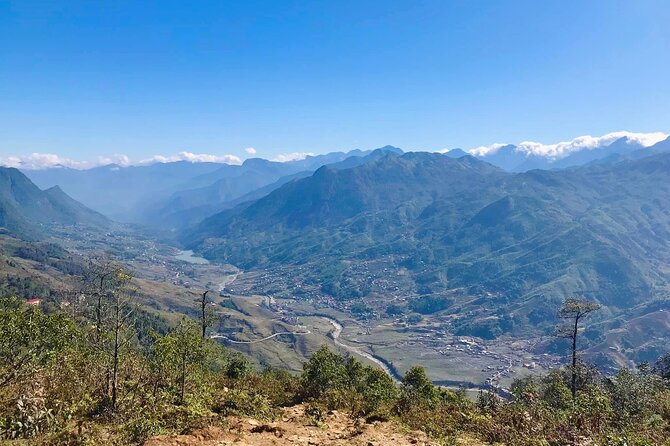
After lunch, your route continues toward Hau Chu Ngai Village (often listed around the middle of the day) and then down toward the Giang Ta Chai area. This is where the trek shifts from climbing intensity to a more varied walking style.
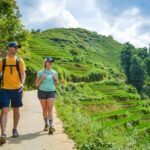
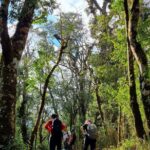
The itinerary highlights extremely beautiful village roads and short bamboo forest trails on the way down. Those bamboo stretches are brief, but they’re valuable: they interrupt the “every step is the same” feeling and give you different ground underfoot—cooler shaded sections and a break from direct sun.
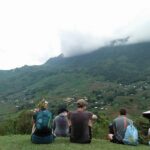
This portion is also a good time to slow down and take breaks. If you’re with a guide who’s paying attention, you’ll get that back-and-forth pacing—enough structure to keep you on track, but not so strict that the day feels like a march.

Giang Ta Chai Village: museum stop, Dao and Black H’Mong context
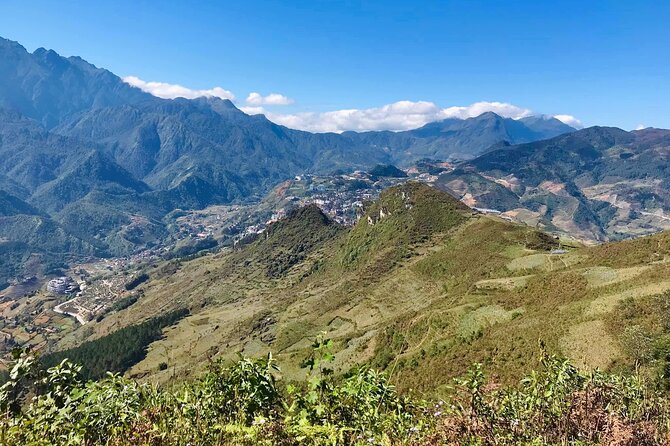
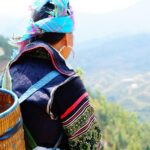
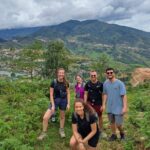
Your final major cultural stop is Giang Ta Chai Village, a smaller community associated with Black H’Mong and the Dao people. Here you’ll visit a small museum where the local guide shares information about traditional clothing, culture, and local customs.
That museum stop is a helpful anchor. Instead of guessing what you’re seeing, you get a guided explanation in a setting designed for learning. It’s one of the easiest ways to turn a few hours of walking into actual understanding.
After the museum visit, your time here stays short (about 30 minutes). That can feel fast if you love lingering, but it also keeps the day from becoming a series of half-finished stops. You’ll finish the trek with that last “now I get it” feeling and still have energy for the return.
How hard is it, really? Steps, uneven ground, and the muddy reality
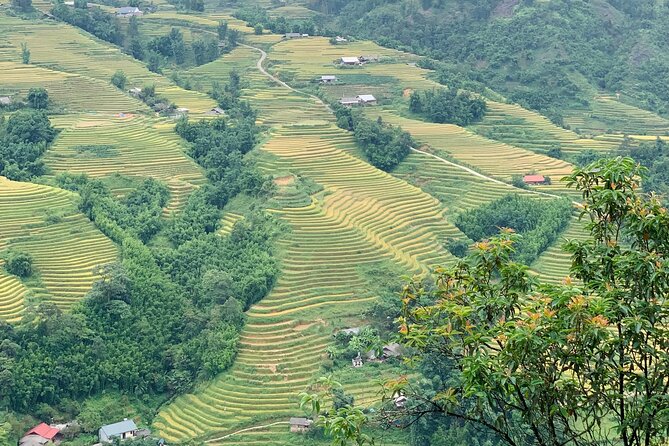
This trek runs about 5 to 6 hours in total. The most common description of the effort is simple: step inclines and uneven surfaces, with significant uphill time earlier.
One review-style note that lines up with the itinerary: plan for roughly 6–7 hours of straight hiking time depending on pace, and expect some sections to feel like they go on and on. In one account, the trek added up to about 20,000 steps with a big chunk uphill.
So how do you decide if you’re ready?
- If you do basic walking at home and can handle stairs, you’ll likely manage it.
- If you’re brand new to hiking, you’ll want a conservative pace and shoes with strong traction.
- If it’s wet, go in expecting mud. One visitor described the mud as part of the fun, but that’s also your cue to pack the right footwear and accept slippery moments.
I also recommend walking poles if you have knee issues or you’re over 40. They aren’t required, but they make downhill sections less of a knee negotiation.
Lunch in the middle of the hike: filling, local, and sometimes not perfect
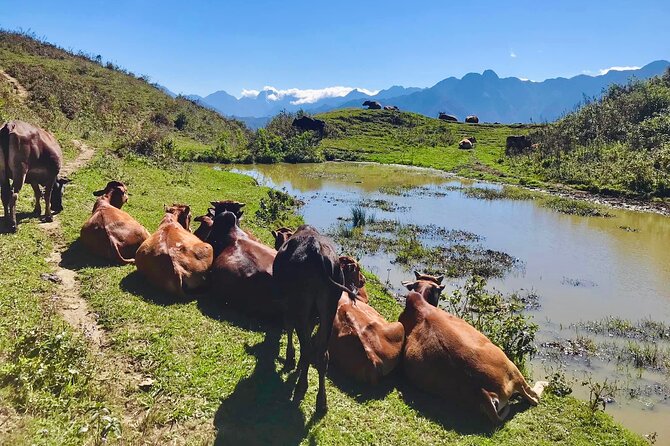
Lunch is included, which is a big deal on a day like this. It means your energy stays stable, and you’re not stuck deciding between hunger and time.
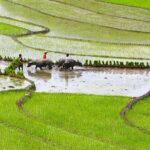
In the best examples of this trek, lunch is described as delicious, including local food and even rice from Sapa terraces. That kind of meal helps you connect the walking to the landscape below you—rice farming isn’t scenery here; it’s the economy.
There is, however, a possible drawback to note: one experience described lunch as bland and said it didn’t match the expectation of eating in a private home. That doesn’t mean all days are like that, but it does mean you should go in with realistic expectations: included lunch is convenient and local-leaning, but it may not always be a home-style feast.
The guides: when you get a great one, the day feels twice as good
This trek’s value climbs fast when your guide is strong. Local guides bring the stories you can’t fake with a brochure.
Names I saw in real-world accounts include Nhu, Zo, Jacob, Chu, TJ, Phenh, and Fin. While not every guide will be the same, the common theme is that the best ones are patient, adjust pacing for slower hikers, and explain what you’re seeing—plants, village life, and how ethnic groups live in the area.
A particularly practical kind of service showed up in accounts where the guide handled a novice hiker carefully and even switched to an easier route. If you want a trek that can flex to your group, this is the kind of program that can work well.
Tip: don’t try to hide that you’re struggling. Guides can often slow down, re-space breaks, and keep the day enjoyable instead of stressful.
Price and value: why $35 can make sense here
At $35 per person, this is an affordable way to get a full day of guided trekking with multiple paid elements handled for you.
Here’s what’s covered in the included price:
- Local guide
- Village entry fees
- Lunch
- Bottled water
- Transportation back to town
That matters because the money goes toward what’s hard to arrange on your own in the right way: a knowledgeable local guide, access to village stops, and transport that doesn’t turn into a half-day logistics problem.
If you tried to build this DIY, you might save money in theory—but in practice you’d spend time coordinating routes and negotiating your way into small community stops. This tour package handles those pieces so you can focus on walking and learning.
So the value equation is pretty clear: if you want an organized day that includes culture stops and food, this pricing is fair.
Weather reality: June can be wet, and conditions change the view
Sapa’s weather can shift quickly. One account specifically warned that June is in the rain season and described cloudy conditions that reduced valley and mountain views once the trek moved toward the Dragon Jaw area.
That doesn’t mean you should skip the trek in wet months. It does mean you should adjust expectations:
- Bring traction-friendly shoes
- Dress for damp air and cool fog
- Expect less visibility sometimes, but still enjoy the changing textures of villages, trails, and farms
If you can choose timing, aim for a window when clouds are less stubborn and paths are less slick. One note suggested spring and early fall months as better choices than peak rainy periods.
Who this trek suits best (and who should pick something else)
This is a strong fit if:
- you want one full day that mixes climbing with real village interaction
- you enjoy learning about ethnic minority culture through guided explanations
- you’re comfortable walking on uneven terrain for hours
- you want a guided route instead of figuring everything out alone
You might consider a different option if:
- you hate steep, muddy hiking
- you want a more leisurely pace with minimal climbing
- your group has major mobility challenges, because this is clearly built for moderate hikers and uneven paths
If you’re visiting Sapa with only a couple days, this trek can work as an introduction day. If you have more time and want a bigger altitude challenge afterward, you can build the rest of your trip around that.
Should you book Sapa’s Hidden Trail Trek 1 Day?
Book it if you want a one-day mix of views, village visits, and an included meal—and you’re okay with the fact that your legs will work. The best thing about this trek is that it doesn’t treat culture as a quick stop. With the right guide, the museum time in Giang Ta Chai and the village context in Hang Da translate into a clearer picture of how people live here.
If you’re deciding between this and a more famous Sapa headline, choose based on your mood:
- Want exercise plus cultural stops? Pick this.
- Want a big summit-style mission? Pick the other option.
My final advice: wear grippy shoes, plan for mud if rain hits, and ask your guide to set a pace your group can handle. Do that, and this one day will feel like you actually got a hold of Sapa—not just a drive-by.
FAQ
What is the duration of the Sapa The Hidden Trail Trek?
The trek lasts about 5 to 6 hours (approx.).
Where does the trek start, and what time?
It starts at 9:00am in Sa Pa, Lao Cai, Vietnam.
Can I get pickup for this tour?
Yes, pickup is offered. The guide can pick you up at your hotel, or meet you at Sapa Church.
Is this tour private?
Yes. It is a private tour/activity, and only your group will participate.
What’s included in the price?
Included items are bottled water, villages entry fees, a local guide, lunch, and transportation back to town.
Is the trek easy?
It’s best for travelers with moderate physical fitness. You should expect hiking on step inclines and uneven surfaces.
What is the cancellation policy?
You can cancel for a full refund up to 24 hours in advance of the experience start time.