REVIEW · SAPA
Sapa Trekking Tour – 1 day
Book on Viator →Operated by Sapa Motorbike and Trekking · Bookable on Viator
One-day treks in Sapa can feel like a whole weekend. This tour strings together three village visits in about 6 to 7 hours, with viewpoint time, rice terraces, and cultural stops with the Black Hmong, Giay, and Red Dao communities.
I like the pacing because you’re not just walking between photos. You get meaningful interaction time at each stop, plus lunch that’s part of the experience, not an afterthought.
One thing to plan for: it’s still a trek. The route includes downhill walking early and an uphill climb after lunch, and the weather can swing fast—from cool mornings to colder night air, with possible snow in winter.
In This Review
- Key things to know before you go
- Why Sapa can feel like four seasons in a day
- Lao Chai viewpoint + Black Hmong village life in Muong Hoa Valley
- Ta Van Giay rice terraces, suspension bridge, and rock carvings
- Giang Ta Chai Red Dao village: bamboo forest, waterfall pause, uphill return
- The route experience: walking time, viewpoints, and buffalo trails
- Price and logistics: getting your money’s worth at $45
- Weather, what to pack, and how to stay comfortable
- Who this one-day Sapa trekking tour suits best
- Should you book this 1-day Sapa trek?
- FAQ
- How long is the Sapa trekking tour?
- What does the tour cost?
- Is pickup offered?
- Which villages do you visit in one day?
- What’s included in the price?
- Do I need to buy tickets or pay entrance fees?
- Is lunch included, and where is it served?
- What kind of physical fitness do I need?
- Is snow possible on this tour?
- What is not included?
Key things to know before you go
- Three minority villages in one day: Lao Chai (Black Hmong), Ta Van (Giay), and Giang Ta Chai (Red Dao)
- Muong Hoa valley viewpoint start: big views first, then you walk down through village life and terraces
- A home-style lunch in Ta Van: typical local food served as you take a break mid-trek
- Rock carvings by a suspension bridge: you’ll see carvings featuring people, stilt houses, and decorative patterns
- Bamboo forest + waterfall rest: a quieter stretch before you tackle the uphill back
- Warm layers matter: mornings are often cold, and winter can bring snow
Why Sapa can feel like four seasons in a day
Sapa has a cool, changeable climate. Expect temperatures around 15–18°C, and the day can shift the way different seasons feel: a chilly spring-like morning, lighter sunshine near midday, and then cooler air later. Nights can turn properly cold.
In winter, the mountains may even carry snow. If that happens, you’ll get a chance to play with snow in a spacious, safe area at Sapa Town Square, where snow is treated like a fun activity instead of something to fear.
Practical tip: plan your layers for real temperature swings. Bring a warm top you can still wear comfortably during walking, and another layer for breaks.
You can also read our reviews of more tours and experiences in Sapa.
Lao Chai viewpoint + Black Hmong village life in Muong Hoa Valley
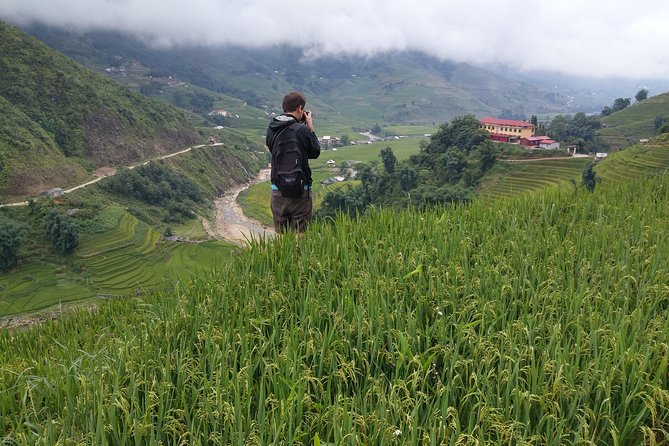
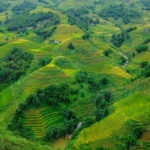
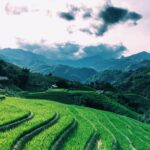
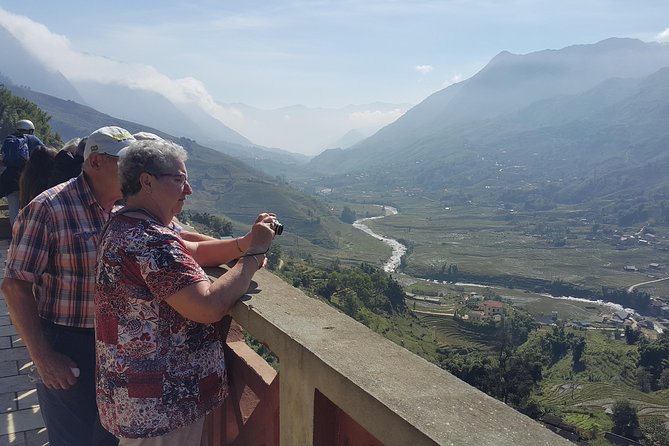
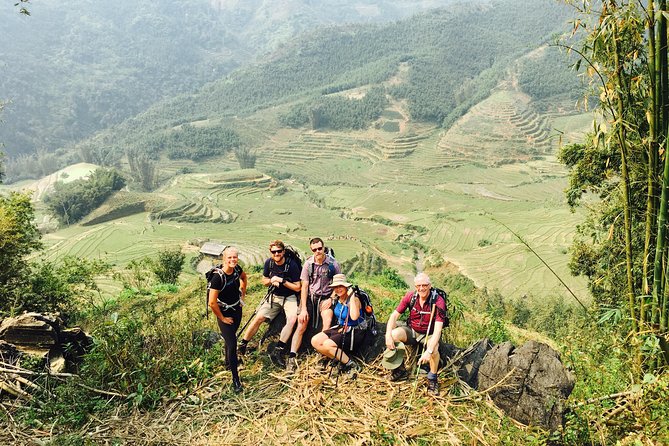
Your day starts with a viewpoint focused on scale. Lao Chai is about 6 km from Sapa town, and the viewpoint sits at a high point on the main road about 8 km out, opening onto a wide panorama of the village. You’ll see terrace fields, a river below, and mountains framing the valley.
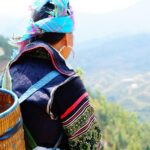
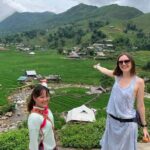
Then you move into the village itself. Lao Chai is the beginning of Muong Hoa valley, and it’s home to Black Hmong families—over 100 families across three large villages in the area. The tone here is welcoming. You’re meant to visit and learn, not just pass through.
What I’d watch for: the most memorable moments tend to be the small cultural interactions. This is where the tour leans hardest into meeting people and learning customs, with time built in (about 2 hours at this stop).
Possible drawback: because this stop includes both viewpoints and village time, your comfort depends a lot on weather. On colder days, the high point can feel brisk. If you run cold easily, dress early and carry a warm layer for pauses.
Ta Van Giay rice terraces, suspension bridge, and rock carvings
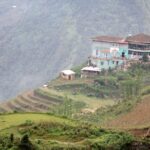
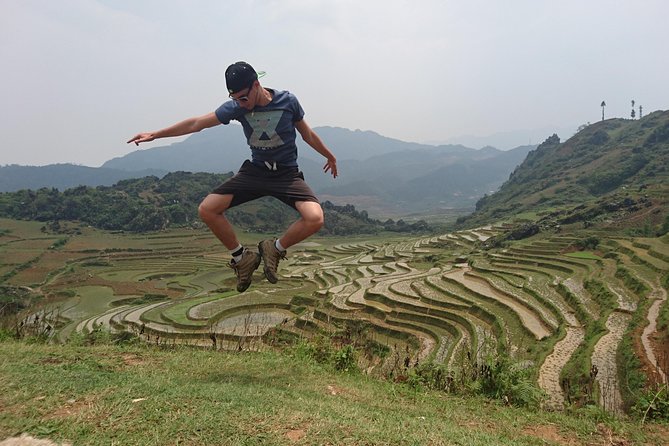
After Lao Chai, you keep moving through the kind of scenery Sapa is famous for: rice terraces and valley walking. You’ll reach Ta Van, a Giay village. This part of the trek often feels more “walking-focused,” with the terraces guiding you forward.
Around 2 km from the settlement, you cross a small suspension bridge. It’s not just a crossing moment. Nearby, there’s a set of rock carvings that you can discover during the walk. The engravings include images of people, stilt houses, and decorative patterns.
Then comes the best kind of mid-trek break: lunch as part of local life. In Ta Van, you’ll have lunch at a home with typical local food. It’s one of those setups where you get to slow down without losing momentum (about 2 hours at this stop, with admission included).
Why this stop feels valuable: the carvings add a layer beyond daily village life. They hint at how the landscape holds meaning, not just beauty, and that turns a scenic walk into something more story-driven.
Possible drawback: lunch is included, but personal taste still matters. If you’re picky or have strict dietary needs, you’ll want to plan in advance based on what you can handle during a home-style meal.
Giang Ta Chai Red Dao village: bamboo forest, waterfall pause, uphill return
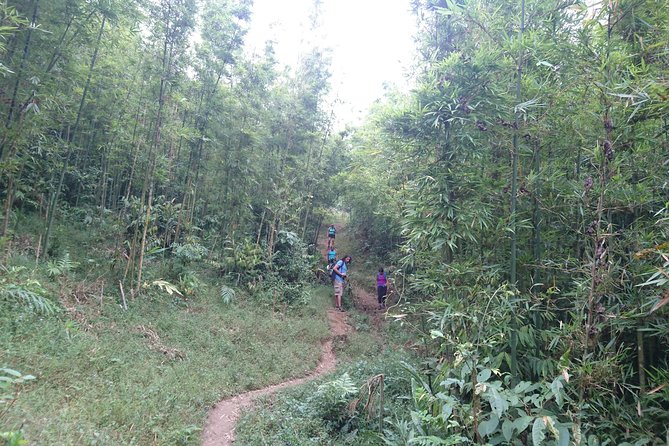
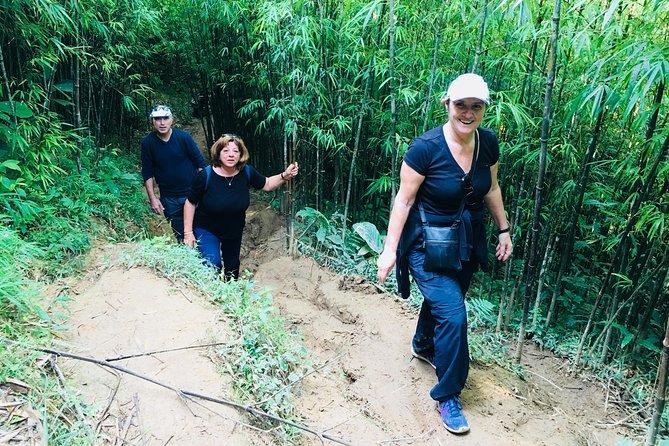
After lunch, the trek shifts again. You’ll walk through a bamboo forest toward Giang Ta Chai, a Red Dao ethnic minority village. This stretch is about rhythm: the greenery and shade can make the walk feel cooler and calmer than the open terrace paths.
You also get a rest stop near a waterfall. It’s a good reset before the steeper part of the day, and it helps break up the effort so the final return doesn’t feel like one long push.
Then you start climbing uphill toward a road where the car is ready for your journey back to Sapa. This is the part of the day that most affects your comfort, because uphill comes late after you’ve already been walking.
This stop is the “finish strong” section. About 2 hours are allocated here, including time in the village experience and the transition to pickup by vehicle.
Possible drawback: if your moderate fitness level slips during the afternoon climb, you might feel it. The tour is designed for people who can handle a full day’s worth of walking in one go, even if it’s not extreme trekking.
The route experience: walking time, viewpoints, and buffalo trails
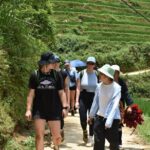
Even with village stops, this is still a hike day. You’re out long enough that you’ll feel the movement in your legs, and the itinerary is structured so each segment has a reason—views first, then terrace walking, then village time, then a late-day climb.
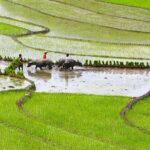
One small detail that matters: the trek route includes buffalo trails. That’s a big part of why the walk can feel more authentic than a purely tourist path. It gives you a sense that locals have long used these routes, not just people on packaged tours.
And because it’s a private tour (only your group participates), the experience tends to feel less rushed by crowd energy. You’re still on a schedule, but you’re not being squeezed into a long line of strangers.

Price and logistics: getting your money’s worth at $45
At $45 per person, the value is strong if you compare what’s included to what you’d likely pay on your own. You get:
- a local English-speaking guide
- lunch
- bottled water
- private transportation
- entrance fees to the indicated stops
On top of that, the tour includes pickup, and you’ll use a mobile ticket. That combo matters in Sapa, where hopping between viewpoints and villages without losing time can be the difference between a pleasant day and a day where you feel like you’re always waiting.
What’s not included is equally important:
- pocket money
- insurance
- tip money
- alcoholic beverages
My practical take: the tour makes sense if you want the villages and transport handled for you, without having to coordinate permissions, timing, and route logistics. If you’re the type who already knows the routes, arranging everything yourself might cost less, but you’d likely trade away the guided explanation and the included lunch.
Weather, what to pack, and how to stay comfortable
Sapa’s temperatures and conditions can change fast during the day. Since the day can swing from chilly morning air to colder night conditions, pack for layers rather than one outfit.
For a comfort strategy:
- wear a warm layer you can keep on during morning viewing
- plan for breaks in cooler air
- bring clothes you can manage during walking, especially on the afternoon uphill
In winter, the possibility of snow adds another reason to dress for cold. If snow shows up, you’ll likely spend time enjoying it at Sapa Town Square, so keep warm enough that snow play is fun, not miserable.
Who this one-day Sapa trekking tour suits best
This is a great match if you want:
- a full Sapa cultural day without committing to multi-day trekking
- a plan that hits three communities: Black Hmong, Giay, and Red Dao
- a mix of walking + viewpoints + time for interaction
- lunch included in a home-style setup
It’s also a solid option for people who prefer structure. You’re not guessing where to go next, and private transportation reduces the “where’s the vehicle?” stress.
It might be less ideal if you want a gentle stroll with minimal uphill. The tour includes a climb after lunch, so you’ll want moderate fitness.
Should you book this 1-day Sapa trek?
If your goal is a meaningful day in Sapa—viewpoints, village encounters, terrace walking, and a real lunch included—this one-day trek is a smart booking. The $45 price works best when you value the guide, transport, and entrance fees all bundled together.
I’d book it if you’re excited by the chance to meet people in Lao Chai, Ta Van, and Giang Ta Chai and you like routes that feel like they’re following older trails (not just paved paths).
I’d think twice if cold weather or uphill walking is a concern. The itinerary is designed for moderate fitness, and Sapa’s temperature shifts can make breaks feel colder than you expect.
FAQ
How long is the Sapa trekking tour?
It runs for about 6 to 7 hours.
What does the tour cost?
The price is $45.00 per person.
Is pickup offered?
Yes, pickup is offered, and private transportation is included.
Which villages do you visit in one day?
You visit Lao Chai village (Black Hmong), Ta Van village (Giay), and Giang Ta Chai village (Red Dao).
What’s included in the price?
It includes a local English-speaking guide, lunch, bottled water, private transportation, and all entrance fees to the indicated sites.
Do I need to buy tickets or pay entrance fees?
No. Entrance fees to the indicated sites are included.
Is lunch included, and where is it served?
Yes. Lunch is included and is served at a home in Ta Van with typical local food.
What kind of physical fitness do I need?
The tour is best for people with moderate physical fitness.
Is snow possible on this tour?
In winter, Sapa can have snow, and there is time at Sapa Town Square for snow play in a safe, spacious area.
What is not included?
Personal pocket money, insurance, tip money, and alcoholic beverages are not included.