REVIEW · SAPA
Number one top rated ethical cultural trekking and homestay by ETHOS
Book on Viator →Operated by Ethos - Spirit of the Community · Bookable on Viator
Two days, one Sapa valley, real village life. This private trek runs through Sapa Valley rice terraces and bamboo forests, with local guides such as Cha and Hoa sharing what you’re really walking through. You’ll end with an overnight homestay in a village set among rice paddies.
I love that it’s private—just your group—with a guide who connects the trail to daily life. I also love the homestay structure, including dinner and breakfast plus two lunches, with a hands-on lunch moment where you cook and share food with your host family.
One possible drawback: the route is physical. Day one covers about 14 km, including a steep 2 km climb, and the experience depends on good weather.
In This Review
- Key highlights worth caring about
- A Private Sapa Trek That Fits Real Village Time
- Day 1: 14km Through Rice Terraces, Villages, and a Serious Climb
- Lunch With Your Host Family: More Than a Meal Break
- Your Homestay Night: Sleep in the Rice-Paddy World
- Day 2: Flexible Hiking, Then an Afternoon Taxi Back to Sapa
- What ETHOS Does Differently (And What You Should Pay Attention To)
- Price and Value: Why $93.34 Can Make Sense Here
- Who This Trek Is For (and Who Should Rethink It)
- Simple Packing and Readiness Tips for Sapa Walking
- Should You Book This 2-Day Sapa Homestay Trek?
- FAQ
- How long is the Sapa valley trek?
- Is this tour private?
- Where does the tour start and when?
- What’s included in the price?
- What should I bring since lunch and dinner are included?
- How fit do I need to be?
- Can I choose how far to hike on day two?
- Is travel insurance included?
- What happens if the weather is poor?
- What is the cancellation window for a full refund?
Key highlights worth caring about
- Private 2-day trek in Sapa Valley, with only your group out on the trail
- Overnight homestay in a village among rice paddies, with dinner, breakfast, and two lunches included
- Day 1: about 14 km with a mix of easy-but-undulating walking and a steep climb
- Day 2: flexible hiking where your distance and challenge level can be adjusted, then a taxi back to Sapa in the afternoon
- Community-focused approach led by ETHOS and local guides like Cha, Hoa, Ker, My, and Kae
A Private Sapa Trek That Fits Real Village Time
Sapa is famous for dramatic mountain views, but the real point of this trip is how time works when you’re moving village-to-village with a local guide. This is built as a private 2-day cultural trek through the Sapa Valley, ending with you spending the night with a host family.
What makes it feel “ethical” in practice is the structure: you’re not just sightseeing from a road. You’re hiking past rice terraces and traditional villages, then slowing down for meals and conversation inside a community setting. In the same way that a great guide can turn a route into a story, ETHOS tends to frame the trail as a living place—something people care for daily.
I also like the private element. Even when you’re only with a small group, you’re not stuck sharing your questions with strangers. Your guide can tailor explanations to what you actually want to understand—plants you spot on the path, how work fits into the seasons, or what daily life looks like beyond the postcard angles.
You can also read our reviews of more tours and experiences in Sapa.
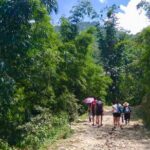
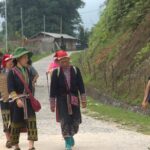
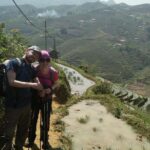
Day 1: 14km Through Rice Terraces, Villages, and a Serious Climb
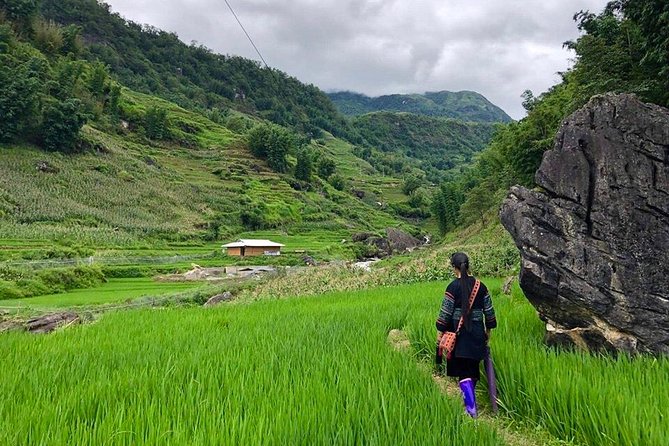
Day one is around 14 km and usually feels like a “warm-up to work” day. The first part—about the first 6 km—leans easier, but it’s still undulating, so it’s not flat strolling. Expect footpath walking with constant little changes in grade.
Then comes the part you plan for: a steep climb of about 2 km before you stop. This isn’t just a “your legs will complain” moment. It shapes the whole day. Pace yourself for the climb, bring water, and don’t assume the easy start means the rest will follow suit.
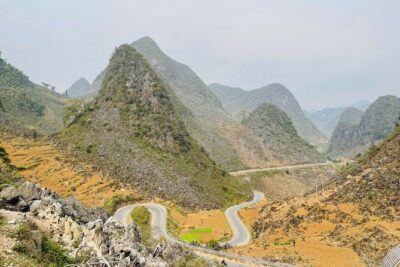
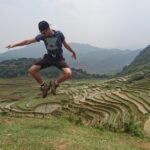
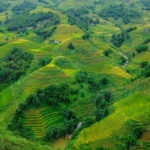
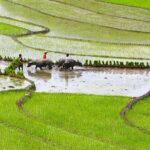
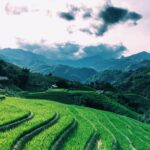
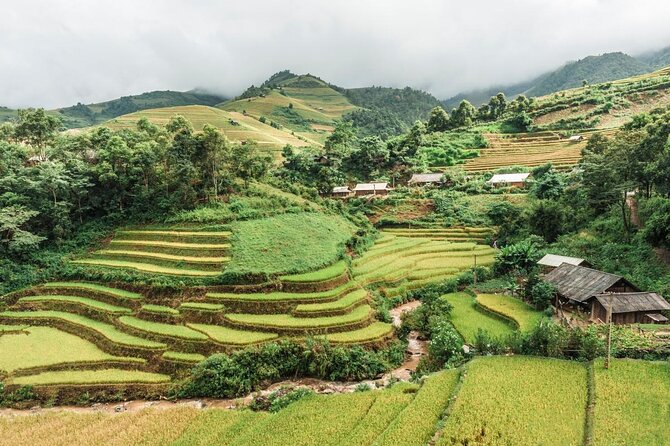
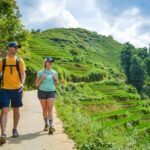
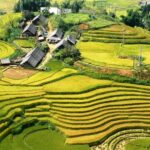
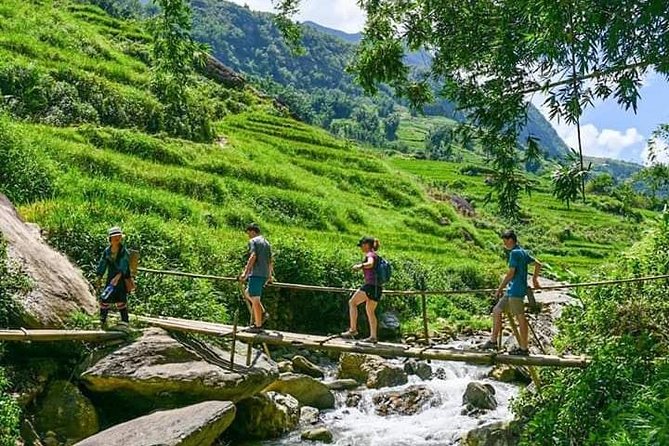
Along the way, you’ll pass rice terraces and traditional villages. The terraces matter here because they’re not scenery you zip past. As you walk through farming areas and village paths, you get the sense that agriculture controls the rhythm of the valley—where people live, where paths run, and how the terrain is shaped.
Practical tip: if you’re coming from city walking, build a little endurance first. Even though the tour is only two days, it asks for real mountain-patience for the climb.
Lunch With Your Host Family: More Than a Meal Break
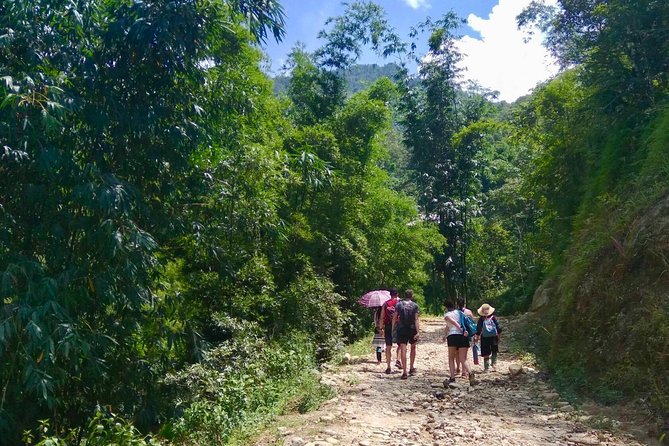
One of the best parts is the lunch stop with your host family. This isn’t just a packaged meal served at the end of a trek. You’ll cook and share lunch together, which turns food into a cultural checkpoint.
Why this matters: it’s easy to treat “local food” as a checkbox—one more dish to try. Cooking and sharing takes you past that. You get to ask small, human questions while you’re doing something together, and your hosts get to show you how they think about the day.
Also, it makes the trekking feel less like performance. After hours of walking, you’re not just passing through a village like a visitor. You’re slowing down long enough to be part of the day’s routine.
This is where the ETHOS approach shows its focus on community connection. In guide accounts (often led by people like Cha or Hoa), the explanation isn’t stuck behind a lecture. It’s woven into time on the ground and time around the table.
Your Homestay Night: Sleep in the Rice-Paddy World
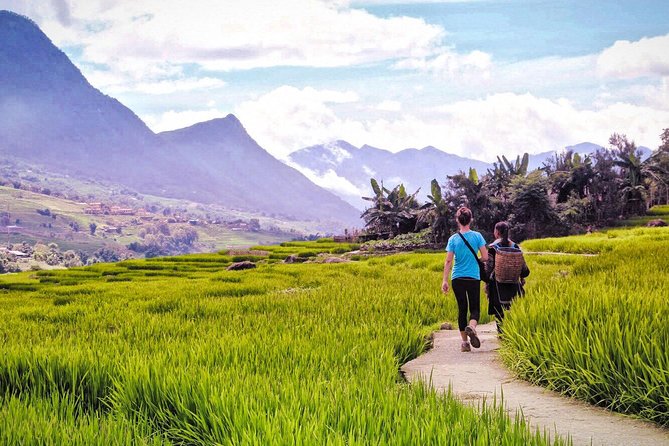
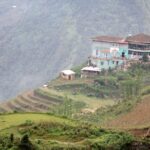
Spending the night with a host family is the heart of the experience. You’ll stay in village accommodation set among rice paddies, so the setting is part of how you understand the valley.
Even if you’ve done homestays before, there’s a useful thing to know: this isn’t an add-on. Your overnight is scheduled into the flow of the trek. Dinner and breakfast are included, and the homestay is part of why day one matters. You finish the first day ready to settle in and share the evening—not just ready to get to a hotel bed.
From a practical standpoint, homestays can vary in comfort level depending on the family and the season. You’ll want to go in expecting “simple and real,” not luxury. If you’re the kind of traveler who enjoys quiet evenings, conversations, and daily routines, this part will feel like the main event.
Day 2: Flexible Hiking, Then an Afternoon Taxi Back to Sapa
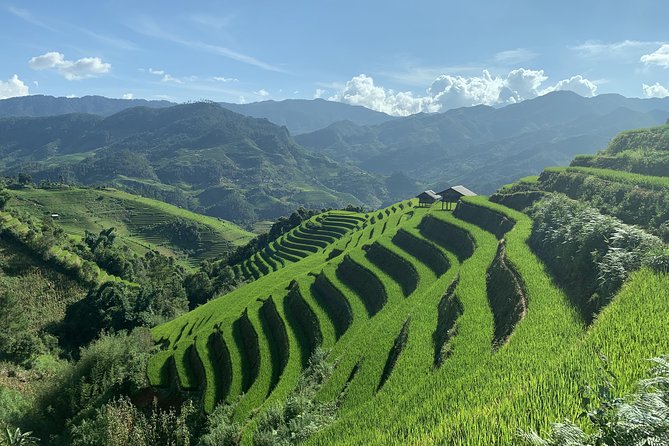
Day two keeps the tone moving but adds flexibility. You’ll continue hiking toward a destination of your choosing, with room to adjust both distance and challenge.
That flexibility is valuable because Sapa’s walking can feel different day to day—weather, footing, and how your body recovered from the first day can all shift your ideal pace. Having your guide work with your comfort level helps you get the most out of the day without forcing the same pace for everyone.
When day two wraps, you’ll take a taxi back to Sapa in the afternoon. That’s a smart structure. You get to enjoy a morning hike through the valley settings—rice areas, village paths, and bamboo forest paths mentioned as part of the experience—without losing the whole day to logistics.
Pro tip: wear layers. Mountain weather can shift fast, and even when conditions are good, mornings and afternoons can feel quite different.
What ETHOS Does Differently (And What You Should Pay Attention To)
The guiding idea here is that ethical trekking isn’t just about saying the right things. It’s about building the experience so that local people and local knowledge aren’t extras.
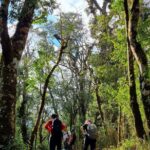
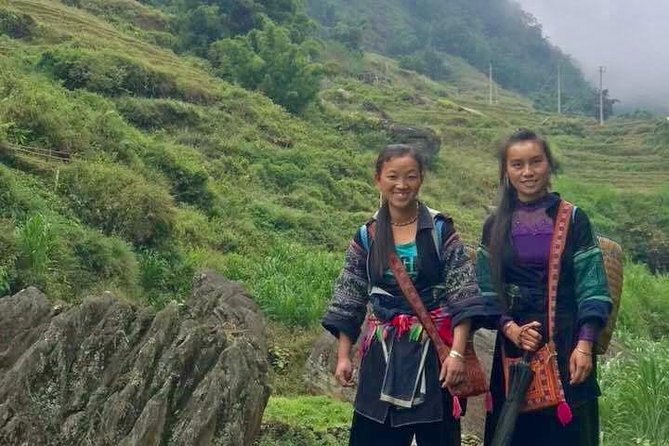
ETHOS positions this as far beyond the typical trekking package, and the guides’ names keep showing up for a reason: they’re described as insightful about local life and good at turning ordinary trail moments into understanding. People like Ker, My, and Kae are repeatedly credited with guiding through forests, rice areas, and paths tourists usually don’t find on their own.
But the “different” part also comes with a mindset shift you’ll want to bring. This is not a trip where you can treat the community like an exhibit. You’ll get the most if you stay respectful, ask questions with care, and accept that your hosts live here, not just work here for your visit.
Also, it’s a good idea to manage expectations about crowding. Private means you shouldn’t feel like you’re herding through photo stops with a mass tour group. One review-type sentiment that often comes through: the route can be quieter and more off the beaten track than you’d get with larger group tours.
Price and Value: Why $93.34 Can Make Sense Here
At $93.34 per person, the price is lower than many “two days plus homestay” packages when you break down what’s included.
Here’s why the value works:
- You get homestay accommodation with dinner and breakfast
- You get two lunches and included water and refreshments
- You get private transportation and a taxi return on day two
- You get a private guided trek across about 14 km on day one plus more walking on day two
In other words, you’re paying for the whole package: lodging, meals, and guiding, not just the hike. For a short two-day trip, that bundling matters. It also reduces the “hidden costs” problem—like paying separately for meals or scrambling for a taxi at the last minute.
One more value note: this kind of trek is usually booked ahead. The experience is typically reserved about 59 days in advance on average, so if Sapa is on your travel calendar, earlier planning can help you get the dates you want.
Who This Trek Is For (and Who Should Rethink It)
This tour fits best if you want:
- A private cultural trek with a homestay night (not a day trip)
- Real time with host families, including shared meals
- Moderate hiking with a clear structure across two days
You should take it seriously if you don’t handle steep climbs well. Day one includes that steep climb of roughly 2 km, and the overall distance is about 14 km. You don’t need to be a mountain athlete, but you do want moderate physical fitness.
If you’re traveling with a group of two, you’re in luck: the booking requires a minimum group size of two. And because it’s private, you don’t have to worry about your day being shaped by strangers’ preferences.
Simple Packing and Readiness Tips for Sapa Walking
The tour includes water and refreshments, but you still want to show up prepared. I’d plan for comfort first:
- Good hiking shoes with grip for uneven footpaths
- A light rain layer or poncho, since the experience requires good weather to run
- Layers for morning-to-afternoon temperature swings
- A small daypack for essentials during the hike
Also, homestay nights are easier when you pack simply. Keep your main bag light enough that you can move comfortably during village stops.
Should You Book This 2-Day Sapa Homestay Trek?
Book it if you want a two-day Sapa experience where the center of gravity is community life, not just views. If you enjoy walking enough to earn your meal, and you like the idea of being hosted for the night, this is the kind of trip that can feel meaningful without turning into a performance.
Hold off or choose a different style if you dislike steep climbs or want a super low-effort itinerary. Day one’s 14 km with a steep 2 km climb is the main reality check. Also, if you’re traveling with tight weather risk (and you can’t be flexible on dates), remember that the experience depends on good weather.
If you do book, pick dates where you’re ready to take it slow where it counts: on the path, at lunch, and during that homestay evening.
FAQ
How long is the Sapa valley trek?
It’s a 2-day experience, with the first day hiking about 14 km and the second day continuing hiking with flexible distance and challenge, then returning to Sapa in the afternoon.
Is this tour private?
Yes. It’s a private tour/activity, and only your group participates. The minimum group size for this booking is two.
Where does the tour start and when?
The meeting point is ETHOS – Spirit of the Community, Số 79 đường Nguyễn Chí Thanh, TT. Sa Pa, Sa Pa, Lào Cai 333311, Vietnam. Start time is 8:30 am.
What’s included in the price?
The tour includes homestay accommodation, dinner, breakfast, two lunches, water and refreshments, private transportation, and a private guide for the trek.
What should I bring since lunch and dinner are included?
Meals and water are included, but you should still bring essentials for hiking like appropriate footwear and personal items you need during the trek.
How fit do I need to be?
Travelers should have a moderate physical fitness level. Day one includes relatively easy but undulating terrain for the first part, plus a steep climb of around 2 km.
Can I choose how far to hike on day two?
Yes. Day two offers flexibility in both distance and challenge, and you’ll hike to a destination of your choosing before an afternoon taxi back to Sapa.
Is travel insurance included?
No. Travel insurance is not included.
What happens if the weather is poor?
The experience requires good weather. If it’s canceled due to poor weather, you’ll be offered a different date or a full refund.
What is the cancellation window for a full refund?
You can cancel up to 3 days in advance for a full refund. If you cancel less than 3 full days before the experience’s start time, the amount you paid is not refunded.