REVIEW · SAPA
Sapa Mountain View and Villages Trek
Book on Viator →Operated by Sapa Trekking Hiking Tours · Bookable on Viator
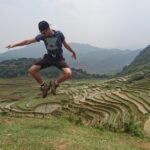
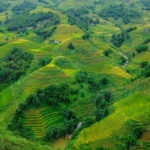
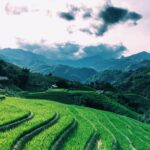
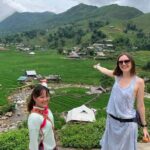
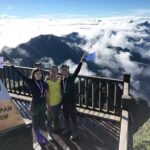
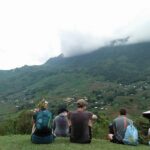
Sapa views can look like a map come alive. From the high road you get wide panoramas over Muong Hoa valley and Sapa town, then you head toward Hmong villages with terraced fields and small wood houses. It’s the kind of half-day trek that helps you understand how people live with the mountains, not just take photos of them.
What I like most is the panoramic viewpoints for the time you spend walking, plus the fact that you’re not wandering on your own once you’re out there. You get a local guide, lunch included, and enough structure to make the scenery and village stops actually make sense. The possible drawback: this is still a trek, and it asks for moderate physical fitness, plus good weather matters a lot for the mountain views.
In This Review
- Key highlights you’ll feel fast
- Getting Started in Sapa: Church Meeting Point, Timing, and What $35 Buys You
- Why This Trek Feels Different: High Views Plus Real Village Routine
- Hau Thao + Hang Da: Panoramas, Terraced Fields, and Hmong Houses
- Giang Ta Chai Village by the Muong Hoa River: Culture Notes That Make the Scenery Click
- The Walk Pace, Fitness Reality, and Why Weather Matters
- Small Group Size and a Guide Who Can Explain What You’re Seeing
- What’s Included vs. What You Should Budget For
- How to Get the Best Views Without Rushing Yourself
- Who Should Book This Trek (and Who Might Not Love It)
- Should You Book the Sapa Mountain View and Villages Trek?
- FAQ
- How long is the Sapa Mountain View and Villages Trek?
- Where does the tour start and end?
- What time does the tour begin?
- Is pickup available?
- What’s included in the $35 price?
- What’s not included?
- Do I need good fitness for this trek?
- What happens if the weather is poor?
- Is free cancellation available?
Key highlights you’ll feel fast
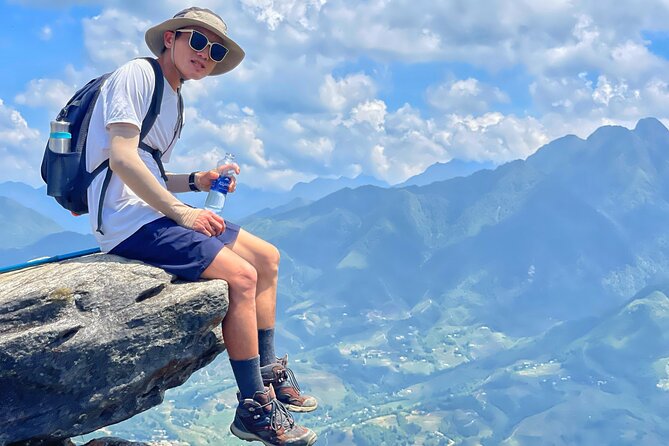
- Panoramic high-mountain outlooks over Muong Hoa valley and Sapa town
- Hau Thao + Hang Da village views with terraced fields and Hmong daily life
- Giang Ta Chai on the Muong Hoa river for an up-close look at another Hmong community
- Local guide-led context, not just photo stops
- Lunch + village entry fees included so you’re not nickel-and-diming your day
- Small group size (max 15) for a calmer pace and better guide attention
Getting Started in Sapa: Church Meeting Point, Timing, and What $35 Buys You
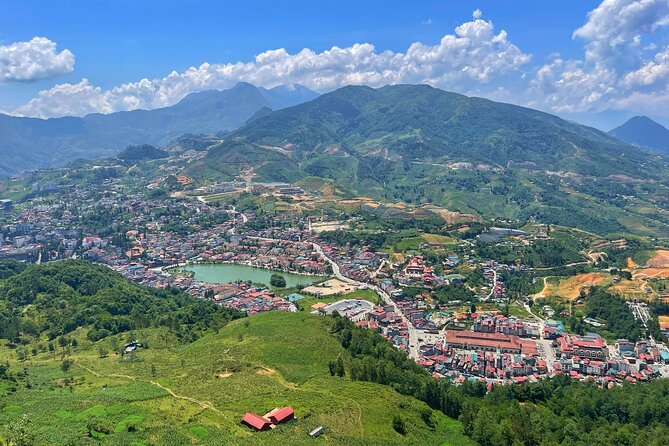
This tour starts at Sapa Church in the center of town (P. Hàm Rồng, Sa Pa). You’ll meet there at 9:00 am, and it ends back at the same meeting point. Pickup is offered, which is helpful if you’re staying a bit outside the core area or you don’t want to wrangle taxis before your hike.
At about 6 hours total, this is a “fit it into your day” trek. That matters in Sapa, where weather can change quickly and the mountains can swallow time fast. The tour also uses a mobile ticket, so you won’t be hunting for paper confirmations.
Now the value question: you pay around $35, and that price covers some key costs that add up on your own—village entry fees, lunch, village stops with a local guide, plus transport back to Sapa. You also get one small bottle of water. What’s not included is your personal travel insurance, extra drinks at restaurants, and tips for the guide and driver. For a guided mountain-village half day, this is the kind of pricing that keeps the experience accessible without turning it into a long, expensive production.
If you’re trying to stretch your budget in Northern Vietnam, you’ll appreciate what’s included. If you’re the type who likes freedom and wandering without a schedule, you might find the structure a little more “guided” than you’d prefer—but the schedule is light enough that you’re still outdoors for the views and walking.
You can also read our reviews of more tours and experiences in Sapa.
Why This Trek Feels Different: High Views Plus Real Village Routine
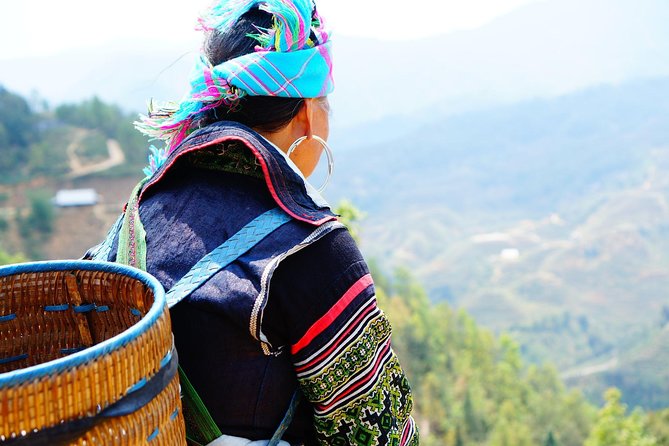
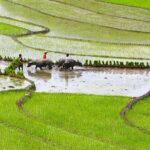
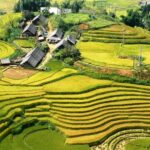
Sapa’s famous for misty photos. This trek leans into something more grounded: you look down at terraced fields—rice, corn, and the simple geometry of farming—then you move into villages where houses and daily routines are shaped by the terrain.
One of the most practical ideas behind this trek is that it helps you “read” the region. When you’re higher up, you can see how valleys collect fields, how paths connect villages, and why houses are built to fit the mountain conditions. The visit in this area explains why some homes are small and made of wood, and it’s not just a trivia moment—it’s the kind of detail that makes the whole place feel less like scenery and more like a living system.
You’ll also see differences between communities you pass through. The experience is designed to show how ethnic groups in the villages keep distinct traditions while sharing the same mountain geography. Even if you don’t speak the local languages, the routine is visible: everyday movement, home life, and the way fields and homes sit side-by-side.
Hau Thao + Hang Da: Panoramas, Terraced Fields, and Hmong Houses
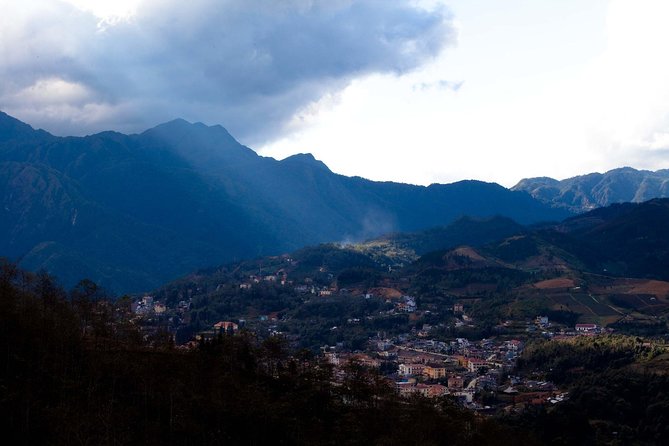
The first main stop is centered around Hau Thao and the area’s Hang Da village. The day flows in a way that works for first-time hikers: you start after lunch with village time and then you head downhill toward the Muong Hoa valley.
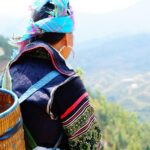
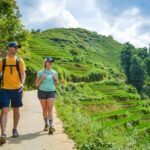
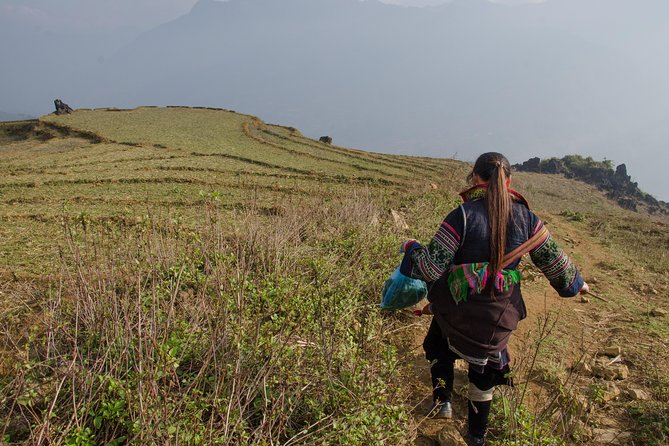
Here’s what makes this stretch worth your attention. From the downhill perspective, you’re not just looking at clouds—you’re looking at a layered valley. The guide-led viewpoint helps you spot villages and terraced fields spread across slopes. You also see everyday Hmong life and traditional houses along the way.
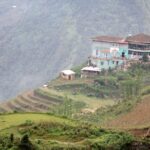
A detail I’d file under “small info, big effect”: the tour explains why the houses can be small and often made of wood. When you’re standing near them, the explanation turns into perspective. You can connect it to wind, the practical building choices people make, and how the mountains set limits and opportunities.
This stop is listed for about 1 hour. That sounds short, but it’s enough for two things:
- To get a viewpoint payoff without rushing
- To walk the village edges and see how daily life fits into the terrain
Potential drawback to keep in mind: downhill trekking can feel easier than uphill, but paths in mountain villages can still be uneven. Even if the official listing only asks for moderate fitness, you’ll want sturdy footwear and calm footing so you don’t feel stressed when the ground changes.
Giang Ta Chai Village by the Muong Hoa River: Culture Notes That Make the Scenery Click
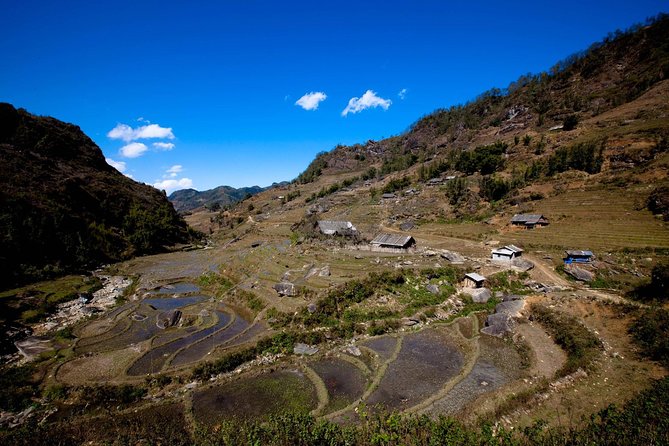
Next comes Giang Ta Chai Village, described as a small Hmong community on the Muong Hoa river. This is a nice change of pace from the valley-wide views earlier. Instead of only looking out, you shift toward being physically closer to the community and its setting.
This part of the experience is also where the guide’s talk time earns its keep. You’ll get information about:
- the topography (how the land shapes life)
- culture and village context
- and the establishment of Sapa tourist resorts
That last bit is especially useful. A lot of Sapa visitors see “tourist village” and then move on. Here, you get the background so you can understand why tourism took shape where it did—and what locals may have needed to adjust to make that work.
Giang Ta Chai is scheduled for about 1 hour, and then you head back to Sapa by car. For many people, that return ride is a relief—your legs have time to steady after downhill walking, and you can enjoy the day’s ending instead of forcing a second push.
In other words: the day is built to give you both types of mountain experience—wide views and close-up context—without turning into an all-day grind.
The Walk Pace, Fitness Reality, and Why Weather Matters
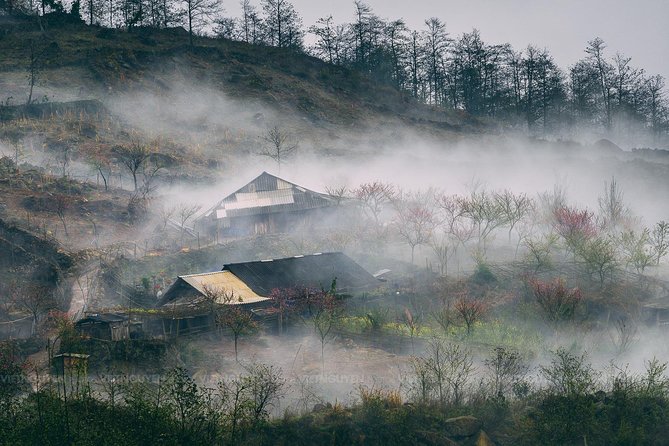
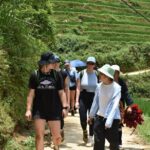
This trek asks for moderate physical fitness. That’s a fair label, but it’s worth translating into real-world expectations: you’re walking on mountain terrain with slopes that can change quickly. Even if the route is not described as a long multi-day hike, you should expect uneven ground and moments where your legs work.
One thing that stands out from the guide experience in the program: you can expect a pace that isn’t about speed. In at least one standout experience, the guide Gio was noted for being helpful and patient, including taking multiple breaks and speaking English well. That’s the kind of pacing that helps a mixed group enjoy the walk instead of turning it into a test.
Weather is the other key variable. The experience requires good weather, especially for those mountain panoramas. If weather conditions cancel the trek, you’ll be offered a different date or a full refund. In practice, that means you shouldn’t rely on this being your guaranteed view day no matter what. If Sapa is misty during your stay, keep this trek’s timing flexible when you can.
Practical advice: wear shoes with grip, bring a light rain layer, and don’t assume the forecast will behave perfectly in the mountains. The trek is short enough that you’re not stuck for hours in bad conditions, but weather still shapes the entire experience.
Small Group Size and a Guide Who Can Explain What You’re Seeing
This tour caps at 15 travelers, which is a big deal for a village-and-view itinerary. With a smaller group, it’s easier to keep an eye on everyone, stop where the views are best, and ask questions without shouting.
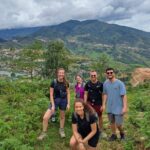
A good guide also changes how you remember the day. In the experiences tied to this program, a guide named Gio stood out for being patient with multiple breaks and for having solid English. That matters because a village trek can turn into “look, take photo, move on” if the guide can’t or won’t connect the dots. Here, the information is part of the value: the tour talks about how people live in the mountains and why their houses and fields look the way they do.
If you care about learning as much as you care about seeing, this kind of guided context is exactly what you want. You’ll spend less time guessing what you’re looking at, and more time noticing the details that make the place unique.
What’s Included vs. What You Should Budget For
To plan your day, think in two columns:
Included (so you can relax)
- Village entry fees
- 1 small bottle of water
- Local guide
- Lunch
- Transportation back to Sapa
Not included (so you should plan a little)
- Personal travel insurance
- Extra drinks at restaurants (you might want water beyond the one bottle)
- Tips for tour guide and driver
Lunch being included is a big one. When you’re doing a trek, hunger turns the whole experience sour fast. Having food covered makes it easier to keep energy up for the walking and the viewpoint time after.
Budget tip: since only a single small bottle of water is included, it’s smart to carry a bit more than you think you need, especially if you’re sensitive to heat or you’re taking longer breaks. Even when the mountains look cool, Sapa can still surprise you with sun between cloud layers.
How to Get the Best Views Without Rushing Yourself
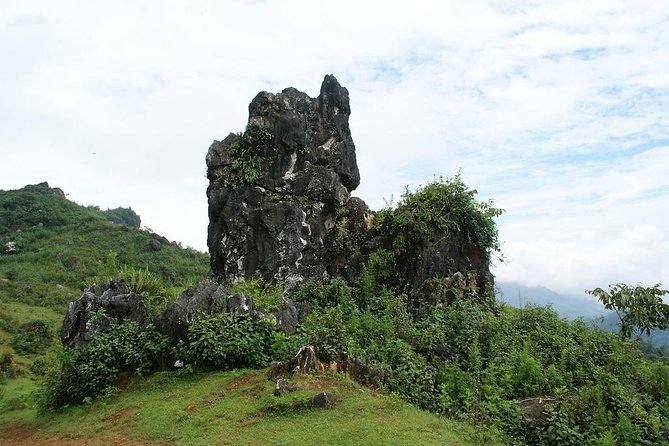
This trek’s timing and structure are designed for balance. You’re not meant to sprint from viewpoint to viewpoint. You’ll get time at the key stops and a ride back to Sapa when you’re done walking.
Here are the habits that usually lead to the best day on mountain village treks:
- Move at your own pace. If you need breaks, take them early rather than waiting until you feel drained.
- Pause for the valley. The terraced fields and village patterns are easier to understand when you stop, look, and let your eyes adjust.
- Ask questions at the village edges. That’s when explanations about houses, terrain, and daily routines make the most sense.
- Pack for quick changes in conditions. A light layer helps if you go from warm town streets into cooler mountain air.
Also, don’t underestimate how much your body will care about footing. A relaxed pace plus sure steps often equals better photos and a calmer mood than pushing through with tense legs.
Who Should Book This Trek (and Who Might Not Love It)
This tour is a strong fit if you:
- want a half-day option instead of committing to a full day of trekking
- care about Hmong village culture and want guided context, not just scenery
- enjoy mountain viewpoints and terraced-field panoramas
- prefer smaller groups (max 15) so the guide can actually help
- are traveling on a budget and want lunch and entry fees included
You might want to think twice if you:
- dislike any uphill/downhill walking and want only flat sightseeing
- are traveling with someone who needs very easy terrain (this listing only says moderate fitness, not full accessibility)
- are counting on perfect weather for your schedule no matter what (views depend on conditions)
If you’re newer to Sapa trekking, this is a good “first mountain experience” because it mixes viewpoint time with village visits and doesn’t demand a stamina marathon.
Should You Book the Sapa Mountain View and Villages Trek?
I’d book this trek if you want a short, well-structured way to see Sapa beyond the town streets—one that connects mountain views to village life. The standout advantages are the panoramic outlooks, the Hmong village stops that come with explanation, and the practical included items like lunch and transport back.
Skip it or choose another option if you’re looking for a purely relaxed cultural tour with zero walking. Also keep your plans flexible because the trek depends on good weather for the mountain views.
If you’re okay with moderate walking and you want value for your time in Sapa, this is the kind of guided half day that leaves you with more than photos. You’ll leave with a clearer sense of why the valley looks the way it does—and how the people living there make the mountains work.
FAQ
How long is the Sapa Mountain View and Villages Trek?
It lasts about 6 hours.
Where does the tour start and end?
It starts at Sapa Church and ends back at the same meeting point.
What time does the tour begin?
The start time is 9:00 am.
Is pickup available?
Pickup is offered.
What’s included in the $35 price?
Village entry fees, 1 small bottle of water, a local guide, lunch, and transportation back to Sapa.
What’s not included?
Personal travel insurance, extra drinks (like bottled water or beer) at restaurants, and tips for the tour guide and driver.
Do I need good fitness for this trek?
The tour requires moderate physical fitness.
What happens if the weather is poor?
This experience requires good weather. If it’s canceled due to poor weather, you’ll be offered a different date or a full refund.
Is free cancellation available?
Yes. You can cancel up to 24 hours in advance for a full refund.