REVIEW · SAPA
1 day Fansipan Trekking
Book on Viator →Operated by Sapa Original Trek · Bookable on Viator
Fansipan in one day tests your patience. This hard trek is interesting because it’s guided in English and kept practical with hotel pickup and entry fees included—so you hike without logistics stress. The catch: it’s steep, long, and not a casual stroll, so you’ll want solid hiking fitness from the start.
You’ll roll out early (the tour starts at 6:00 a.m.) after doing breakfast on your own. From Tram Ton Pass (about 2,000 m), you’ll climb roughly 1,600–1,700 m total elevation gain and cover about 12.5 km each way (7.75 miles), with a summit altitude of 3,143 m.
In This Review
- Key highlights
- Fansipan in One Day: Worth the Effort on Indochina’s Highest Peak
- Morning Logistics That Actually Help: 6:00 a.m., Pickup, and No Taxi Drama
- Tram Ton Pass to Lunch at 2,800 m: Bamboo, Forest, and the First Real Grind
- The Summit Push to 3,143 m: Why Pacing Makes the Difference
- Descent Options: Cable Car Down for Convenience (For Extra Cost)
- What You Actually Get for $80: Transfers, Guide, Water, Lunch, Fees, and Paperwork
- Guides, Names, and the Pacing Edge: Why This Matters on Fansipan
- Who Should Book (and Who Should Think Twice)
- Should You Book This 1-Day Fansipan Trek?
- FAQ
- What time does the trek start?
- How long does the 1-day Fansipan trekking take?
- Where does the hike begin?
- How far do I hike?
- What’s the total elevation gain?
- What’s included in the price?
- Is the lunch included?
- Are hotel transfers included?
- Is the cable car included?
- Is there free cancellation?
Key highlights
- English-speaking guide: pacing and safety help on a route that gets steep.
- Round-trip hotel transfers: no taxi hunting in the early morning dark.
- Tram Ton Pass start: you begin at altitude instead of easing in at sea level.
- Picnic lunch around 2,800 m: a real mid-hike break before the summit push.
- Water and fees included: 1.5 liters of water plus entrance fees, medal, and certificate.
- Descent choice: cable car back down is optional, but it costs extra.
Fansipan in One Day: Worth the Effort on Indochina’s Highest Peak
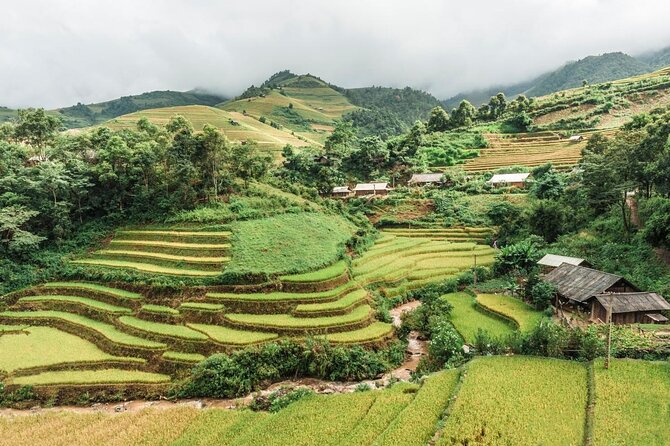
Fansipan is the highest peak in the Indochina peninsula, topping out at 3,143 m. In plain terms: the summit feels like a reward you earn with your legs, not something you casually see on the way to dinner.
What makes this trek especially satisfying is that you’re not just walking up a “view road.” You’re hiking through changing forest scenes—bamboo areas, older trees, patches that can show colorful flowers, and stream crossings along the way. Then the terrain tightens. The final stretch can feel like the mountain is trying to win the argument. That’s why an organized, guided climb matters here: someone knowledgeable about pacing and footing can turn a scary moment into just… another step.
The route is also long enough that “summit photos” aren’t the only payoff. You get views along the climb, and when conditions cooperate you can see over Sapa town from higher up. One important reality check: because this is a 10–13 hour day for most people, your energy management matters as much as your stamina.
You can also read our reviews of more tours and experiences in Sapa.
Morning Logistics That Actually Help: 6:00 a.m., Pickup, and No Taxi Drama
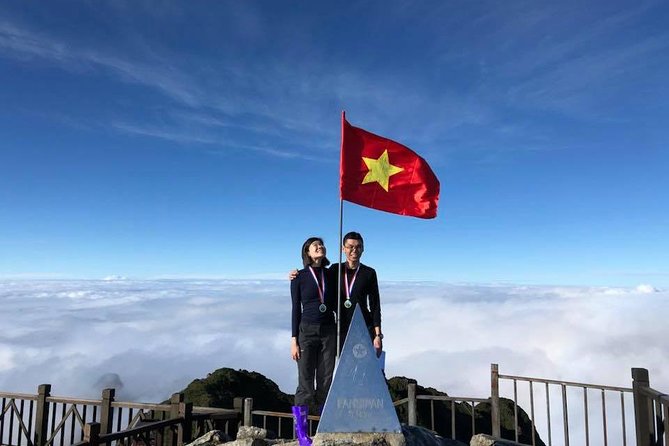
This trek is built around an early start. You meet for pickup around the 6:00 a.m. start time, and the organizer runs transport from your hotel so you don’t need to arrange taxis yourself. If you’re traveling solo, you may go by scooter; otherwise it’s a car. Either way, you’re getting to Tram Ton Pass at about 2,000 m where the hike begins.
You handle breakfast yourself in the morning. Then the day gets scheduled with hiking time in mind, not sightseeing time. That’s a good thing. Fansipan is hard enough that you don’t want the day to stretch because you were trying to figure out your first transport step.
One small but useful detail: you’re given a mobile ticket, so you’re not juggling printouts. And there’s insurance included with the tour package, which helps take the edge off a physically demanding day.
If you tend to wake up slowly when you’re traveling, this is one of those tours where you’ll want to plan your sleep the night before. Start time is non-negotiable, and the climb begins right away once you reach the pass.
Tram Ton Pass to Lunch at 2,800 m: Bamboo, Forest, and the First Real Grind
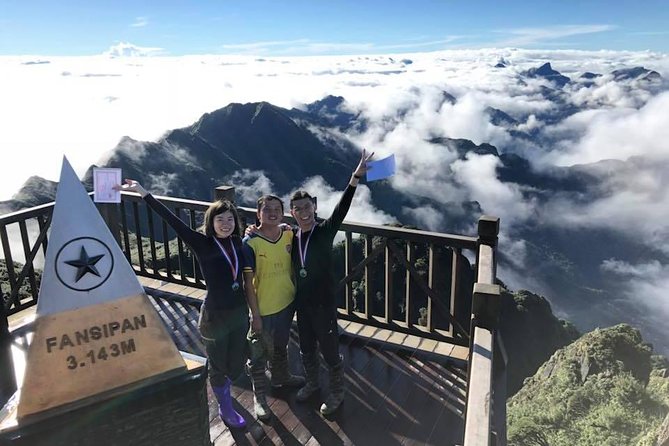
Your hiking day begins at Tram Ton Pass, about 2,000 m above sea level. That’s already a chunk of altitude, so don’t treat the first part like a warm-up walk. You’ll cover about 12 km (roughly 7.5 miles) from there to the lunch/camping area zone near 2,800 m, and the route gradually puts more demand on your lungs and legs.
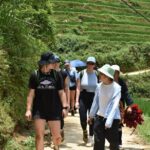
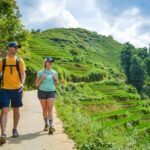
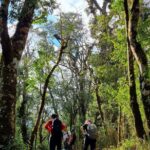
On the trail, expect a mix of forest walking and nature details that make the hours go faster: bamboo segments, older trees, colorful plants, and stream scenery. The pace is the difference between a trek you enjoy and a trek you endure.
Lunch is part of the plan. You’ll stop around the 2,800 m camping site for a picnic lunch. This matters more than it sounds. At altitude, your appetite and your energy can change, and a planned meal prevents the classic mistake: going too far before you refuel, then paying for it on the steepest parts.
You’ll also be under a guide’s control for the route and timing. That usually means fewer “where do we go?” moments and fewer slips when the trail surface looks muddy or wet. One recurring theme in the experience of different guides is careful attention to safe foot placement on slippery or muddy areas.
The Summit Push to 3,143 m: Why Pacing Makes the Difference
From the lunch stop, you climb onward to the summit area near 3,143 m. The full day is roughly 10–13 hours (and it can take longer if you’re moving slower or conditions are tough), so you’re not just racing upward. The goal is steady progress.
The climb includes a total elevation gain of about 1,600–1,700 m for the day, and that’s why people often feel the route most on the later section. Even when the earlier path feels manageable, the last third can turn suddenly steeper. It’s also where weather and cloud cover can change your experience fast—fog can hide long-range views, but it can also make the air feel cooler and harsher in a different way.
This is where the English-speaking guide really earns their place. You’re not just being “led.” You’re getting pacing help. Some guides are described as patient and calm, and some keep hikers at a speed that works for them—especially if you’re slower on inclines. That matters because if you sprint early, you’ll likely pay on the summit push.
If you’re prone to altitude effects, take that seriously. One traveler noted altitude sickness symptoms during the hike. That’s not a guarantee it’ll happen to you—but it is proof the mountain can affect people differently. If you’ve used altitude prevention strategies before on other trips, it’s smart to have a plan and keep yourself hydrated.
Descent Options: Cable Car Down for Convenience (For Extra Cost)
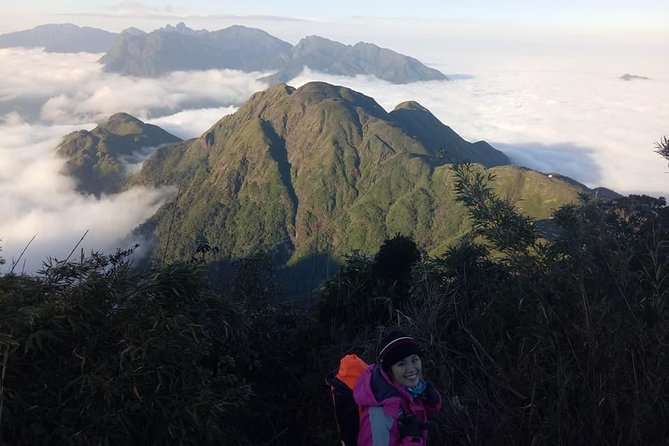
Reaching the top is only half the day. You also have to get back down.
You’ll have two descent options:
- Descend via the same route you used to get to the top.
- Take the cable car back down (for a fee).
The tour price includes the hike and the climb experience, plus entry fees, but cable car tickets are not included. So if you choose the cable car, bring extra budget for that day’s decision.
What’s the best choice? It depends on your body and the weather. If you still feel strong and you want the full hiking loop, hiking down can keep the day feeling complete. If your legs are heavy or the trail is slick, the cable car becomes a practical way to protect your knees and avoid a late-day slip.
One helpful piece of advice from someone who did the trek: consider skipping the cable car if you still have time and energy, and keep hiking all the way. But if you’re already thinking about saving your energy for the descent, that’s not a failure. It’s smart math.

What You Actually Get for $80: Transfers, Guide, Water, Lunch, Fees, and Paperwork
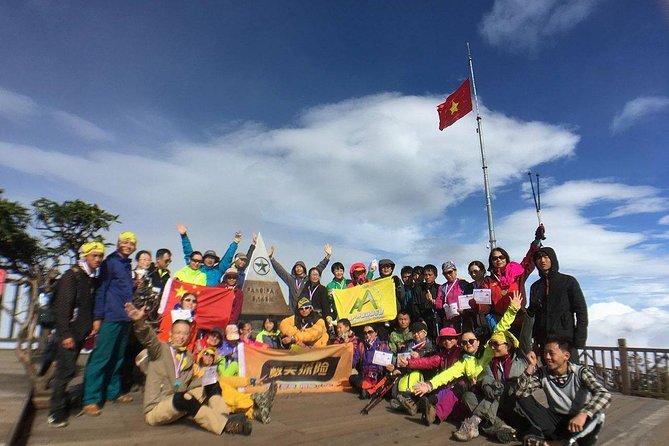
At $80 per person, the value is strong because the core hike logistics are bundled. Here’s what’s included:
- English-speaking guide
- Round-trip transport from your hotel to Tram Ton Pass and back
- Picnic lunch
- 1.5 liters of water
- Entrance fees included, plus a medal and certificate
- Insurance
- A private setup (only your group participates)
That “entrance fees included” detail matters on a hike like this. You’re not just paying for a person to walk with you. You’re also covering access costs and getting official extras like the medal and certificate.
A nice bonus that shows up in real-world experiences: some groups report getting raincoats to keep. That’s not listed in the standard inclusions, but it’s exactly the kind of travel detail that makes a muddy or wet trek less miserable.
And remember what’s not included:
- Tip for the guide
- Cable car tickets (if you choose it)
Also, group discounts and a mobile ticket are part of how the tour is sold. If you can share the hike with a few friends, it may reduce your total cost.
Guides, Names, and the Pacing Edge: Why This Matters on Fansipan
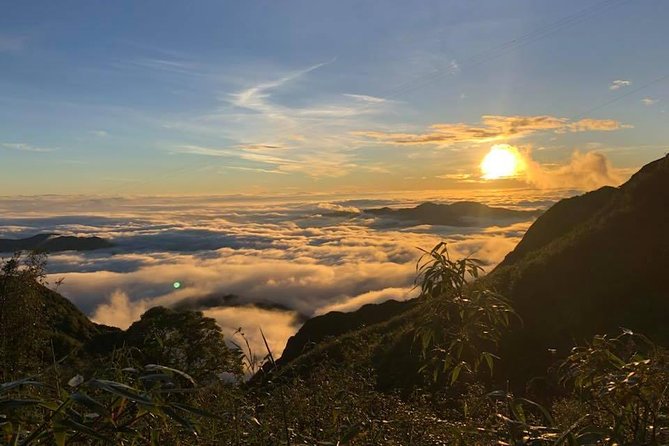
Fansipan is not just about fitness. It’s about decisions in the moment: where to step, when to rest, how hard to push, and how to keep the day on track.
Different guides come through, including names like Mr Tinh as the organizer and guides such as Mr Choo (sometimes spelled Cho) and Sinh. There are also examples of guides from local groups, like a female guide named Ser, plus Ms Ho in at least one case. You’ll likely feel the difference most in pacing and communication—especially if you’re not naturally comfortable on steep inclines.
The guides are repeatedly described as friendly and attentive, with calm help during a tiring climb. Some guides serve a traditional style lunch at the base camp area, and others include extra care like helping with timing and route confidence. In one instance, the organizer even offered help around an overnight bus—like a place to freshen up and a drop-off at the station—though that part may depend on timing and your schedule.
The practical takeaway: for a tough, long day, you want someone who can keep you moving safely without forcing a one-size-fits-all pace.
Who Should Book (and Who Should Think Twice)
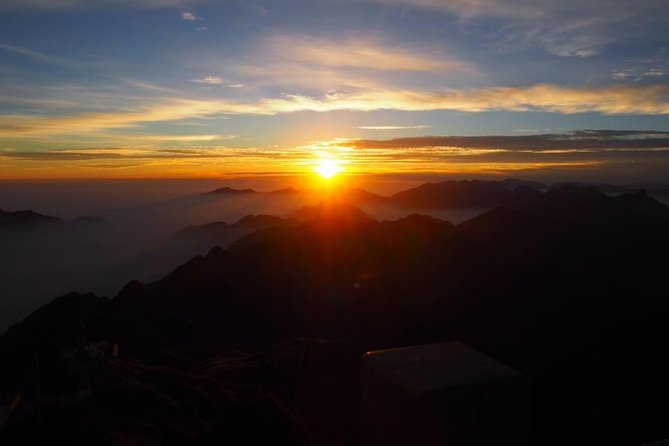
This is for people with strong physical fitness. The hike is tough and difficult, with a long duration and big elevation gain. If you can handle steep uphill walking for hours, you’ll likely feel the day is demanding but doable.
This trek can be a great fit if you:
- Want a serious goal day with a clear summit reward
- Prefer an English-speaking guide and private group setup
- Value included access fees, not just “someone to lead the way”
- Like having a planned lunch stop around 2,800 m
Consider skipping or choosing a lighter option if:
- You don’t have hiking experience with steep elevation
- You’re unsure how altitude affects you
- You want a short, low-stress day
Weather can also shift the vibe. One group reported cold conditions around 7°C. That’s not a guarantee of your temperature, but it does highlight that the summit day can feel chilly even when the trail still looks green lower down.
Should You Book This 1-Day Fansipan Trek?
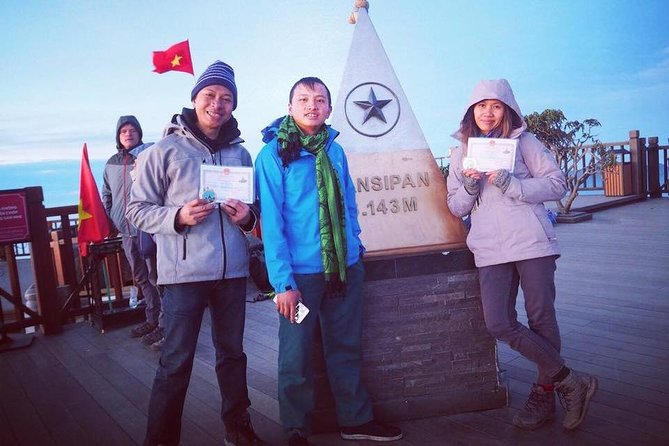
If your goal is one big achievement day in Sapa—and you’re ready for a steep, long hike—this tour is a solid choice. The best part is that you’re not forced to manage the messy parts of the day. You get hotel transfers, an English-speaking guide, water, a picnic lunch, and entry fees handled, along with insurance and a medal/certificate.
Book this if you want the summit experience with less planning overhead and more support on the trail. Pass if you’re looking for an easy nature walk, because the last stretch can get steep fast.
If you do book, have a simple game plan:
- Start the day rested since the trek begins at 6:00 a.m.
- Pace yourself for the later steep section.
- Budget for the cable car option if you might need it.
FAQ
What time does the trek start?
The activity starts at 6:00 a.m.
How long does the 1-day Fansipan trekking take?
It typically runs about 10 to 13 hours.
Where does the hike begin?
You start at Tram Ton pass, about 2,000 meters above sea level.
How far do I hike?
The trek covers roughly 12.5 km (about 7.75 miles) in each direction.
What’s the total elevation gain?
You’ll gain about 1,600 to 1,700 meters over the hike.
What’s included in the price?
The price includes an English-speaking guide, picnic lunch, 1.5 liters of water, transport by car (or scooter if 1 person), entrance fees (with medal and certificate), and insurance.
Is the lunch included?
Yes. You get a picnic lunch during the day.
Are hotel transfers included?
Yes. Round-trip hotel transfers are included, so you do not need to book a taxi.
Is the cable car included?
No. Cable car tickets are not included. You can descend by cable car for an added fee or hike down the same route.
Is there free cancellation?
Yes. You can cancel up to 24 hours in advance for a full refund.