REVIEW · SA PA
Sapa: 1-Day Trek to Mountain, Local Villages & Rice Terraces
Book on GetYourGuide →Operated by Sapa Odyssey Tour · Bookable on GetYourGuide
Sapa gets under your skin fast, and this short trek helps. You start in town, climb to Dragon Jaw Mountain at about 1,900m, and then get sweeping looks over Muong Hoa rice valley. It’s the kind of day where the effort feels worth it almost immediately.
What I like most is the mix of viewpoints plus real village time. You get a proper break with lunch in Hang Da village, then you keep walking to meet more communities and see how daily life works here. The second big win is the human side: an English-speaking guide (and sometimes extra local help) makes the stops feel understandable, not just photo stops.
One consideration: this route can be steep and slippery, especially after rain. Comfortable grip matters, and if you have heart issues, you should skip this trek.
In This Review
- Key Things You’ll Remember From This 6-Hour Sapa Trek
- Dragon Jaw Mountain: Your Quick Route to Big Sapa Views
- The Climb Rhythm: Corn Farms, Short Trails, and Sea-of-Clouds Luck
- Hang Da Village Lunch: Food Break Plus Culture Time
- Quick practical note for meals and village moments
- Bamboo Trails and Village Roads on the Way to More Homes
- Ban Bo Village Museum: When the Clothes and Customs Make Sense
- Price and Timing: What $24 Buys in Real Trek Time
- What to Pack and Wear for a Comfortable, Safer Trek
- Guide Quality: The Difference Between Hiking and Understanding
- Who This Trek Suits Best (And Who Should Skip It)
- Should You Book This 1-Day Sapa Trek?
- FAQ
- Where do I meet the guide for this Sapa trek?
- How long is the trek?
- What are the main stops during the day?
- Is lunch included?
- Do I get water during the tour?
- What about entrance fees?
- What should I bring for the hike?
- Is this tour suitable for everyone?
Key Things You’ll Remember From This 6-Hour Sapa Trek
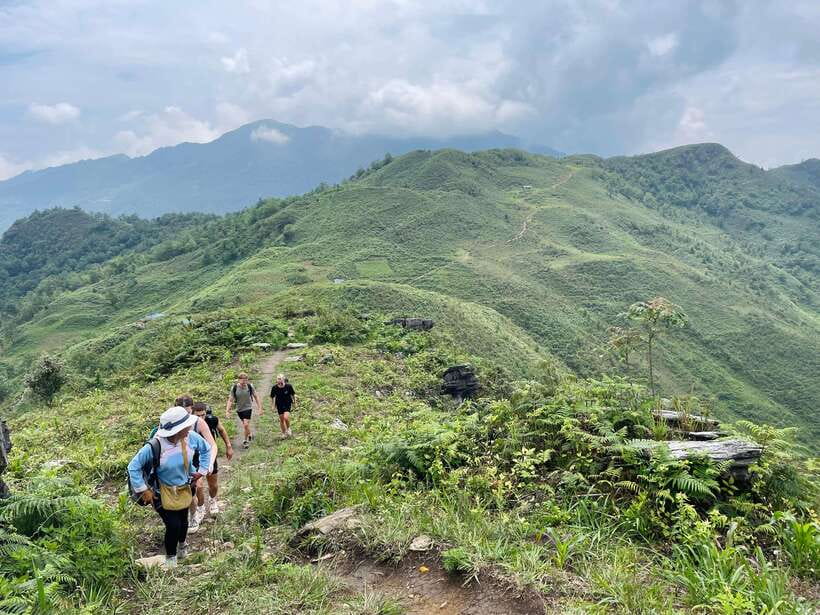
- Dragon Jaw Mountain (1900m): Sapa town and Muong Hoa rice valley views, plus possible sea-of-clouds moments
- Fansipan visibility: you can see the highest mountain in Indochina from Dragon Jaw
- Hang Da Black Hmong lunch: a real village meal stop around your trekking rhythm
- Animals and farms on the way: buffalo, cows, horses, and pigs you may spot during downhill stretches
- Ban Bo museum visit: a guided introduction to clothes, customs, and local culture
- Guides who adjust to your pace: some groups get route choices based on weather and your comfort level
Dragon Jaw Mountain: Your Quick Route to Big Sapa Views
Your day starts with pickup around Sapa Center at about 9:00am. If you don’t have a hotel pickup arranged, you can meet at Sapa Church, the main church in town. Either way, your guide gives a short briefing so you know what kind of walking to expect before you leave the center.
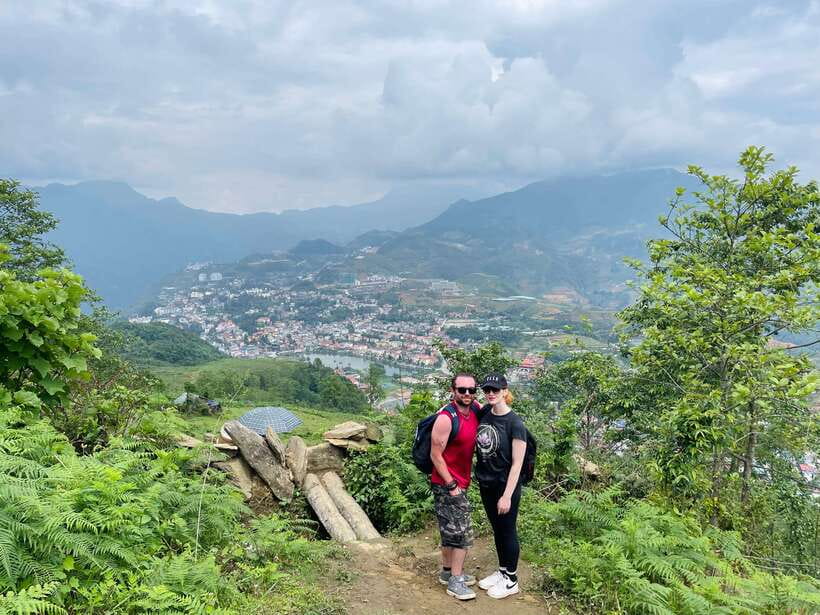
The trek itself begins with a hike up from Sapa on a small trail that goes through corn farm country. That first stretch matters because it sets your pace for the rest of the day. After roughly 1.5 hours of climbing, you reach Dragon Jaw Mountain at about 1,900m above sea level.
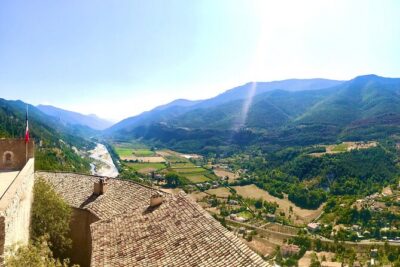
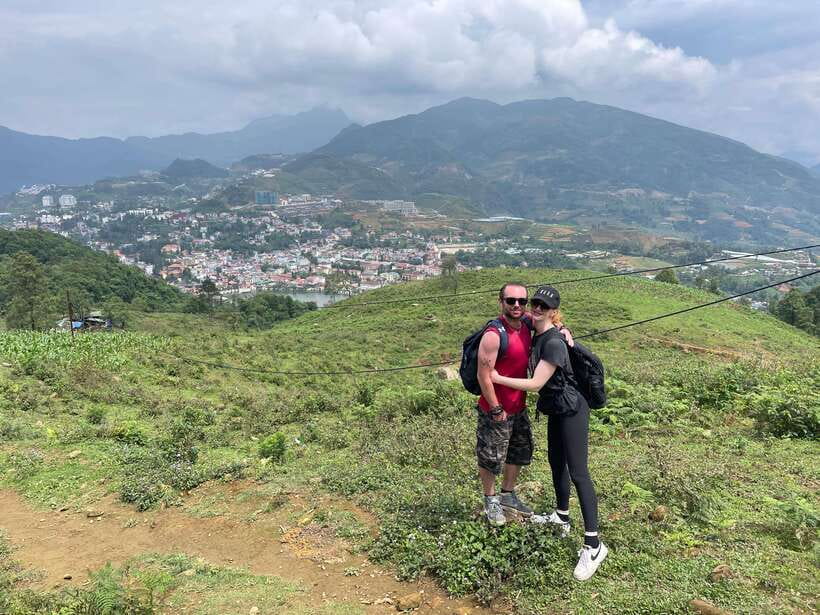
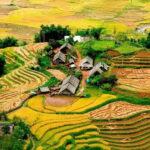
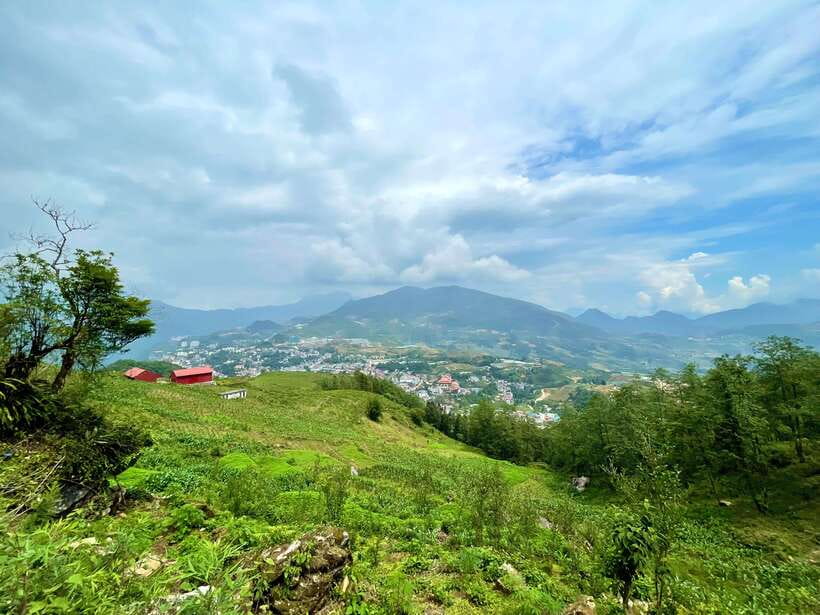
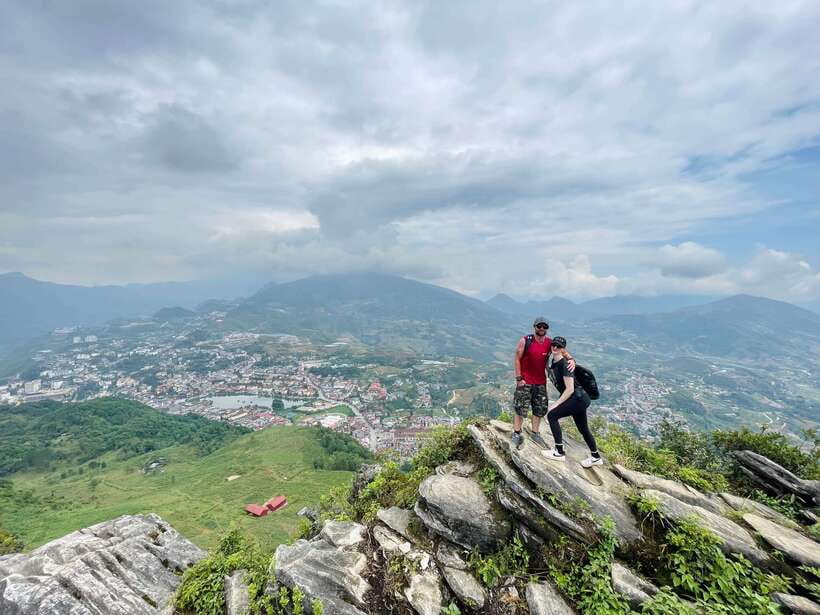
This is where the experience turns into a view day. From Dragon Jaw, you look down at Sapa town and across the Muong Hoa rice valley, one of the area’s most scenic settings. On a clear day, you might also catch the kind of weather effect that makes mountaintop trekking feel cinematic: a sea of clouds. And if you catch the sightline right, Fansipang (the highest mountain in Indochina) is visible from here.
You can also read our reviews of more tours and experiences in Sa Pa.
The Climb Rhythm: Corn Farms, Short Trails, and Sea-of-Clouds Luck
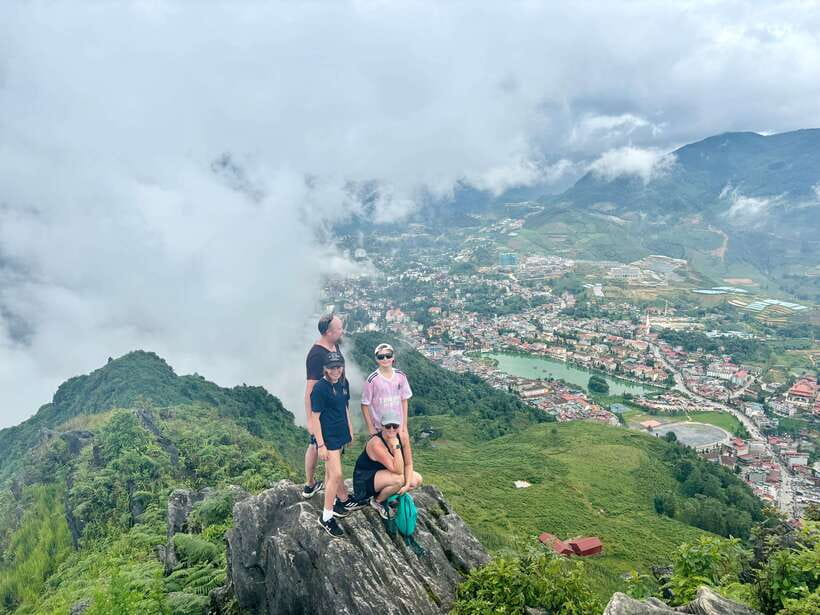
You’ll spend around three hours in the Dragon Jaw area, which is longer than some half-day viewpoints. That extra time is useful. It gives you a chance to pause, take photos, and soak in the view without feeling rushed back onto the trail.
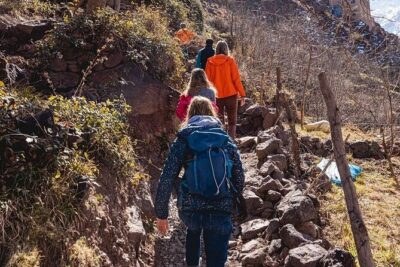
Expect a mix of paths rather than one long, straight hike. The route threads through small forests and hills with hidden high trails, so you’re not just staring at the valley the whole time. You’ll walk, then stop, then walk again, and that rhythm helps on a trek that’s only about 6 hours total.
Weather changes are a real part of the plan here, so pack for it. Warm layers are a must because high points can feel much cooler than Sapa center. If rain shows up, traction becomes the priority, since steep sections can turn slick. One practical tip from past experiences: ask your guide if they’re able to adjust the route to your comfort level when conditions change.
Hang Da Village Lunch: Food Break Plus Culture Time
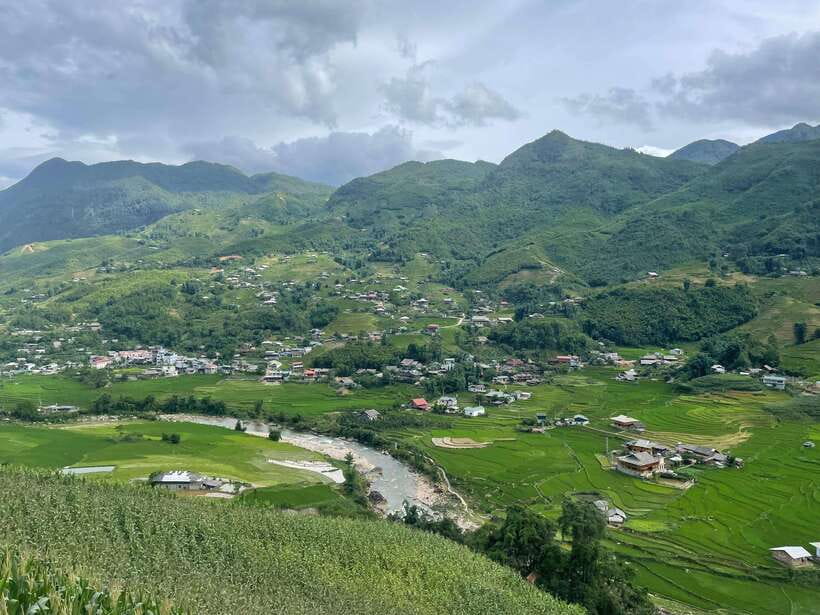
After photos and a short break at Dragon Jaw, you move on toward Hang Da village. The path continues along ridgeline-style trails, described as spine-like, and that gives you a different kind of scenery than the first climb. You’re walking with open valley views at intervals, but you’re also lowering elevation as you go.
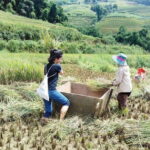
Hang Da is associated with the Black Hmong community. As you go downhill, you may spot animals—buffalo, cows, horses, and pigs—which makes the walk feel grounded in farm life instead of just scenery. You’ll also see traditional houses and get a window into everyday routines.
Then comes the best kind of lunch stop: not just a picnic, but a village meal break. You’ll have about one hour for lunch in Hang Da, with local dishes provided. If you have dietary restrictions, tell your guide ahead of time, because this is a set lunch as part of the tour.
This is also one of the moments where your guide’s storytelling matters. You’re walking into a community, not passing through a roadside attraction. If you get a guide like Nhu, groups have described her as engaging and fun while explaining what you’re seeing. If you’re the type who likes context with your photos, this is your chance to slow down and ask questions.
Quick practical note for meals and village moments
Be ready for small opportunities to interact with locals during the day. Some groups have had a Hmong lady follow along with extra pockets of info in the mountains. If you want crafts or you’d rather not buy anything, it helps to decide your comfort level early and let your guide know what you prefer.
Bamboo Trails and Village Roads on the Way to More Homes
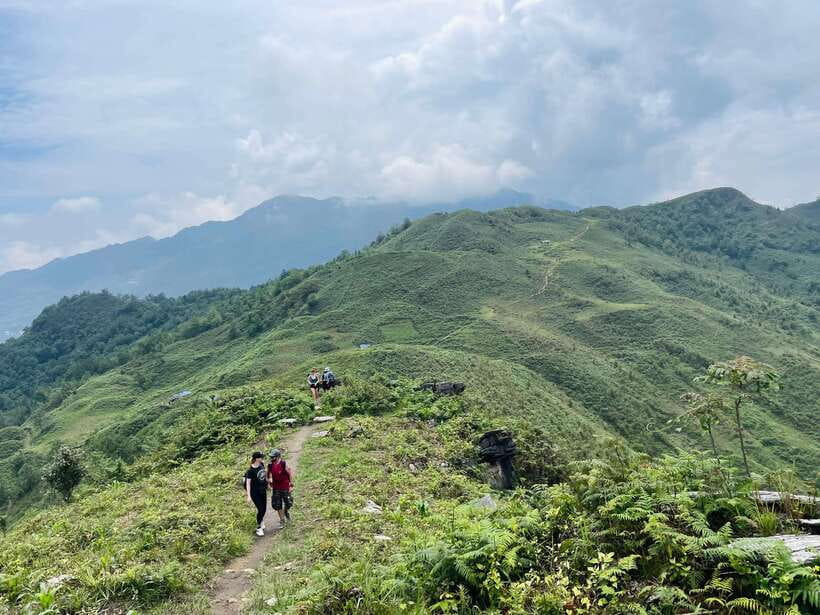
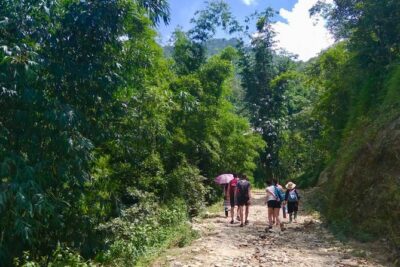
After lunch, the trek continues toward Hau Thao village and then toward the area stops listed as Giang Ta Chai before finishing at Ban Bo. The walking here leans into downhill paths: you’ll move on village roads, and there are short trail sections through small bamboo forest.
Hau Thao is a photo-and-walk stop with time built in. You’ll spend about 45 minutes here, including guided visit and sightseeing. This kind of stop is where you learn the scale of village life. You see houses scattered around the valley and how daily movement links fields, homes, and paths.
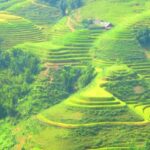
Giang Ta Chai is shorter at about 30 minutes, more of a viewpoint and culture glance than a long sit-down moment. It’s still worth it because the terrain keeps changing, so you get different angles on the valley and terraced areas from above.
If you want to get the most out of these segments, keep your camera handy but don’t leave your eyes glued to it. The terraces and scattered homes make for great photos, yet the human details—what people are doing, where paths lead, how houses relate to fields—tell the fuller story.
Ban Bo Village Museum: When the Clothes and Customs Make Sense
The final major cultural stop is at Ban Bo village, where you visit a museum. The guide explains local traditional clothes, culture, and customs, and it’s one of the best ways to make earlier village encounters feel more meaningful.
Museum time can feel optional on some treks, but in this case it helps you connect the dots. Earlier you saw houses and daily life in Hang Da. Earlier you saw the way communities sit within valley terrain. The museum gives you a chance to understand the meaning behind what you noticed.
Your visit to Ban Bo comes right at the end of the one-day program. After that, you return by car back to Sapa town or your accommodation.
Price and Timing: What $24 Buys in Real Trek Time
This tour runs about 6 hours, and it’s priced at $24 per person. That price typically feels fair here because you’re getting more than a hike. You get a guide, lunch, water, and entrance fees, plus transport back to Sapa town.
Here’s what’s included:
- Bottle water
- Professional English-speaking guide
- Lunch (local dishes in Hang Da)
- Entrance fees
- Transport back to Sapa town or your accommodation
What’s not included is basic personal spending and personal travel insurance. You’ll still want to budget for snacks, drinks beyond the bottle provided, and any small purchases from locals if you choose to.
Timing matters, too. The plan isn’t jammed to the minute, but it’s tight enough that you get a full arc: climb to views, village lunch, more walking through communities, and a closing museum. For many people, that’s the sweet spot in Sapa: enough time to feel away from the road, not so much that the whole day becomes a stamina contest.
What to Pack and Wear for a Comfortable, Safer Trek
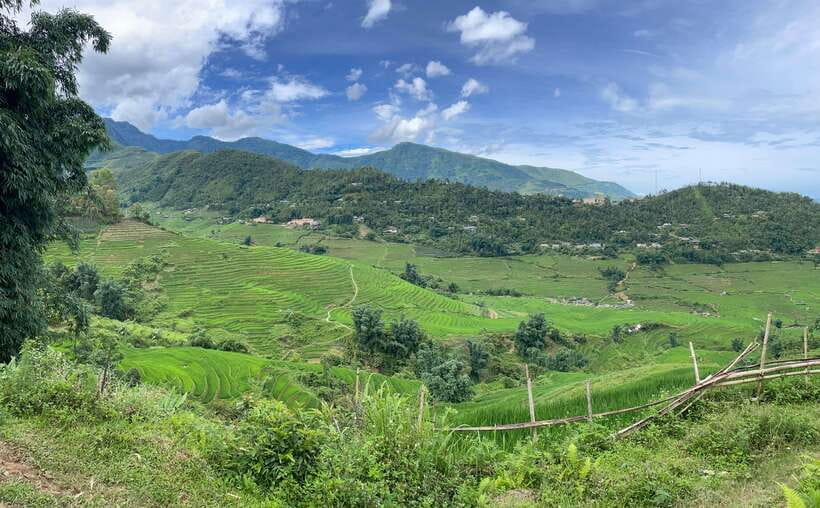
This is a moderate-to-challenging trek, and the right gear keeps it fun. The essentials are simple:
- Comfortable shoes with real grip
- Warm clothing (weather shifts fast at altitude)
- Camera if you want to capture Dragon Jaw and the valley angles
- Hiking shoes if you have them
One common issue is footing on steep, slippery slopes, especially after rain. If you’re choosing between sneakers and proper hiking shoes, pick the shoe that grips better on wet surfaces. That advice shows up again and again from people who did this route in tougher conditions.
Also, keep in mind that this trek is not suitable for wheelchair users, and it’s not recommended if you have heart problems. If you’re unsure about your limits, talk to your guide at the start. Some guides check your preference for easier or more difficult paths when conditions are changing.
Guide Quality: The Difference Between Hiking and Understanding
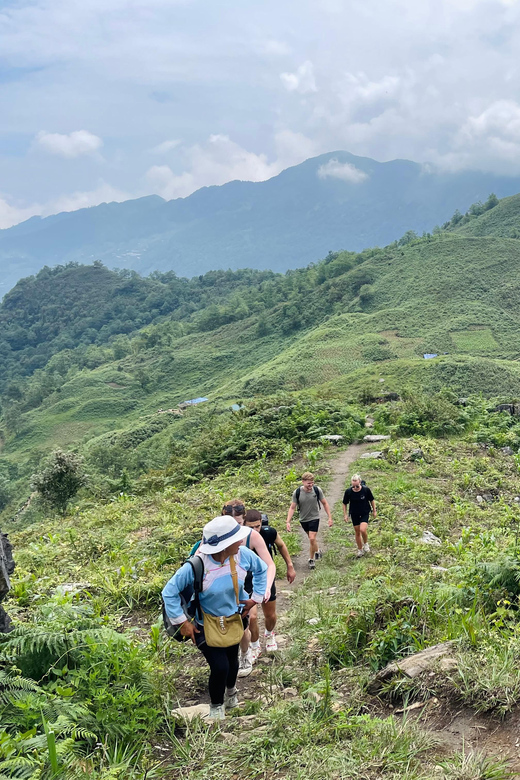
The big value in this experience is the guide’s ability to connect the walk to culture. This trek is short, so every explanation you get matters.
Past groups have mentioned guides like Tung Jacob and Keyni for their ability to match effort levels to the day’s conditions. With rain, Tung Jacob reportedly asked about the trekking difficulty and then led a more difficult route based on the group’s choice. Keyni was described as patient and encouraging on a challenging course.
One more thing: guide English levels can vary. In at least one account, English conversation was considered understandable but not the most detailed, with most explanations coming through prompts. If you want deeper cultural storytelling, arrive with questions you care about, like how terraced farming works or what certain clothes mean.
Who This Trek Suits Best (And Who Should Skip It)
This trek is a good fit if you want a full Sapa experience in a single day. You’ll like it if you enjoy:
- Scenic hilltop viewpoints like Dragon Jaw
- A realistic village visit rhythm (not just a quick stop)
- Moderate hiking with some steep sections
- Local food and cultural context
You should skip it if:
- You have heart problems
- You need wheelchair access
- You’re not comfortable with steep, possibly slick trails
If you’re an active traveler with decent hiking shoes, this is a very workable day. And if you can handle changing weather, you’ll be rewarded with the best views when conditions cooperate.
Should You Book This 1-Day Sapa Trek?
I’d book it if you want the most value from your time in Sapa. For the price, the mix of Dragon Jaw views, the chance to see Fansipang, a Hang Da village lunch, and a Ban Bo museum stop hits a lot of the highlights without eating your whole day.
I wouldn’t book it if you hate steep, uneven terrain or if you’re worried about traction. For best results, come prepared: warm layers, grippy shoes, and a camera you’re willing to use only after you’ve actually looked up.
If you’re curious about culture and not just scenery, this is one of the stronger one-day options because the day includes both village time and a museum explanation at the end.
FAQ
Where do I meet the guide for this Sapa trek?
You can either be picked up at your hotel around Sapa Center (around 9:00am) or meet at Sapa Church in the center of Sapa.
How long is the trek?
The tour lasts about 6 hours.
What are the main stops during the day?
You’ll visit Dragon Jaw Mountain, have lunch in Hang Da village, stop at Hau Thao village and Giang Ta Chai, then visit the Ban Bo village museum before returning to Sapa.
Is lunch included?
Yes. Lunch is included, served during the Hang Da village stop.
Do I get water during the tour?
Yes. A bottle of water is included.
What about entrance fees?
Entrance fees are included.
What should I bring for the hike?
Bring comfortable shoes (or hiking shoes), warm clothing, and a camera. The weather can change, so warm layers help.
Is this tour suitable for everyone?
It is not suitable for people with heart problems or for wheelchair users. The trek is described as moderate to challenging.