REVIEW · SA PA
Fansipan Trekking – 1 Day
Book on GetYourGuide →Operated by Sapa Original Trek Company Limited · Bookable on GetYourGuide
Fansipan Trekking is a tough climb with real payoff, especially for Sapa view-chasers. I like the English-speaking guide and how smoothly the team handles pickup and drop-off, and you get a pic-nic lunch and water planned into the day. The one big catch is the effort: you’re looking at a steep, long hike (about 24 km round-trip, 10 to 12 hours total), so it’s not a casual walk.
You’ll start around Tram Ton pass at roughly 2000 m, push through forest trails, eat lunch near 2800 m, and aim for the summit at 3143 m. The weather can swing fast, but that also means you might catch clear mountain views—or misty drama—depending on the day.
In This Review
- Key things I’d plan around
- Fansipan in a single day: what the climb asks of you
- Tram Ton pass pickup and the forest trail rhythm
- Lunch at altitude around 2800 m: fuel without slowing the day
- Timing the summit at 3143 m and finding the views
- Getting down smart: full trek vs cable car finish
- Guide quality in practice: English, pace, and local context
- Price and value: what $77 covers (and what you must add)
- Weather and gear: stay warm, dry, and steady
- Who should (and shouldn’t) do this one-day trek
- Booking readiness: permits and details you’ll need to share
- Should you book Fansipan Trekking – 1 Day?
- FAQ
- What time does the trek usually start?
- How long is the trekking time?
- How far is the route?
- How high do you reach?
- Is the guide English-speaking?
- What food and drinks are included?
- Can I take the cable car down?
- Where does pickup happen in Sapa?
- What should I bring for the weather?
- Who is this trek not suitable for?
Key things I’d plan around
- English guide support: You’re not stuck guessing on trails or timing.
- Route built for one-day success: Long enough to feel like a real trek, structured enough to finish the day.
- Lunch at altitude: Picnic lunch on the way helps you keep pace without losing the day.
- Summit timing matters: Expect to reach the top around noon to early afternoon depending on speed.
- Cable car as an option: You can go down by cable car (ticket paid by you) if you need an easier finish.
Fansipan in a single day: what the climb asks of you
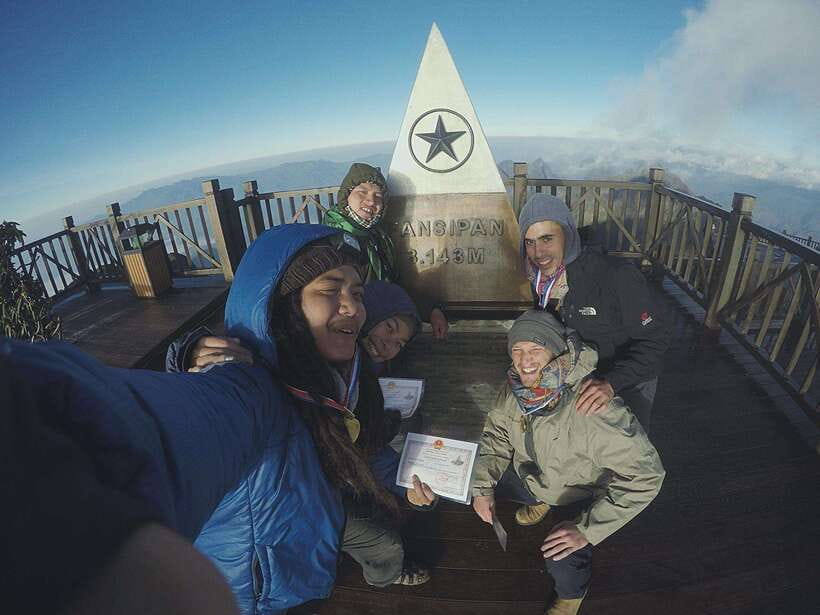
This is a serious “strong legs” day in Sapa. You’ll hike roughly 12 km each way, totaling about 24 km round-trip with an elevation gain in the range of roughly 1400 to 1600 m, plus time for lunch and breaks. The total day usually lands around 10 to 12 hours of trekking, and your return to Sapa is typically late afternoon.
If you’re the type who likes mountains but hates chaos, you’ll probably appreciate how the trip is managed. You’re given a clear start point (Tram Ton pass), a planned lunch break, and a practical return time so you’re not hiking in the dark. The route also runs through forest terrain with bamboo and old trees, plus streams and colorful flowers along the way when conditions are right.
The main thing to respect is stamina. Even if you’re fit, you’ll want to pace yourself early so the summit push doesn’t turn into a survival crawl.
You can also read our reviews of more tours and experiences in Sa Pa.
Tram Ton pass pickup and the forest trail rhythm
You’ll be collected in the early morning from hotels in the center of Sapa (not village homestays). Typical pickup time is about 5:30 to 6:00 AM, because the goal is to start hiking while the light and conditions are favorable. If you’re traveling solo, you may use a scooter for transport to the trailhead.
The trek begins at Tram Ton pass at around 2000 m. From there, you move through bamboo and old-growth style forest areas, with streams and flowering patches that can make the first hours feel less like “just a climb” and more like a guided nature walk that happens to be uphill. You’ll also cross a mix of trail surfaces, so sturdy shoes matter more than fashion.
Practical tip: go slow for the first stretch. On a day like this, your pace at the beginning is often what determines whether you feel good at the summit or arrive wiped out.
Lunch at altitude around 2800 m: fuel without slowing the day
Lunch is built into the route, served as a picnic carried by your guide. The food list is pretty straightforward: bread, fried chicken and eggs, tomato and cucumber, two types of fresh fruit, and small Vietnamese snacks. If you have dietary needs, you should tell the operator ahead of time so they can adjust.
Lunch happens around the 2800 m area (a camping-site style spot). That’s not just scenic lunch theater—it’s also a way to break the day into chunks. Taking a real pause here helps you keep energy steady for the final push to the top.
If you’re someone who tends to snack but never really eats, treat lunch as your anchor meal. Eat, drink, and then reset your pace for the last part of the climb.
Timing the summit at 3143 m and finding the views
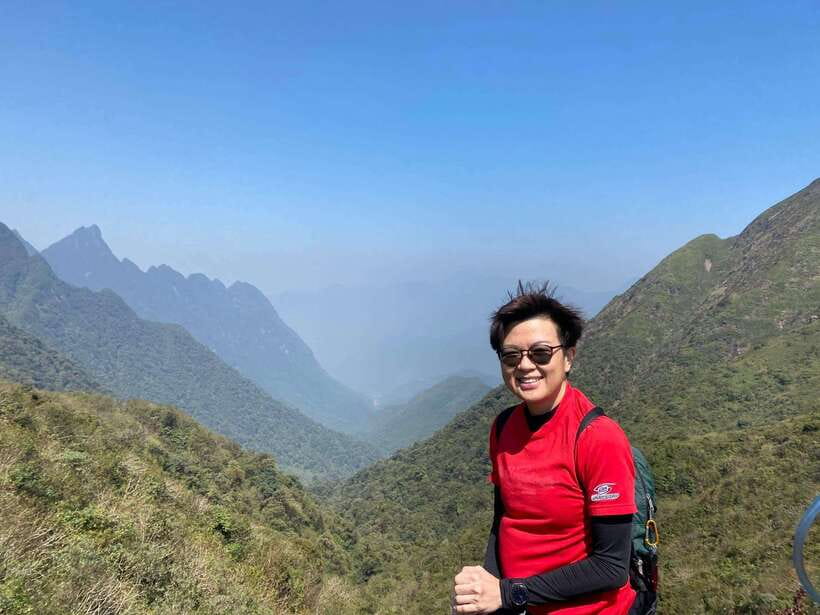
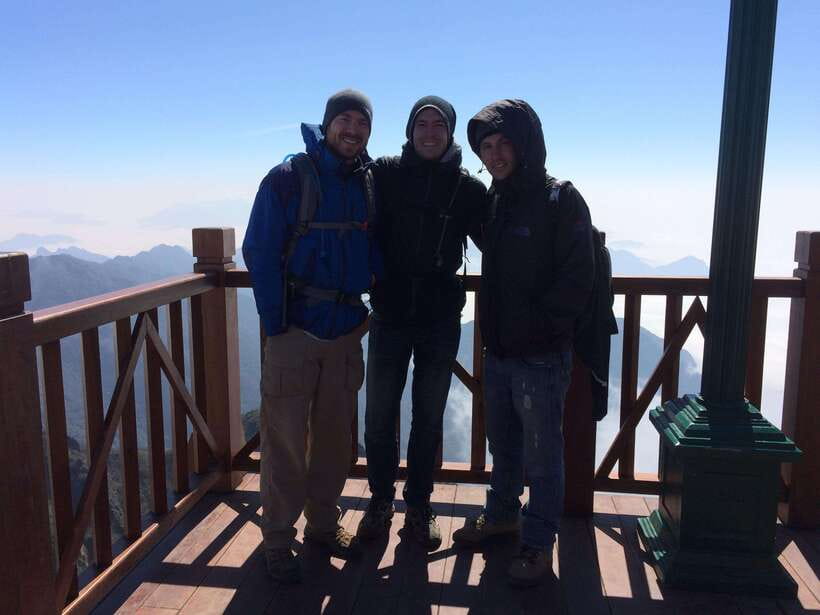
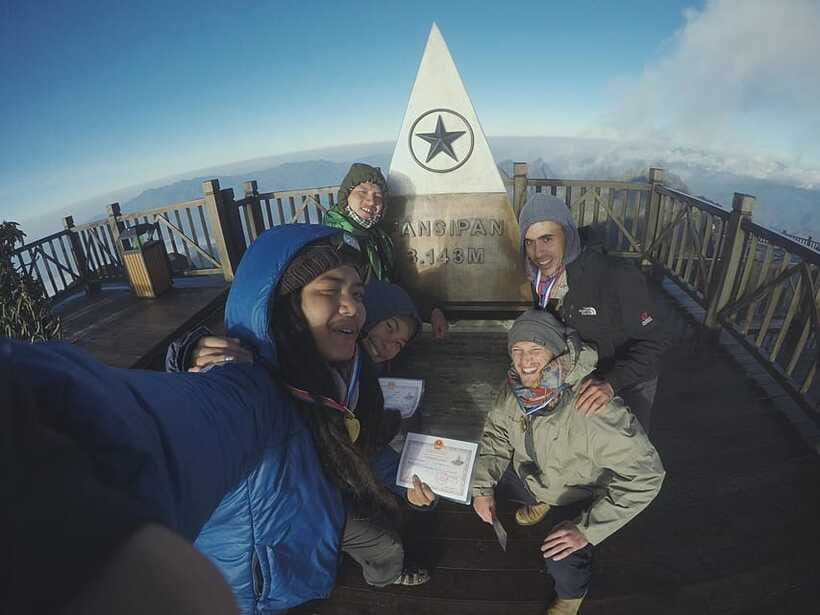
The Fansipan summit reaches 3143 m, the highest point on Vietnam’s side in the Indochina region. Your arrival at the top is typically around 12:00 to 13:00, depending on your speed and how long you spend taking photos and resting.
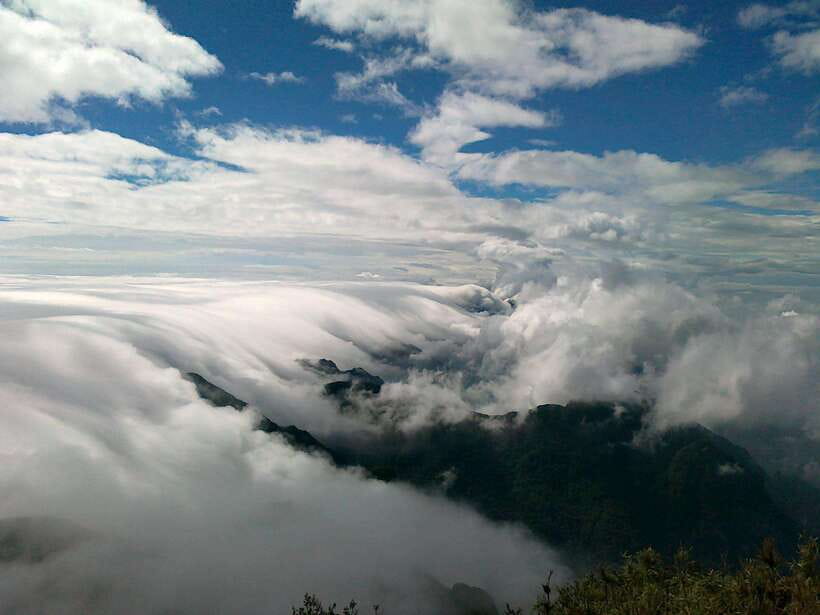
At the summit, you can expect views that include Sapa town and the mountain areas stretching toward China. Even if the weather isn’t perfect, mist can still create dramatic visibility gaps where the valleys open and close like curtains. This is one reason people like doing Fansipan as a one-day trek: the sky and timing can change your photos from “nice” to “wow.”
If you’re aiming for photos, wear a plan: keep your hands warm, use your headlamp if you’re early (especially on cold mornings), and don’t burn time at the summit if the goal is to reach the return before dark.
Getting down smart: full trek vs cable car finish
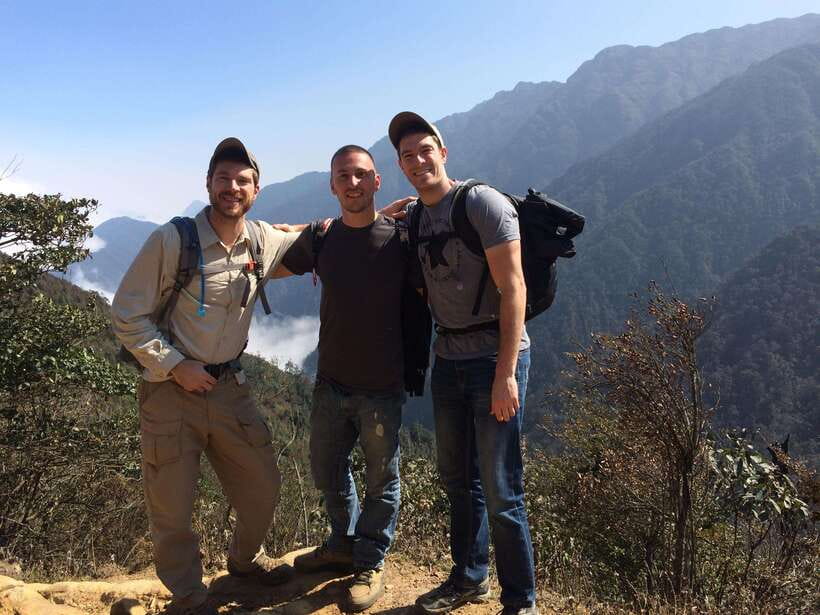
Once you reach the summit, the day turns into the descent game. You’ll begin hiking down toward Tram Ton pass, and the end time usually lands around 17:00 to 18:00 if you trek back the same way.
You also have a choice: you can take the cable car on your return. If you choose the cable car down, the timing is faster, with returns around 14:00 to 15:00 depending on your pace and how long you linger at the top. The cable car ticket is paid by you, so budget for it separately.
For most people, the easiest decision comes down to legs and weather. If you’re cold, soaked, or your footing feels sketchy, cutting the descent can save you from fatigue-driven mistakes.
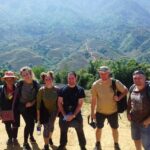
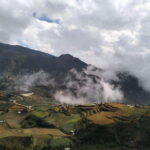
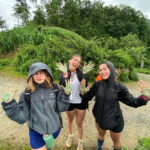
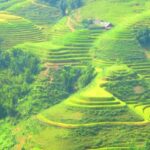
Guide quality in practice: English, pace, and local context
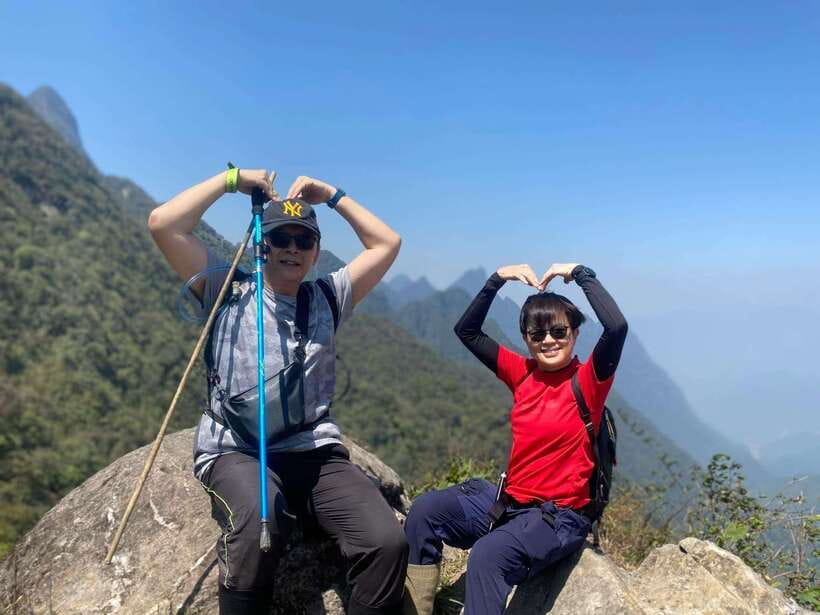
Your day is led by a professional guide who speaks very good English. That matters here because the hike isn’t just about movement; it’s also about staying safe, keeping pace, and understanding what you’re walking through.
In real-world terms, good guidance means you don’t get left behind in the transition moments—especially when the group spreads out on steeper sections. One guide experience included an enthusiastic leader (Mr Cho) who stayed polite and attentive, pacing the group so no one felt abandoned. Another team member described as Mr Tinh came across as professional from the first moment.
You may also meet guides from local communities, and they often share personal context about the forest and life. In one case, the guide gave a short background story at the start, and it turned the early trail walk into more than scenery. That’s the kind of detail that makes a hard day feel meaningful instead of mechanical.
Price and value: what $77 covers (and what you must add)
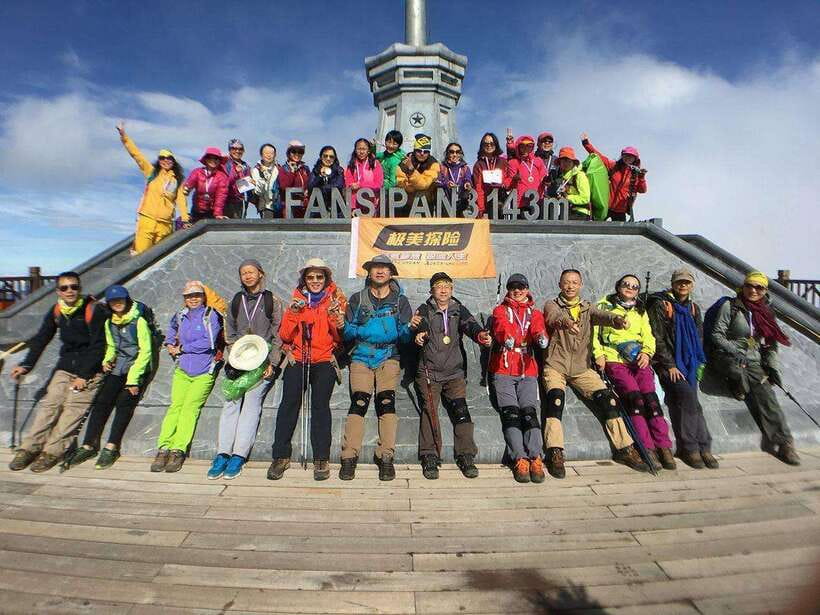
At about $77 per person, this one-day trek is priced like an organized mountain day rather than a DIY hike. The cost includes a lot of the stuff that usually adds stress: an English-speaking guide, a picnic lunch, 1.5 liters of water per person, transport from central Sapa hotels (or scooter transport if solo), entrance fee for Fansipan (including a medal and certificate), and insurance.
This is also a private group experience, which typically means less waiting around and better control of pace compared with large group treks.
Two things you should plan for beyond what’s included:
- If you want the cable car, you pay the ticket yourself.
- You’ll also want spending money for personal items (snacks, warm drinks, extra comfort gear), since the provided picnic isn’t a restaurant-style menu.
On value, I’d say this price makes sense if you want structure and language help more than you want to “figure it out.” If you’re the confident DIY type with cold-weather gear and navigation experience, you might spend less on your own—but you’ll also give up the planning support that keeps the day smooth.
Weather and gear: stay warm, dry, and steady
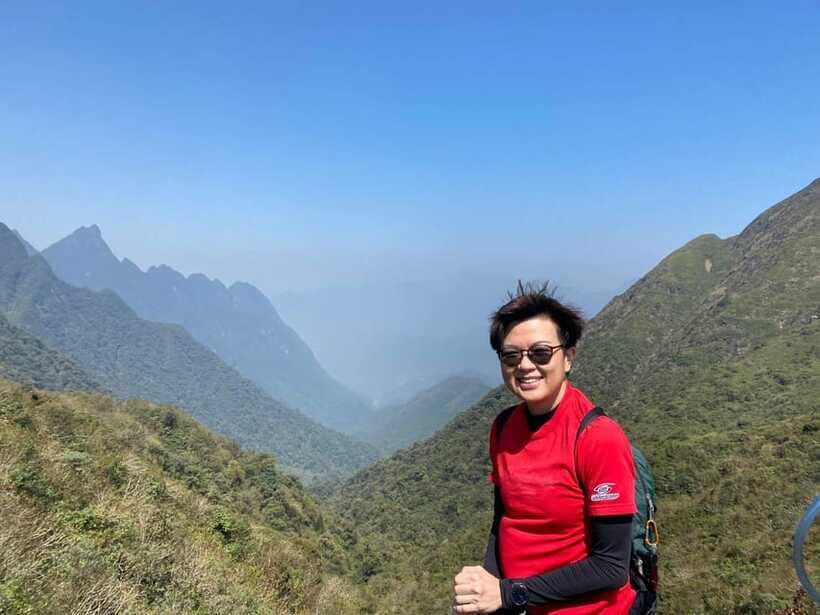
Fansipan changes moods quickly. The temperature swing depends on season, so don’t pack based on Sapa town alone.
From November to April, conditions are described as winter: cold, often sunny, and sometimes misty or rainy but usually not heavy rain. Expect roughly -2 to 12°C during that period.
From May to October, it’s still cold at the top—about 5 to 15°C—with the possibility of heavier rain and mist. Even when rain happens, it’s described as not dangerous for the trek.
What you should bring is very clear, and I agree with it:
- Warm clothing (layers beat one bulky coat)
- Hat
- Hiking shoes / trekking shoes
- Rain gear (you’re dealing with mist and possible rain)
- Gloves
- Long pants
- Sunscreen (even in cold weather)
- Head-light (for early or late light moments)
- Toilet paper
- Waterproof bag
- Cash
- A water bottle strategy, since you’re given 1.5 liters but you’ll still want to manage what you drink
A nice extra detail: your guide suggests you can use a trekking stick, and you might find a bamboo stick in the jungle. Don’t rely on finding one, but it’s a helpful backup idea for stability.
Finally, bring a plan for cold hands. A lot of people pack for the climb but underestimate how long they’ll stand still—especially for summit photos.
Who should (and shouldn’t) do this one-day trek
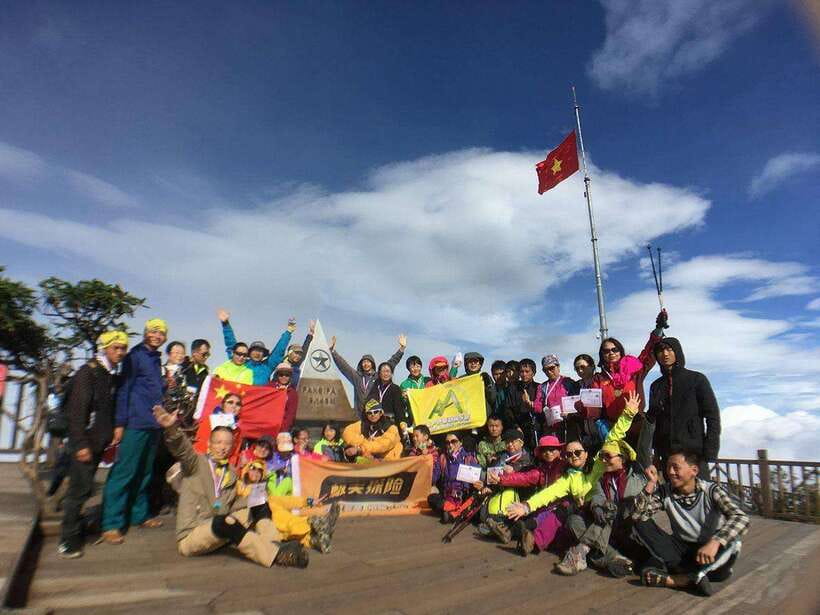
This trek is best for people who can handle a long uphill day and don’t mind cold air at altitude. If you’re comfortable hiking for hours, and you have a basic level of fitness, you’ll likely find it achievable—hard, yes, but doable with the right pace.
It’s not suitable for:
- children under 14
- pregnant women
- people over 70
If you’re unsure, the rule of thumb is simple: if you’re unsure about 10 to 12 hours of active hiking with altitude, you’ll enjoy the experience more with a gentler option.
Booking readiness: permits and details you’ll need to share
One thing that’s easy to forget until the last minute is the permit registration. The operator needs your information for permits for all members, including:
- your name
- date of birth
- gender
- passport number
- nationality
This is why you should book with enough time to provide details promptly. It also means your paperwork is part of the “prep work,” even though you’ll be focused on shoes and layers.
Should you book Fansipan Trekking – 1 Day?
Book it if you want a well-run, English-friendly way to tackle Vietnam’s highest peak in one push from Sapa. The included guide quality, transport from central hotels, picnic lunch, entrance fees, and insurance make this feel like a planned mountain day rather than a risky DIY adventure.
Skip it if you want an easy hike, you hate cold weather surprises, or you’re not comfortable with long uphill walking and a full-day return schedule. This is for people who respect the mountain and pace themselves.
If you do book, I’d focus on three things: pack for real cold, start slower than you think you need, and decide early whether you want the cable car option for the descent.
FAQ
What time does the trek usually start?
Pickup from central Sapa hotels is typically around 5:30 to 6:00 AM, then you head to Tram Ton pass (around 2000 m) to start the hike.
How long is the trekking time?
Plan on about 10 to 12 hours of trekking total, with the full day stretching longer due to transport, breaks, and lunch. You generally return to Sapa around 17:00 to 18:00 if trekking down, or earlier if using the cable car.
How far is the route?
It’s about 12 km each way, so roughly 24 km round-trip.
How high do you reach?
The summit is Fansipan at about 3143 m. You start around 2000 m at Tram Ton pass, with lunch around 2800 m.
Is the guide English-speaking?
Yes. The guide is described as speaking very good English and leads the trek.
What food and drinks are included?
You get a pic-nic lunch (bread, fried chicken and eggs, tomato and cucumber, fresh fruits, and small Vietnamese snacks). You’re also provided 1.5 liters of water per person.
Can I take the cable car down?
Yes. You can take the cable car by yourself on the way down, but the cable car ticket is paid by you. If you use the cable car, you typically finish earlier (around 14:00 to 15:00 depending on timing and speed).
Where does pickup happen in Sapa?
Pickup is included from hotels around the center of Sapa town. It is not for hotels or homestays in villages. If you are alone, you may use a scooter for transport.
What should I bring for the weather?
Bring warm clothing, rain gear, hat, gloves, long pants, trekking shoes, sunscreen, and a waterproof bag. The guidance also includes toilet paper and a head-light.
Who is this trek not suitable for?
It’s not suitable for children under 14, pregnant women, or people over 70.