Toubkal delivers big mountain drama in two days. This trek is a well-run jump from Marrakech into the High Atlas, with a guided walk through valleys and shrines, a night at the refuge around the snowline (3,206m), and an early push for the summit of Jebel Toukbal. I especially like the small-group cap (max 15) and the way hotel pickup plus meals remove the usual hassle.
One consideration: this is not a casual hike. You’ll be moving for hours at altitude, and the tour doesn’t include the equipment for randonnée, so you need to show up ready to climb (or plan to rent gear locally).
In This Review
- Key points to know before you go
- From Marrakech to the High Atlas: how this trek actually feels
- Day 1 in the Mizane Valley: Imlil, shrines, river crossings, and the 3,206m refuge
- What can be hard about Day 1
- Day 2 to Jebel Toukbal: the early push, scree, and summit views that go far
- The one thing to prepare mentally for
- Why the small-group setup (max 15) is a big deal on Toubkal
- Comfort and logistics: transfers, meeting point, and mobile tickets
- One small mismatch to double-check
- Value for money: what $129.99 really covers (and what it doesn’t)
- Comfort costs nothing if you plan ahead
- What to pack for a high-altitude night near the snowline
- Weather, pace, and the real rhythm of a two-day summit attempt
- Who this trek suits best (and who should reconsider)
- Should you book this Mount Toubkal trek?
- FAQ
- How long is the Mount Toubkal trek?
- Where does the trek start in Marrakech?
- Does the tour include transport from Marrakech?
- Is this a small group tour?
- What level of fitness do I need?
- Is a guide included?
- How much walking is there on each day?
- Where do we sleep overnight?
- What’s included in the meals?
- What is not included?
Key points to know before you go
- Hotel pickup in Marrakech (and return): you start from Hotel Riad Omar22 and end back at the meeting point.
- Comfort on the road: transfers are in an air-conditioned minivan, with logistics handled by your guide.
- Refuge night at 3,206m: sleep near the snowline after a solid first-day climb.
- Guides matter on Toubkal: guides like Rachid Azdour and Mohad help keep the group steady and confident on tricky sections.
- It’s a true effort: about 5–6 hours walking Day 1 and about 9 hours Day 2, with scree and altitude on summit day.
From Marrakech to the High Atlas: how this trek actually feels
If you’re short on time and craving a real mountain experience, this 2-day Mount Toubkal trek hits a sweet spot. You get picked up in Marrakech, roll out in an air-conditioned minivan, and then you’re hiking in the Imlil area the same trip. Instead of spending days figuring out transport and meals, your guide runs the logistics, so you can focus on the walking and the views.
The pacing is also built for a quick summit attempt: Day 1 is long enough to get you into the rhythm, then Day 2 starts early and keeps moving until you reach the summit. That structure is a big reason people love this kind of trek—there’s no long, slow build. You earn the payoff.
Two details I think are especially practical:
- The group is limited to up to 15 people, which usually means less chaos on narrow trails and more attention when conditions change.
- The tour includes breakfast, lunch (2x), and dinner, so you’re not hunting for meals after a long day of trekking.
You can also read our reviews of more tours and experiences in Marrakech.

Day 1 in the Mizane Valley: Imlil, shrines, river crossings, and the 3,206m refuge
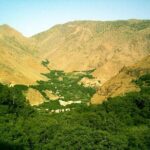
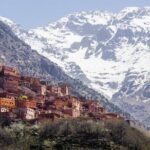
Day 1 starts with pickup from your Marrakech hotel area (Hotel Riad Omar22) and a transfer to the village of Imlil. From there, the trek follows the Mizane Valley. This is one of those routes where the scenery changes even if the elevation gains slowly at first.
You’ll pass through village areas (including Aremd), then continue toward the shrine of Sidi Chamarouch. This matters more than it sounds. Shrines like this aren’t just scenic stops—they’re part of how people mark routes through the Atlas mountains, and they’re a meeting point for locals and pilgrims. After that, the trail bends east and crosses flood plains, shifting onto mule tracks before climbing into rocky cliffs above the valley.
Then comes one of the more memorable “route moments” on the first day: you cross a river as the trek pushes higher. Trails at this stage can feel uneven and more technical than the low-valley walking, so Day 1 is a good time to settle your footing and keep your pace steady.
The day ends at a refuge around the snowline at about 3,206m. You’re typically walking about 5 to 6 hours on Day 1, with dinner and the included meals laid out for you. That overnight stop is what makes the second day possible—rather than starting the summit day from the valley, you wake up already higher up.
What can be hard about Day 1
The elevation isn’t the only challenge. After river crossings and on rocky cliff sections, your legs get the real work. If you’re prone to rushing, Day 1 is the day to resist that habit. Slow, consistent steps save energy for Day 2.
Day 2 to Jebel Toukbal: the early push, scree, and summit views that go far
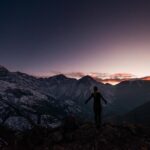
Day 2 begins with an early attempt on the summit of Jebel Toukbal, described as the highest peak in Northern Africa. This is the day with the most strain, but it’s also where the trek earns its reputation.
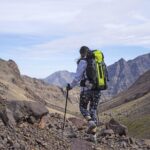
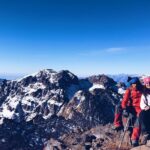
Your route takes you up the south cirque and includes crossing a stream above the refuge. The walking is described as relatively straightforward, but the altitude and the scree (loose rock) make parts difficult. Scree can make footing feel unpredictable. The best approach is to move with control and take shorter steps when the ground shifts.
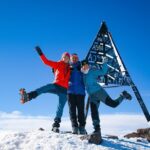
Then you reach the summit—and the views are the main event. From the top, you get unrestricted views in every direction, from the Marrakesh Plain and the High Atlas to the Anti-Atlas and as far south as the Sahara. That wide range is the payoff for climbing high enough to see past local valleys and ridges.
After the summit, you retrace your route back down (the trek structure strongly favors going up and then returning the same path). Expect a long day overall—about 9 hours walking on Day 2.
The one thing to prepare mentally for
Summit day often feels short in distance and long in effort. The altitude makes your body work harder even when your steps are simple. If you keep your breathing calm and don’t sprint early, you’ll usually feel the climb in your legs more than in your panic.
Why the small-group setup (max 15) is a big deal on Toubkal
On Toubkal, group size affects more than comfort—it affects safety and flow. With up to 15 travelers, it’s easier for your guide to manage trail spacing, check in when someone is struggling, and adjust pacing without feeling rushed.
Guiding also matters because mountain terrain can be treacherous. In the reviews tied to this experience, the names Rachid Azdour and Mohad come up as guides who help people stay calm and confident. That’s not just nice to hear—it’s exactly what you want on a route involving altitude and scree.
If you’re the type who gets anxious when conditions change, a confident guide can be the difference between a rough morning and a steady one. If you’re feeling strong and quiet, a smaller group also means you’re not swallowed by crowds when trails get narrow.
Comfort and logistics: transfers, meeting point, and mobile tickets
Getting to the trailhead in the right state matters. This tour includes return transport from Marrakech, and it’s done in an air-conditioned minivan. That’s a real quality-of-life upgrade when your next move is trekking in cooler, higher air.
Your start point is clearly set: Hotel Riad Omar22, Rue Bab Agnaou, passage du prince moulay Rachid Medina, Rue Bab Agnaou, Marrakech 40000, Morocco. The activity ends back at the same meeting point, so you’re not left improvising transport at the end of a long hike.
You’ll also have a mobile ticket, which is convenient if you don’t want to carry printouts while traveling.
One small mismatch to double-check
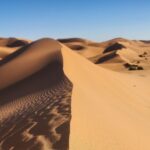
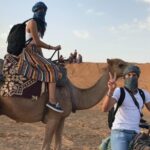
The tour summary you’ll see around this offering also mentions Merzouga-style desert elements like camel riding and star camps. The actual trek itinerary is firmly in the High Atlas around Imlil and Toubkal. Before you go, I’d confirm that your exact booking matches the Toubkal trek dates and route—this is the kind of mismatch that can cause disappointment if you’re expecting desert logistics.
Value for money: what $129.99 really covers (and what it doesn’t)
At $129.99 per person for about two days, the value comes from how much is handled for you:
Included:
- Guide
- Breakfast and dinner
- Lunch twice (two-day schedule)
- Transfers from and to Marrakech
- A trekking structure that gets you from valley walking to a night at the refuge
Not included:
- Trekking equipment (the listing specifically notes equipment for randonnée)
- Insurance
- Soft drinks / beverages (it notes газоз (soda) not included)
That mix is typical for guided treks, but it affects how you should plan your total budget. If you already own proper hiking boots, layers, and a warm sleeping layer for high altitude nights, you’re in good shape. If you don’t, you may need to rent or buy gear, and that will change your true cost.
Comfort costs nothing if you plan ahead
The tour provides the big-ticket logistics. What you bring (and how prepared you are) determines whether you enjoy Day 2. If you’re missing basic traction, warmth, or a workable daypack setup, the trek can feel harder than it needs to.
What to pack for a high-altitude night near the snowline
The tour includes meals, but it doesn’t supply hiking gear. So you’ll want to think in layers and traction. The itinerary description also points out that you’ll be near the snowline and climbing to a high peak. Even if the weather is good, nights at that altitude can get cold fast.
At minimum, plan around:
- Proper hiking shoes or boots with grip (scree makes footing tricky)
- Warm layers for early mornings
- A pack you can carry during long uphill sections
- Anything you personally need for cold comfort while sleeping at the refuge
Also, since the trek is about walking hours (5–6 on Day 1, around 9 on Day 2), bring what you need for blisters and steady footing. Small discomfort becomes big discomfort when you’re moving for hours.
Weather, pace, and the real rhythm of a two-day summit attempt
This experience requires good weather. That’s not just fine print—mountain conditions can change quickly, and the itinerary depends on having workable visibility and trail safety. If weather cancels the trek, the plan offers a different date or a full refund.
As for pace: the route description shows steady climbing with a mix of valley walking, river crossing, rocky sections, and then summit-day scree and altitude. You should expect the second day to feel tougher because it combines early start timing with the hardest terrain.
Travelers with moderate physical fitness are the target, which is useful. Moderate fitness doesn’t mean easy. It means you can walk for hours uphill, stay calm at altitude, and keep going even when the legs complain.
Who this trek suits best (and who should reconsider)
This is a strong fit if you:
- Want a guided two-day plan that includes transfers and meals
- Like structured hikes with a clear summit objective
- Enjoy mountain days more than museum days
- Appreciate a guide who knows how to manage nerves and terrain (Rachid Azdour and Mohad are specifically noted in connection with this trek)
It’s less ideal if you:
- Hate uneven footing and loose rock (scree is part of the summit approach)
- Have limited hiking experience at altitude
- Don’t have suitable gear and can’t source it in time
If any of that hits home, you can still enjoy Morocco’s Atlas experience—but you might feel more comfortable choosing a gentler trek with a longer timeline.
Should you book this Mount Toubkal trek?
I think it’s worth booking if your goal is a real High Atlas summit push without spending days organizing logistics. The included Marrakech transfers, meals, and guide make the $129.99 price feel practical, and the small-group setup helps keep the trek from turning into a crowded slow shuffle.
But I’d book with eyes open if you’re expecting desert activities. The itinerary you’re getting is Toubkal in the High Atlas, not Merzouga. Also, since equipment and insurance are not included, plan for what you’ll need before you arrive.
If you want an efficient two-day mountain mission—valleys, shrines, a high refuge night, and a summit with views stretching toward the Anti-Atlas and the Sahara—this is a solid choice.
FAQ
How long is the Mount Toubkal trek?
It’s approximately 2 days.
Where does the trek start in Marrakech?
Pickup starts at Hotel Riad Omar22 on Rue Bab Agnaou in Marrakech.
Does the tour include transport from Marrakech?
Yes. Return transfers to and from Marrakech are included, using an air-conditioned minivan.
Is this a small group tour?
Yes. It has a maximum of 15 travelers.
What level of fitness do I need?
The tour is for travelers with moderate physical fitness.
Is a guide included?
Yes. A guide is included.
How much walking is there on each day?
Day 1 is about 5 to 6 hours walking, and Day 2 is about 9 hours walking.
Where do we sleep overnight?
You spend the night at a refuge around 3,206m.
What’s included in the meals?
Breakfast is included, as well as lunch twice and dinner.
What is not included?
Trekking equipment, insurance, and soda/soft drinks are not included.