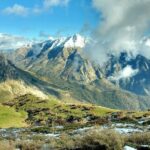
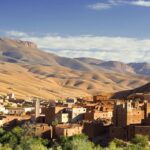
A quiet path in the Atlas turns into big mountain days. This trek-style experience starts in the Imnan Valley and finishes in the Ait Mizan valley, moving through the Azzaden Valley, past terraced fields, and onward toward the Tazagahrt plateau and its waterfalls.
Two things I really like about how this trip is set up are the real Berber village interactions (you visit homes and see day-to-day life) and the practical support: you get a qualified Berber tour leader plus mule handling for your luggage, with meals prepared for you on the trail. One consideration: this is for people with at least moderate fitness, and mountain steps can feel harder than you expect, even with encouragement along the way.
In This Review
- Key Highlights You Should Care About
- From Marrakech to Imnan: How the Trip Gets You Into the Mountains
- Azzaden Valley to the Waterfalls: Real Villages, Terraced Fields, and Big Scenery
- Trekking Days That Feel Manageable: 3 Days on Foot, 5 Days Total
- Overnight in a Berber Village Guest House: Comfort with a Community Feel
- Mule Support and Local Teamwork: Why the Trip Runs Smoothly
- What the $289.13 Price Really Covers
- Weather in the High Atlas: Plan for Real Conditions
- Is This the Right Trek for You?
- Should You Book This High Atlas Trek?
- FAQ
- What time does the High Atlas trek start?
- How long is the trekking portion?
- Where does the trek start and where does it end?
- Do I get hotel pickup and drop-off?
- Is this a private tour?
- What languages do the guides speak?
- Are meals included?
- Is luggage carried for you?
- Where do you sleep overnight?
- Is travel insurance included?
- What happens if the weather is poor?
Key Highlights You Should Care About
- Imnan Valley to Ait Mizan: the route has a clear start-to-finish “journey” feeling.
- Azzaden Valley sightseeing: color, daily life, and a slow look at how people live in the Atlas.
- Tazagahrt plateau waterfalls: one of the standout natural moments on the route.
- Mules carry luggage: your legs do the walking; the pack stays manageable.
- Guest house night in Berber villages: simple overnight comfort inside a real community setting.
- Abderrahim and the local team: organization and patience show up strongly in the experience style.
From Marrakech to Imnan: How the Trip Gets You Into the Mountains
This experience is based around Marrakech, with transfers from and back to your hotel included. You start at 8:00am, which is a smart time in the Atlas because you’ll waste less daylight waiting around, and you’ll reach the trail area while conditions are usually more comfortable.
What I like is that it feels grounded rather than showy. The plan moves you from the region’s base into the Imnan Valley, then gradually builds into the trekking days, while also offering sightseeing around valleys like Azzaden and Imlil. Since this is a private tour for only your group, you won’t have that awkward “someone’s always lagging behind” dynamic that can show up on bigger group hikes.
One practical note: the meeting point is near public transportation, which helps if you’re not relying purely on taxis for every step. Also, you get a mobile ticket, so there’s less fuss the morning of departure.
You can also read our reviews of more tours and experiences in Marrakech.

Azzaden Valley to the Waterfalls: Real Villages, Terraced Fields, and Big Scenery
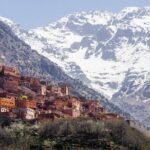
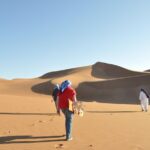
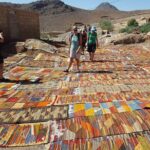
The heart of the experience is the movement through high-mountain valleys where daily life is part of what you see. In the Azzaden Valley, you’re not just looking at views—you’re also getting a sense of how people live out there. You’ll see terraced fields of corn and barley, plus a chance to visit homes and interact to learn about traditions and customs.
Then comes the payoff: the route heads toward the Tazagahrt plateau, described as being known for amazing waterfalls. Even if waterfalls aren’t always roaring (water flow can change with seasons and weather), the area is treated as a major highlight—and it’s exactly the kind of stop that makes a trekking day feel like more than just walking between points.
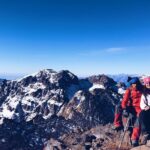
Azzaden and Imlil aren’t the only named stops in the sightseeing portion. You’ll also get time around places like Dkent Valley and you’ll see high atlas waterfall and high atlas peaks as part of the route’s viewpoints. If you like trekking that includes both village texture and mountain scenery, this structure works well.
Trekking Days That Feel Manageable: 3 Days on Foot, 5 Days Total
Even though the overall experience is about 5 days (approx.), the trekking itself is described as 3 days total on the trail. That matters because it helps you plan your energy. You’re not spending every hour of the week hiking; instead you get a rhythm: walk days inside the mountains, plus sightseeing time in the valleys and time built around the overnight in a guest house.
The tour also notes that the trek can be extended or altered depending on your group needs. That flexibility is useful if you want a longer time in the mountains, or if your group needs a different pace. Just know that any changes depend on discussion with the operator.
Fitness-wise, you should have moderate physical fitness. The good sign is that the experience includes real human support: guides and mule handlers are on the ground, and the leadership style includes encouragement for difficult steps. In one of the praised experiences, Abderrahim is specifically thanked for organization and for pushing people on the tougher parts with patience.
Overnight in a Berber Village Guest House: Comfort with a Community Feel
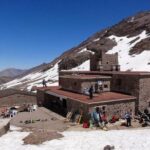
On the trail, you’ll have an overnight at a Berber villages guest house. This isn’t luxury camping, and it’s not trying to be. What it offers is something more interesting for many people: a chance to sleep inside the fabric of the places you’re trekking through, rather than always returning to a car and a hotel.
Meals are handled for you during the trek. You get all meals (breakfast, lunch, dinner), plus kitchen equipment is included, and there’s a cooking man who prepares the food. That setup is a big deal. It means you don’t spend time worrying about finding snacks, rationing supplies, or cooking after a long day of walking—your main job is to show up, keep moving at the right pace, and enjoy the mountain day.
The “who does what” part also shows respect for how trekking actually works in Morocco. You’re not just buying a route; you’re paying for a functioning team that includes the support roles that make the trek possible.
Mule Support and Local Teamwork: Why the Trip Runs Smoothly
Your luggage is carried by mules during the trek, which makes a real difference. When you’re walking in high areas, every extra weight feels heavier than it should, and mule support keeps your day focused on the trail.
The leadership and handling team also matter, and the experience style seems to be about competence plus kindness. Abderrahim comes up in the feedback as professional and as someone who works hard to make the trip amazing, with encouragement when steps get hard. People also specifically mention the mule-handling help from names like Brahmin and Hassan, including a story where a mule helped carry children when they were tired.
That tells you a lot about how the operation handles real-life trekking moments. Mountain days aren’t perfectly linear. Kids get tired. Adults need a breather. A good team plans for that, then responds without drama.
What the $289.13 Price Really Covers
At $289.13 per person, you’re paying for more than “someone leading you.” The price includes:
- Hotel transfers (from and to your hotel)
- An English/French speaking Berber tour leader
- Mules for luggage
- Kitchen equipment
- A cooking man who prepares meals
- All meals during the trek (breakfast, lunch, dinner)
When you add that up, the value is in removing hassles. You don’t need to arrange local transport, source meals, or coordinate a pack-carry system. For many people, that’s the difference between enjoying a trek and spending vacation time solving logistics.
Personal travel insurance is not included, so build that into your budget if you don’t already have it. Also, the experience is weather-dependent, which can matter for overall value if you planned your dates tightly.
Weather in the High Atlas: Plan for Real Conditions
This experience requires good weather. If it gets canceled due to poor weather, you’ll be offered a different date or a full refund. That’s exactly how it should work in a mountain region where visibility, footing, and safety can change fast.
Because the trek portion and sightseeing stops depend on conditions, it’s smart to keep some flexibility in your schedule. If your trip dates are immovable, you may want to think twice about booking any Atlas route that relies on weather rather than purely indoor or city-based sights.
Is This the Right Trek for You?
This trek is a great fit if you want a Berber village experience plus real mountain trekking, without doing the planning-heavy parts yourself. It works especially well for people who like:
- home visits and cultural interaction (not just photo stops)
- mule-supported trekking so you can focus on walking
- a structured trip that still feels personal (private group)
It may be less ideal if you’re looking for flat, easy hiking or for a trip where you can ignore fitness. The route is not described as extreme, but it does require moderate physical fitness, and steps can feel challenging without proper pacing.
If you’re the type who enjoys guided routes, appreciates a capable team, and wants the Atlas to feel human—not just scenic—this is the kind of trip that tends to stick with you.
Should You Book This High Atlas Trek?
Yes, if you want an organized High Atlas trek that combines valleys, villages, and the kind of support that keeps you moving (mules, meals, and a strong guide). The standout signals are the professional guidance style associated with Abderrahim, plus the local teamwork involving mule handlers like Brahmin and Hassan—exactly the sort of operation you want when mountain days get real.
I’d hesitate only if your group is very sensitive to moderate physical challenge or if your schedule is rigid with no room to shift dates due to weather. If you can match the pace and keep your plans flexible, this trip is good value and feels authentic in how it connects trekking to everyday Berber life.
FAQ
What time does the High Atlas trek start?
The experience starts at 8:00am.
How long is the trekking portion?
The trek through the striking area is described as taking 3 days total, within an overall experience of about 5 days (approx.).
Where does the trek start and where does it end?
It begins in the Imnan Valley and finishes in the valley of Ait Mizan.
Do I get hotel pickup and drop-off?
Yes. Transfers from and to your hotel are included.
Is this a private tour?
Yes. It’s a private tour/activity, and only your group participates.
What languages do the guides speak?
The tour leader speaks English and French.
Are meals included?
Yes. All meals during your trek are included: breakfast, lunch, and dinner.
Is luggage carried for you?
Yes. Mules carry your luggage during the days of the trek.
Where do you sleep overnight?
There is an overnight at a Berber villages guest house.
Is travel insurance included?
No. Personal travel insurance is not included.
What happens if the weather is poor?
The experience requires good weather. If it’s canceled due to poor weather, you’ll be offered a different date or a full refund.