REVIEW · KATHMANDU
5 Day Private Guided Trekking in Annapurna Base Camp
Book on Viator →Operated by Bold Himalaya Treks and Travels Pvt Ltd · Bookable on Viator
Five days to see Annapurna up close.
This private guided Annapurna Base Camp trek takes you from the Pokhara area to ABC with big mountain panoramas—Annapurna South, Annapurna I, Machapuchare, and Hiunchuli—plus village life along the way.
I especially like the way the route mixes views with real local rhythm: Gurung villages you pass through, terraced fields, and forest trails that can feel different day to day. I also like that you’re not left to figure things out—your guide Sirjan and porters handle the pacing and the details.
One consideration: you need moderate physical fitness, and the trek depends on weather. If the day for sunrise or high-altitude walking doesn’t cooperate, expect changes to protect safety and comfort.
In This Review
- Key highlights at a glance
- What this Annapurna Base Camp trek is really like (day by day)
- Day 1: Pokhara to Siwai, where the trekking actually begins
- Day 2: Sinuwa breakfast, forests and Dovan along Modi Khola
- Day 3: Annapurna Base Camp day, rhododendron forests and high-altitude payoff
- Day 4: Sunrise over Annapurna massif, then descent via Machapuchare Base Camp and Deurali
- Day 5: Back to Siwai, then a jeep ride to Pokhara
- Price and what you’re getting for $225 (value check)
- Your guide and porters: Sirjan’s impact on the experience
- Permits, TIMS, tea houses, and how days are paced
- The Annapurna Base Camp views you should plan around
- Trekking fitness: what moderate means in real life
- What to pack so the trek feels easier
- Who should book this trek (and who might skip it)
- Should you book 5 Day Private Guided Trekking in Annapurna Base Camp?
- FAQ
- Is this trek private?
- Where does the trek start?
- What permits are included?
- Are meals included?
- Does the price include a guide?
- Are drinks included?
- What fitness level do I need?
Key highlights at a glance
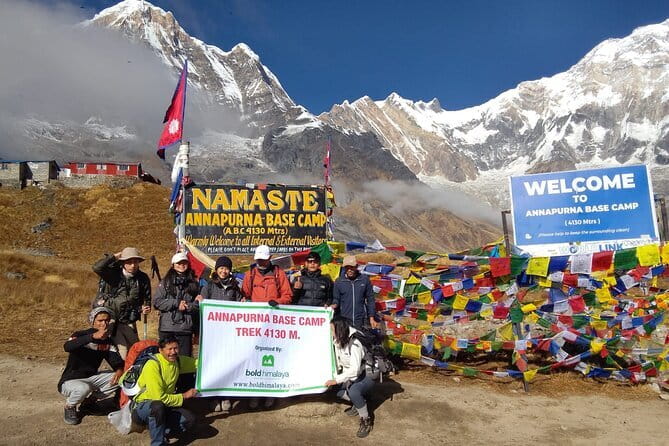
- Sirjan as guide: attentive, supportive, and positive from start to finish
- Annapurna sunrise at ABC: early start for maximum mountain drama
- Jhinu Danda hot springs: a muscle-relaxing stop built into the experience
- Machapuchare Base Camp en route: a sacred Fishtail viewpoint on the way
- Permits + TIMS included: trekking logistics are handled ahead of time
- Tea houses with porters: makes the trek more manageable without rushing you
What this Annapurna Base Camp trek is really like (day by day)
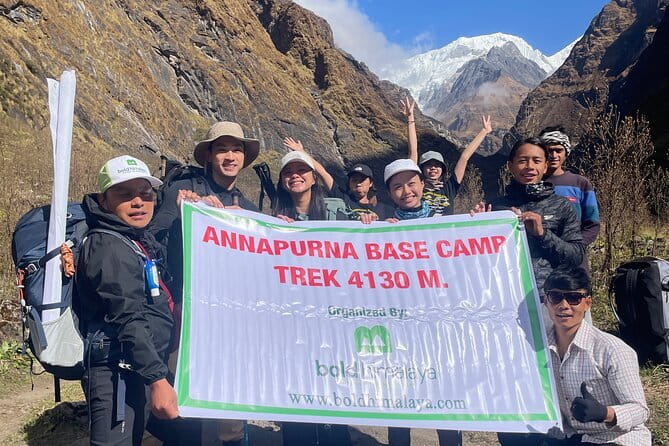
This trek is built for travelers who want the classic Annapurna experience without hauling the paperwork or micromanaging every move. You’re on a private plan, so it’s not a cattle-truck group. Your guide’s job is to keep you moving at a pace that works, look after the route, and make sure the trekking permit and TIMS card are in order.
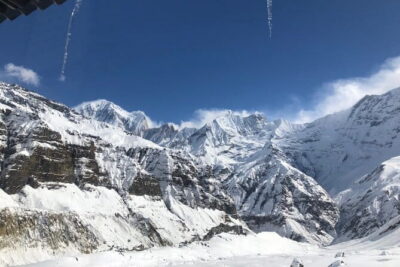
And the big payoff is what you came for: high-altitude views around Annapurna Base Camp, with dawn light and wide angles on the Annapurna massif. If you’ve ever wanted the feeling of standing in a dramatic mountain bowl, this route is designed to give you that sense of accomplishment.
You can also read our reviews of more tours and experiences in Kathmandu.

Day 1: Pokhara to Siwai, where the trekking actually begins
Your adventure kicks off leaving Pokhara and heading to Siwai, the starting point for the Annapurna Base Camp trek. The early part matters more than you might think. It sets the tempo and gives you time to settle into the rhythm of walking again—breathing differently, looking at villages and fields, and adjusting your pace.
Once you’re in Siwai, the trek starts right away along the trail network that leads deeper into the Annapurna region. This first day is also a good chance to test your daypack setup: water access, layers, and how your boots feel after a few hours on uneven ground.
What you’ll like: the transition from city-to-trail anxiety into steady trekking focus.
What to watch: if you arrive tired, resist the urge to push too hard just because it’s day one.
Day 2: Sinuwa breakfast, forests and Dovan along Modi Khola
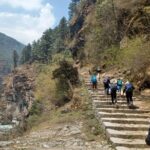
Day two starts after breakfast in Sinuwa, then continues through forests that can feel cool and shaded—especially if you’re walking before midday warmth settles in. The route moves through bamboo and reaches Dovan, where the trail brings you closer to waterfalls and follows the course of the Modi Khola.
This is the day that tends to feel like a “real Nepal walk” rather than a straight line toward altitude. You’re moving through the kind of terrain that changes textures underfoot: dirt paths, roots, stone sections, and the occasional scramble depending on recent rain.
Why this day is valuable: it’s not just scenery for photos. Forest walking teaches your legs how to work at a steady effort before ABC day gets serious.
Possible drawback: if you’re the type who hates damp trail days, bamboo forest routes can feel slick. Bring shoes that grip well and plan to walk carefully.
Day 3: Annapurna Base Camp day, rhododendron forests and high-altitude payoff
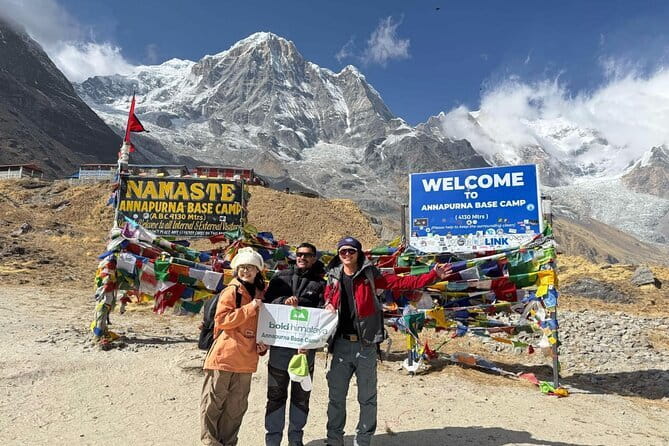
This is the big trekking day. You start early after breakfast and head toward the higher base camp route. Along the way, you pass through a magnificent rhododendron forest, and you may see yak herders depending on conditions.
After lunch, you continue onward toward Annapurna Base Camp. This is where the experience shifts from “beautiful hike” to “I’m at the base of giants.”
An admission ticket is included for this stop, and you’ll typically have time on site to take in the views, breathe in the cold air, and understand why people call this a bucket-list destination.
What you’ll like most: the combination of forest trail effort plus the dramatic ABC arrival.
What to watch: altitude can sneak up. Even if you feel fine early, keep your pace controlled and let the guide help you avoid the classic mistake of going too fast too soon.
Day 4: Sunrise over Annapurna massif, then descent via Machapuchare Base Camp and Deurali
Day four is an early riser. The goal is sunrise over the Annapurna massif from Annapurna Base Camp. If you want the mountain show—soft light, sharper edges, and that moment when the peaks look different than they did the day before—this is the payoff day.
After that, you descend steadily. The route takes you past Machhapuchchhre Base Camp and onward toward Deurali. Machapuchare has a special reputation in the region, and stopping near its base camp means you’re seeing more than just big rocks—you’re seeing a sacred mountain viewpoint on the way back.
This day is also where you may find time for the region’s signature recovery: the natural hot springs at Jhinu Danda. Relaxing in warm water after trekking is one of those things that feels small until you’re actually sore enough to appreciate it.
Possible drawback: sunrise means cold early mornings. Pack warm layers and be ready for quick changes in temperature.
Day 5: Back to Siwai, then a jeep ride to Pokhara
The final day focuses on returning. You move beyond bamboo and descend toward Siwai through forests and scenic viewpoints. It’s a good day for reflection and a slower pace, because your legs are tired but you’re no longer chasing the highest point.
Once you arrive in Siwai, your guide coordinates a jeep back to Pokhara. That last-mile transport is a relief. It keeps you from turning the day into an all-day scramble when you’re already drained.
What you’ll like: the logistics are handled so you can finish with your energy intact.
What to watch: last-day walks still add up. Hydrate and keep eating even if you’re excited to be done.
Price and what you’re getting for $225 (value check)
At $225 per person for about 5 days, the big value isn’t just the guiding—it’s what’s wrapped into that total.
Here’s what the price includes:
- Private transportation
- Trekking permit + TIMS card
- Guide costs (salary, accommodation, meals, and insurance)
- Porters’ support (their role is part of how the trek stays manageable)
- Meals: breakfast (4), lunch (4), dinner (4)
- Some seasonal fruits
- All fees and taxes
- Natural hot springs are part of the experience plan (via the trek’s route design)
What’s not included:
- Drinks and extra snack/dessert items
- Travel insurance
- Tips for the trekking crew
So the real question is: are you the type who wants to plan permits, sort out tea house arrangements, and coordinate transfers by yourself? If not, this structure is practical. You pay for fewer decisions, fewer surprises, and a team that already knows the flow.
Your guide and porters: Sirjan’s impact on the experience
One theme comes up again and again: your guide matters.
With Bold Himalaya, the named guide Sirjan is described as positive, welcoming, and attentive—checking in, matching pace, and making people feel comfortable. That’s not a small detail. In the Annapurna region, where altitude, cold mornings, and timing affect how a day feels, a guide who keeps things calm and organized can turn a tough moment into a manageable one.
Porters also show up as part of the support system. People describe the trek as “manageable with the porters,” especially on tea house style walking days. That’s usually what you want if you’re planning ABC without turning it into a survival test.
Permits, TIMS, tea houses, and how days are paced
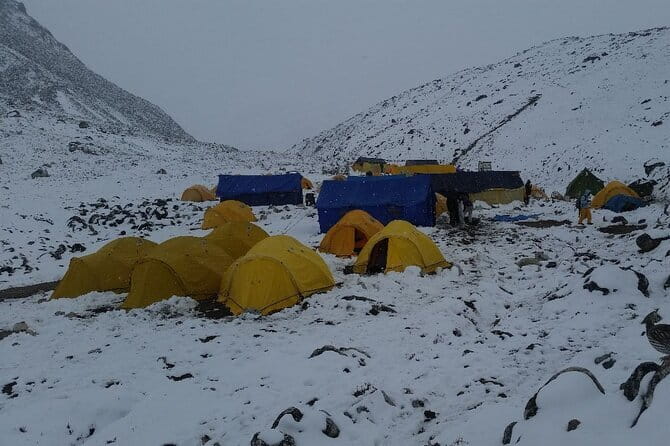
This trek includes the paperwork you need to walk legally in the region: trekking permit & TIMS card. That matters because it keeps you from trying to sort it out mid-trip.
You’ll also be using the typical Annapurna-style overnight rhythm with meals provided during the trekking days. The tour includes breakfasts, lunches, and dinners (4 each). That means fewer “should we eat now?” decisions.
You might not get a huge variety of restaurant-style choices, but that’s not the point. The point is that food is handled, and you can focus on walking, resting, and recovering.
The Annapurna Base Camp views you should plan around
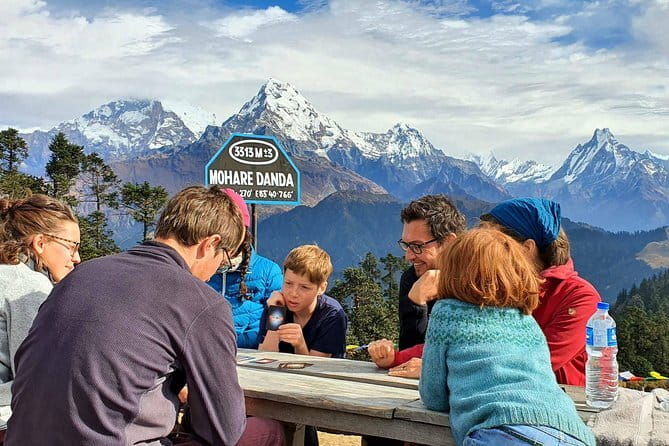
You’re not just walking to a dot on a map. You’re moving through a sequence of mountain moments:
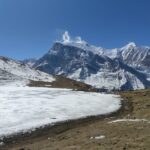
- panoramic views of the Annapurna massif
- iconic peaks like Annapurna South and Annapurna I
- Machapuchare views on the way
- and a sunrise day that’s timed for the clearest drama
Also, the Annapurna Conservation Area is part of the route. The walking can include chances to see unique plants and animals, depending on the season and conditions.
Trekking fitness: what moderate means in real life
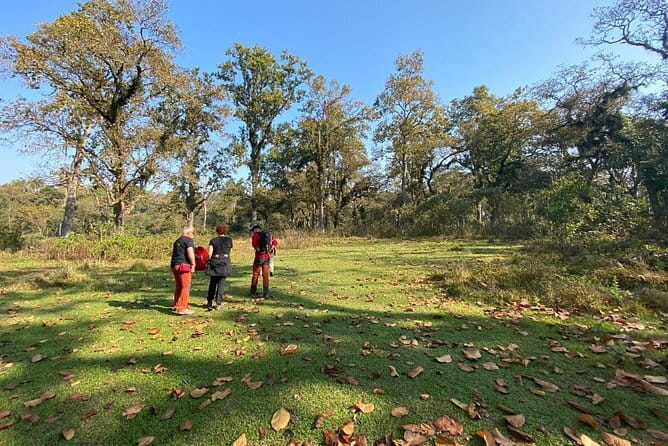
The tour is listed for travelers with moderate physical fitness. In practice, that means you should be comfortable walking for hours with some elevation changes and uneven ground.
If you:
- walk regularly at home, even on uneven trails
- don’t hate cold mornings
- can handle slower pacing for altitude
…you’ll probably feel good about this trek. If you’re starting from a very low fitness baseline, consider training before you go, especially for the day after sunrise and the descending days when your quads do the most work.
What to pack so the trek feels easier
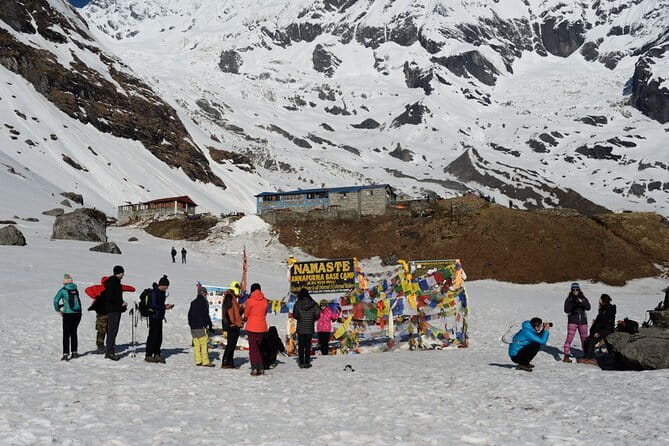
The data doesn’t list a packing list, so I’ll stick to practical essentials based on what this trek requires: early mornings, forests, and a high-altitude base camp.
Plan for:
- warm layers for sunrise timing
- a rain-ready shell (forest days can be damp)
- comfortable trekking shoes with real grip
- a water plan (you’ll need consistent hydration)
- small snacks for dessert cravings since extra items aren’t included
Who should book this trek (and who might skip it)
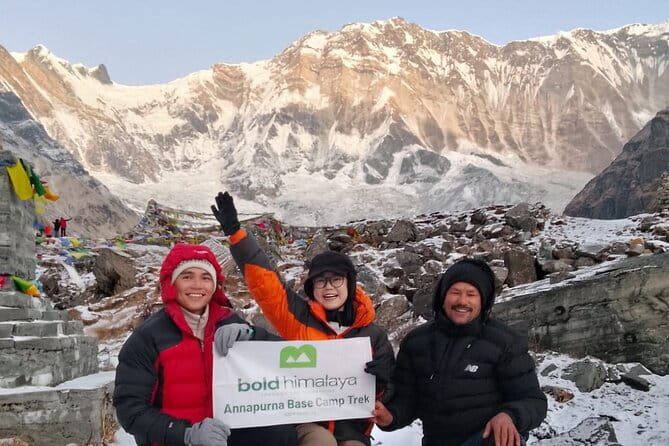
You’ll likely love this if you want:
- a private experience with your group only
- a guide-led pace and support system
- classic Annapurna scenery, not just a check-the-box hike
- sunrise at ABC and a hot springs recovery stop
It might not fit best if:
- you don’t handle cold mornings well
- you’re unwilling to be flexible if weather affects the timing
- you prefer fully independent travel with no team handling logistics
Should you book 5 Day Private Guided Trekking in Annapurna Base Camp?
If you’re aiming for Annapurna Base Camp but want the trip organized—permits handled, meals covered, and a guide who keeps things smooth—this is a solid booking choice. The strongest reason to pick it is the mix of big mountain moments plus practical support, especially with Sirjan and a team that takes care of pacing.
I’d book it if you’re ready to walk, accept that altitude slows you down, and you want the sunrise and hot springs to be part of the plan rather than something you hope works out.
FAQ
Is this trek private?
Yes. It’s a private tour/activity, so only your group participates.
Where does the trek start?
The trek starts from Siwai after traveling from Pokhara.
What permits are included?
The tour includes a trekking permit and a TIMS card (Trekking Information Management System).
Are meals included?
Yes. Breakfast (4), lunch (4), and dinner (4) are included.
Does the price include a guide?
Yes. A guide’s salary, accommodation, meals, and insurance are included, along with the guide’s support during the trek.
Are drinks included?
No. Drinks are not included, and extra meals or dessert items are also not included.
What fitness level do I need?
The tour notes that you should have moderate physical fitness.