REVIEW · KATHMANDU
10 Days Everest Base Camp Trek
Book on Viator →Operated by Everest Trekking Routes Pvt. Ltd. · Bookable on Viator
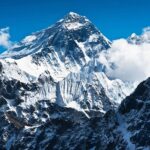
Mt Everest is always in the frame here. This 10 Days Everest Base Camp trek pairs big Himalayan scenery with real village stops and tea house nights that make the journey feel human, not just scenic. I like how the route also builds in time for acclimatization as you climb toward higher viewpoints and back down again.
I especially like the practical package: both-way domestic flights, permits, and airport/hotel transfers mean you spend less time stressing and more time walking. One possible drawback to plan for is that this trek depends on weather, and the days can be long (often around 5–7 hours of trekking).
In This Review
- Key things that make this Everest trek worth your attention
- Everest Base Camp on a schedule that actually makes sense
- Kathmandu: a short taste before the mountains take over
- The Lukla jump-start: from Kathmandu to Phakding
- Namche days: viewpoints, altitude lessons, and a classic break
- Dingboche to Lobuche: the trek becomes more serious
- Gorakshep and Everest Base Camp at 5,364m
- The long descent back: Phiriche to Namche and on to Lukla
- Kathmandu again: Thamel time and a final rest before flying out
- Food, lodges, and what is truly included
- Price and value: how $1,470 adds up (or not)
- Guide support: where the experience turns smoother
- Who this trek is best for (and who should think twice)
- Packing and pacing tips that keep Everest fun
- Should you book this 10-day Everest Base Camp trek?
- FAQ
- How long is the trek?
- What is the meeting time?
- Where does the trek start and end?
- Are flights included?
- Is Kathmandu accommodation included?
- Do you stay in tea houses on the trek?
- What meals are included?
- Is a guide included?
- What insurance is included?
- What happens if weather cancels the trek?
- Is tipping included?
Key things that make this Everest trek worth your attention
- Flights + transfers included: you’re not navigating Lukla logistics alone.
- Tea house nights: you get a classic, small-lodge rhythm without meal planning headaches.
- Everest Base Camp target at 5,364m: the big “I’m really here” altitude moment.
- Kalapathar (5,545m) hike: the high-point sunrise-style payoff many people remember most.
- Licensed guide support: one trekking guide license holder plus local support in your group.
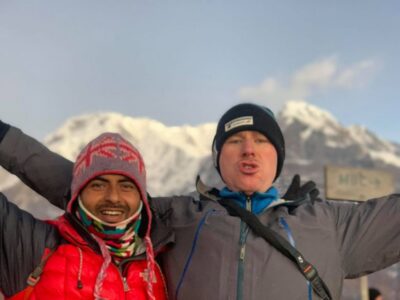
- Small-team feel possible: one party on this route included guide Dhansingh and assistant PJ.
Everest Base Camp on a schedule that actually makes sense
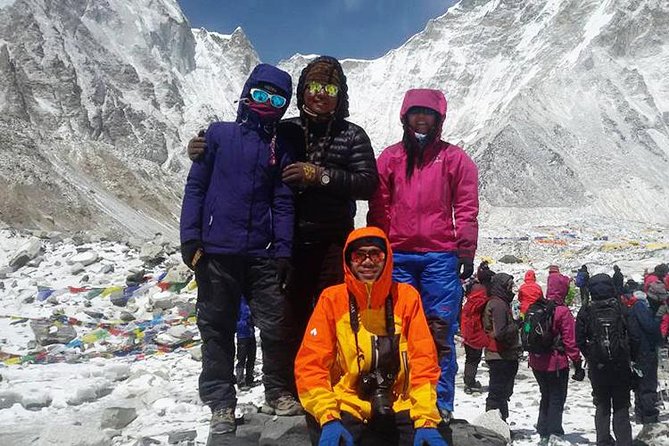
This trek is built around a simple idea: you don’t just rush upward to Everest Base Camp. You climb, pause, look around, and then work your way back through towns and lodges that feel part of everyday life in the Everest region. That rhythm matters because you’re dealing with altitude, plus real walking time.
The route also gives you multiple “levels” of the Everest experience. You get the closer, iconic Base Camp day at 5,364m, and then you get a second high payoff with the Kalapathar hike to 5,545m, which tends to change how people see the mountains altogether. If you want one trip that covers both the dramatic “close-up” day and the wider “above the world” view, this fits.
One more thing I like: it doesn’t treat Kathmandu as a random airport stop. You get early sightseeing time in the city and later a chance to unwind in Thamel before departure.
You can also read our reviews of more tours and experiences in Kathmandu.
Kathmandu: a short taste before the mountains take over
Day 1 starts with Kathmandu Durbar Square for a quick sightseeing hit, followed by an easy connection to your hotel. You’re not being dragged through the city all day, which is exactly what you want before flights and trekking begin.
Day 11 also includes time back in Thamel, which is handy because it’s where you can rest, grab basics, and handle small trip details without rushing. If you’ve never been to Kathmandu before, these two city moments help you get oriented before you go fully remote into the trekking world.
Start time is listed as 6:15am. So even though Kathmandu days are short, your trip mindset should be early-day friendly.
The Lukla jump-start: from Kathmandu to Phakding
Day 2 is all about the jump from Kathmandu to the Khumbu region. You fly about 30 minutes to Lukla, then start trekking toward Phakding.
Day 2’s value is that it turns the trip from travel into trekking quickly. By the time you reach the first lodge area, the rhythm of daily life in the Everest region becomes real: tea houses, small paths, and steady uphill-and-downhill walking rather than sightseeing buses.
In practical terms, think of this as a gentle handoff day. It’s still a trekking day, but it’s not the hardest one on the route, which gives your legs time to wake up.
Namche days: viewpoints, altitude lessons, and a classic break
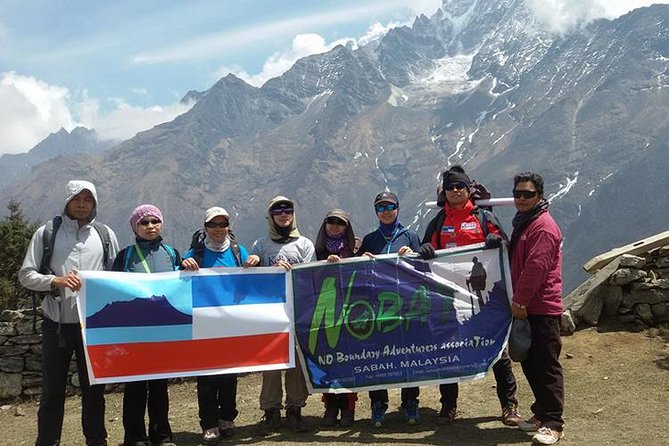
On Day 3, you trek about 6 hours to Namche. The itinerary notes an Irish Pub stop, which may sound random until you realize why it exists: after hours of walking, it’s a familiar, social reset point where you can sit, drink something warm, and watch the world slow down.
Namche is also where you start noticing how altitude changes your pace and breathing. You’re high enough that you’ll want to move steady, not sprint between tea houses. If your goal is a smooth summit to Everest Base Camp, this is where you build the “slow and steady” habit.
Day 4 continues for about 6 hours to Phortse, and the stop includes a River Resort mention. Even if your exact lodge choice varies, the practical takeaway stays the same: you’re moving through the middle elevations where the region feels connected and lived-in, not just scenic.
Dingboche to Lobuche: the trek becomes more serious
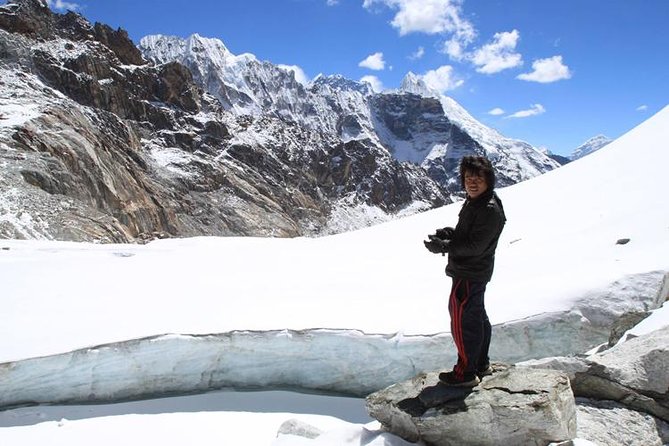
Day 5 takes you to Dingboche with about 6 hours of walking and a Dingboche View Point stop. This is a day that often helps your motivation. The views are big, and the walking isn’t yet the hardest push, but you’re clearly trending upward.
Day 6 goes to Lobuche in about 5–6 hours. Lobuche is one of those places that makes the trek feel closer to the “final chapter” because the scenery tightens and the air tends to feel thinner. This is also where you should pay attention to how your body responds to the altitude, because you’re now approaching the higher, more exposed sections.
If you’re the type who overthinks trekking, this is where you should simplify. Drink when you can, eat what you can, and keep moving at a pace that doesn’t spike your breathing.
Gorakshep and Everest Base Camp at 5,364m
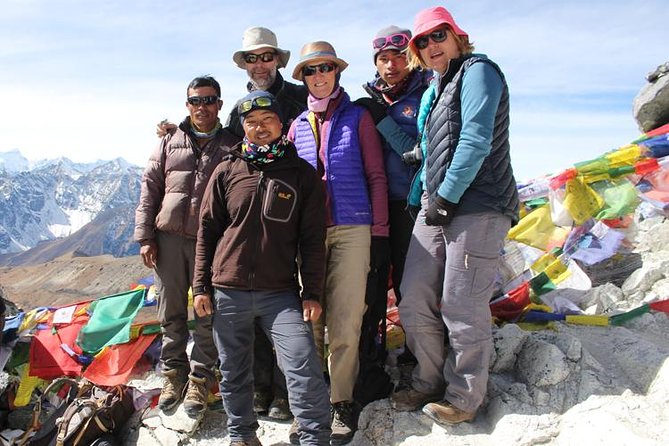
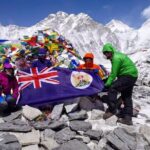
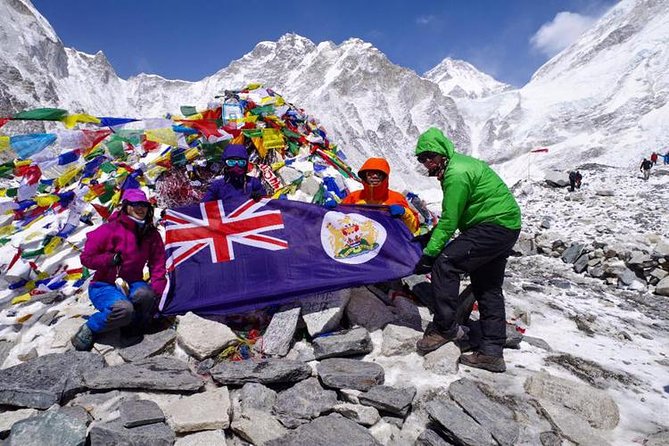
Day 7 includes trekking to Gorakshep and then on to Everest Base Camp at 5,364m. The day is often the centerpiece: you’ve been working your way into the Everest region for days, and now you reach the place that feels like the whole point.
What makes it special is the shift in scale. At Base Camp altitude, the mountain presence becomes physical in a way that lower elevations don’t prepare you for. You’re surrounded by glaciers and ice terrain, and the route makes it feel like you earned the view rather than just purchased it.
The potential drawback is also obvious: that thin-air feeling can make even simple tasks harder. If you plan to linger, keep your pace slow. If you rush, you’ll spend your energy on breathing instead of enjoying the moment.
Day 8 then keeps the pressure on (in a good way). You hike to Kalapathar Peak at 5,545m and then trek to Phiriche.
Kalapathar is often the day people describe as seeing the mountains differently. Even without guarantees of perfect skies, the altitude alone gives you a wide perspective, and the hike is the kind of challenge that makes the payoff feel real.
The long descent back: Phiriche to Namche and on to Lukla
Day 9 brings you from Phiriche back to Namche, with about 7 hours of trekking. Descents can feel easier than the climb, but they’re not always gentle on the knees. A steady rhythm helps more than forcing speed.
Day 10 continues to Lukla with about 7 hours of trekking, then you stay overnight in a lodge. This day matters because it’s where mental energy becomes part of the challenge. You’re close to the finish line, and you’ll want to treat it like a steady stroll rather than a race.
One underrated benefit of the return trek: you get to see how the route looks from different angles. The same villages feel different on the way back because you’re not just passing through—you’ve lived inside the pacing for nearly two weeks.
Kathmandu again: Thamel time and a final rest before flying out
Day 11 includes a 30-minute fly back to Kathmandu and then exploration day in Thamel. This is where you can finally slow down. It’s also when you’ll likely appreciate having everything already arranged, since you’re not trying to solve trekking logistics while jet lag and fatigue are still in the mix.
Day 12 finishes with a final departure from Kathmandu to your hotel. It’s the clean wrap-up: you’ve got your last rest day, and then you’re back to normal life with the Everest story fully loaded.
Food, lodges, and what is truly included
This trip includes 10 lunch and 10 dinner, plus breakfast (listed as 11). On the mountain, you get 09 night tea house accommodation, which is the backbone of classic Everest trekking. That means you’re not carrying a full food setup, and you’re not constantly searching for where to sleep.
It also includes the big cost drivers that can otherwise add up fast:
- Trekking permit
- Both way domestic flight
- 2 nights hotel in Kathmandu with breakfast
- Airport/Hotel transfers by private vehicle
- All government taxes
There’s also an added keepsake: after the success trip, the provider provides an Adventure Certificate. That’s small, but it can be a nice memento when you’re trying to remember the sequence of hard days and big views.
What’s not included is equally important. You’ll need to budget for tipping for guide and porter, travel insurance and evacuation insurance, hot shower, recharge/electronic device charging, and things like bottled drinks and wifi on the trekking route. Also listed as not included: boiled water, so plan to treat water as a cost line item during the trek.
Price and value: how $1,470 adds up (or not)
At $1,470 per person, the value here is mostly about coverage. You’re paying for a package that includes permits, domestic flights, Kathmandu hotel nights, and a lot of meals. For many people, the biggest advantage is removing guesswork: you’re not booking every piece separately under time pressure.
The tradeoff is that you still own some real costs. Tipping isn’t included, and insurance isn’t included, which can be a meaningful line item if you wait until the last minute. Also, if you rely on frequent hot drinks, bottled water, extra snacks, or charging, your spending will rise quickly on the mountain.
If you want a clear way to judge value, count what you’d otherwise have to plan yourself:
- flights to Lukla and back
- trekking permit
- mountain lodging style (tea houses)
- meals most days
- a licensed guide setup
This itinerary already bundles those. That’s the main reason the price can feel fair.
Guide support: where the experience turns smoother
This trek runs with one trekking guide license holder. That matters because the Everest region isn’t only about scenery; it’s also about pace, navigation, and knowing what to emphasize as conditions change.
The reviews tied to this route highlight support names like Dhansingh and assistant PJ. One reason those names show up is because guide attention can make a real difference if you’re uncomfortable with heights. Even with great views, the path can feel exposed, so having someone perceptive about your comfort level is a genuine advantage.
I also like that the experience is described as hospitality-forward across the route. In practice, that translates to fewer awkward moments about meals and lodge check-ins, because your team already understands the rhythm.
Who this trek is best for (and who should think twice)
This experience is listed for travelers with moderate physical fitness. That’s realistic for the Everest region as long as you understand what moderate means: long walking days, uneven footing, and altitude effects that can make every step feel heavier.
You should strongly consider this trek if you want:
- a classic Everest Base Camp goal
- a high viewpoint challenge with Kalapathar
- a guided, structured approach with meals mostly covered
- a trip that includes both Kathmandu culture time and mountain tea house nights
You might rethink if you’re not comfortable with long days. Even the trek-hours listed on the route add up: multiple days around 5–7 hours, plus altitude on top of it. If long walking and thin air would be a struggle, you’ll likely feel it more than you expect.
Service animals are allowed, and the trek is private to your group, which can be comforting if you prefer less crowd noise.
Packing and pacing tips that keep Everest fun
The biggest mistake people make on Everest treks is treating them like sightseeing hikes. This route is structured around real altitude and real effort, so your pace should be slow on purpose.
Here’s what I’d prioritize based on how this trek works:
- Plan for warm layers because you’ll climb into colder air as you go higher.
- Budget time for rest and water; boiled water is not included, so you’ll want a strategy.
- Keep your plans flexible for weather. The experience depends on good weather, and if it gets canceled due to poor conditions, you’ll need to handle date changes or refunds.
Also remember the schedule: it starts early at 6:15am. Set yourself up for early energy, not late-night chaos.
Should you book this 10-day Everest Base Camp trek?
Book it if you want the classic Everest experience with a guided structure that handles the big logistics: flights to Lukla, permits, tea house nights, Kathmandu hotels, and most meals. The biggest “yes” is that you’re not paying just for one destination; you’re paying for a full arc that includes Base Camp (5,364m) and Kalapathar (5,545m) plus time back through Namche and Lukla.
Skip or compare if you’re budget-tight on extras and you don’t want to manage additional costs like insurance, tips, charging, and hot showers. Also take the weather dependency seriously. If you can’t be flexible with dates, you may find the non-weather-based travel life less predictable than you want.
If you’re ready for real trekking days and you want a trip that feels both scenic and personal, this is a solid pick.
FAQ
How long is the trek?
The experience is listed as approximately 12 days, with the core Everest Base Camp trekking described as a 10-day trek.
What is the meeting time?
The start time is listed as 6:15am.
Where does the trek start and end?
It starts in Kathmandu, Nepal, and ends with your return to Kathmandu for the final departure.
Are flights included?
Yes. Both-way domestic flights are included.
Is Kathmandu accommodation included?
Yes. The package includes 2 night hotel in Kathmandu with breakfast.
Do you stay in tea houses on the trek?
Yes. The package includes 09 night tea house accommodation on the mountain.
What meals are included?
The package includes 10 lunch and 10 dinner, plus breakfast (listed as 11).
Is a guide included?
Yes. It includes one trekking guide license holder.
What insurance is included?
Travel insurance and evacuation insurance are not included.
What happens if weather cancels the trek?
If it’s canceled due to poor weather, you’ll be offered a different date or a full refund.
Is tipping included?
No. Tipping for guide and porter is not included.