REVIEW · HANOI
Fansipan Mountain, Cat Cat Village, Rice Terrace 2 Day Sapa Tour
Book on Viator →Operated by Vietnam - Hanoi Package Tours · Bookable on Viator
Sapa hits you fast, and the mountain air helps. This 2-day Fansipan and village tour is a practical mix of big views and hands-on culture: you’ll get time at Fansipan and a guided Ta Van batik workshop, plus a cooking class dinner. The main thing to watch is the trekking day on uneven, sometimes slippery trails, so pack smart footwear and don’t rush.
What makes this trip feel worth it is how the schedule strings together the highlights without wasting hours. You sleep on a comfortable bus to save a day, then you’re moving again in the morning when the scenery is often at its best. You’ll also have an English-speaking guide in Sapa, and the tone stays friendly and safety-focused from start to finish. One possible drawback: if you’re not staying near Hanoi Old Quarter, you may pay a pickup/drop-off surcharge.
In This Review
- Key Things I’d Watch For
- A Realistic Snapshot of the 2-Day Sapa Rhythm
- Sleeping Bus Hanoi to Sapa: Saving a Day, Not Your Sleep
- Fansipan Cable Car: Where You Actually See Far Enough
- Ta Van Village Batik Workshop: Learn One Skill, Not Just a Photo Stop
- Cooking Class Dinner: A Meal With Context
- Cát Cát Village: Worth It, But Budget the Ticket
- Trekking Day: Y Linh Ho to Lao Chải Along the Muong Hoa Area
- Meals, Transfers, and What’s Actually Included
- Price and Value: Is $359.65 Reasonable?
- Who This Tour Fits Best (and Who Might Want to Skip)
- Practical Tips That Make This Trip Easier
- Should You Book This Fansipan and Sapa Villages 2-Day Tour?
- FAQ
- Where does this tour operate from?
- How long is the tour?
- Is there a pickup included?
- What’s the main transport between Hanoi and Sapa?
- Is the Fansipan entrance fee included?
- What village activities are included besides Fansipan?
- Is Cát Cát Village ticket included?
- What meals are included?
- Is there an English-speaking guide?
- What is the cancellation policy?
Key Things I’d Watch For
- Fansipan time built in: you’re not just snapping photos and leaving; you get time to enjoy the views
- Ta Van batik is hands-on: you learn the basics and get to use a canting tool
- Trekking route covers classic villages: Y Linh Ho to Lao Chai along the Muong Hoa area
- Cát Cát Village has an extra ticket: plan ₫150,000 per person if it’s on your day’s plan
- Guide quality matters here: safety on trails and clear communication show up again and again
- Weather can change fast: wet conditions can make paths slick, so start early when possible
A Realistic Snapshot of the 2-Day Sapa Rhythm
This tour is built around a classic Sapa formula: one big “wow” morning (Fansipan), one culture-heavy half (Ta Van and food), and one guided trekking day through rice terraces and ethnic minority villages. The whole point is to keep the travel efficient so you spend more hours in the mountains and fewer staring at schedules.
You’ll travel by sleeping bus between Hanoi and Sapa, then use local transfers to reach your homestay area and the next travel link. Because it’s a private tour/activity for your group, you’re less likely to feel shuffled around compared to huge group bus tours.
The trekking day is the part that needs the most planning from your side. It’s guided and you’ll be on a route with village stops, but the ground can be wet and uneven, especially outside the dry season.
You can also read our reviews of more tours and experiences in Hanoi.

Sleeping Bus Hanoi to Sapa: Saving a Day, Not Your Sleep
The tour includes a round ticket sleeping bus between Hà Nội and Sapa, which is the simplest way to cut down on transit time. You avoid a full extra day of travel and wake up closer to the mountain air you came for.
What I like about this setup for value is that it replaces what you’d otherwise pay for (at least one extra night of accommodation, plus the hassle of moving hotels). It also makes the itinerary feel continuous instead of chopped into too many start-and-stop segments.
Practical note: pickup is offered, but if you’re outside Hanoi Old Quarter, there can be a surcharge. If you’re trying to keep the total cost down, staying central (or arranging your own easy transit to the Old Quarter) helps.
Fansipan Cable Car: Where You Actually See Far Enough
Fansipan is Vietnam’s highest peak, and the cable car ride is the easiest way to reach it without eating up your whole day on steep climbing. On this tour, you check in and get a good chunk of time to take photos and enjoy the views.
You’re not just looking from a single platform. You get hours to soak it in, which matters because Sapa weather can shift quickly. If clouds roll in, you’ll have time to wait a bit and try again for clearer angles.
The Fansipan entrance ticket is included, so you’re not juggling last-minute payments while you’re already in transit. Just plan for cool temps up top, especially if the ground weather in town is rainy.
Ta Van Village Batik Workshop: Learn One Skill, Not Just a Photo Stop

Ta Van Village is where the tour slows down and turns practical. You’ll join a batik workshop that’s hands-on and guided, running for a full stretch of time, so you can actually learn something and not feel rushed.
This is one of the better parts of the trip for many people because it’s not performance culture. You work through the basics of the process and use a traditional tool called a canting, which is that pen-like applicator for wax designs.
I like that the workshop has a calm, structured feel. It’s also a good choice if you’ve already seen your share of markets and want one real “do it with your hands” activity. If you’re crafty (or even just curious), you’ll come away with a better understanding of how patterns get built.
Cooking Class Dinner: A Meal With Context

Dinner comes from an included cooking class. Even with limited time, a cooking lesson gives you something simple you can remember later: what ingredients are common, how flavors balance, and what locals do to make food comfortable in cold mountain weather.
You’ll also get meal coverage across the trip: 1 breakfast and 2 lunches are included, along with the dinner from the class. For a short 2-day itinerary, this matters. Food costs add up fast in tourist areas, and having meals handled lets you focus on the experience rather than hunting for a place to eat between transfers.
One caution: if you’re sensitive to spice or unfamiliar with local flavors, let your guide know early. Cooking classes often follow a standard menu, so a quick heads-up helps you enjoy the meal instead of forcing it.


Cát Cát Village: Worth It, But Budget the Ticket

The tour title includes Cát Cát Village, but the key detail is that the entrance fee is not included. You should plan on paying ₫150,000 per person for the Cát Cát Village ticket.
That’s not a reason to skip it. Cát Cát is one of the best-known village stops around Sapa, and it can add variety to a schedule that otherwise leans toward terraces and Ta Van. Just be ready for that extra cost so it doesn’t feel like a surprise once you’re already on the ground.
If you’re trying to keep the total day lean, bring some cash in the right currency and keep it accessible. You don’t want to lose 20 minutes hunting for money while your group is waiting.
Trekking Day: Y Linh Ho to Lao Chải Along the Muong Hoa Area
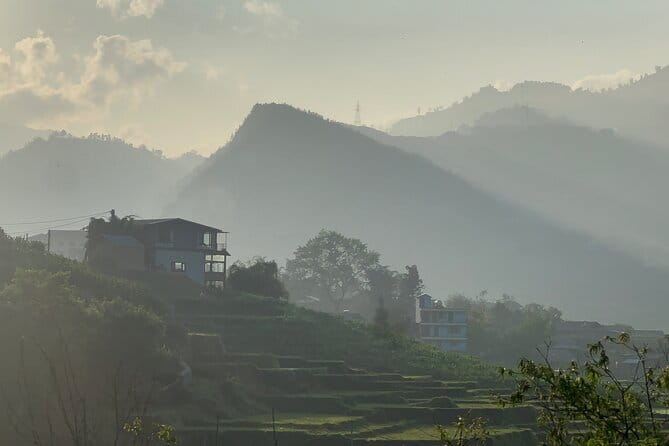
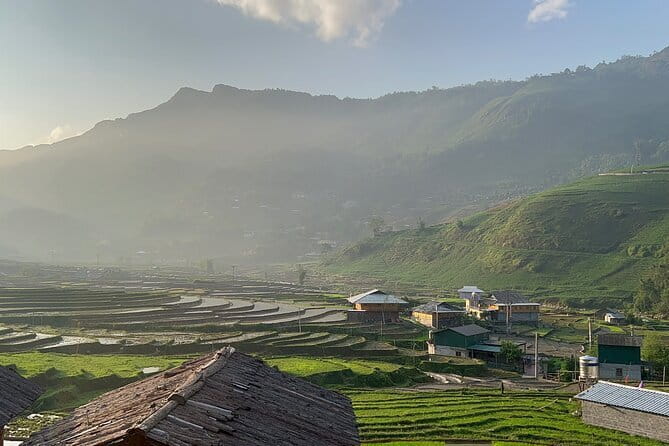
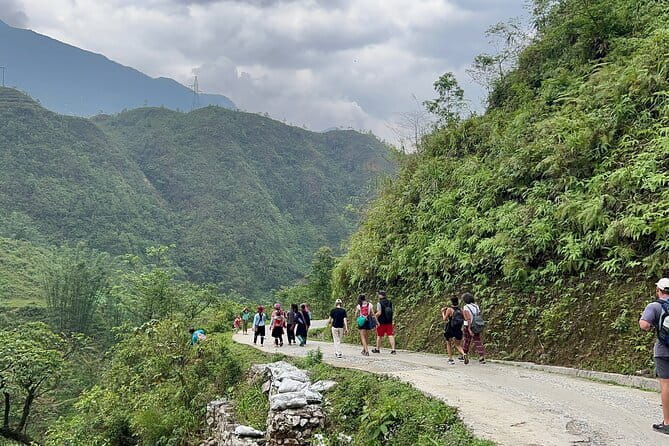
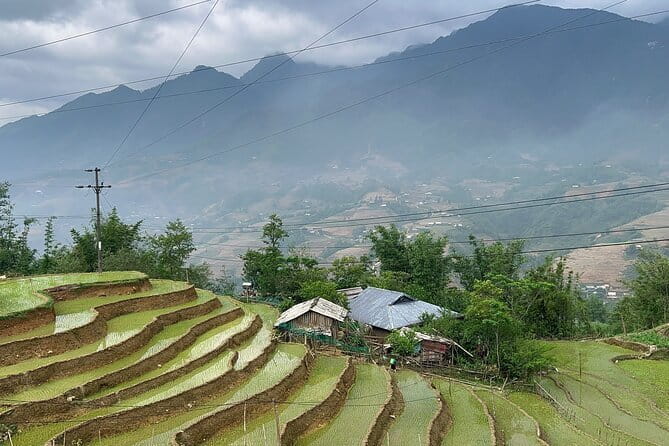
This is the core of the tour: a guided hike through classic rice-terrace terrain and village areas. The route starts with a trek to Y Linh Ho, then continues through the terraces along the Muong Hoa Stream toward Lao Chai, where you’ll encounter the Black H’mong community.
The best way to think about this trekking portion is as a guided “slow look.” You’re not just walking to check a box. You’re moving through the area where the terraces shape daily life, and you get stops that help explain what you’re seeing.
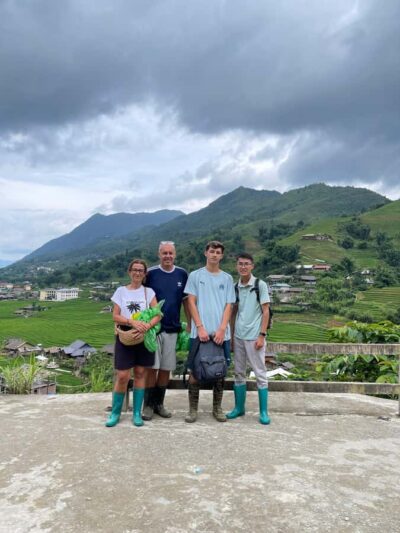
The terrain is the real variable. One of the most useful pieces of advice from the experience is that in wet weather the paths can be slippery. If you go during rainy periods, wear shoes with real traction and be ready to move carefully. I’d also aim for the morning if your schedule allows, since footing often feels better earlier in the day.
Time on the trail is around 4 hours for this day’s main trekking block. That’s a manageable length for many people, especially with a guide handling pacing and route decisions, but it’s still uneven hiking. If you have knee issues or you dislike steep, muddy ground, take that seriously.
Meals, Transfers, and What’s Actually Included
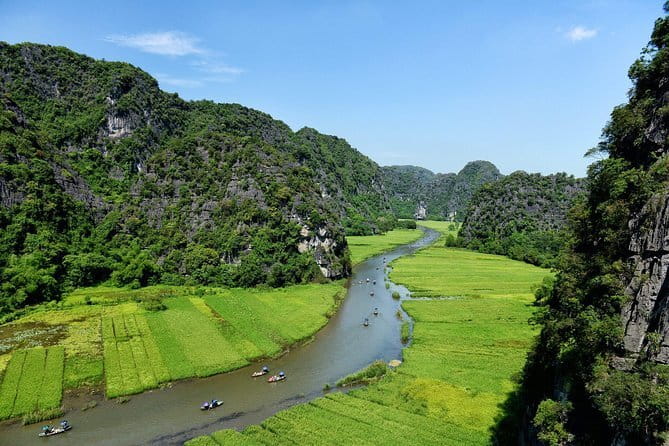
Here’s what the tour covers in plain terms:
Included in the price:
- English-speaking guide in Sapa
- Round ticket sleeping bus between Hà Nội and Sapa
- Fansipan entrance
- Dinner cooking class, 1 breakfast, and 2 lunches
- Trekking tour
- Round transfer car to homestay and to the bus station
Not included:
- Pickup/drop-off surcharge if you’re outside Hanoi Old Quarter
- Holiday surcharge (if your date falls on a holiday)
- Cát Cát Village ticket at ₫150,000 per person
Why I think this is practical: for a tight itinerary, these inclusions remove the biggest headaches—transport, main entry ticket, and most meals. You’re mostly paying for the experience components and the logistics, rather than piecing them together yourself.
Price and Value: Is $359.65 Reasonable?
At $359.65 per person, this isn’t a budget noodle-tour. But value in Sapa isn’t only about cost. It’s about how much you get packed into two days and how much stress the operator removes.
This price includes:
- the sleeping bus round-trip,
- an English-speaking guide for the Sapa portions,
- entry to Fansipan,
- a cooking class dinner plus breakfast and lunches,
- guided trekking, and
- transfers between key points.
If you were to book these separately, you’d likely end up paying similar money once you add bus tickets, guide fees, and entry tickets. The big advantage here is that someone else handles the sequence: you’re not coordinating meeting points while juggling weather changes.
Where the math can shift: the Cát Cát ticket is extra, and pickup may cost extra if you’re outside Hanoi Old Quarter. Still, compared to “cheap” itineraries that cut corners, this one looks like a solid middle lane: not luxurious, not chaotic.
Who This Tour Fits Best (and Who Might Want to Skip)
This is a great match if you want a balanced Sapa experience: a major summit visit (Fansipan), a village culture activity (Ta Van batik), a food-focused evening (cooking class dinner), and a guided trekking day with village views.
It also fits solo travelers or couples who like a clear plan. And because it’s private for your group, you’re not stuck sharing your guide with strangers.
You might think twice if:
- you dislike uneven terrain and worry about slippery trails,
- you want lots of free time to wander without structure,
- you’re trying to minimize extra entry fees (since Cát Cát ticket is not included).
Practical Tips That Make This Trip Easier
A few small choices can make a big difference:
- Bring footwear with grip. Wet paths can get slick, and trekking runs close to village trails where footing matters.
- Dress in layers. Fansipan can feel colder than Hanoi, and Sapa weather changes quickly.
- If you can control timing, start your trekking day early. Morning trekking helps when conditions are wet.
- Carry the extra cash for ₫150,000 if your day includes Cát Cát Village.
- Keep your day pack light. You’ll be walking for hours, and you don’t want a heavy bag tugging on your balance.
One more thing I’d emphasize: pay attention to how your guide handles safety and pacing. The best groups here are the ones where the guide keeps everyone comfortable and moving at a sensible speed.
Should You Book This Fansipan and Sapa Villages 2-Day Tour?
I’d book this if you want an efficient 2-day Sapa hit with real activities: Fansipan, a Ta Van batik workshop, a cooking class dinner, and a guided trek through the rice-terrace route connecting Y Linh Ho and Lao Chải. The included meals and the sleeping bus make the schedule feel organized, and the guide experience seems to be a strong point, especially around safety and clear communication.
I’d pause if your priority is total downtime, or if slippery trekking conditions would stress you out. In that case, you might prefer a gentler day-trip style route.
If you’re flexible with weather and pack for wet trails, this tour is a very workable way to see the northern Vietnam mountain countryside without turning your trip into logistics homework.
FAQ
Where does this tour operate from?
It’s a Hanoi-based Sapa tour that starts from the Hanoi Old Quarter area in the schedule provided.
How long is the tour?
The duration is listed as about 2 days.
Is there a pickup included?
Pickup is offered, but there may be a surcharge if you’re not in Hanoi Old Quarter.
What’s the main transport between Hanoi and Sapa?
You travel by round ticket sleeping bus between Hà Nội and Sapa.
Is the Fansipan entrance fee included?
Yes. The Fansipan ticket entrance is included.
What village activities are included besides Fansipan?
You’ll do a Ta Van Village batik workshop, and the tour is titled to include Cát Cát Village, though its ticket fee is extra.
Is Cát Cát Village ticket included?
No. The ticket for Cát Cát Village is listed as ₫150,000 per person.
What meals are included?
The tour includes dinner (from the cooking class), 1 breakfast, and 2 lunches.
Is there an English-speaking guide?
Yes, the tour includes an English-speaking tour guide in Sapa.
What is the cancellation policy?
Free cancellation is available up to 24 hours in advance for a full refund.