REVIEW · HANOI
4-Day Jungle Trekking in Ba Be National Park
Book on Viator →Operated by Mr Linh's Adventures · Bookable on Viator
A jungle trek with real people beats a sightseeing checklist. You’ll cover Ba Be National Park on foot and by boat, with nights in Tay and Dzao homestays. The trip also mixes nature with culture: corn wine, village visits, and caves that feel a bit Indiana Jones.
What I like most is the combo of door-to-door transfers from Hanoi and the way the days are paced around actual terrain. You also get thoughtful guidance on steeper stretches, plus included basics like life jackets and dry bags so you’re not scrambling mid-trip.
One consideration: this is not a flat walk. You need moderate fitness, since you’ll handle rough, steep hiking and stream crossings.
In This Review
- Key takeaways before you go
- Why Ba Be National Park feels special (and not crowded)
- Price and value: what your $679 actually pays for
- Day 1 in Ba Be: museum stop, arrival rhythm, and a Tay stilt house
- Day 2 trek to Coc Toc Village, Pe Lu Stream, and a Hmong village lunch
- Day 3 Dzao clothing, black Hmong village, Dau Dang Waterfall, and Mr Pirate
- Day 4 Hua Ma Cave and the return to Hanoi at about 17:30
- Boat time on Ba Be Lake (and cave visits that add variety)
- Homestays: what you’re really signing up for
- Guides, communication, and how the trip stays personal
- Trekking reality check: pace, distance, and what to pack
- Who this tour suits best (and who might want something easier)
- Final verdict: should you book Ba Be now?
- FAQ
- How long is the Ba Be jungle trekking experience?
- What does the tour include for lodging?
- How much hiking should I expect?
- Is the tour private?
- Are meals included?
- Do I get boat time on Ba Be Lake?
- Which caves are visited?
- Is there an English-speaking guide?
- What should I pack?
- Are beverages included?
Key takeaways before you go
- Boat + hiking in the same days: Ba Be Lake isn’t just a view, it’s part of your route.
- Three different homestays: Tay stilt-house style, then Dzao village life, plus time in Hmong communities.
- Cave time with atmosphere: Puong Cave and Hua Ma Cave are built into the schedule, not optional add-ons.
- Ethnic variety that’s more than a photo stop: Tay, Dzao, and Hmong encounters shape the trip.
- Real jungle logistics handled for you: guide, equipment, life jackets, dry bags, and tickets are included.
Why Ba Be National Park feels special (and not crowded)

Ba Be National Park sits about 240 km northeast of Hanoi, and that distance matters. You’re far enough out to trade traffic noise for mountain air and forest trails. The scale is big, but the experience stays personal because your group stays with a guide and community hosts instead of bouncing between viewpoints like a bus tour.
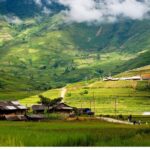
The best part of this style of trip is how quickly you get beyond the postcard version of Vietnam. You’ll learn how local minority communities live around the lake and hills, then move your body through the same valleys and villages, not just over them. If you like travel that feels lived-in, this kind of routing tends to hit the sweet spot.
And you get variety in a practical way: boat cruising, day trekking, and cave visits all share the same 4-day framework, so you’re not spending half the time waiting on transport.
You can also read our reviews of more tours and experiences in Hanoi.
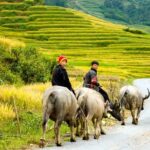
Price and value: what your $679 actually pays for

At $679 per person for roughly 4 days, the price isn’t just about “being in nature.” The value comes from the bundle of logistics that can otherwise blow up your costs and stress.
You’re paying for:
- Door-to-door round-trip transfers from your hotel area in Hanoi
- An experienced local English-speaking guide
- Three nights in different homestays
- All sightseeing tickets (not just the obvious ones)
- Meals listed as 10 total (breakfast/lunch/dinner across the days)
- Trek support items like tents, dry bags, sports equipment, and life jackets
What’s not included is also clear: personal expenses, tips/gratuities, travel insurance, and beverages. That matters because drinks can add up when you’re outdoors and moving between homes and villages. Plan to budget for your own water/soft drinks and any snacks you want on trail.
If you want a smooth, guided experience where the hard parts are handled—timing, transport, basic safety, and meals—this is built to deliver that.
Day 1 in Ba Be: museum stop, arrival rhythm, and a Tay stilt house
Your day starts at 8:00 am, then you work your way from Hanoi toward Ba Be Lake in Bac Kan province. The first stop is the Museum of the Cultures of Vietnam’s Ethnic Groups, which is a smart warm-up. Even if you’re not a museum person, it gives you useful context for what you’ll see in the villages later—who the groups are and how their traditions show up in everyday life.
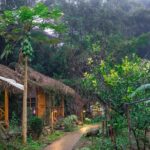
After that comes lunch at a local restaurant, then you finish the drive into Ba Be National Park. You arrive early afternoon, and the schedule is designed for a non-panicky landing. You’ll rest, eat dinner, and sleep in a traditional Tay wooden stilt house.
This night choice is more than a bed-and-breakfast swap. Sleeping in a stilt house style helps you understand why the lake-and-hills way of life shapes architecture, household routines, and even how you move around during daily work. It also sets a tone for the trek: you’re not “camping in the wild” like it’s a survival show. You’re hosted, and you’ll feel that in how the next days run.
Tip: pack for humidity and insects. Even when the schedule looks relaxed, the environment won’t.
Day 2 trek to Coc Toc Village, Pe Lu Stream, and a Hmong village lunch

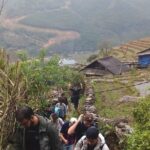
Day 2 is your heavier hiking day, and the details matter. You’ll head to Coc Toc Village to meet the Tay community, especially their lake-centered fishing life. That’s a key part of the experience because it frames the landscape. You’re not trekking through scenery—you’re trekking through a place where fish, water routes, and livelihoods are connected.
From there, the route moves toward the Pe Lu Stream crossing. Then you hit rough, steep terrain that gives your legs a real workout. As you gain height, the payoff is views over rolling countryside. It’s the kind of reward that feels earned, not staged.
You continue pressing on to the uplands, and you stop for picnic lunch in a Hmong ethnic village. That’s one of the practical strengths of this route: you’re not trying to find food mid-trail or guess what you’ll be eating. Meals are structured, and you get breaks that fit the geography.
A fun detail: this is where the cultural side starts to feel hands-on, not just informational. You’re moving through communities, so conversations and small moments tend to happen naturally—like the way people explain local practices and answer questions about daily life around the lake and forest.
Day 3 Dzao clothing, black Hmong village, Dau Dang Waterfall, and Mr Pirate

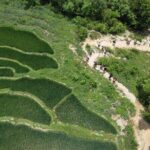
Day 3 keeps the same all-guided rhythm but shifts the hiking style. You’ll take slightly gentler trails compared to the steeper day before. That’s good planning. Your body gets a break from the worst climbs while you still get meaningful time walking through dense forest and changing terrain.
The morning begins with breakfast at the homestay. Then you’ll have the chance to try on traditional Dzao ethnic clothing, which is handy for photos and, more importantly, for understanding how communities express identity through dress.
After that, you visit a black H’mông ethnic village and then descend through thick forest. You’ll get spectacular views along the way, and then it’s off to Dau Dang Waterfall. The waterfall sits on the border of Bac Kan and Tuyen Quang, which makes it feel like a geographic meeting point, not just a single-county attraction.
Then comes lunch with an actor known as Mr Pirate, who was the main actor in the Ba Be Lake Pirate Movie. This is one of those small schedule surprises that adds personality. It’s not just “eat and leave.” It’s a chance to connect a pop-culture reference to the place itself.
If you care about authenticity over showmanship, you’ll likely like this balance: the day has local village components, natural sights, and only a light touch of movie-world connection.


Day 4 Hua Ma Cave and the return to Hanoi at about 17:30

On the final day, you’ll start with breakfast at the homestay again, then head back toward Hanoi. But you won’t go straight to the city. The trip stops at Hua Ma Cave, which has only recently been made accessible due to local beliefs about it.
The legend ties the cave to soldiers from previous wars, with the idea that their spirits were set free. Even if you treat the story as folklore, the practical point is that the cave carries weight for people who live nearby, and that shapes how it’s approached and explained.
You’ll descend into the cave via a concrete staircase built for access. Inside, you’ll see thousands of stalactites and stalagmites. Caves like this tend to be best when you slow down and let your eyes adjust—because the best views come after a few minutes of standing still.
After the cave, you stop briefly for lunch at a local restaurant, then you return to Hanoi, arriving around 17:30 and being dropped off at your hotel.
The day feels like a reset: a last nature moment, then a smooth end to the trek.
Boat time on Ba Be Lake (and cave visits that add variety)

This tour doesn’t treat Ba Be Lake as a quick photo stop. You’ll experience it by boat and also by foot. That combination changes what the lake means. From the water, you see the scale and how the water shapes movement between villages and wildlife areas. On foot, the views become more intimate—you notice terrain, paths, and how people travel day to day.
Caves also give you a different kind of pacing. Instead of more climbing, you get a cool, atmospheric break. You’ll visit Puong Cave and Hua Ma Cave, so you’re not stuck with only one underground stop.
Practically, cave visits are also good for people who aren’t enthusiastic about endless hiking. It’s still “nature,” just in a different format.
Homestays: what you’re really signing up for

You’re spending three nights in homestays located in different community settings—starting with a Tay stilt-house style and later moving through Dzao and Hmong areas.
What you should expect from this kind of overnight isn’t luxury. The value is cultural contact and comfort that comes from hosts who know your presence is part of their routine. Meals are included as listed, and your guide helps manage the flow so you’re not guessing how things work.
You’ll also have a sense of support, because the tour includes equipment like tents, dry bags, and life jackets. That suggests the operator is planning for real outdoor conditions, not just smooth rides between attractions.
If you hate the idea of sleeping “differently,” you might feel uneasy. But if you can handle basic rustic stays in exchange for meaningful access to village life, this is one of the tour’s strongest points.
Guides, communication, and how the trip stays personal

A good jungle guide can make the difference between fun and fatigue. This trip uses an experienced local English-speaking guide, and the route is built around careful timing—especially on steep terrain and stream crossings.
In past experiences with this operator, guides like Giang have been praised for planning and execution, and Mr Hung has led treks with a friendly, informed approach while guiding guests up to a remote village for an overnight stay. You may also see names like Kevin mentioned as part of how the experience is run, and Helen is noted as helpful during planning.
I like that this isn’t just “hand you a route map.” You get someone who can explain what you’re seeing and help you understand how village life connects to the landscape.
Trekking reality check: pace, distance, and what to pack
You’ll hike around 16 miles (25 km) over about 4 days. That distance is spread across multiple days and balanced by boat time, cave visits, and structured meals. Still, you should plan for trail wear and fatigue in your lower body.
The tour calls for a moderate physical fitness level. Expect:
- Rough, steep sections on Day 2
- Descents through thick forest on Day 3
- Stream crossing and uneven ground where good footwear matters
What to bring (the basics are explicitly recommended):
- Passport (it’s essential)
- Insect repellent
- Sunblock
- Raincoat
- Sun hat
- Light, comfortable outdoor clothes
- Comfortable walking shoes
- A small day pack for hiking and trekking
One small but helpful mindset: pack as if the weather might change fast. You’re in jungle terrain, so being prepared keeps the trip fun.
Who this tour suits best (and who might want something easier)
This is a great fit if you want:
- A guided experience through Ba Be National Park that combines culture and hiking
- Real community visits with Tay, Dzao, and Hmong people
- Boat time on Ba Be Lake and at least two cave stops
- Homestays instead of only hotels
You might want to look for a different option if you:
- Prefer flat walking and hate steep terrain
- Are very sensitive to rustic accommodations
- Don’t handle insects, humidity, and changing weather comfortably
If you’re traveling with a parent, a friend, or on your own, the private setup helps keep it manageable since it’s only your group.
Final verdict: should you book Ba Be now?
I’d book this if you want a Ba Be trip that feels practical and human: guided hikes with a clear structure, homestays in multiple community settings, and variety from lake cruising to Hua Ma Cave’s stalactites and stalagmites.
It’s also a strong choice if you’re tired of “checklist travel” and want days that make sense together—museum context, village encounters, earned views, and then a smooth return to Hanoi around 17:30.
Just go in with realistic expectations about trekking effort and bring the gear they recommend. If you do, you’ll likely come away with more than photos: you’ll understand how people live in this landscape, because you’ll move through it on foot and on the water.
FAQ
How long is the Ba Be jungle trekking experience?
It’s about 4 days, starting at 8:00 am and returning to Hanoi at about 17:30 on the final day.
What does the tour include for lodging?
You’ll stay for three nights in homestays in the Ba Be area, including a traditional Tay wooden stilt house and other community stays.
How much hiking should I expect?
You’ll hike around 16 miles (25 kilometers) over the 4 days.
Is the tour private?
Yes. It’s a private tour/activity, with only your group participating.
Are meals included?
Yes. Meals are included as listed in the schedule: breakfasts, lunches, and dinners (10 meals total).
Do I get boat time on Ba Be Lake?
Yes. You’ll experience Ba Be and the national park by boat as well as on foot.
Which caves are visited?
You’ll visit Puong Cave and Hua Ma Cave.
Is there an English-speaking guide?
Yes. The tour includes an experienced local English-speaking guide.
What should I pack?
Bring your passport. You should also pack insect repellent, sunblock, a raincoat, and a sun hat, plus light comfortable outdoor clothes and comfortable walking shoes. A small day pack is recommended for hiking.
Are beverages included?
No. Beverages are not included, and you’ll also want to budget for personal expenses and tips/gratuities.