REVIEW · HANOI
Hanoi: 3-Day Sapa Trek with Homestay
Book on GetYourGuide →Operated by VIETNAM OPENTOUR CO LTD · Bookable on GetYourGuide
One of Northern Vietnam’s best walks starts with a bus ride from Hanoi. This 3-day Sapa countryside trek with an overnight homestay pairs classic village scenery with real household time, not just quick photo stops. You get guided trekking, shared meals, and a small-group pace that makes the days feel manageable.
I especially like two parts: the Cat Cat Village afternoon (waterfall area plus craft work) and the chance to eat dinner with a local family on the trek. The homestay isn’t “hotel style,” but that’s the point—it’s where you see how daily life actually runs in the villages.
One thing to plan for: Sapa conditions can be tough, especially in cooler months. Fog and cold are common, and homestay comfort varies, so it helps to pack for weather and set expectations for simpler facilities.
In This Review
- Quick hits worth knowing
- Why this 3-day Hanoi to Sapa trek feels worth the effort
- Day 1: Hanoi to Sapa and the Cat Cat Village waterfall walk
- What to watch for on Day 1
- Day 2: Y Linh Ho terraces, Lao Chai lunch, then a Giay homestay night
- The best kind of mindset for Day 2
- Day 3: Bamboo forest to Giang Ta Chai, then back to Hanoi
- Price and value: what $182 really covers
- Transport, timing, and how the small-group pace works
- Homestay reality check: what you gain and what you won’t
- The practical “bring this” list isn’t optional
- Shopping pressure and craft requests on the trek
- Weather and fitness: fog, altitude, and how hard the walking is
- Who should be comfortable walking?
- Who this trek suits best (and who should skip it)
- Should you book this Sapa trek with homestay?
- FAQ
- What time do you pick up in Hanoi?
- How long is the trek?
- What meals are included?
- What kind of lodging is provided?
- What should I pack for Sapa’s weather?
- Is this tour suitable for pregnant travelers or medical conditions?
- Can I cancel for a full refund?
Quick hits worth knowing
- Small group of up to 10 keeps the walking and culture time from feeling rushed
- English-speaking guides: one between Hanoi and Sapa, and a local guide in Sapa
- Cat Cat Village walk (3 km down and 3 km back) mixes waterfall sights with craft history
- Y Linh Ho rice terraces are about 100 years old and built for real views
- Giay homestay dinner includes cooking and sharing time with your hosts
- 3 lunches, 2 dinners, 1 breakfast reduces budgeting stress during the trek
Why this 3-day Hanoi to Sapa trek feels worth the effort

Sapa is one of those places where the famous scenery is real—but the best part usually isn’t just the view. It’s how the villages are strung across the hills, with paths that force you to slow down, watch the terrain, and notice how people adapt to it.
This trip is designed as an active culture route: you walk between key village areas, then you sleep inside a local home. That mix matters. You’re not only touring sights; you’re sharing routines—breakfast, cooking, and evening time—so the culture lands in a way that day-only tours often miss.
The price is also easier to justify when you break down what’s included. For $182 per person you’re paying for transport from Hanoi, guide support, and most meals across three days, plus two nights of lodging (one homestay, one night at a 3 hotel). If you’re already planning to eat well and cover transport and guiding, it can be good value for the effort and access you get.
You can also read our reviews of more tours and experiences in Hanoi.
Day 1: Hanoi to Sapa and the Cat Cat Village waterfall walk
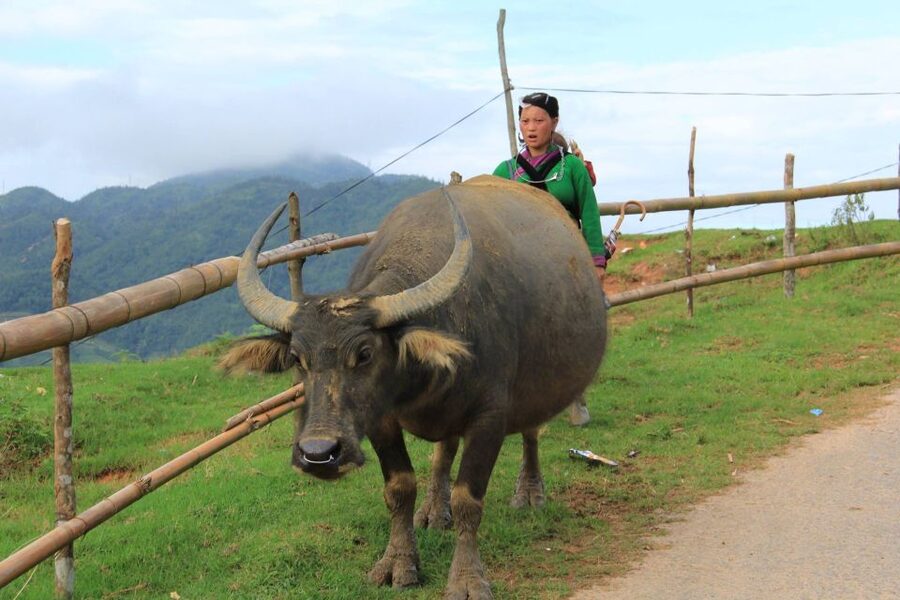
You’ll start early and head from Hanoi to Sapa by modern shuttle bus with an experienced driver. Pickup is from the Old Quarter area (around 6:30–7:00 AM), and the other option is meeting at 9 Hàng Hương, Hàng Mã, Hoàn Kiếm at 6:45 AM. The bus ride goes via Lao Cai, with comfort breaks along the way.
Once you arrive in Sapa, you’ll see locals in traditional dress and get that quick first taste of ethnic variety in the region. Then it’s into the rhythm of the day: lunch, check-in at your 3 hotel, and a trek-style outing in the afternoon.
The Cat Cat portion is fairly classic and very doable for most active travelers. Around 2:30 PM, you walk about 3 km down to Cat Cat Village. You’ll spend time around the hydropower station and the Cat Cat waterfall area, and your guide focuses on how the community lives and what crafts are important here—things like weaving, carved silver, and hand-forged agricultural tools.
Then you do the practical part: you walk back up about 3 km to Sapa. It’s not a technical hike, but it is real hillside walking. By evening you’ll be ready for dinner (often around 6:30–7:00 PM) and an overnight night at the hotel in Sapa.
What to watch for on Day 1
- If the weather is foggy, bring warm layers that block wind.
- Plan for the walking to feel longer than the distance sounds, because you’re descending then climbing.
- Some parts of the program can adjust depending on conditions, so keep expectations flexible.
Day 2: Y Linh Ho terraces, Lao Chai lunch, then a Giay homestay night

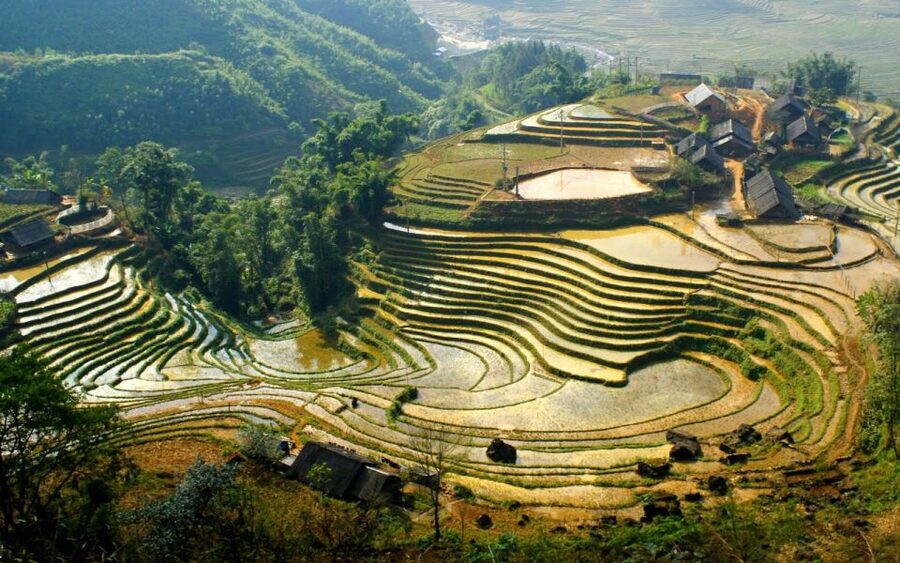
Day 2 begins with an early breakfast routine and a checkout before heading out (meeting time is before 8:30 AM). You’ll start by walking down toward Y Linh Ho, a village area associated with the Hmong minority. This is a photography-friendly stretch because it’s built around old terrace shapes—terraces estimated at around 100 years old.
From Y Linh Ho, you continue onward to Lao Chai. This is where the route shifts from views to lived village stops. You’ll have an approx 1-hour lunch break there, then continue deeper toward Ta Van, which is associated with Hmong and Giay communities.
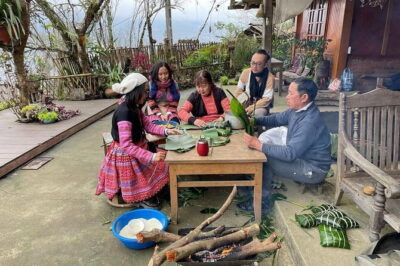
Ta Van is your doorway into the homestay experience. Here, you’re welcomed by a local Giay family and you stay overnight inside their home. The highlight isn’t just sleeping there; it’s the time together. The day’s built around sharing dinner and cooking with your hosts, which is where you tend to learn the everyday stuff—how the home runs, what life looks like at different times of year, and how traditions show up in normal routines.
If you’ve only done “homestay” in name before, this is where you’ll feel the difference. You might not get polished comfort, but you get presence: your hosts respond to you as people, not a tour group passing through.
The best kind of mindset for Day 2
Show up curious and keep your energy steady. Don’t over-plan photo stops. Let the day move at the pace of the path and the household schedule.



Day 3: Bamboo forest to Giang Ta Chai, then back to Hanoi

The third day starts early again, often with the household rhythm—you’ll wake to sounds from the farm life and then eat breakfast outdoors. Expect something simple and warm, like pancakes, hot tea or hot coffee, plus those first morning views over the rice terraces. That morning light is a big reason people love this trek, because you feel the hills before the crowds.
After breakfast, you trek through a bamboo forest toward a silk waterfall area (the route includes that stop as you move toward Giang Ta Chai). The goal isn’t speed. It’s slow walking through changing terrain, with pauses where the guide can explain what you’re seeing in the terraces and village paths.
After a few hours, you stop for a picnic-style lunch with scenic views, then you walk back toward the main road. From there, you catch a car or minivan back to Sapa, arriving around 2:00 PM. You’ll shower at the hotel, then head to the shuttle to the bus office at about 3:00 PM for the ride back toward Hanoi. On departure, you’ll get sandwiches to take away, which is one of those small touches that actually helps when you’re traveling after trekking.
Price and value: what $182 really covers
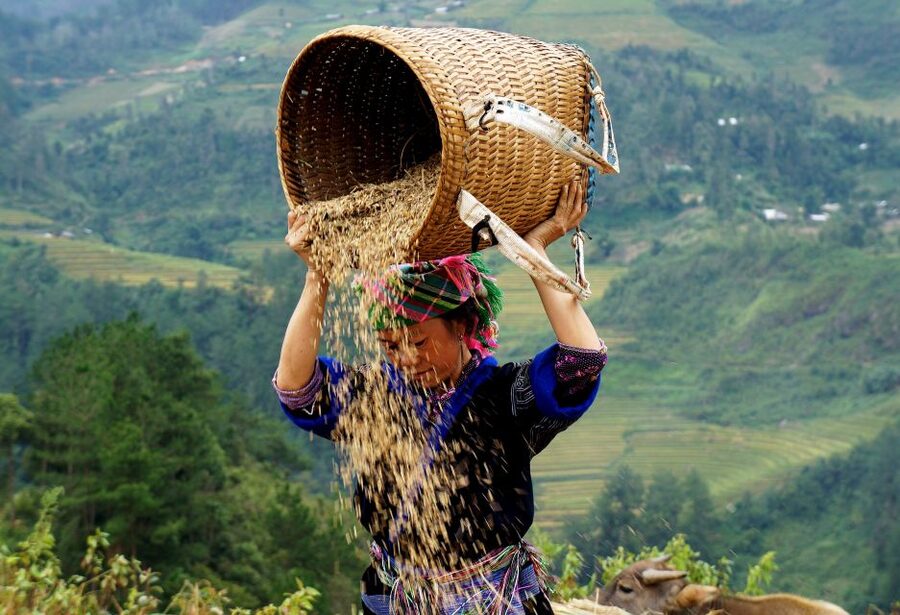
At first glance, $182 can look like a “tour price.” But this itinerary stacks a lot into that number:
- Transport: modern shuttle bus between Hanoi and Sapa
- Guiding: English-speaking guide support between Hanoi and Sapa, plus a local English-speaking guide once you’re in Sapa
- Meals: 3 lunches, 2 dinners, 1 breakfast
- Lodging: one homestay night (shared accommodation in a Dzay homestay, with private rooms available for an extra cost) plus one night at a 3 hotel
- Water: 2 bottles of water
So when you compare it to the cost of simply getting there, booking local guides, and paying for meals while trekking, it starts to look more like a bundled walking-and-living package than a standard sightseeing day.
The real value question is: do you want guided walking plus real household time? If yes, this format makes a lot of sense. If your main goal is comfort or minimal walking, you’ll likely feel the price more than you feel the payoff.
Transport, timing, and how the small-group pace works
This is a small-group tour limited to 10 participants, which changes the vibe on the trail. With fewer people, it’s easier to keep a steady walking pace and get help when conditions shift—especially on hillside paths.
Expect a structured rhythm:
- Morning bus departure from Hanoi (with a pickup window in the Old Quarter)
- Sapa hotel check-in and short acclimation walk on Day 1
- Trek mornings on Day 2 and Day 3 that start early
- A late-morning to afternoon return to Sapa on Day 3, then bus back to Hanoi
Also note the itinerary can be changed due to weather, tide levels, and operating conditions. That matters because it can shift exact timing or which side-areas you cover. In practice, this is one reason you should pack for comfort with layers and warm clothing, not just “good weather” optimism.
Homestay reality check: what you gain and what you won’t
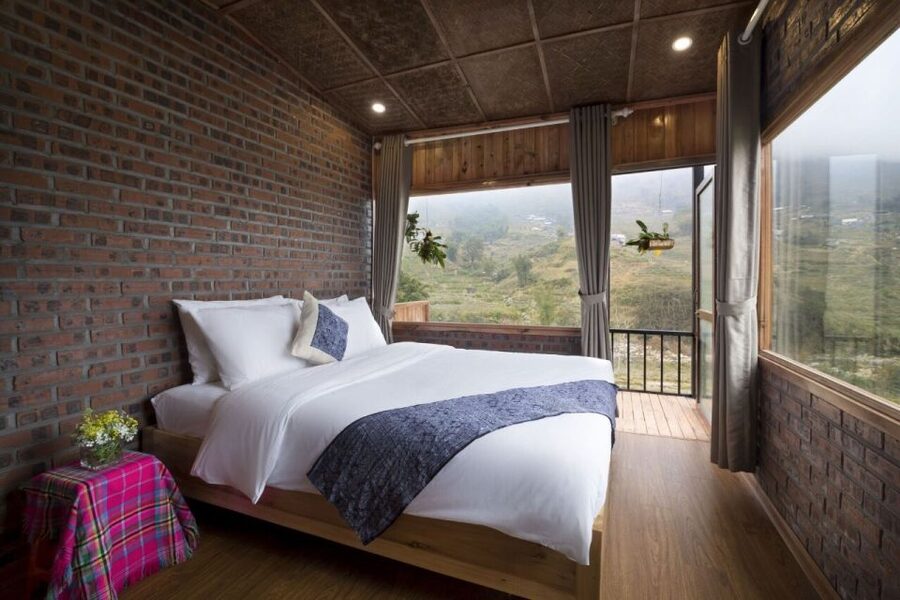
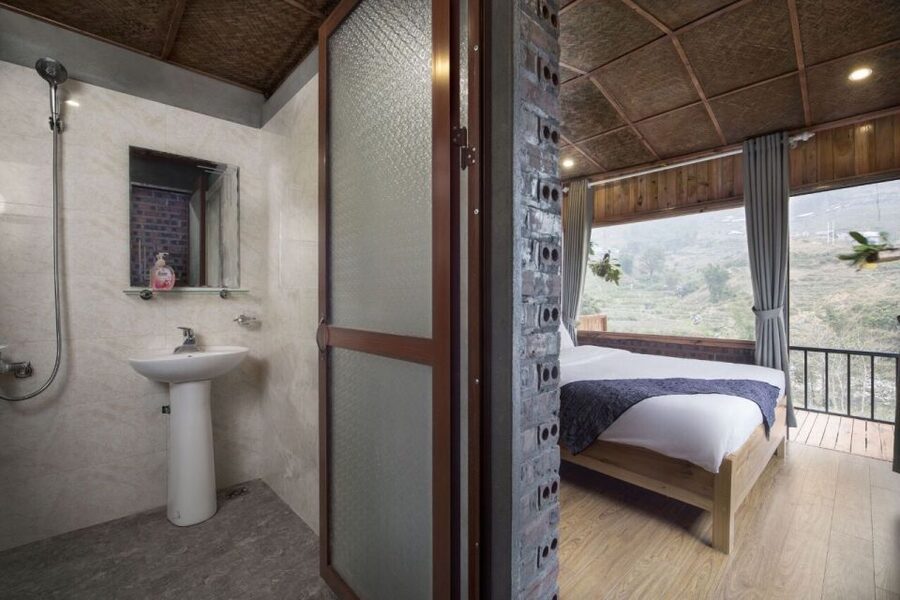
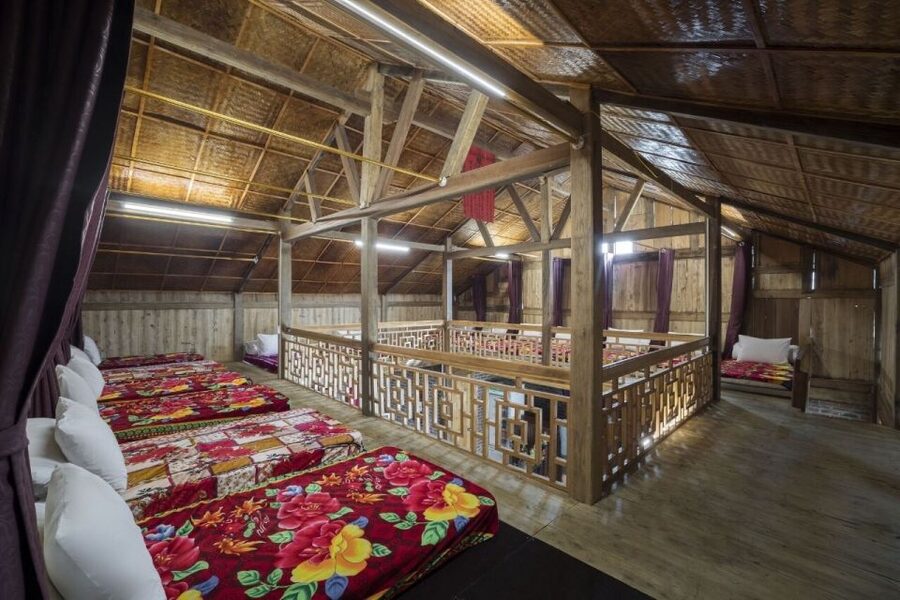
Homestays in Sapa are part of the attraction, but it helps to understand what the trade-off is. The tour specifically notes that homestay facilities are not the same as hotels in Sapa. That means simpler setups, more farm-and-house atmosphere, and less control over comfort details you might be used to.
What you gain is the social time. One highlight is dinner with your local hosts and learning how meals and daily life connect. A guide named Chu was especially praised for being tireless and cordial, and for sharing knowledge about life in the Black Hmong community—those kinds of explanations often only happen when you’re spending time in people’s spaces, not just walking through a marketplace.
The practical “bring this” list isn’t optional
Pack for the cold and for hiking:
- Comfortable shoes (and ideally hiking shoes)
- Warm layers, scarf, and hat for cooler months
- Sunglasses, sunscreen, and insect repellent
- Bring cash for personal expenses (Vietnam Dong is best, and US dollars and euros are also commonly accepted)
If you’re expecting hotel-grade bedding and climate control, you’ll be disappointed. If you want real connection and normal household routines, you’ll likely feel it’s worth the trade.
Shopping pressure and craft requests on the trek
Cat Cat and several village areas are closely linked to crafts and small sales. That can be a cultural moment, and it can also feel pushy if you don’t want to buy.
One downside that comes up is constant requests to purchase crafts, even during trekking time. If you know you hate that style of interaction, prepare a plan before you go:
- Keep your budget in mind for any small crafts you choose to buy
- Decide in advance what you will and won’t purchase
- Treat brief conversations as part of the day, not as a personal obligation
This is one of those cultural realities in Sapa. The best experience happens when you control your mindset: you’re there to learn and walk; shopping is optional.
Weather and fitness: fog, altitude, and how hard the walking is
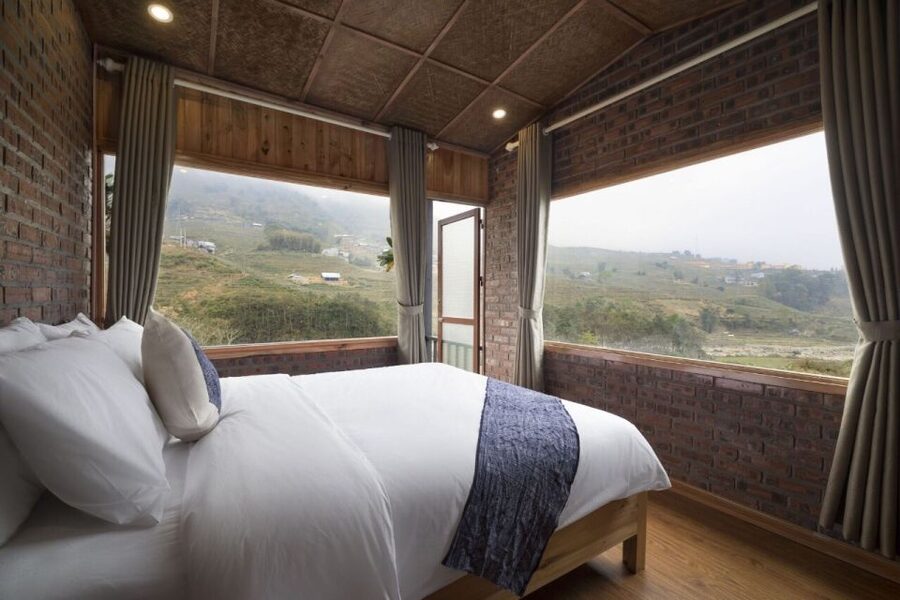
Sapa has altitude, and fog can be common in December, January, February, and March. That changes visibility and can make the air feel colder than you expect. Bring warm layers and plan on wind.
For fitness, don’t underestimate the walking. Even if the route is not described as “extreme,” you still have real uphill and downhill days, plus hillside steps. There’s also guidance that 9 km is not recommended for older guests or children, which is a useful flag about how the trail distance can feel on the ground.
Who should be comfortable walking?
- You should be able to handle uneven paths and steep sections at a steady pace
- You’ll feel better if you wear shoes that grip well
- You’ll enjoy the trek more if you don’t need long stops or constant comfort breaks
Who this trek suits best (and who should skip it)
This Hanoi to Sapa 3-day homestay trek is a great match if you:
- Want village walking more than city sightseeing
- Enjoy meeting people through shared meals
- Like small-group tours and a steady daily plan
- Are comfortable with simpler lodging for one night
It’s not for you if you’re:
- Pregnant
- Managing a pre-existing medical condition
- Expecting hotel-level comfort during the homestay night
- Unprepared for cold or fog in the cooler months
Should you book this Sapa trek with homestay?
Book it if your priority is walking through real village areas and spending a night with a host family. The combination of guided trekking, most meals included, and a small-group size makes it easier to focus on the experience instead of logistics.
Skip it or consider a different style of tour if you want zero-cold-weather risk, zero hiking, or “exactly like the brochure” consistency. The route can adjust with conditions, and homestays are not hotel rooms.
If you’re the kind of traveler who packs warm layers, respects local time, and treats village paths as the point, this trek is a strong choice.
FAQ
What time do you pick up in Hanoi?
Pickup is available from the Old Quarter area of Hoan Kiem district around 6:30–7:00 AM, or you can meet at 6:45 AM at 9 Hàng Hương, Hàng Mã, Hoàn Kiếm.
How long is the trek?
The experience runs for 3 days (2 nights). Starting times depend on availability.
What meals are included?
You’ll get 3 lunches, 2 dinners, and 1 breakfast included in the price. Beverages are not included.
What kind of lodging is provided?
You’ll stay shared accommodation in a Dzay homestay. Private rooms are available for an extra cost, and you’ll also have one night at a 3 hotel in Sapa.
What should I pack for Sapa’s weather?
Bring passport or ID, comfortable shoes (hiking shoes recommended), warm clothing, and weather-appropriate layers. A scarf and hat are especially recommended in cooler months, along with sunscreen and insect repellent.
Is this tour suitable for pregnant travelers or medical conditions?
No. It’s not suitable for pregnant women or people with pre-existing medical conditions.
Can I cancel for a full refund?
Yes, you can cancel up to 24 hours in advance for a full refund.