REVIEW · KATHMANDU
Everest Short Trek – 5 Days
Book on Viator →Operated by White Hill Adventure Treks & Expedition Pvt. Ltd. · Bookable on Viator
Everest in five days sounds impossible. Yet this short Everest trek gives you a practical taste of the high country: early Lukla flight, Namche Bazaar time, and a hike up to Everest View Hotel at about 3,800 m. I especially like how the days are paced for a quick hit of altitude views, and how the package keeps the moving parts handled with flights, permits, and meals. One consideration: because it’s short, you’ll still feel the altitude, so you need a steady pace and a realistic fitness level.
This is also a nice fit if you want culture with your summit dreams. You’ll pass through Sherpa communities tied to Buddhism and everyday village life, then spend time in Namche before heading back down. It’s a private set-up for your group, and you travel with an English-trained guide—helpful when plans involve high-altitude timing and permits.
In This Review
- Key Highlights You’ll Care About
- A 5-Day Taste of Everest From Lukla to Namche
- Price and Logistics: What You’re Paying For (and Why It Might Be Fair)
- Day 1: Kathmandu to Lukla, Then Phakding Warm-Up Trek
- Day 2: Sagarmatha National Park to Namche Bazaar
- Day 3: Everest View Hotel at ~3,800 m and Back to Namche
- Day 4: Back Down to Lukla, Then the Trek Ends
- Day 5: Fly Lukla to Kathmandu and Finish With Real Beds
- Tea Houses, Meals, and the Kind of Comfort You’ll Actually Use
- What the Route Feels Like: Pace, Altitude, and Common Sense
- Fitness Level: Who This Trek Suits Best
- Should You Book the Everest Short Trek With White Hill Adventure?
- FAQ
- How long is the Everest Short Trek?
- What’s included in the trek price?
- Are meals included, or do I need to budget for food on the trail?
- Do I need to bring trekking equipment?
- Is a porter included?
- What fitness level should I have?
- Is there a cancellation or refund option?
Key Highlights You’ll Care About
- Lukla flight plus 3- to 7-hour hikes that make Everest-region scenery possible without a long trek
- Namche Bazaar time at about 3,440 m, giving you a real base for views and acclimatization
- Everest View Hotel at ~3,800 m for big panoramas without pushing toward Base Camp
- Meals and tea-house stays included (breakfast, lunch, dinner; tea/coffee), so you’re not hunting food daily
- Permits and Sagarmatha National Park fees handled as part of the package
- English guide support that matters most when altitude and logistics get real
A 5-Day Taste of Everest From Lukla to Namche
The appeal here is simple: you get the idea and the evidence of Everest fast. You start with a scenic domestic flight into Lukla, then stitch together a trail that climbs to Namche Bazaar and continues upward to the Everest View Hotel area. It’s a tight route, but it’s built to deliver Himalayan drama within a short window.
For me, the biggest win is the mix of wow-factor and practicality. You’re not spending days just getting to the “real” mountains—you’re hiking steadily, then resting in Namche, then heading to a high viewpoint for the payoff. The other strong point is support: you get an English-trained trekking guide and included permits, so you’re not trying to manage paperwork on the ground.
The only real caution is how altitude works even when the itinerary feels “short.” You’ll be moving between elevations roughly from 2,600 m up to about 3,800 m, and you’ll want to take it easy on the first big climbs. If you’re the type who sprints uphill to prove a point, this trek will politely disagree.
You can also read our reviews of more tours and experiences in Kathmandu.
Price and Logistics: What You’re Paying For (and Why It Might Be Fair)
At $1,076.93 per person for about five days, this isn’t “cheap,” but it also isn’t paying for air and then hoping the rest works out. Your money covers the heavy-lift items that often blow up budgets on Nepal trekking trips: round-trip flights between Kathmandu and Lukla, domestic airport pickups and drops, a trained English guide, meals every day, and tea-house accommodation.
Here’s what that means for you in plain terms:
- You don’t have to organize the two-way Lukla flights yourself.
- You’re not paying separately for Sagarmatha National Park fees and the local permit.
- Your daily food is handled (breakfast, lunch, dinner), with tea and coffee included.
What’s not included matters too. You’ll need to budget for hot and cold drinks beyond what’s included, personal expenses like phone calls or laundry, and costs like hot showers/boiled water if you choose them. Trekking gear isn’t included either (though you can rent in Kathmandu), and a porter isn’t part of the package—so plan how much weight you’ll carry.
Net: the value is strongest if you want a guided, structured Everest-region trek where meals, permits, and flights are managed for you. If you love total DIY and already have a solid logistics setup, you might find cheaper routes—but you’ll be trading that simplicity for extra work.
Day 1: Kathmandu to Lukla, Then Phakding Warm-Up Trek
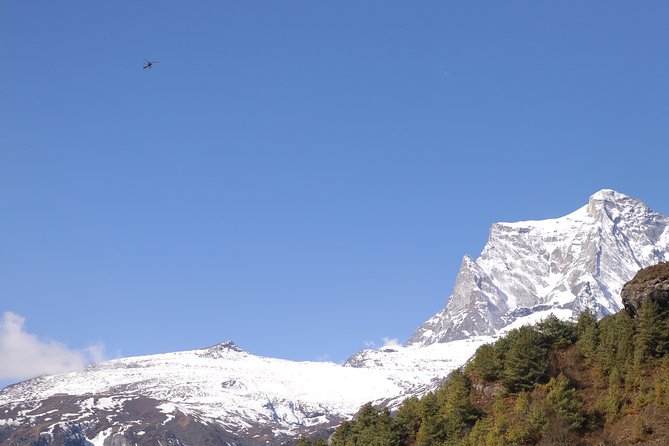
You’ll fly from Tribhuvan International Airport in Kathmandu to Tenzing Hillary Airport in Lukla in the early morning. The flight is short, about 30 minutes, and it’s one of those Nepal experiences you remember long after the trail. Once you land, you shift gears fast: the walking starts almost immediately.
From Lukla you trek to Phakding (about 2,612 m) for roughly 3–4 hours. This is a good first day because it’s not a massive grind. The goal is to get moving, get your breathing sorted, and settle into the rhythm of villages and tea houses.
The main thing to watch on Day 1 is pacing. With high-altitude hikes, you don’t win by charging uphill. Take your time, keep steps controlled, and hydrate steadily. Your body tends to thank you later, especially once the trail starts climbing toward Namche.
Day 2: Sagarmatha National Park to Namche Bazaar
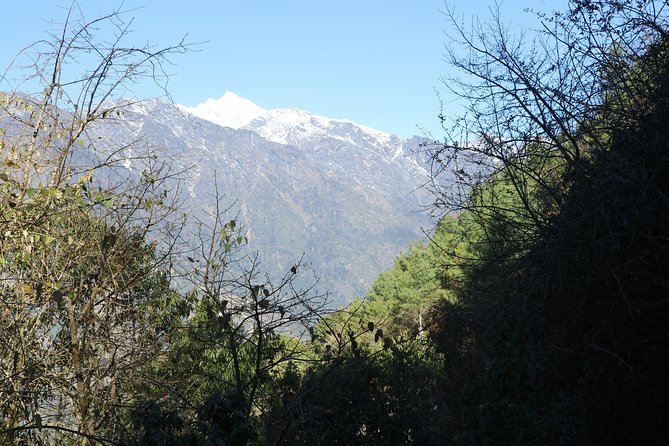
Day 2 is your big upward push, both in elevation and in scenery. You trek from Phakding up to Namche Bazaar (about 3,440 m) via Sagarmatha National Park. Expect around 6–7 hours on the trail.
Namche is a real hub. You’re not just “passing through”; you’re heading into a place where Sherpa culture and Buddhism show up in daily life. This is one reason I like this itinerary: it gives you a meaningful stop where you can slow down, look around, and absorb the region beyond the view from a single point.
Why Namche matters for a short trek:
- It’s high enough to feel like you’re in the Everest sphere.
- It gives you a pause before the next hike to even higher ground.
- It’s where the trek becomes more about acclimatization and less about simply covering distance.
A small drawback: six to seven hours on Day 2 can feel long if you didn’t sleep well or if you arrive already tired from travel. Keep the pace conservative. If you feel chest tightness or a headache that worsens, you should take it seriously and slow down.
Day 3: Everest View Hotel at ~3,800 m and Back to Namche
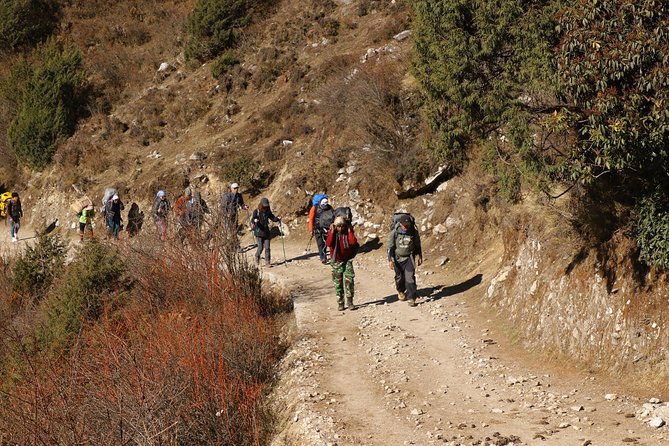
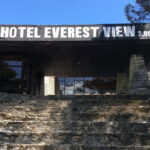
Day 3 is the “view day” that makes this short trek earn its name. You hike up to the area of Everest View Hotel at about 3,800 m and then return to Namche. Total time is roughly 4–5 hours, which keeps it exciting without turning it into an all-day suffering contest.
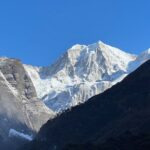
This is your chance to see the Everest region from a high vantage without committing to longer routes. From this elevation, the focus is on panoramas: you get sweeping views toward Everest and nearby giants like Lhotse and Ama Dablam (the itinerary also highlights this range of peaks).
The practical value here is huge. If you’re short on time but still want a true “we’re high enough to matter” moment, this is the day that delivers it. You don’t spend days climbing forever—you spend a few hours climbing to a viewpoint that gives you that Everest-region scale.
One consideration: even with a shorter hike, the air is thinner near 3,800 m. Move slowly on the ascent and plan to take small pauses. You’re there for the views, not for a speed record.
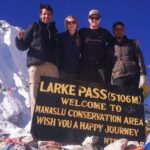
Day 4: Back Down to Lukla, Then the Trek Ends
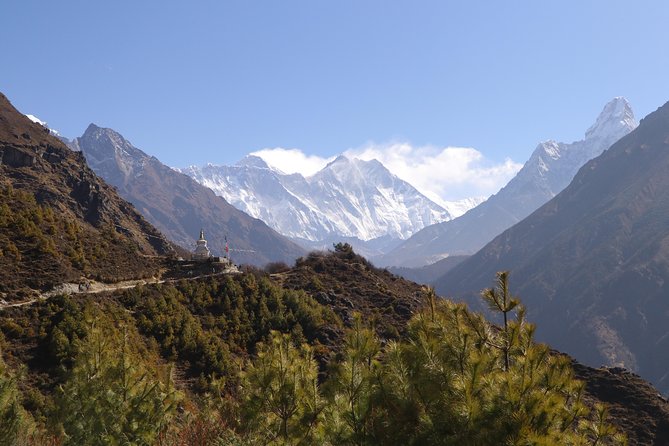
Day 4 is a long descent-and-adjustment day. You trek from Namche back down to Lukla (about 2,860 m) for about 6–7 hours. By now, you’ve got a feel for the trail, and you probably know which sections feel easiest in the morning versus late afternoon.
This day is emotionally different too. After two to three days of building altitude, going back down can feel oddly fast. But it’s also a relief. The terrain won’t be flat, and your legs will still work, but your body gets some altitude relief.
Since day pack comfort can make a big difference on long days, think ahead about what you truly need each morning. On a trek like this, you’ll want to keep your load light enough that you’re not fighting your own gear while you’re tired.
Day 5: Fly Lukla to Kathmandu and Finish With Real Beds
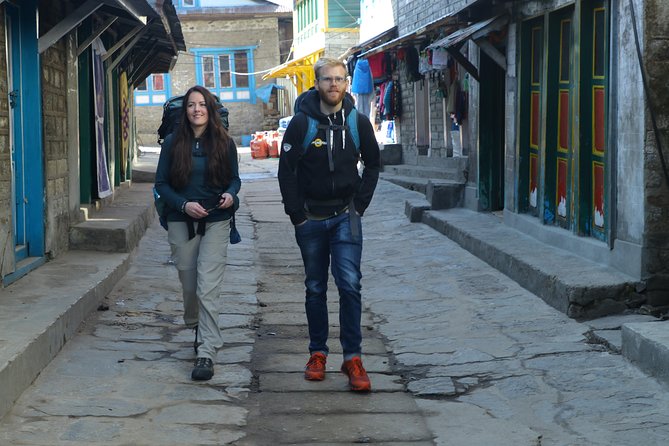
On Day 5, you fly from Lukla to Kathmandu and then transfer to your hotel. This is a clean finish: you get the final change of perspective from high, thin air to the city again.
It’s also a smart way to end a short trek. After five days of tea houses and trail timing, you’re not spending extra days walking. You’re done, fed, and able to decompress.
I like these kinds of endings because you can actually enjoy the final day. You’re not wondering whether you should turn it into another hike just to feel like you “earned” your vacation time.
Tea Houses, Meals, and the Kind of Comfort You’ll Actually Use
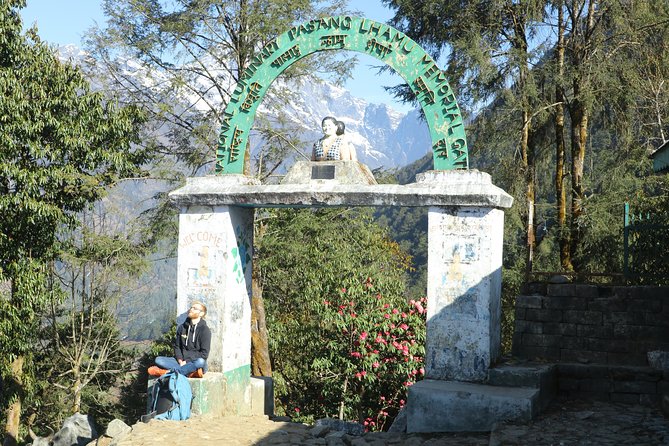
The package includes all mountain tea house/accommodation, plus breakfast, lunch, and dinner every day, and tea/coffee included. That matters more than it sounds.
In the Everest region, where choices get limited, meal inclusion reduces stress. You don’t need to make decisions at every stop, and you can plan around waking up, walking, and eating without guessing.
Still, don’t assume everything is covered. Hot and cold drinks beyond tea/coffee, plus personal expenses like phone calls or battery charging, are not included. Hot showers and boiled water may cost extra depending on the tea house setup.
Also, a porter is not included. That means you should be ready to manage your own bag weight. If you’re carrying more than you should, you’ll feel it more on the longest hiking day (the Namche climb and the Lukla return).
If you want an idea of what makes the experience feel smooth, look for a guide who communicates clearly. People have praised support from staff like Sabin, especially for helping things feel easy before and after the trek, and praised guides such as Pemba for being supportive and comprehensive on the trail. If your group gets someone with that style, it can turn a tough day into a controlled, calm day.
What the Route Feels Like: Pace, Altitude, and Common Sense
This is not a technical climb. It’s trekking. But altitude doesn’t care that you’re not on a rope. Your job is to hike like a patient person.
Here’s how I’d approach it:
- Go slow on the first climbs, especially Day 2.
- Keep hydration steady (don’t wait until you’re thirsty).
- If you get a headache or feel unusually weak, you should take it seriously and ask your guide for guidance.
The itinerary does include a built-in rhythm: Day 2 climbs to Namche, Day 3 takes you to a higher viewpoint and then brings you back down to Namche. That back-and-forth is exactly the kind of pattern that helps in a short timeframe. It’s not a long acclimatization plan, but it’s more thoughtful than a straight line up and out.
Fitness Level: Who This Trek Suits Best
The tour calls for moderate physical fitness, and that’s honest. You’ll be walking about 3–7 hours on different days. If you can handle a steady uphill walk and you’ve got decent stamina for long days, you’ll likely feel comfortable.
This trek suits you if:
- You want a quick Everest-region experience with big viewpoints
- You prefer guided logistics and included meals
- You want cultural context through Sherpa communities and Buddhism-linked village life
- You don’t have a full week (or more) for a bigger trek
It might not suit you if:
- You expect a casual stroll every day
- You struggle with altitude and don’t like the idea of being between 2,600 m and 3,800 m
- You want a porter included for heavier loads
Should You Book the Everest Short Trek With White Hill Adventure?
If you’re deciding between “I want Everest views” and “I don’t have time,” this trek is one of the more sensible ways to get both. The included flights to Lukla, the meal plan, and the permit coverage make it a smoother experience than piecing things together yourself. And the Everest View Hotel day is the exact kind of short-trek payoff you’re paying for.
I’d book it if you’re okay with a serious walking rhythm over five days and you’re willing to respect altitude with a slower pace. I wouldn’t book it if you want zero strain or if carrying your own bag weight is a deal-breaker for you, since a porter isn’t included.
In short: this is a well-structured Everest-region sampler—tight enough to fit a short vacation, but real enough to feel like you went somewhere meaningful.
FAQ
How long is the Everest Short Trek?
It’s approximately 5 days, with trekking days and flying days that bring you from Kathmandu to Lukla and back.
What’s included in the trek price?
The price includes domestic airport pickups and drops, round-trip flights Kathmandu–Lukla–Kathmandu, daily breakfast/lunch/dinner, tea/coffee, tea house accommodation, Sagarmatha National Park fee and local permit, and an English trekking guide.
Are meals included, or do I need to budget for food on the trail?
Meals are included every day: breakfast, lunch, and dinner. Tea and coffee are included too, but hot and cold drinks beyond that are not included.
Do I need to bring trekking equipment?
Your personal trekking equipment is not included, but you can rent it in Kathmandu.
Is a porter included?
No. A porter is not included, so you should plan based on how much you will personally carry.
What fitness level should I have?
The trek is for travelers with moderate physical fitness. The itinerary includes daily hiking times ranging from about 3 to 7 hours.
Is there a cancellation or refund option?
This experience is non-refundable and cannot be changed for any reason. If you cancel or ask for an amendment, the amount paid will not be refunded.