REVIEW · KATHMANDU
Mardi Himal Yoga Trek
Book on Viator →Operated by Classic Escapades · Bookable on Viator
Mardi Himal has a way of making you slow down. This 10-day mix of morning yoga, Himalayan trekking, and Kathmandu spiritual sights is interesting because you’re not just checking off views—you’re timing your body and mind for altitude and effort. I like that the trip builds in evening meditation after trekking days, and I also like the practical organization led by Sunil, the guide who keeps everything running smoothly. The only real drawback to plan for is that you’ll pay extra for some Kathmandu heritage site entry fees (about USD 26), and the yoga happens in real mountain conditions, not a studio.
What makes this itinerary feel workable is its rhythm. You start with Thamel and iconic stupa/temple stops, then you shift to Pokhara for a reset before heading into the Mardi Himal region for 5 trekking days. With a maximum group size of 10 and porters plus a trekking guide, you get the benefits of a small group without the “everyone is on their own” stress. You also get mobile ticketing and airport pickup/drop-off, which matters in a first-time Nepal trip.
In This Review
- Key things I’d watch for before you go
- Why a Yoga Trek to Mardi Himal Works Better Than a Pure Trek
- Price and Logistics: What You’re Really Paying For
- Day 1 in Thamel: Arrival That Doesn’t Leave You Guessing
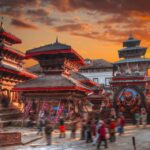
- Kathmandu Sightseeing Days 2: Swoyambhu, Patan, Boudha, Pashupatinath
- Swoyambhu Mahachaitya (Monkey Temple)
- Patan Durbar Square
- Boudhanath Stupa
- Pashupatinath Temple
- Day 3 Pokhara: Six Hours of Drive, Then Lakeside Breathing Room
- Day 4 From Dhampus to Pitam Deurali: A Trek Start That Builds Confidence
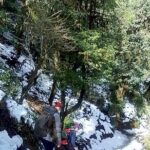
- Day 5 to Forest Camp: First Real Taste of Mardi Himal
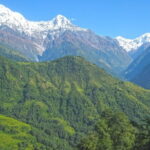
- Day 6 Up to High Camp: Where Views Start to Pay Off
- Day 7 Mardi Himal Base Camp: Yoga at 4,500m and the Descent Rhythm
- Day 8 Back to Sidding and Pokhara: Recovery With a Purpose
- Day 9: Return to Kathmandu and One More Morning Yoga
- Day 10: Thamel and Airport Transfer
- What the Yoga and Meditation Actually Mean Here
- Weather Reality: What You Can Expect and How to Stay Flexible
- Who This Trek Is Best For (and Who Might Struggle)
- Should You Book the Mardi Himal Yoga Trek?
- FAQ
- How long is the Mardi Himal Yoga Trek?
- Where does the tour start and when?
- How many people are in the group?
- Is airport pickup and drop-off included?
- What level of fitness do I need?
- What lodging is included in the price?
- Are permits included for trekking?
- Are Kathmandu heritage entry fees included?
- What meals are included?
Key things I’d watch for before you go
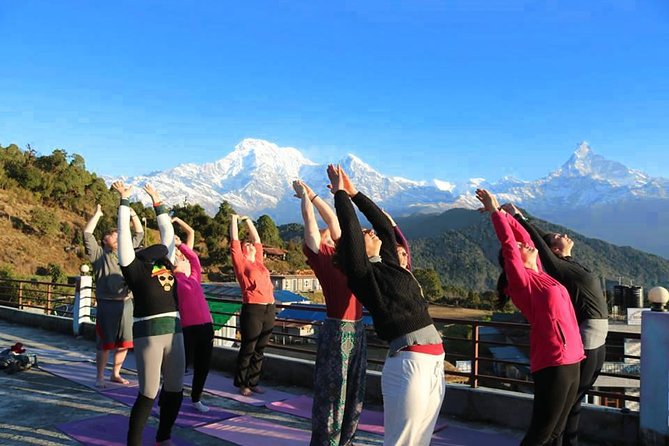
- Yoga + trekking, same trip: you get morning yoga sessions and evening meditation across the full journey, including on trekking days
- Small group vibe (max 10): easier to manage, and you’re less likely to feel lost in a crowd
- Sunil’s straightforward organization: based on past participants’ feedback, the trip flow tends to feel calm and well run
- Extra Kathmandu entry fees: sightseeing days don’t include all heritage tickets (budget about USD 26)
- Moderate fitness, real altitude: the hardest moments come as you gain elevation toward High Camp and Mardi Base Camp
Why a Yoga Trek to Mardi Himal Works Better Than a Pure Trek
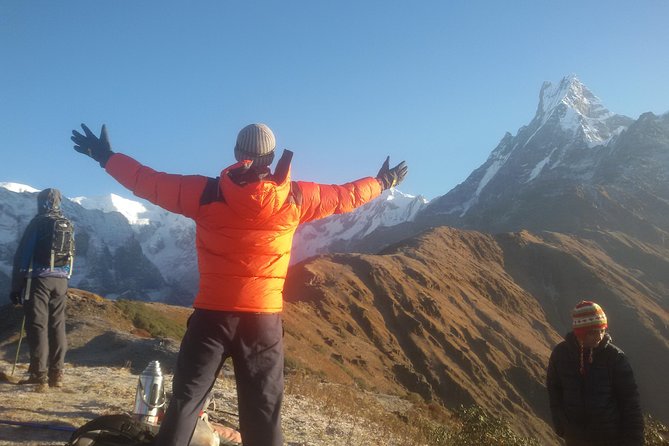
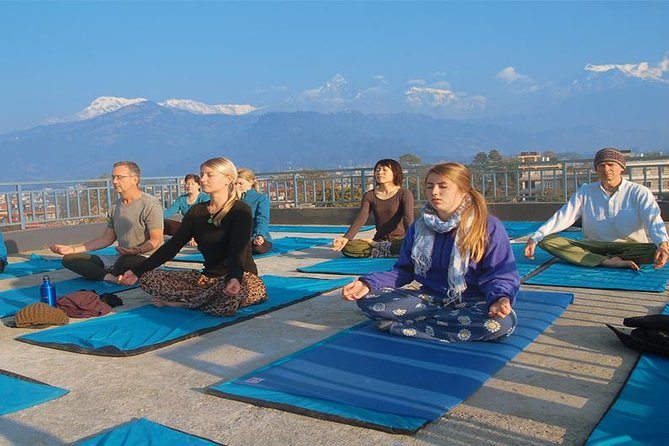
A standard trek can be all breath and legs. A yoga trek like this one adds a mental off-switch. You start each day with movement and breathing, then you spend the day walking. After that, you land with meditation when your body is tired enough to actually feel it.
This matters because Mardi Himal is about endurance, not just scenery. You’ll hike through forest sections and climb toward camps (Forest Camp, High Camp, Low Camp), then go up to Mardi Himal Base Camp. The trip’s structure makes those transitions feel intentional: yoga before you start, meditation when you finish, and downtime in Kathmandu and Pokhara between major trekking blocks.
I also like that the trip doesn’t pretend yoga is a fantasy. You’ll do practice even at elevation. One highlight is that you’ll have yoga practice around 4,500m before descending. That’s not “easy yoga.” It’s controlled, guided practice in mountain conditions—exactly the kind of experience that can change how you handle discomfort.
You can also read our reviews of more tours and experiences in Kathmandu.

Price and Logistics: What You’re Really Paying For
The price is $1,057 per person for a roughly 10-day package. On paper, that can feel like a lot. In practice, it lines up with what you’re getting: transport, guides, accommodation, trekking permits, and daily meals on the trekking portion.
Here’s what your money is covering:
- Airport pickup and drop-off
- Kathmandu lodging (3 nights) and Pokhara lodging (2 nights), twin sharing in tourist class
- All overland transportation between key points
- Professional trekking guide and porters
- All necessary trekking permits
- 5 days trekking in the Mardi Himal region
- Yoga sessions with a certified yoga teacher
- Three cups of tea each day during the trek
- Meals: breakfast (9), lunch (5), dinner (4)
What’s not included (important for budgeting):
- Kathmandu heritage site entry fees on sightseeing day, about USD 26
- Meals not listed for Kathmandu and Pokhara (lunches and dinners there)
- Gratuities for guide and porters
- International airfare and travel insurance
The value play here is that you’re not just paying for a route. You’re paying for someone to handle logistics—vehicles, permits, camping-to-camp planning, and guided yoga—so you can focus on walking and breathing.
Day 1 in Thamel: Arrival That Doesn’t Leave You Guessing
You start at Tribhuvan Airport, with a pickup scheduled for 5:15 pm. From there, you’re driven to Thamel for check-in and free time. This is a smart start for travelers who don’t want to negotiate transport right after landing.
Thamel is convenient because it’s close to public transportation, and it’s where most first-timers end up naturally. The itinerary doesn’t force you to do anything “right away,” which gives you time to settle, eat something familiar, and prep mentally for the next morning.
One thing to note: the tour uses mobile ticket delivery, which is helpful, but you should still keep your key details accessible on your phone offline.
Kathmandu Sightseeing Days 2: Swoyambhu, Patan, Boudha, Pashupatinath
Day 2 is a full cultural day with yoga built in. You begin with early morning yoga, then breakfast, then a busy but meaningful loop through some of Nepal’s most recognized religious sites.
Swoyambhu Mahachaitya (Monkey Temple)
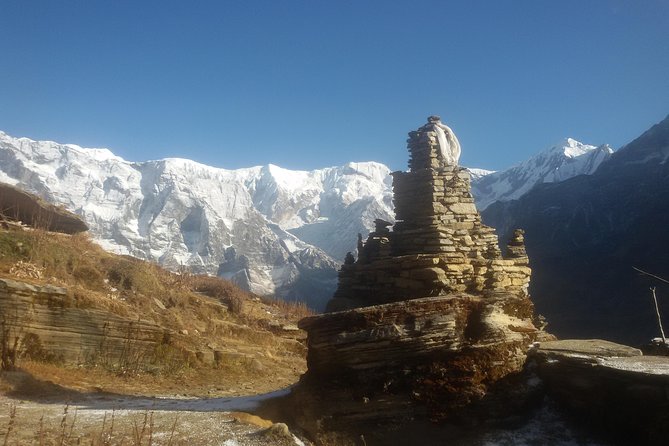
This is where you start after your yoga session. The stupa at Swoyambhunath is famous for the monkeys around it, but the real point is perspective: you’re looking out over Kathmandu from a place tied to spirituality and tradition. The itinerary lists this stop as about 1 hour, and it also notes that the ticket is not included.
Patan Durbar Square
Next comes Patan Durbar Square. It’s a different vibe than Swoyambhu: more built heritage, more crafted stone and courtyards, and a chance to see another “center” of Kathmandu Valley culture. Again, the itinerary lists about 1 hour and entry not included.
Boudhanath Stupa
Then you shift to Boudhanath, where the day slows down. This stop is listed at 2 hours including lunch. If you want a break from motion, this is it: sit, watch, and let the scale of the stupa calm your nervous system before trekking starts.
Pashupatinath Temple
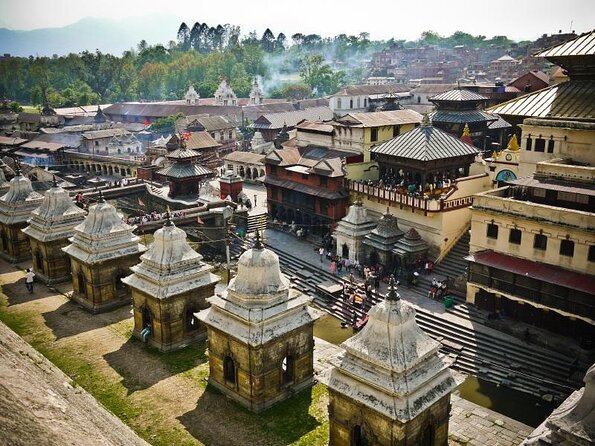
The day ends with Pashupatinath in the itinerary, plus evening meditation. This combination is effective: temples can be intense, and meditation gives you a way to process what you just saw. Tickets aren’t included for this stop either.
Practical caution: budget time and money for heritage entry fees. Since they’re excluded, you’ll likely be buying multiple tickets across this day.
Day 3 Pokhara: Six Hours of Drive, Then Lakeside Breathing Room
On Day 3, you start with early morning yoga, then you drive to Pokhara. The drive is listed at about 6 hours. This matters because it frames the day: yoga helps you “arrive” before you hit the road, and then your evening meditation gives you a reset after you’re done moving.
Pokhara Lakeside becomes your staging area. You’ll spend the night in Pokhara, which is a smart change from Kathmandu’s energy. It also keeps the trek from feeling like a straight-line grind from day one.
The itinerary notes that Day 3 includes an evening meditation session, and it also indicates that the admission ticket is included for this transfer day section.
Day 4 From Dhampus to Pitam Deurali: A Trek Start That Builds Confidence
Day 4 begins with yoga again, then you drive to Phedi. From there, the plan is to trek to Pitam Deurali via Dhampus village and Pothana. The itinerary lists this day as about 5 hours.
This kind of trek day is valuable because it’s not the first moment you’re tested at maximum effort. It’s a transition day. You’ll still be walking, but you get to practice pacing and take in village routes before the trek turns more serious on later days.
Evening meditation continues, so you’re getting that consistent post-walk decompression. If you’re the kind of person who feels sore and then gets stiff, these nightly sessions can help you stay more functional for the next climb.
Day 5 to Forest Camp: First Real Taste of Mardi Himal
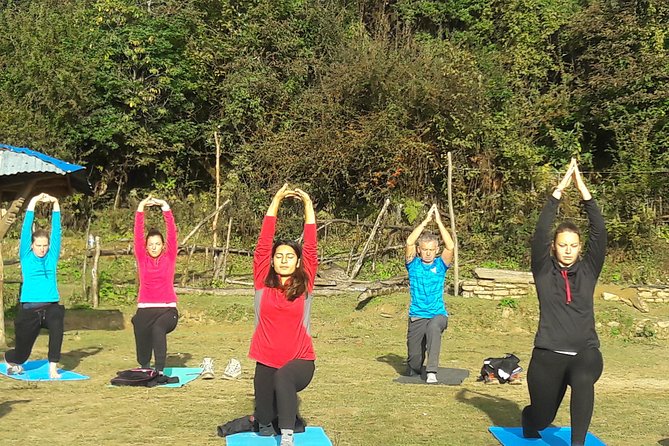
Day 5 is where you step fully into the Mardi Himal region. You’ll do early morning yoga, then trek to Forest Camp for an overnight stay. The day is listed at 5 hours with a “beautiful forest walking day” feel.
Forest hiking changes the game. It tends to smooth the temperature and can make the climb feel less exposed than open ridges. It’s also a good day to lock in walking habits: steady steps, hydration, and respecting the altitude even when the air feels mild.
Evening meditation is again included. That consistency matters. It means the trek doesn’t feel like you’re only surviving the next bend.
Day 6 Up to High Camp: Where Views Start to Pay Off
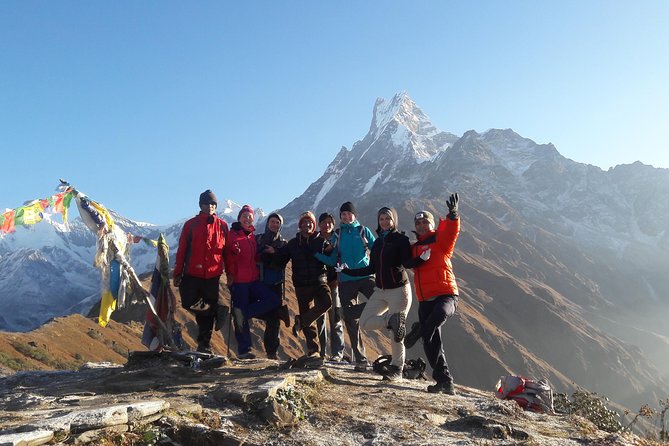
Day 6 brings the climb to High Camp. You’ll do yoga in the morning, then trek “all the way up” to High Camp, with the itinerary listing around 6 hours.
This day is likely the first time you notice the altitude more strongly. The good news is you’ve already been practicing breathing and focus through daily yoga. The bigger win is that High Camp is where surrounding views start to become part of your reward cycle, not just a distant promise.
Evening meditation is included. If you’re pushing hard, a quiet wind-down is the difference between sleeping well and tossing all night.
Day 7 Mardi Himal Base Camp: Yoga at 4,500m and the Descent Rhythm
Day 7 starts with an early hike to Mardi Himal Base Camp. The itinerary also includes yoga practice at about 4,500m, then you descend to Low Camp via High Camp.
The day is listed at 7 hours, so plan for it to feel longer than it sounds. The value here is the combination: you get the high point moment, then you practice moving with intention through the return.
Evening meditation continues, so the day ends with structure instead of a tired scramble.
From a planning standpoint, base camp days are where people either feel proud or feel flat. This trip’s yoga pacing can help you manage that emotional roller coaster.
Day 8 Back to Sidding and Pokhara: Recovery With a Purpose
Day 8 brings early yoga practice, then the trek down to Sidding for about 3 hours, followed by a drive back to Pokhara. It’s a 5-hour day listed overall, and it ends with evening meditation.
This is a recovery day that still keeps your legs moving. You’ll likely feel “lighter” because you’re descending, but you’re not going to be totally sedentary. You get a chance to reset your schedule and keep your body from going stiff.
Day 9: Return to Kathmandu and One More Morning Yoga
Day 9 includes another morning yoga practice, then a drive back to Kathmandu later in the day. The itinerary gives 7 hours total for this day segment and includes evening meditation as well.
Back in Kathmandu, you’ll have that familiar contrast: you’ve been in the mountains, then suddenly you’re in traffic and crowds again. Yoga can make that transition smoother. It’s also helpful if you want to keep your sleeping schedule from falling apart after trekking.
Day 10: Thamel and Airport Transfer
On Day 10, you’ll do a final Thamel-based morning yoga practice, then drive to the airport at your departure time. The airport transfer is listed as 20 minutes.
This is a nice touch because it prevents the classic end-of-trip chaos where everyone rushes out of town without taking care of themselves.
What the Yoga and Meditation Actually Mean Here
This isn’t a “take one yoga class and call it a yoga trek” situation. Yoga sessions are scheduled repeatedly:
- early morning yoga on multiple days
- evening meditation sessions on trekking days and Kathmandu days
- yoga practice around 4,500m
- meditation after long drive days too
The trip also specifies that yoga is taught by a certified yoga teacher. That matters because it signals structure and safety. In mountain trekking, you don’t want random stretching that ignores breath and balance.
And don’t overlook the tea: three cups of tea each day during the trek. It’s small, but on cold mornings it becomes a ritual. It helps you warm up, slow down, and re-enter your day one step at a time.
Weather Reality: What You Can Expect and How to Stay Flexible
Nepal weather can change quickly, especially during shoulder seasons. One experience from September described rain during the first couple of days, with clearer conditions once the group reached High Camp and Mardi Base Camp. That’s useful because it hints at a pattern: if the lower sections are rough, the higher viewpoints might still deliver when the skies open.
You should still be ready for wet conditions early in the trek. Bring gear that handles damp weather and protect yourself for mist and cold as altitude rises. Even if the forecast looks fine, mountain weather can turn.
Who This Trek Is Best For (and Who Might Struggle)
This trip is designed for people with moderate physical fitness. You don’t need to be a mountain athlete, but you do need to be comfortable hiking for several hours a day while managing altitude fatigue.
It’s a strong fit if you want:
- a guided trek with porters and a professional guide
- daily yoga and meditation as part of your travel rhythm
- a balanced start in Kathmandu and a reset in Pokhara
If you’re expecting long, flat days or a purely relaxed experience, this probably won’t feel that way. The climb to High Camp and the base camp day are the heart of it, and your body will tell you that quickly.
The group size of up to 10 can be a nice sweet spot. You get social energy without feeling packed in.
Should You Book the Mardi Himal Yoga Trek?
If you want a Himalayas trek that treats your mind as seriously as your muscles, I think this is a smart booking. The package value is solid because it includes permits, guides, porters, accommodations, and structured yoga with a certified teacher. The itinerary also keeps a human rhythm, with breaks in Kathmandu and Pokhara rather than stacking every day into trekking.
I’d book it if:
- you’re excited by yoga in real mountain conditions (including around 4,500m)
- you prefer guided logistics over planning everything yourself
- you’re okay paying extra for some Kathmandu heritage entry fees (about USD 26)
I’d hesitate if:
- you hate the idea of rain or slippery trail mornings without flexibility
- you’re looking for a purely sightseeing trip with no demanding hiking segments
Overall, this is the kind of trek that can feel like a full experience, not just a hike with a side class.
FAQ
How long is the Mardi Himal Yoga Trek?
It’s listed as 10 days (approx.).
Where does the tour start and when?
The start point is Tribhuvan Airport, Kathmandu, Nepal, with a start time of 5:15 pm.
How many people are in the group?
The tour has a maximum of 10 travelers.
Is airport pickup and drop-off included?
Yes. Airport pickup and drop off are included.
What level of fitness do I need?
You should have moderate physical fitness.
What lodging is included in the price?
You get 3 nights in Kathmandu and 2 nights in Pokhara, both on a twin sharing basis in tourist class accommodations.
Are permits included for trekking?
Yes. All necessary permits for trekking are included.
Are Kathmandu heritage entry fees included?
No. Heritage site entry fees in Kathmandu on the sightseeing day are not included (about USD 26).
What meals are included?
The package includes breakfast (9), lunch (5), and dinner (4). Lunches and dinners in Kathmandu and Pokhara are not specifically included in the itinerary details.