REVIEW · KATHMANDU
Everest Base Camp Trek Via Salleri
Book on Viator →Operated by icicles adventure treks and tours · Bookable on Viator
A quieter Everest route, with real payoff. This trek takes you toward Everest Base Camp through a Salleri-style approach: longer jeep time up front, then days of walking past isolated Sherpa villages and Takshindo Gompa. I also like that the pace is built around acclimatization hikes, not just getting altitude fast.
Second, I love the human touch in the planning. You’re matched with one highly experienced guide and porters, with 1 porter for 2 hikers, plus best-available lodges as you go higher. And the package throws in gear support like a duffduffel bag, down jacket and sleeping bag, which matters when nights get cold.
One thing to think about: meals are not included. That means you’ll pay for breakfast and dinner most days, and that can change the real cost of the trek depending on what you choose to eat.
In This Review
- Quick hits before you commit
- Why the Salleri route feels different from the classic EBC walk
- Kathmandu setup: Thamel meetup and a 6:15 am start
- Road day to Phaplu and Ringmo, then Takshindo Gompa at 3,071m
- From Takshindo to Khari Khola, then to Puiyan and Phakding
- Namche Bazaar and the first big acclimatization layer
- Everest View Hotel from Namche: a smart, classic altitude test
- Tengboche to Dingboche: monasteries, valleys, and the step toward 4,410m
- Nagerjun acclimatization day: learning your high-altitude limits
- Dingboche to Lobuche at 4,910m: the long high transition
- Everest Base Camp at 5,364m, Gorekshep, and Kala Pathar at 5,545m
- Coming down: Pheriche back to Namche, Phakding, Puiyan, Khari Khola, and Takshindo
- The drive back to Kathmandu and the end-of-trek decompression day
- Price and what $1,952 really buys you on this trek
- Lodges, hot showers, and carrying less in the cold
- The guide team vibe: organized, flexible, and human
- Who this Everest Base Camp via Salleri trek suits best
- Should you book Everest Base Camp Trek via Salleri?
- FAQ
- Where do I meet, and what time does the trek start?
- Is pickup offered?
- How long is the trek?
- Is this a private trek?
- What gear and comforts are included?
- Are meals included in the price?
- What documents do I need for permits?
- What if weather is poor or plans need to change?
Quick hits before you commit
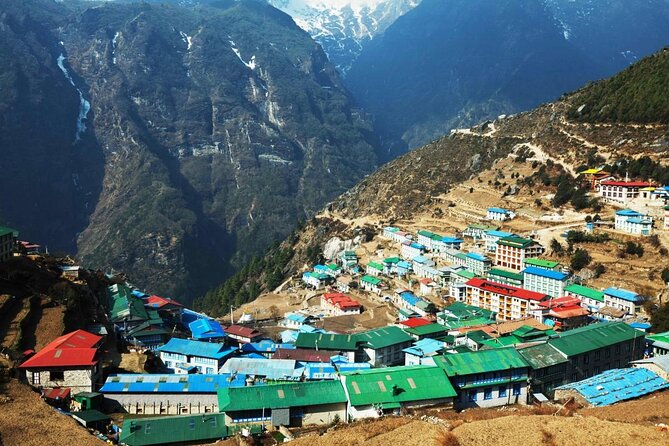
- Salleri route feel: less crowded villages and river-valley walking on a different approach than the more famous Lukla corridor.
- Takshindo Gompa day: a memorable first taste of Sherpa culture right after the long drive.
- Two acclimatization hikes: Everest View Hotel from Namche, plus a hike to Nagerjun from Dingboche.
- High viewpoints hit hard: Gorekshep to Kala Pathar at 5,545m for big views over Everest’s area.
- Porter support: one porter for every two hikers, plus loaned cold-weather gear during the trek.
- Hot shower comfort points: attached bathrooms with hot showers listed for Lukla, Phakding, and Namche.
Why the Salleri route feels different from the classic EBC walk
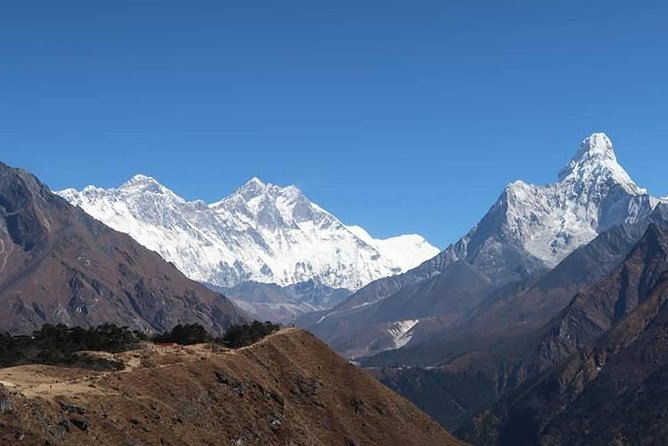
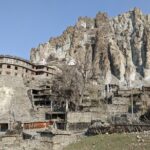
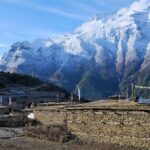
The big draw here is the change in scenery and community. Instead of simply following the most common Everest Base Camp flow, this route threads through smaller settlements and quieter valleys, with Sherpa villages tucked alongside the river systems. You get that sense of place—tea houses, prayer sites, and daily life—rather than only seeing Everest the whole time.
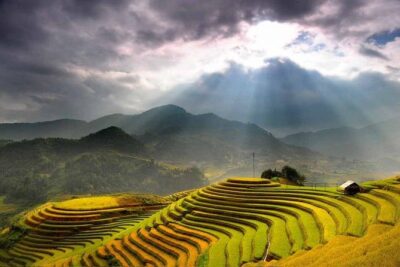
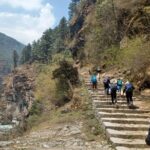
You also start building your Everest connection earlier. The early days lean into villages, terrace farms, and narrow canyon walking, plus crossings of fast-moving white rivers. It’s the kind of trek where the scenery keeps shifting in smaller, frequent doses, not just one long straight climb toward one view.
Still, it’s not a “easy mode” alternative. The altitude profile is what it is on Everest’s side of the Himalaya, and the remote feel means you’ll want to be mentally ready for basics and fewer comforts than a city-style holiday.
You can also read our reviews of more tours and experiences in Kathmandu.
Kathmandu setup: Thamel meetup and a 6:15 am start
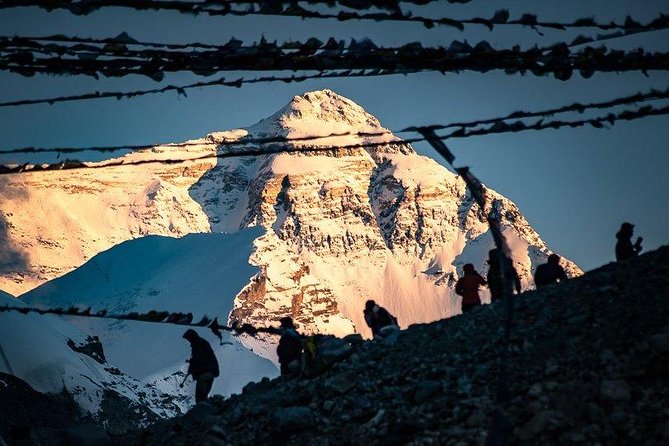
Most Everest treks start with a scramble. This one starts with structure. You meet in Thamel (Kathmandu), and your start time is 6:15 am, with pickup offered. You’ll also receive a mobile ticket, so you’re not juggling paperwork all morning.
Kathmandu itself is a good place to do last-minute checks: cash for daily extras, a backup headlamp battery, and any warm layers you forgot. Since the trek includes cold-weather gear like a sleeping bag and down jacket during the walk, you can travel a bit lighter—but you still want your personal items dialed in.
If you’re nervous about altitude, Kathmandu is where you calm down. I’d use the morning energy to get your bearings, confirm your gear, and then settle into the idea that the next days are about steady steps.
Road day to Phaplu and Ringmo, then Takshindo Gompa at 3,071m
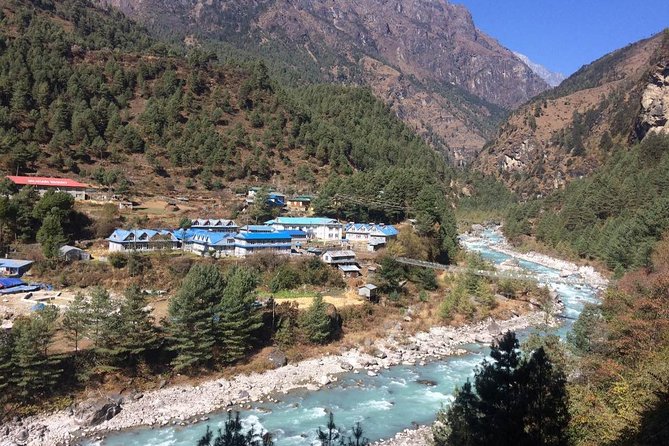
Day 2 is a long transfer day. You drive from Kathmandu to Phaplu and Ringmo, then trek briefly to Takshindo (3,071m)—listed as about 8 hours driving plus a short walk. It’s not a grueling hike day, but it’s a full logistics day, and that’s a plus for people who don’t love long first-day climbs.
Takshindo is also your cultural opener. The route highlights Takshindo Gompa, and this matters because early on, you’ll see why Sherpa life is shaped by these valleys and trails. A short walk here can feel like it gives you a different Nepal than you’d get from only city sightseeing.
Practical note: after a long drive, your body can feel “not tired but not fresh.” I’d take it slow once you start walking, keep your breathing steady, and treat the day as a warm-up.
From Takshindo to Khari Khola, then to Puiyan and Phakding
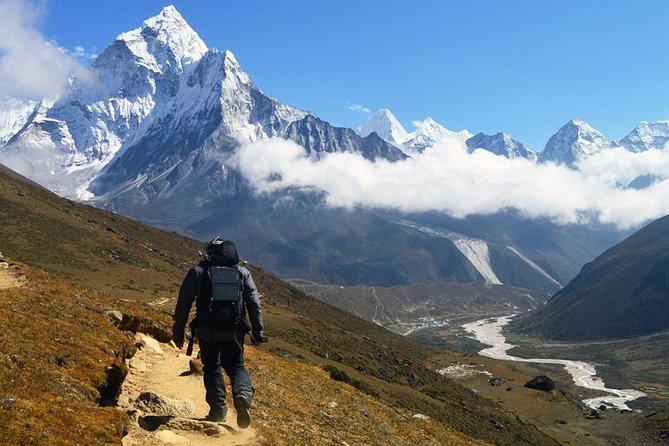
The trek then steps you through a valley sequence: Takshindo → Khari Khola → Puiyan → Phakding. This is where the “alternate route” becomes real. You’re not just moving between big-name stops; you’re traveling through smaller elevation bands that gradually acclimate your system.
Khari Khola is listed at 2,194m. Puiyan is 2,890m, and Phakding is 2,652m. Those altitude changes are gentle enough to keep your legs working without throwing you straight into high-altitude chaos.
Phakding is also where you start thinking about your evenings. Lodges are the norm, and while you should expect basics, the tour is set up for “best available lodges.” It also lists attached bathroom with hot shower at Phakding (and Namche), which can be a morale boost when you’re tired and the air is crisp.
Namche Bazaar and the first big acclimatization layer
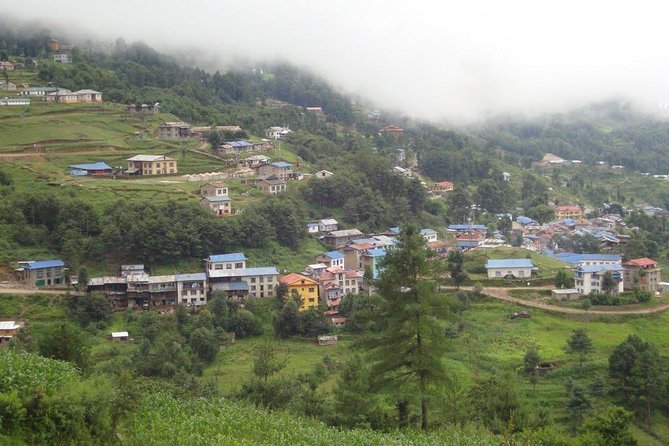
The push to Namche Bazaar (3,440m) usually feels like the first major checkpoint on many Everest treks—and here it’s no different. You go Phakding to Namche Bazaar, reaching that 3,440m altitude, and then you get an important break: a proper acclimatization day rather than just marching on.
Namche is also where the Everest trek becomes more than geography. The higher you go, the more your day is shaped by weather, cold, and how you sleep. I love that this tour builds in a “take a breath” moment, because your success on Everest isn’t only fitness—it’s also recovery.
Everest View Hotel from Namche: a smart, classic altitude test
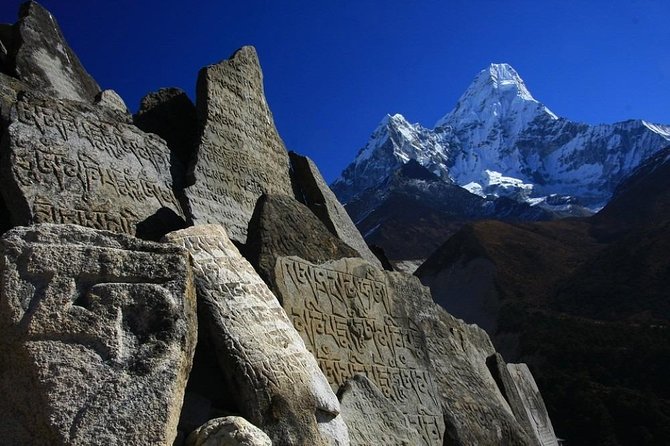
Your first acclimatization day is a hike to Everest View Hotel, then back down. This is listed as the acclimatization plan after reaching Namche. The value is simple: you gain altitude, you experience thin air, and you don’t go too far too fast.
From a practical standpoint, this kind of hike helps you learn your pacing. You’ll find out quickly how your body reacts to effort at height, whether you’re going too fast, and how often you need to stop. I’d use the day to practice your rhythm: short steps, steady breathing, and plenty of water.
The tour also includes cold-weather support (down jacket and sleeping bag), which helps your nights in Namche. Better rest makes a real difference when the next travel day is up to the 3,800m range.
Tengboche to Dingboche: monasteries, valleys, and the step toward 4,410m
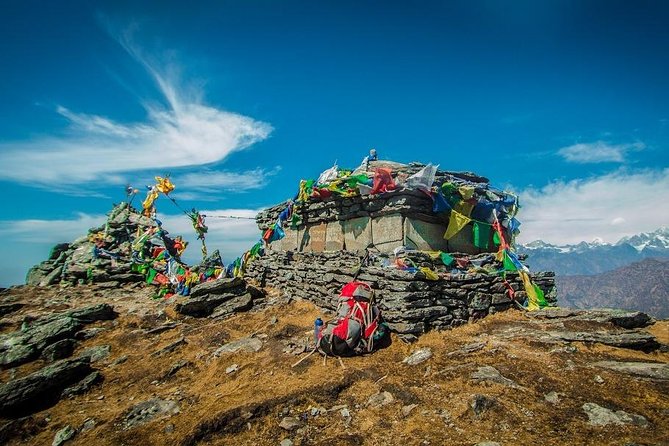
After Namche, you head toward Tengboche (3,860m), then onward to Dingboche (4,410m). The trek description calls out religious sites like monasteries, and Tengboche is one of those places where it feels normal for the mountains to be part of daily ritual.
Dingboche matters because it sets you up for your second acclimatization day. You’re approaching higher elevations now, so it’s not only about walking. It’s about keeping your body calm, eating enough, and avoiding the urge to “prove something” by pushing too hard.
If you’re new to high-altitude trekking, this is the section where you should be extra honest about how you’re feeling. You’re still moving forward, but you should also be thinking about tomorrow’s hike and how you’ll recover tonight.
Nagerjun acclimatization day: learning your high-altitude limits
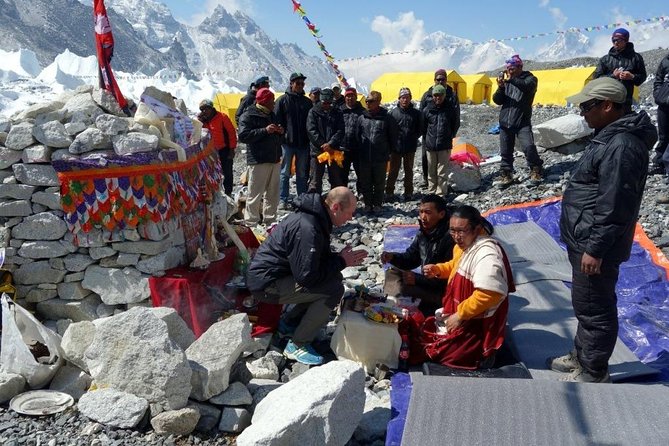
This trek includes an acclimatization day with a hike to Nagerjun, then return. The route specifically lists Nagerjun as part of the plan from the Dingboche area.
What you gain here is altitude practice in a controlled way. That’s crucial because Everest Base Camp is still far away on a map, but your body will feel the height long before you reach base camp. A day like this can be tiring, but it shouldn’t feel like a sprint. The goal is to come back to sleep better, not to max out your effort.
I also like that the plan includes this as an intentional pause. Many trekkers treat acclimatization like a formality. Here, it’s built into the schedule, which makes it easier for you to follow the pacing your body needs.
Dingboche to Lobuche at 4,910m: the long high transition
From Dingboche, you move to Lobuche (4,910m). This is one of the more intense sections because you’re gaining altitude again and the air keeps thinning.
Lobuche is also a staging area. It’s where “tomorrow is the big day” starts to feel real. It’s worth taking your time on the walk and managing energy like it’s currency. If you’re tired here, you’ll feel it on the later days when you’re chasing sunrise and big viewpoints.
The tour’s support helps: guides and porters are there, and your load is lightened by having a porter for your group. That doesn’t remove altitude challenges, but it can keep fatigue from turning into sloppy pacing.
Everest Base Camp at 5,364m, Gorekshep, and Kala Pathar at 5,545m
Then you go to the headline: Everest Base Camp (5,364m) with Gorekshep. Reaching EBC is what most people picture. But the trek’s real magic is how the final approach builds. You’re not waking up in a dream; you’re walking there with tired legs and careful steps, and that makes the moment feel earned.
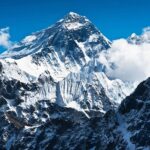
After base camp time comes the hardest-sparkle day for many trekkers: Gorakshep to Kala Pathar (5,545m) to Pheriche (4,210m). Kala Pathar is where you chase one last major view of Everest’s surroundings. The climb to 5,545m will test your breathing, and the descent can feel long even when you’re relieved.
Pheriche at 4,210m is a decent breather spot to reset before you work your way back down. You’ll likely feel the cold at night, so again, the sleeping bag and down jacket included by the tour can make your night more comfortable and less survival-mode.
Coming down: Pheriche back to Namche, Phakding, Puiyan, Khari Khola, and Takshindo
The return route follows the valley logic in reverse. You go Pheriche → Namche, then Namche → Phakding, Phakding → Puiyan, Puiyan → Khari Khola, and Khari Khola → Takshindo. That loop is mentally easier than the upward push because each day feels like progress toward warmth and normal air.
Still, don’t treat the downhill like a vacation. Your knees can take a hit, especially after the high days around Lobuche, base camp, and Kala Pathar. I’d keep steps short and frequent, and I’d use trekking poles if you have them.
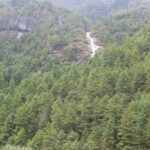
The trek description includes river valleys, canyons, and terraces throughout, and on the way down you’ll notice more details because you’re not “only focused on the next altitude marker.” That’s when the route’s character really clicks.
The drive back to Kathmandu and the end-of-trek decompression day
Your final travel day is a drive back from Takshindo through Ringmo and Phaplu to Kathmandu, listed as about 8 hours driving plus a short walk. It’s a long sit, but it beats adding another full high-altitude trekking day.
Once you return, you’re back at your meeting point in Kathmandu, with farewell on Day 20. In my view, this kind of ending matters. It gives you real closure, and it’s easier to plan your final night in Nepal without guessing how you’ll get from remote lodges to the city.
Price and what $1,952 really buys you on this trek
$1,952 is not “cheap,” but it can be solid value for an Everest Base Camp trek when the package is doing real work for you. Here’s what’s included that can add up fast on your own:
- Permits and fees: Sagarmatha National Park permits and TIMS fee are included. You just need to bring 2 passport-size photos for the permits.
- Ground transport: local jeep transfers, including airport transfer, are included.
- Guides and porters: one guide plus porters, with the porter ratio of 1 porter for 2 hikers. The guide and porter costs include food, accommodation, salary, equipment, and insurance.
- Lodging approach: best-available lodges during the trek.
- Cold-weather gear support: down jacket and sleeping bag during the trek.
- Small but practical items: duffel bag, trekking map, and an achievement certificate, plus an Icicles Team T-shirt.
What is not included keeps you in control of daily spending:
- Meals are not included.
- Travel insurance and international airfare are not included.
- Personal expenses and tips for trekking staff are not included.
For budgeting, I’d treat the $1,952 as the “package cost” and then add a separate daily meals budget. If you’re the type who likes restaurant-style meals at every stop, your total can climb. If you keep it simple—warm drinks, basic meals, and enough carbs—you’ll control it.
Lodges, hot showers, and carrying less in the cold
The tour calls out comfort upgrades that matter at altitude: it provides attached bathroom with hot shower at Lukla, Phakding, and Namche. Even if not every town on this exact route matches those stops, the key point is that you’re not only relying on cold water at every turn.
Then there’s the physical side: the tour provides a duffel bag and arranges porters. That combination helps keep your pack manageable for thin-air walking days. When you’re climbing, even “small extra weight” becomes mental weight.
Also, because they provide a down jacket and sleeping bag during the trek, you don’t have to rent or buy your own for just one trip. That’s a quiet savings win and it reduces hassle.
The guide team vibe: organized, flexible, and human
Everest trekking isn’t only about routes. It’s about decisions when conditions change. In past departures with this operator, groups were well taken care of during schedule shifts—for example, they organized jeeps quickly when flight plans weren’t possible, with clear explanation of the changes.
Guide quality also shows up in the names and roles people mention: lead guides like Pooja, assistants like Prem, and other guides such as Prakash, Manoj, and Neel appear in shared experiences. You’ll also see names like Ram and Lal paired with strong communication. That’s not a guarantee of who you’ll get, but it’s a sign of a team culture that prizes attentive support.
If you want the best odds of a smooth trek, ask the organizer who your lead guide is and whether your group will also have an assistant. On a route like this, good pacing and clear safety decisions are what you’ll remember most.
Who this Everest Base Camp via Salleri trek suits best
This trek is best for people with moderate physical fitness who want an Everest Base Camp experience without only chasing the most common path. If you like quieter villages, river-valley walking, and culture stops like Takshindo Gompa, you’ll probably enjoy the feel of this route.
It’s also a good fit if you want structure. The plan includes acclimatization hikes (Everest View Hotel and Nagerjun), and it keeps the days moving with a clear rhythm: walk up, rest smart, go higher.
It might not be the best match if you’re expecting meals included, or if you only want the most comfortable lodge-style trekking with no surprises. The mountains don’t care about your expectations, and you still need to handle altitude with patience.
Should you book Everest Base Camp Trek via Salleri?
If you want a solid, guided Everest Base Camp trek with real acclimatization built into the schedule, I’d book it. The value comes from the full support system: permits, guide and porter staffing, best-available lodges, and key gear like the sleeping bag and down jacket—plus transport that removes a lot of headache.
I’d only pause if you hate budgeting for meals on the trail or you’re not ready for long transfer days and cold nights. If you can handle those, this route has a strong personality. You’ll get the Everest payoff at EBC and Kala Pathar, but you’ll also earn a different kind of Everest journey through quieter valleys and Sherpa villages along the way.
FAQ
Where do I meet, and what time does the trek start?
You meet in Thamel, Kathmandu, with a start time of 6:15 am.
Is pickup offered?
Yes. The tour includes pickup, and it also includes ground transport in local jeep, including airport transfer.
How long is the trek?
The duration is listed as about 20 days.
Is this a private trek?
Yes. It is private, and only your group participates.
What gear and comforts are included?
The tour includes a duffel bag, a down jacket, and a sleeping bag during the trek. It also lists attached bathrooms with hot showers at Lukla, Phakding, and Namche.
Are meals included in the price?
No. Meals are not included.
What documents do I need for permits?
You’ll need to bring 2 passport-size photos for the TIMS and Sagarmatha National Park permit process.
What if weather is poor or plans need to change?
The experience requires good weather. If it’s canceled due to poor weather, you’ll be offered a different date or a full refund.