REVIEW · KIGALI
2 Day Gorilla Trekking Safari in Uganda via Kigali
Book on Viator →Operated by Bamboo Ecotours · Bookable on Viator
Gorillas are close, but the journey matters. This 2-day Bwindi trek from Kigali turns a long drive into a smart, small-group adventure: you get ground transfers, meals, and gorilla trekking permits handled for you.
I like that your big logistics are included (permits + transfers + meals), and you’ll start day 2 with a clear national park briefing that tells you which gorilla family to track. One possible drawback: it’s a full-on road trip with about 5 hours each way, and the trek can run from a few to many hours depending on where your family is.
In This Review
- Key highlights at a glance
- Kigali to Bwindi: why this road route feels worth it
- Crossing into Uganda via Cyanika and building momentum on day 1
- Day 1 arrival and the Bwindi dinner plan you won’t regret
- Park-edge tented stays: what you gain, what to weigh
- Day 2 starts at the Bwindi gate: briefing, family assignment, then the trek
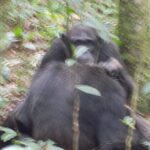
- The gorilla trek: timing can swing, and the group cap helps
- The drive back to Kigali after the gorillas
- Price and value: what $1,780 includes versus what you still handle
- Practical reality checks before you book
- Who should choose this Kigali-to-Bwindi gorilla trek
- Should you book this 2-day gorilla trek via Kigali?
- FAQ
- Where is the ticket redemption point?
- Do you get picked up in Kigali?
- How long is the drive from Kigali to Bwindi?
- Is the gorilla trekking permit included?
- How is the trek group size limited?
- Is accommodation inside Bwindi included?
- What meals are included?
- What is not included in the price?
Key highlights at a glance
- Small-group control on the gorilla trek (up to 10), plus a small overall package size (max 5 travelers)
- Gorilla trekking permits included, so you’re not scrambling when you arrive
- A national park gate briefing that assigns your gorilla family
- Sleep options inside Bwindi with tented accommodation available for an additional cost
- An early-afternoon arrival on day 1, which can leave room for a coffee tour or canoeing at Lake Mutanda
- Return transfer back to Kigali after the trek (about another 5 hours)
Kigali to Bwindi: why this road route feels worth it
Starting in Kigali is a big part of the appeal here. Instead of flying and stitching together transfers, you ride the route into Uganda to reach Bwindi Impenetrable Forest. That means your time is spent moving through real places—Musanze (Ruhengeri) on the way, then onward toward Kisoro—rather than just sitting around waiting.
I also like that the trip is structured enough to keep you from feeling rushed. You drive for about 5 hours on day 1 and arrive early enough to add something extra if you want it. It’s the kind of pacing that helps you stay present, not just hurry toward the main event.
That said, don’t treat this as a quick getaway. This is still a “heads up” trip: long-distance ground travel plus an active trek. If you know you handle road time well and you’re comfortable with moderate physical fitness, you’ll be set.
You can also read our reviews of more tours and experiences in Kigali.
Crossing into Uganda via Cyanika and building momentum on day 1
Day 1 is all about getting you positioned for a strong first full day in Bwindi. You’ll be picked up in Kigali and drive through northern Rwanda’s Musanze (Ruhengeri), then cross into Uganda at the Cyanika border post. After that, the route continues through Kisoro before reaching Bwindi National Park.
Practically, I like this approach because it gives you a clear, contained plan. You’re not piecing routes together yourself. Ground transfers are included, and you’re moving with a representative who keeps the process organized.
One smart benefit of arriving early: you can tack on optional activities after you reach the area—like a coffee making tour and canoeing at Lake Mutanda. If you want a lighter second act before the serious walking begins, this is a good window.
Day 1 arrival and the Bwindi dinner plan you won’t regret
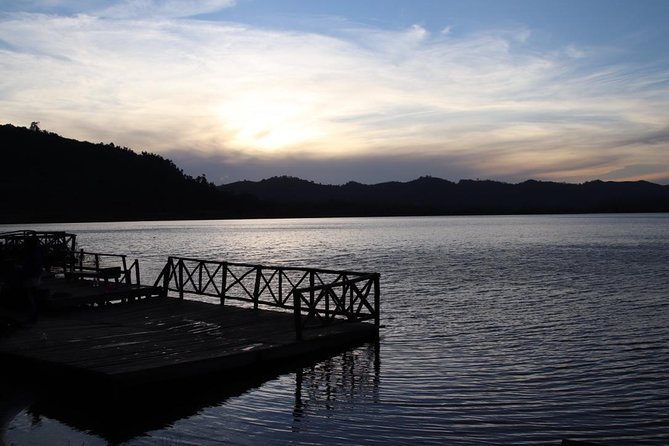
After your drive, you settle into the Bwindi area for the next day’s trek. Dinner is included, and that matters more than it sounds. Gorilla trekking day involves a lot of waiting, head-down listening, and then a long hike—having meals handled helps you avoid the usual travel chaos.
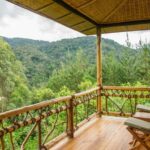
The big question is where you sleep. The experience offers tented accommodation inside the Bwindi Impenetrable Forest park limits, but that park-stay component is listed as an additional cost. If you choose it, you’re opting for the full feel of being close to the forest at night. If you don’t, you’ll still get the guided, permit-based trekking and the essential transfer and meal structure.
Park-edge tented stays: what you gain, what to weigh
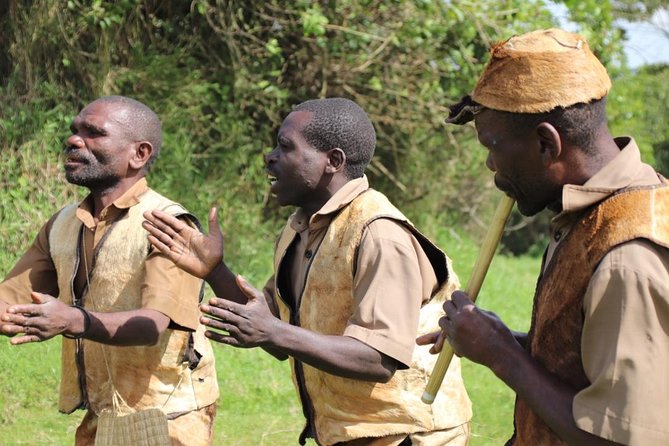
That option to sleep within the park limits is the part that turns a “trip to see gorillas” into a more memorable stay. You’re not just driving in and out. You’re giving yourself a night in the region so day 2 starts with less stress and more focus.
But you should weigh comfort expectations. “Tented” can mean different levels of comfort depending on location and setup. Since the package notes that park-limit tented stays are additional, I’d treat this as a choice: if you want maximum atmosphere and convenience for day 2, it’s worth considering. If you’re budgeting tightly, you may decide to spend less here and still do the trekking.
Either way, breakfast and dinner are included in the overall package, so you’re covered on the meals you’ll care about most when you’re tired.
Day 2 starts at the Bwindi gate: briefing, family assignment, then the trek
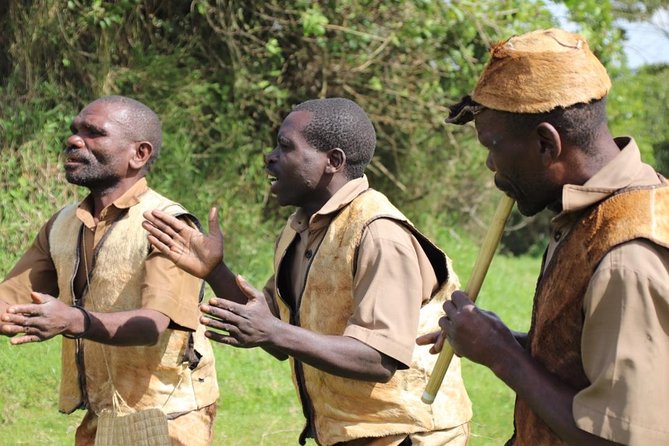
The day 2 rhythm is straightforward. After breakfast, you head to the Bwindi National Park gate immediately for your briefing. This briefing is led by the national park guide and covers what to expect during the trek.
The key moment comes during that briefing: you’re told which gorilla family you’ll track. That’s not just a detail—it affects everything about your day. Where the family is inside the forest determines your walking time and how long you’ll spend searching.
It’s also where you learn what kind of crowd situation you might be in. The trek can include other visitors, but your group size is capped: the gorilla trek is limited to only 10 people. That cap is a big deal for keeping the experience controlled and easier to manage.
The gorilla trek: timing can swing, and the group cap helps
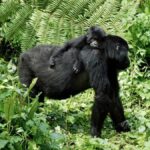
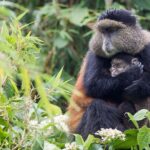
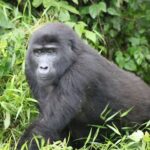
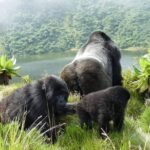
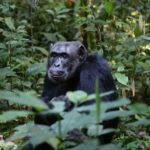
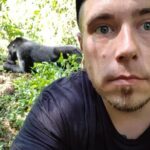
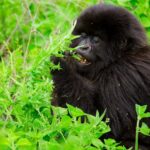
Once you start tracking, the time on foot can vary a lot. The trek can take from a few hours to many hours, depending on how far the gorillas are inside the forest. That variability is normal for gorilla trekking, and it’s exactly why you should approach day 2 without tight scheduling plans.
The group-size control is a practical plus. When the gorilla trek is capped at 10, you’re less likely to feel swallowed by noise or slowed by overcrowding. You still need to listen closely and follow guide instructions, but the smaller group makes it easier to stay together.
And if you’re traveling with only a few people overall (this package lists a maximum of 5 travelers), you often get a more personal rhythm—more room for questions during the briefing and less feeling like you’re in a conveyor belt.
Physical note: this experience is flagged for travelers with moderate physical fitness. Even when you’re not sprinting, you should expect sustained walking on uneven ground and time spent outdoors.
The drive back to Kigali after the gorillas
After the trek, you head back to Kigali. The drive from Bwindi National Park to Kigali is estimated at about 5 hours.
This return leg is where you’ll feel the day’s effort. Gorilla trekking is the main event, but the drive is the finish line. I’d plan to treat the evening in Kigali like recovery time: you’ll want your head clear and your body ready, because you’ve already done a long day.
Price and value: what $1,780 includes versus what you still handle
At $1,780 per person, this isn’t a budget safari. The value comes from what’s included—because gorilla trekking is the part where costs and permits can quickly get messy if you’re trying to DIY.
What’s included:
- Gorilla trekking permits
- Transfers (ground transport between Rwanda and Uganda on this route)
- Breakfast and dinner
- Lunch (2)
- A national park guide briefing and support during the trekking process
What’s not included:
- Visas
- Travel insurance
- Items of personal nature
- Flights (domestic and international)
Also, remember the park-stay choice: tented accommodation inside the park limits is mentioned as an additional cost. So your final budget can shift depending on whether you want that closer-to-the-forest experience.
A final value thought: this tour is built for people who want the hard parts handled—permits, transfers, and the gate briefing that assigns your family. If that’s you, the price makes more sense. If you’re the type who wants to piece together everything on your own, you may find cheaper routes—but you’ll take on more planning risk.
Practical reality checks before you book
This is a 2-day trip with long drives and a variable trek length. So the biggest “make or break” factors are simple.
- Be ready for time uncertainty: the trek can be a few hours or many hours, depending on where the gorillas are.
- Handle the road schedule: about 5 hours each direction is part of the deal.
- Confirm availability: confirmation happens within 48 hours of booking, subject to availability.
- Know your group size: your trek group is capped at 10, while the overall group for this package is listed as up to 5 travelers.
- Cancellation is strict: the experience is non-refundable and can’t be changed for any reason once booked.
On the human side, the operation is associated with drivers who’ve been praised for safe, friendly road work and smooth navigation on the route. You may meet drivers such as Herbert, Fred, Jackson (including Mugorozi Jackson), or Godfrey depending on your departure—these names show up in the operator’s track record for getting people safely through the long haul.
Who should choose this Kigali-to-Bwindi gorilla trek
This fits best if you want:
- A small-group, managed experience with a capped gorilla trek size
- Included gorilla permits and transfers so you don’t stress at the border or at the park gate
- A route that lets you start in Kigali and reach Bwindi with a single plan
It might not be your best match if:
- You strongly dislike long car days (the road is a real chunk of this itinerary)
- You want lots of downtime or a low-effort schedule
- You’re hoping to keep the trip super flexible once you book
Should you book this 2-day gorilla trek via Kigali?
I think you should book if gorillas are the priority and you want the permit + transport + briefing handled in a tight 2-day window. The best reason is simple: the hardest parts are already built into the package—especially the gorilla trekking permits and the park-gate process that assigns your family.
If you’re excited by the idea of tented park-limit sleep (at extra cost), that adds atmosphere and can make day 2 feel smoother. If you’d rather skip that, you can still get the core experience: briefing, guided tracking, and the return drive to Kigali.
Just go in with clear eyes: it’s long-drive travel plus a hike that can stretch out. If that matches how you like to travel, this is a strong way to do Bwindi from Kigali.
FAQ
Where is the ticket redemption point?
Ticket redemption is listed at Bamboo Ecotours, Kabale – Kisoro Rd, Kisoro, Uganda.
Do you get picked up in Kigali?
Yes, pickup is offered, and the day 1 drive starts with a representative picking you up in Kigali.
How long is the drive from Kigali to Bwindi?
The drive is estimated at about 5 hours.
Is the gorilla trekking permit included?
Yes, gorilla trekking permits are included.
How is the trek group size limited?
The gorilla trek is described as being in a group capped at 10 people.
Is accommodation inside Bwindi included?
Tented accommodation within the Bwindi park limits is mentioned as available, but campsite stays inside the park are listed as an additional cost.
What meals are included?
Breakfast, dinner, and lunch (2) are included.
What is not included in the price?
Visas, travel insurance, personal items, and flights are not included.