REVIEW · KIGALI
3 Days Private Bwindi Gorillas and Volcanoes Golden Monkey Trek
Book on Viator →Operated by Frena Adventures · Bookable on Viator
Kigali to gorillas is a tight route. This 3-day private combo stitches together Golden Monkey trekking in Volcanoes National Park and a Rwanda-to-Uganda style start with Bwindi Impenetrable National Park lodge time, plus a Kigali Genocide Memorial stop. I especially like the private format (so you’re not herded with a huge crowd), and I like that the days are planned around ranger briefings and realistic trek timing. The main drawback to consider is that gorilla tracking can run from 2 to 8 hours, so this trip takes stamina and patience.
You’re also choosing an experience where the schedule centers on primates and meaning, not just checklists. Bwindi gives you a chance for birdlife and optional culture time, while Volcanoes National Park is built for guided animal encounters and strict rules. Just know: if you’re hoping for long, leisurely sightseeing between animals, this plan will feel more intense than a slow safari.
In This Review
- Key takeaways
- Kigali to Bwindi: starting with meaning, then switching to primate-country pace
- Bwindi lodge time: what you can actually do with the pause between drives
- Volcanoes National Park gorilla tracking: the day the hours don’t belong to you
- Musanze transfer night: why the ride after the trek matters
- Kinigi golden monkey trek: bamboo forests and a calmer kind of waiting
- How this 3-day combo works: primates plus Kigali context in a tight box
- Value for $2,060: what the price is buying you
- The human factor: Frena Adventures, Fred, and a driver like Ronald
- Practical packing and fitness: the two things that decide your comfort
- Should you book this 3-day private trek?
- FAQ
- What does this 3-day tour include?
- Is the tour private?
- How long does gorilla tracking take, and how long will you be with the gorillas?
- How long is the golden monkey trek?
- What fitness level do I need?
- Is pickup included?
- What is the cancellation window for a full refund?
Key takeaways
- Private pacing: only your group, with a focused ranger-led rhythm.
- Realistic trek timing: gorilla tracking can stretch from a couple hours to all-day.
- Bamboo-forest golden monkeys: flatter ground and a guided search near Kinigi.
- Kigali context built in: a major stop at the Kigali Genocide Memorial.
- Solid support from the provider: planning and payments handled quickly, with safe, informative driving.
Kigali to Bwindi: starting with meaning, then switching to primate-country pace

Most people think of Rwanda and Uganda as gorilla country. But the trip starts in Kigali, and that matters because it sets the tone fast. You’ll be picked up and driven through neighborhoods that are actively changing, passing older commercial and residential areas along the way.
A big stop is the Kigali Genocide Memorial, where the schedule includes an admission ticket listed as free. It’s one of those places that sharpens your understanding of why Rwanda treats tourism with care. If you like travel that has both feet on the ground, this day helps you get your bearings quickly before you move into the wild.
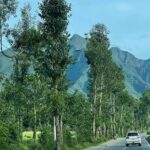
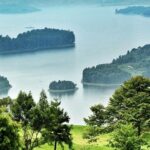
Then you drive toward Bwindi Impenetrable National Park. Expect long, winding stretches through hills and countryside. By afternoon, you’ll check into your lodge for rest, and you can add an optional Batwa Cultural tour if that fits your interests. This is a smart option if you want context around how people traditionally lived in the forest area rather than only seeing wildlife.
What to watch for: you’ll be traveling more than “doing” on Day 1. If you hate motion after arrival day, plan to arrive rested or keep expectations flexible.
You can also read our reviews of more tours and experiences in Kigali.
Bwindi lodge time: what you can actually do with the pause between drives

That lodge afternoon is more than a sleepy break. It gives your body time to adjust to a different rhythm. In mountain-park trips, the best wildlife days depend on rest the night before. So even if you don’t add extra activities, this is still a useful piece of the itinerary.
If you take the optional Batwa Cultural tour, you’ll be adding a human story component that pairs well with later primate encounters. The point isn’t to turn culture into a souvenir. It’s to understand how communities link to forests and livelihoods—especially in places like Bwindi where conservation and community stories are inseparable.
Also, Bwindi is noted for birding opportunities. The data doesn’t promise specific species or a formal birding session, but it does hint that this park supports strong birdlife. Practically, that means if you enjoy spotting small things—calls, movement in the undergrowth—this region can reward you even when your day is lighter.
Good to know: lodge-based downtime can be a quiet advantage. If your big worry is waking up tired for next-day trails, the “rest first” approach helps.
Volcanoes National Park gorilla tracking: the day the hours don’t belong to you
This is the heart of the trip, and it runs on ranger rules and timing. After an early breakfast, you go to park headquarters for a briefing on the do’s and don’ts during gorilla tracking. This part isn’t filler—it’s there to protect both people and gorillas. Pay attention to it, even if you’ve done gorillas before.
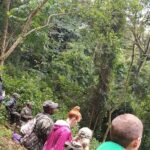
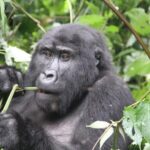
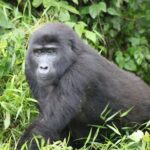
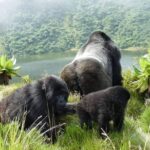
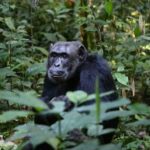
Then you head onto the gorilla trail. Gorilla tracking normally takes 2 to 8 hours, and the schedule notes it could even run longer to reach the gorillas. Once you find them, you’ll have at least one hour in their presence. That one hour is the real experience window, but the trail time is what determines whether you feel relaxed or rushed.
The practical tip in the plan: carry packed lunch, which is stated as provided, because you can’t predict the encounter time. That’s not just a convenience. It’s a comfort factor when you’re hiking in changing conditions while waiting for the group to move.
How to prepare mentally: gorilla trekking rewards patience. Some days you’ll get movement fast; other days you’ll slowly gain ground while following signs. If you’re the type who wants strict time control, this is the wrong kind of day. If you’re okay with uncertainty and you like being present, you’ll love it.
Possible drawback: the trip is only 3 days. That means the gorilla day can be long and tiring without much cushion. Bring good hiking shoes, and plan for an early bedtime after.
Musanze transfer night: why the ride after the trek matters
After the long trail day, the schedule includes transfer back to Musanze for dinner and overnight. This is an underrated part of primate trips: the day ends with transport.
When your body is spent, you want driving that’s safe, not chaotic. One of the strongest pieces of feedback tied to this kind of route is the importance of a driver who’s on time and careful, with the know-how to handle mountain roads calmly.
Also, Musanze is a practical base. You’re not ending your day in the middle of nowhere; you’re ending it with enough infrastructure to eat, rest, and recover without additional stress.
What to watch for: even if dinner is easy, don’t plan an evening activity. You’ll want downtime. This is not a night for long scrolling and late bedtime.
Kinigi golden monkey trek: bamboo forests and a calmer kind of waiting
Day 3 shifts gears to Golden Monkey trekking in the Volcanoes National Park area near Kinigi. You’ll wake early, then transfer to the park head offices in Kinigi by around 7:00am, joining up with golden monkey trekkers and meeting a ranger guide for a short talk about the park and activity.
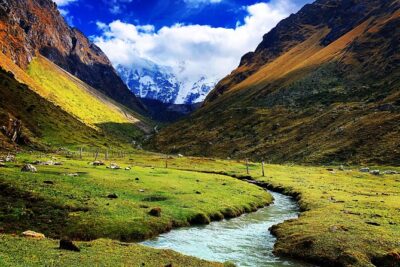
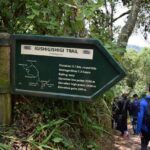
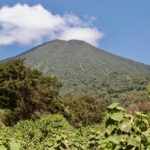
The trek begins near 8:00am at the trailhead just outside the park. The timing matters because golden monkeys are active around daylight and the bamboo forest can change quickly. You’ll start with scenic mountain views, then walk into the park where the golden monkeys live near the edge in bamboo forests.
Here’s what makes this trek feel different from gorillas: the ground is described as relatively flat and easier to trek. That doesn’t mean it’s effortless, but it can be more forgiving if you’re carrying fatigue from the prior day.
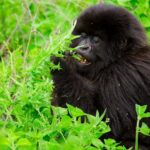
Once you find the monkeys, you follow them as they feed. You’ll notice their skill at picking young bamboo leaves from the tip of bamboo plants. It’s a subtle behavior, but it’s one of the coolest things about primate watching—small hands, specific motions, and a rhythm that looks built for the bamboo world.
Reality check: the schedule lists a trek block of about 5 hours for Day 3. Golden monkey encounters can still include waiting and following, but it’s typically less intense than a gorilla trail.
Possible drawback: the golden monkey day still requires early rising and walking time. If you’re worn down from gorillas, take this day seriously and pace yourself.
How this 3-day combo works: primates plus Kigali context in a tight box
This trip is designed as a “primates first” route, but it adds one cultural anchor: Kigali and the Genocide Memorial. That mix is valuable because it keeps your trip from feeling like only one theme—wildlife tourism. It also helps you understand Rwanda and the region as more than scenery.
The parks also complement each other in a useful way:
- Bwindi area gives you a lodge-based arrival and an optional cultural experience, plus the idea of birding opportunities.
- Volcanoes National Park delivers the two different primate styles: gorillas on a ranger-led tracking trail, then golden monkeys in bamboo forests near Kinigi.
Because it’s only 3 days, you’re moving through places quickly. You’re not spending time shopping, museum-hopping, or doing long, separate sightseeing loops. That’s a strength if you want value from limited vacation time. It’s a drawback if you want slow travel and multiple day buffers.
Who this fits best: people who want a high-impact primate itinerary and don’t mind that each day has a big “main event.” You’ll likely enjoy it most if you’re comfortable with early starts and moderate hiking.
Value for $2,060: what the price is buying you
At $2,060 per person, this is not a budget sprint. So I look at what you’re paying for: guided entry into primate experiences that operate on strict schedules and ranger systems, plus transportation that strings together Kigali, Bwindi-area lodging, and Volcanoes National Park.
Two big value signals show up in the trip details:
- Private tour format: only your group participates. That matters for pace, comfort, and the ability to follow ranger instructions without the friction of mixing with a crowd.
- Pickup offered: not every route includes smooth transport planning right from the start.
The provider also lists features like group discounts and mobile ticket availability. Those sound minor until you compare them to trips that feel paperwork-heavy.
Now for the realistic perspective: gorilla and golden monkey treks require guide/ranger time and operational logistics. That’s expensive anywhere. What makes this route potentially good value is that it packs two primate experiences into 3 days with a structured plan and park briefings, rather than making you run to multiple providers.
If you’re price-sensitive, compare what’s included in your own quote. The itinerary notes some admission ticket items as free/included, but you’ll want to confirm what’s covered under your exact booking.
The human factor: Frena Adventures, Fred, and a driver like Ronald
When a trip involves primate rules and long drives, the best “value” isn’t only the animal—it’s the people handling the moving parts.
This is where Frena Adventures comes in. In the trip feedback I was able to use, Fred handled logistics and planning and responded quickly to questions before departure. That kind of communication reduces stress, especially when you’re balancing transfers and early starts.
The route also features a driver named Ronald in multiple accounts, described as on time and careful on the road, with explanations about local nature and culture. That’s not just friendly. In practice, a driver who understands the region can help you make sense of what you’re passing—so travel days feel useful instead of wasted.
What you should do: ask your provider who your contacts are and how transfers work on each morning. With primates, clarity beats guessing.
Practical packing and fitness: the two things that decide your comfort
The tour is marked for moderate physical fitness. That’s fair. Your “fitness test” isn’t a marathon; it’s hiking time plus early mornings and trekking through park terrain.
Here’s what I’d base packing on the described activities:
- For gorilla tracking, you’ll likely be walking for hours and may need to carry/consume packed lunch. Comfortable, grippy shoes matter.
- For the golden monkey trek, the ground is described as relatively flat, but you’ll still walk a lot in the bamboo area.
- Bring layers. Mountain areas can shift in temperature, and you’ll be outside early.
Also, don’t underestimate how you’ll feel the day after gorillas. Even if the next day is easier, your legs will remember the earlier trek.
If you’re the type who gets cold easily or carries water habits, plan for it. The itinerary explicitly notes the possibility of long waiting on gorilla tracking, so your comfort should be planned, not improvised.
Should you book this 3-day private trek?
I’d book this if you want a high-impact primate itinerary without mixing in extra stops that dilute your time. The private format, the structured ranger briefings, and the clear primate focus make it a good fit for people who want their vacation to serve a purpose.
I’d think twice if:
- you dislike long uncertainty during wildlife tracking,
- you need a super relaxed schedule,
- or you’re not comfortable with moderate hiking after an early start.
Best match: first-time primate trekkers who want gorillas and golden monkeys, plus travelers who appreciate the fact that Kigali’s story is included—not only the animal photos. If that’s you, this is a strong way to spend 3 days in Rwanda and nearby primate-country.
FAQ
What does this 3-day tour include?
The tour includes pickup from Kigali (including airport pickup), a stop at the Kigali Genocide Memorial, Bwindi Impenetrable National Park lodge time with an optional Batwa Cultural tour, gorilla trekking in Volcanoes National Park with ranger briefing and trail time, and golden monkey trekking near Kinigi in the Volcanoes National Park area.
Is the tour private?
Yes. It is a private tour/activity, and only your group participates.
How long does gorilla tracking take, and how long will you be with the gorillas?
Gorilla tracking normally lasts between 2 to 8 hours or even a day to encounter the gorillas. After you find them, the schedule states you will be allowed to stay in their presence for at least one hour.
How long is the golden monkey trek?
The golden monkey trek day is listed as about 5 hours, starting near 8:00am at the trailhead just outside the park, after meeting at Kinigi park headquarters earlier in the morning.
What fitness level do I need?
The tour is marked for travelers with a moderate physical fitness level.
Is pickup included?
Yes. Pickup is offered, including pickup from the airport.
What is the cancellation window for a full refund?
You can cancel up to 6 days in advance for a full refund. A full refund requires canceling at least 6 full days before the experience’s start time.