REVIEW · KIGALI
From Kigali: 1-Day Gorilla Trekking in Uganda
Book on GetYourGuide →Operated by Kawira Safaris Ltd · Bookable on GetYourGuide
Gorillas in Uganda start with a very early alarm. This one-day trek runs from Kigali to Mghahinga National Park, where you track mountain gorillas on foot with a ranger and get a set time to watch them close up.
What I like most is the smooth, private feel: you’ll use a customized 4×4 land cruiser or safari van, and the day is timed to protect your trekking window. I also like that the team is hands-on, from border help to getting you to the start point—drivers and guides such as Robert and Vincent have been directly involved in making the process run cleanly.
The one thing to plan for is physical effort. The tracking hike can be fairly strenuous, often 3 hours or longer and at high altitude, and park rules can also affect entry if you’re ill.
In This Review
- Key things to know before you go
- Why Mghahinga Gorilla Trekking Works Like a Plan, Not a Wander
- Getting From Kigali to the Park: the Early Drive and Border Stop
- Breakfast by the Park and a Quick Huddle With Your Team
- The Tracking Hike: What “Strenuous” Really Means
- Your One-Hour Gorilla Encounter: Distance Rules and the Real Magic
- Lunch in Town and the Drive Back to Kigali
- Price and Value: What $450 Actually Buys (and What Costs Extra)
- What to Pack so Your Trek Feels Possible
- The Team Behind the Day: Why Coordination Shows Up in the Details
- Who This One-Day Trek Best Fits
- Practical tips to help your day go smoother
- Should You Book This $450-Day Trek With the $800 Permit?
- FAQ
- What time is pickup from Kigali?
- How long is the tour?
- Where does the gorilla trekking take place?
- How long is the drive from Kigali to the park?
- Is the Uganda gorilla permit included in the price?
- How long will I spend watching the gorillas?
- Is the trek easy?
- What’s included in the tour price ($450)?
- What should I bring?
- Can the gorillas leave before the full hour?
Key things to know before you go
- A very early pickup from Kigali (around 3:00 AM) to reach the park in time for trekking
- Private transport in a customized 4×4 or safari van, not a crowded group bus vibe
- Guided gorilla tracking with a ranger and English-speaking guide
- Up to one hour watching the gorillas after you find them, with strict distance/contact limits
- The hike is real: you should expect a push up mountain slopes and uneven forest paths
- $450 covers the logistics, not the gorilla permit (the permit is extra)
Why Mghahinga Gorilla Trekking Works Like a Plan, Not a Wander
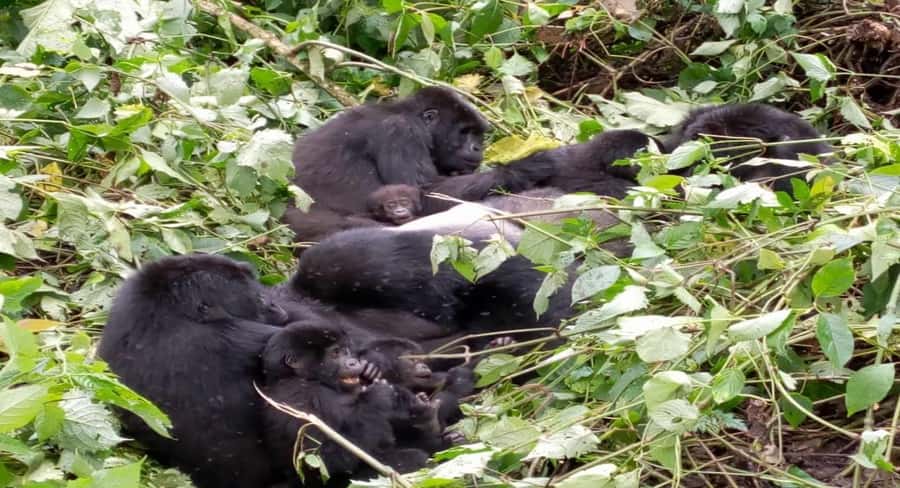
Mountain gorilla trekking isn’t a casual stroll. It’s more like a day-long mission with clear steps and tight timing. That’s a good thing—when it’s organized well, you spend less time guessing and more time focusing on the experience.
This tour’s format is built around reaching Mghahinga National Park early enough to track and then wait for the gorilla moment. You’ll leave Kigali at about 3:00 AM, drive for roughly three hours, and then transition into the park process: breakfast, customs clearing, meeting your guides, and finally the forest trek.
The payoff is that you’re not just paying for a ticket. You’re paying for movement, people, and the right sequence. That matters because gorillas are wild animals, and the park manages human contact very carefully.
You can also read our reviews of more tours and experiences in Kigali.
Getting From Kigali to the Park: the Early Drive and Border Stop
The day begins with pickup at 3:00 AM from your hotel in Kigali. That’s early, but it’s also practical. If you start later, you risk losing daylight and trekking time—so the schedule is designed to protect your chances.
From Kigali, you travel northwest to the park area in about three hours. There’s also a brief border stop to clear with customs. This part can feel bureaucratic when you do it on your own. The nice thing here is that the people you’re with help you move through it instead of leaving you to figure it out alone.
In a few real-world examples, drivers named Robert and Hassan helped with coordination on the way in. One driver, Robert, supported immigration and then handed off to Vincent, who took care of the route to the start point. That kind of handoff reduces stress. You get fewer opportunities for delays, confusion, or missed timing.
If you have a flight afterward, it also helps that the tour is built around getting you back to Kigali in time for an airport transfer when possible.
Breakfast by the Park and a Quick Huddle With Your Team
Before the trek, you’ll stop for breakfast served à la carte at a hotel close to the park. Expect a mix of fresh bread, pastries, and hot and cold options. It’s not a fancy banquet, but the point is fuel before you start climbing and walking.
After breakfast, there’s the short customs clearance and then you continue to national park headquarters to meet your guides. This “meet at HQ” step matters more than it sounds. Rangers and guides usually finalize your tracking plan and confirm the local rules that keep everyone safe—including the gorillas.
You’ll also have an English live guide for the day. Clear communication helps on treks like this, especially when you’re moving through light forest and listening for instructions while hiking uphill.
The Tracking Hike: What “Strenuous” Really Means
Once you start tracking, the experience shifts from vehicle ride to mountain walking. The trek can take up to 3 hours or longer, and it happens at a relatively high altitude. Translation: you should treat this as a real hike, not a light nature walk.
Paths can be uneven, and you’ll likely climb through a light forest on the slopes of the Virunga area. There’s a particular kind of quiet to that kind of terrain. You walk, you listen, you pause when your ranger signals, and then you keep going again.
The best advice here is to prepare for effort early. If you go in thinking the trek will be easy, the altitude and slope will surprise you. If you go in thinking, okay, this is a workout, you’ll feel calmer and more in control.
And it’s worth saying plainly: you may end up walking farther than you expect because tracking can vary. The tour’s schedule gives you a framework, but gorilla movement and finding them are never fully “on rails.”
Your One-Hour Gorilla Encounter: Distance Rules and the Real Magic
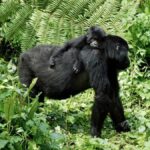
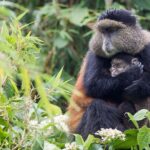
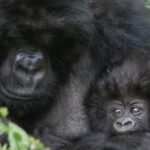
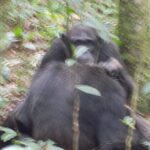
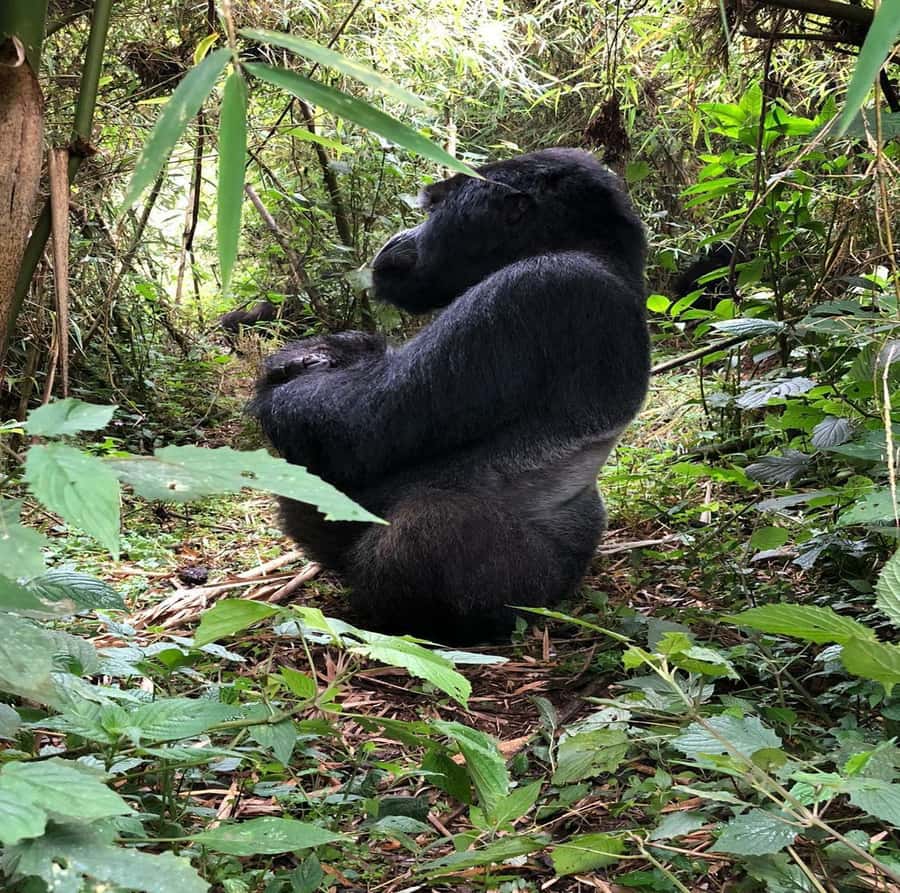
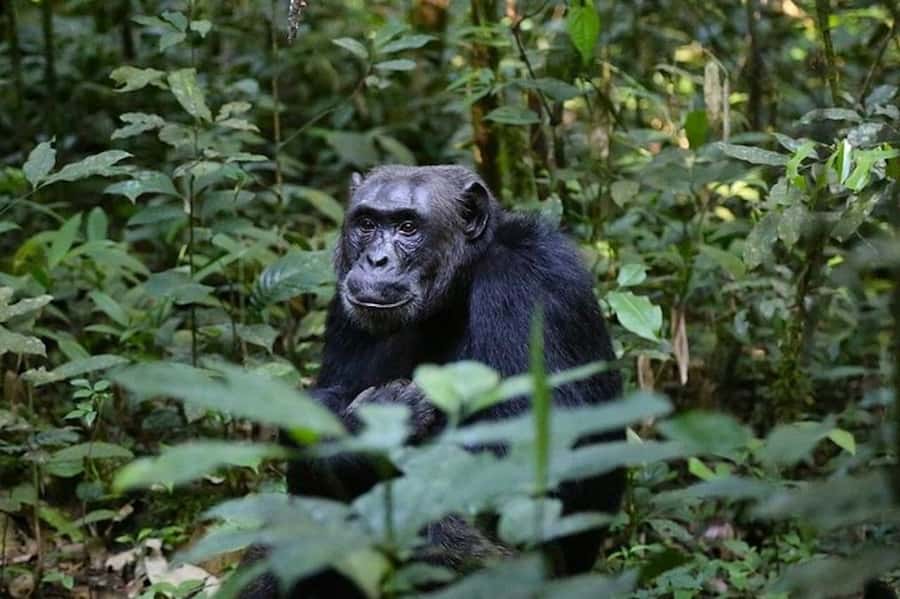
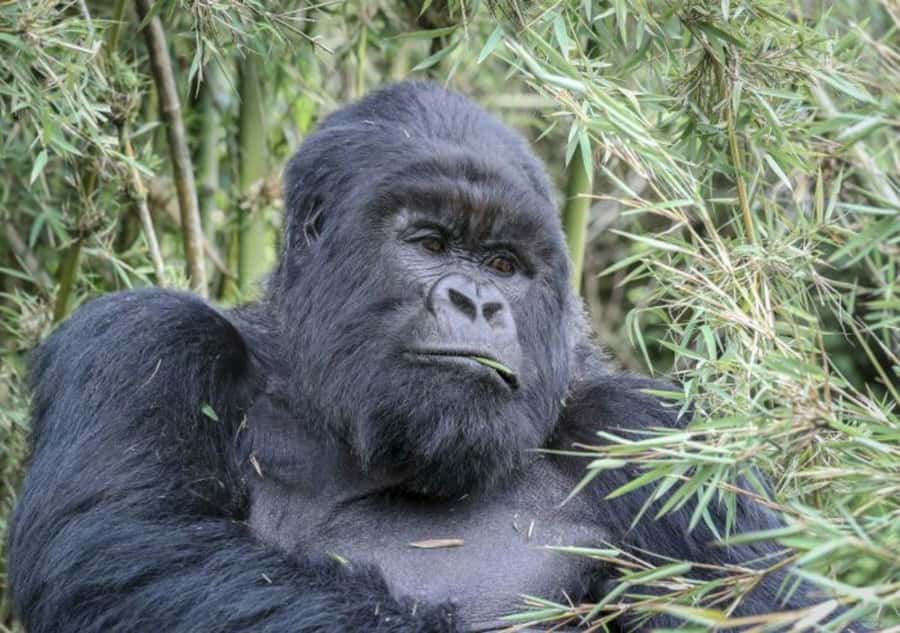
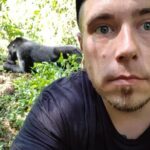
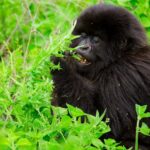
Finding the gorillas is the moment you’ll remember for years. Once you spot them, you’re allowed up to one hour watching in their natural habitat.
The distance element is key. You typically get within meters of the families, and that’s part of why this experience hits so hard. Mountain gorillas are huge, and when you’re close enough to see their expressions and movements, it stops feeling like wildlife viewing and starts feeling like being in the presence of a living family group.
But the encounter also comes with strict rules. Contact is limited to one hour because overexposure to humans is harmful to mountain gorillas. There’s also a real possibility they may become agitated and retreat back into the bush in less time than the allotted hour.
So here’s the mindset that helps: don’t wait for the “perfect moment.” When you see them, watch immediately, breathe normally, and let the hour happen. If they move away sooner, it’s still a successful trek. The park doesn’t control gorilla behavior—humans have to fit their behavior to the animals.
Also note an important reality check: park authorities may refuse entrance if you show obvious signs of illness. That protects both the animals and other visitors.
Lunch in Town and the Drive Back to Kigali
After the gorilla time and trekking, you’ll return and stop for lunch in town. Lunch isn’t described in detail, but the schedule is clear: you’re refueled, then you head back toward Kigali.
Later, you proceed back to Kigali. If you’re leaving Kigali the same day, you should arrive in time to transfer to the airport for onward flights. If timing allows, you may have a chance to do last-minute shopping before departure.
This is another place where the early start earns its keep. You don’t have a full buffer day. Instead, the itinerary concentrates time where it matters most: getting you to the gorillas and then getting you back before evening.
Price and Value: What $450 Actually Buys (and What Costs Extra)
The headline price is $450 per person for one day. That number sounds like “the tour price,” but gorillas also have a separate requirement: the Uganda gorilla permit is $800 per permit and isn’t included.
So your real gorilla budget is the permit plus the tour logistics.
Here’s what your $450 covers, and why it matters:
- Park entrance fee
- Hotel pickup and drop-off
- Ranger
- Lunch
- Bottled water
- Walking stick
- Fuel expenses
- Private transport in a customized 4×4 land cruiser or safari van
In other words, the $450 is paying for the “how” of the day. It’s the transport, the guides/ranger, the support that gets you through the start point and timing, and the basic comforts that keep you functional on a tough trek.
When you compare it like that, the value looks less like a random fee and more like a package built for success. The gorilla permit is the big fixed cost; the tour cost is what reduces friction—especially useful when you’re crossing borders and hiking in a park that runs on strict rules.
What to Pack so Your Trek Feels Possible
You’ll cover a lot of time outdoors and you’re moving uphill. Bring gear that keeps you dry, comfortable, and stable.
From the recommended list, don’t skip:
- Hiking shoes
- Long pants
- Rain gear
- Sunscreen
- Sunglasses
- Water
- Snacks
- Scarf (handy for dust or temperature shifts)
- Snacks (useful if you get hungry during the hike)
Also remember the small “comfort items” you’ll be glad you packed: if your body doesn’t feel steady, your trekking pace suffers. Shoes matter more than people expect on forest tracks.
And since a walking stick is included, you can focus on footing and rhythm rather than scrambling for extra equipment at the last minute.
The Team Behind the Day: Why Coordination Shows Up in the Details
One of the most praised parts of this experience is how the day runs smoothly because the team coordinates every handoff.
In examples from actual operation, a driver named Robert supported immigration and then passed things to Vincent for the journey to the trekking start point. Other names you might hear in the process include Jefferson, plus park-side team members such as Erik and Bruce. The point isn’t celebrity casting. The point is that you’re working with people who know the route, the process, and the rhythm of the park day.
This matters because your gorilla encounter depends on timing. And timing depends on getting from A to B without delays you could have avoided.
Who This One-Day Trek Best Fits
This tour is best for you if:
- You want one unforgettable gorilla experience without a multi-day plan
- You prefer private transport and a straightforward itinerary
- You’re comfortable hiking uphill for up to 3+ hours at altitude
- You’re ready for a day that starts at 3:00 AM
It’s also a strong choice if you’re traveling solo and want the day organized around you, not around a giant group. People have described the trip as safe and comfortable, with guides/drivers focused on making the logistics work.
If you’re dealing with mobility issues or you know you struggle with altitude or strenuous walking, you should think carefully. The itinerary can’t be “lightened” much, because tracking still depends on the forest terrain and gorilla location.
Practical tips to help your day go smoother
- Start mentally with the assumption that the trek is strenuous. Plan pace like a workout day.
- Bring snacks even if breakfast is included. You might want something on the move.
- Use the walking stick provided, if you normally do well with one.
- Follow ranger instructions without arguing. In gorilla trekking, the rules protect both you and the animals.
- Don’t expect to control the full hour with the gorillas. Sometimes the hour is shorter if the animals retreat.
Should You Book This $450-Day Trek With the $800 Permit?
Book it if you want a single, well-organized shot at seeing mountain gorillas in the wild, with private transport, a ranger-led tracking process, and a realistic schedule built around the park day.
Skip or rethink it if:
- You’re not comfortable with strenuous hiking at altitude
- You’re not prepared for the strict time and contact rules
- You’re on a tight health situation where park authorities might refuse entry
One last thought: in a day like this, the best value isn’t just the gorilla permit. It’s the support that gets you there—early pickup, smooth transfers, help with customs, an English-speaking guide, and the ranger who leads the trek.
If that’s the kind of trip you like, this is a solid way to do it in just one day.
FAQ
What time is pickup from Kigali?
You’re picked up at 3:00 AM from your hotel in Kigali.
How long is the tour?
The experience is designed as a 1-day activity.
Where does the gorilla trekking take place?
The trekking is in Mghahinga National Park in Uganda.
How long is the drive from Kigali to the park?
The drive is about 3 hours to the park area.
Is the Uganda gorilla permit included in the price?
No. The Uganda gorilla permit is not included and costs $800 per permit.
How long will I spend watching the gorillas?
Once you find them, you’re allowed to spend up to 1 hour watching the gorillas.
Is the trek easy?
No. The trekking may be fairly strenuous, and it can take up to 3 hours or longer at relatively high altitude.
What’s included in the tour price ($450)?
Included items are park entrance fee, hotel pickup/drop-off, ranger, lunch, bottled water, walking stick, and fuel expenses.
What should I bring?
Bring hiking shoes, long pants, rain gear, sunglasses, sunscreen, water, and snacks, plus a scarf.
Can the gorillas leave before the full hour?
Yes. The gorillas can become agitated and retreat back into the bush in less than the allotted time, because contact is limited and behavior matters.