REVIEW · KATHMANDU
Manaslu Larke Pass Trekking
Book on Viator →Operated by Skyway Nepal Treks · Bookable on Viator
High passes, village days, and careful pacing. This Manaslu–Larke Pass trek is built around Manaslu’s 8,163-meter presence and the day you cross Larke Pass, plus real time with hill communities along the trail. I love how the route links big mountain scenery with everyday village life. I also like the “work gets handled” feeling: permits, meals, and a guide/porter team are included. One consideration: it’s a demanding trek, with very long hiking days and extra-on-your-own costs like water/snacks/hot shower and WiFi during trekking.
In the reviews I read, the human part is the standout. Guides such as Durga and Durgan are repeatedly praised for steady support, and people specifically call out that the crew kept helping throughout the trip. If you want a trip where you can focus on walking, breathing, and taking in the views, that matters.
You’re starting with Kathmandu logistics (about 1,300m) and then easing into the trek—Soti Khola first, then higher village stops—so your body gets a chance to adapt. Still, you’ll need strong fitness, and cold weather can’t be ignored at altitude.
In This Review
- Key things to know before you go
- Manaslu and Larke Pass: a high-altitude trek with real village rhythm
- Price and logistics: what your $1,150 covers (and what it doesn’t)
- Kathmandu setup at about 1,300m: where the trip starts
- From Soti Khola down in the valleys to Machha Khola: Day 3 to Day 4
- Jagat and the first climb step: Machha Khola to Jagat
- Deng/Philim to Namrung: the route starts to feel distinctly Himalayan
- Samagaon: acclimatization that gives you choices (and higher views)
- Samdo to Larkya Phedi (Dharamsala): the staging phase before the pass
- Larkya Phedi to Bimthang via Larke Pass: the longest day in the plan
- Back to Kathmandu via Besishar: Day 15 and your post-trek reality
- Your crew: the guide matters more than you think
- What’s included each day: meals, lodging, and what you’ll still pay for
- Who should choose this Manaslu Larke Pass trek?
- Should you book Manaslu Larke Pass Trekking with Skyway Nepal Treks?
- FAQ
- How long is the Manaslu Larke Pass trekking trip?
- Where does the trek start and where does it end?
- What is included in the price?
- Does the tour include Kathmandu pickup or private transport?
- What is not included?
- What kind of fitness level do I need?
- What are the accommodation arrangements?
- Is the trip for adults only?
- Can I cancel and get a refund?
Key things to know before you go
- Crossing Larke Pass at 5,160m is the physical headline, so plan for a long, cold day
- Permits and TIMS are included, so you’re not chasing paperwork mid-trip
- All trekking meals plus Kathmandu breakfasts are covered, which helps you budget and pack lighter
- English-speaking guiding and porter support are built in (including an assistant team)
- Acclimatization at Samagaon includes an optional push toward Manaslu Base Camp and Birendra Lake
- Private group only for your party keeps the pace more predictable
Manaslu and Larke Pass: a high-altitude trek with real village rhythm
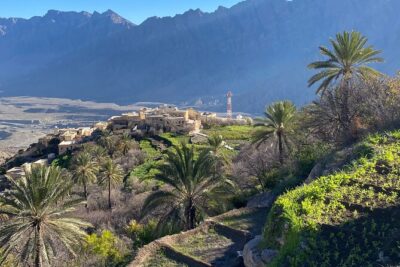
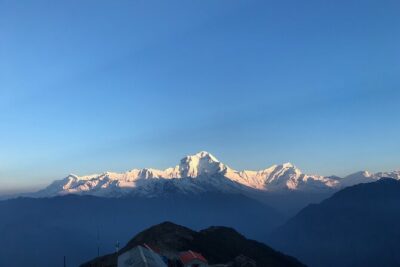
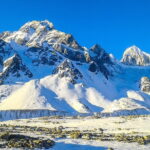
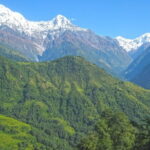
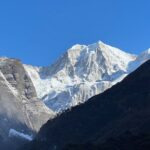
Manaslu (also called Kutang) towers at 8,163 meters, but what you actually experience is the slow build. The trek runs through the Manaslu Conservation Area, which spans everything from sub-tropical foothills up to high, dry Trans-Himalayan pastures near Tibet. That change isn’t just scenery—it affects the air you breathe, the way the days feel, and the kinds of villages you’ll pass.
I like that this trek isn’t only about “summit views.” You move through hill villages with distinct ethnic communities, so you’re not just ticking off elevations. You’ll see how daily life works at each stop—what people farm, how guesthouses are organized, and how the trail connects these places to the wider world.
Then comes Larke Pass. Even if you’ve trekked elsewhere, a pass crossing has its own mood: early starts, thinner air, and a very clear sense that you’re moving through the mountains rather than around them. The trek route is designed so you reach Larkya Phedi (Dharamsala) at 4,480m the day before the pass, giving you a staging point for the big crossing.
You can also read our reviews of more tours and experiences in Kathmandu.
Price and logistics: what your $1,150 covers (and what it doesn’t)
At $1,150 per person for about 16 days, this trek is priced like a fully guided package, not a DIY adventure. Here’s what you’re getting that usually costs real money when you do it independently:
- Trekking permit and TIMS fees
- All meals during the trek, plus breakfasts in Kathmandu
- Accommodation on a double occupancy basis
- A private vehicle between the destinations that fit the itinerary
- An experienced English-speaking trekking guide, plus porters and assistants (listed as one porter for every two clients)
That’s a lot of “hidden logistics” handled for you—permits, daily meal planning, and the staffing that makes high-altitude trekking less stressful.
What’s not included is important for budgeting. Drinking water, snacks, hot shower, and WiFi during trekking are not included. International flights, travel insurance, and the visitor visa fee are also not included. Personal expenses can add up fast in any trekking area, especially if you’re buying extra drinks or basic comforts.
Kathmandu setup at about 1,300m: where the trip starts
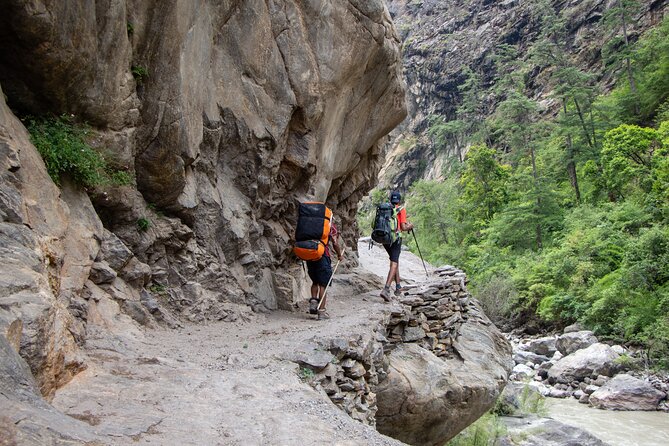
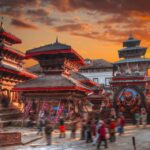
You meet at Thamel Marg in Kathmandu (44600), and the schedule begins with arrival at around 1,300m. Thamel is your practical starting point: you can sort out gear, confirm details with your team, and do some quick Kathmandu sightseeing before the trek.
Day 2 is a Kathmandu sightseeing and preparation day (about 8 hours). That matters more than it sounds. A good guide team uses this time to get you organized—what to carry, what to avoid, how the trek timing works, and what to expect as you climb. You’ll also be working with the requirement to provide passport details at booking (passport name, number, expiry, and country), and you’ll need your original passport on hand.
I also recommend you treat Kathmandu as a “settle in” day. Even before you start walking, sleep quality and hydration can shape how you feel once the ascent begins.
From Soti Khola down in the valleys to Machha Khola: Day 3 to Day 4
Day 3 is a long drive to Soti Khola (around 800m), listed at about 8–9 hours. That’s not a short warm-up, so plan to arrive with a mindset of: sit, stretch, and conserve energy for the first real walking day.
Day 4 starts trekking from Soti Khola to Machha Khola (about 870m) for roughly 6–7 hours. This is where your legs learn the trail rhythm. Expect steady effort rather than fireworks. Valleys like this are often where you’ll find the “real trekking” feeling—switching from vehicle time to walking time—without the pressure of very high altitude yet.
Potential drawback here: if you dislike long seated travel, Day 3 can feel heavy. But it also sets you up on the correct trekking track without you burning energy on unnecessary extra transfers.
Jagat and the first climb step: Machha Khola to Jagat
Day 5 takes you from Machha Khola to Jagat (about 1,340m) for around 6–7 hours. This is the moment when the altitude begins to change how your body works. You may notice you breathe a bit deeper even on “normal” steps.
I like this mid-lower stage because the pace is demanding enough to help fitness, but you’re still not at the pass zone yet. It’s also a good time to get used to trekking-day routine: breakfast, pack organization, water handling, and a steady walking cadence that your body can repeat day after day.
Deng/Philim to Namrung: the route starts to feel distinctly Himalayan
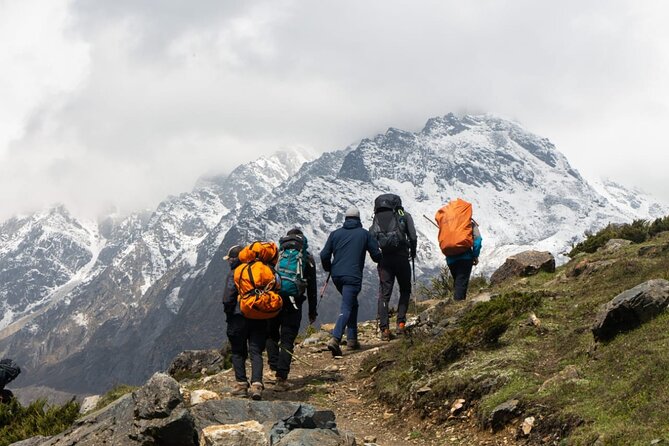
Day 6 moves from Jagat to Deng (about 1,860m) for about 7–8 hours. Day 7 goes from Deng to Namrung (about 2,660m) for around 6–7 hours. As you rise, the days tend to feel longer even when the time on the clock is similar. That’s normal: the air is thinner, and the effort is the same distance but harder to repeat at altitude.
Day 8 is shorter—Namrung to Lho Gham (about 3,180m) for roughly 3–4 hours. Shorter days near climbing zones are a smart design choice. You get a chance to settle in, hydrate, and adjust without feeling like you’re always sprinting toward the next elevation jump.
This stretch is also where the “cultural encounter” angle becomes more concrete. You’ll see how village life shifts with altitude—what’s available, how guesthouses operate, and how people manage daily routines at different elevations.
Samagaon: acclimatization that gives you choices (and higher views)
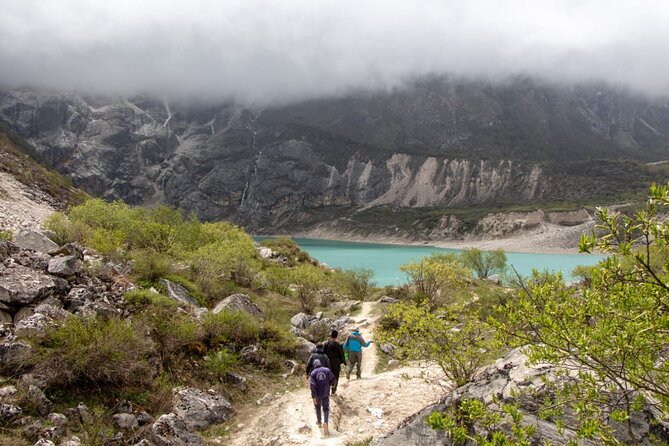
Day 9 takes you from Lho Gham to Samagaon (about 3,530m), again around 3–4 hours. Day 10 is your dedicated acclimatization day at Samagaon.
The optional hike on Day 10 is one of the better perks of the plan: you can hike to Manaslu Base Camp (around 4,800m) and Birendra Lake (around 4,450m) and return, for about 4–5 hours. Even if you skip it, this day is useful. You’re giving your body time to adjust while staying within a controlled altitude zone.
Here’s why this matters: acclimatization days aren’t about comfort. They’re about survival math at altitude—reducing the risk that you feel awful before the highest points arrive.
Day 11 goes from Samagaon to Samdo (about 3,860m) for just 2–3 hours. That short hop is another pacing tool. After an acclimatization day, a lighter trekking day helps you keep the final push from turning into a grind.
Samdo to Larkya Phedi (Dharamsala): the staging phase before the pass
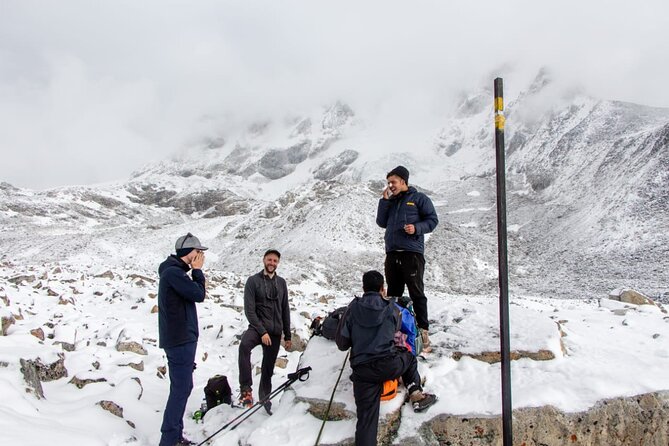
Day 12 takes you from Samdo to Larkya Phedi (Dharamsala) at about 4,480m, for about 4–5 hours. This is the step right before your big crossing.
What to expect here: colder conditions and more focus on routine. Larkya Phedi is essentially your “sleep and prepare” zone for the pass. Your team has you in the right place, but you’ll still want to manage your energy—eat well, rest, and keep your layers ready.
If you’ve ever had a hard morning start on a trek, this is where you avoid that problem. Treat Day 12 as a setup day, not an extra adventure.
Larkya Phedi to Bimthang via Larke Pass: the longest day in the plan
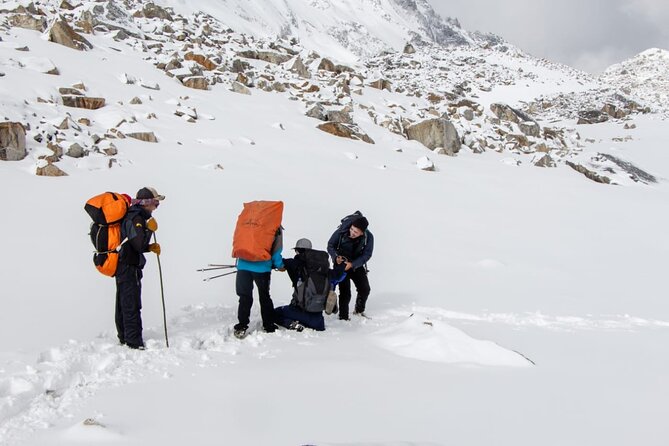
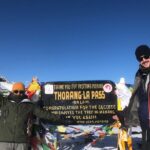
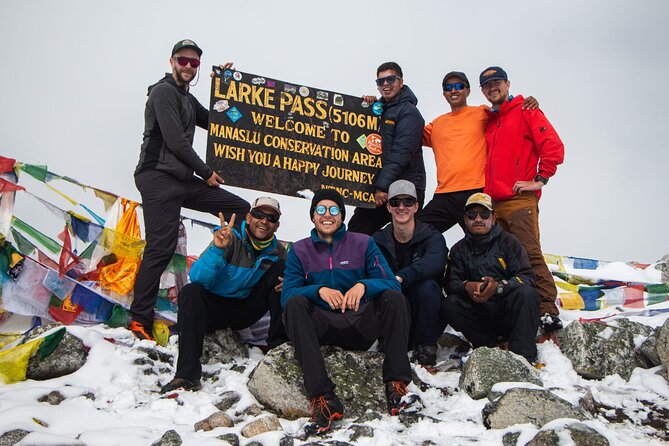
Day 13 is the signature day: Larkya Phedi to Bimthang via Larke Pass (about 5,160m), for roughly 10–12 hours. This is not a casual hike. It’s long, high, and likely cold.
I like that the itinerary treats Day 13 like the main event, with the day before already used to move you to a strong starting elevation. That makes the pass crossing feel planned rather than random.
A realistic consideration: the pass day is the one you should prepare for mentally. If you’ve had trouble on long days, train for endurance. If you’re prone to altitude issues, talk with your guide early about pacing and any symptoms—don’t push because you feel stubborn.
Day 14 then drops you from Bimthang to Dharapani for about 8 hours. The descent can feel like relief because altitude pressure eases, but it’s still tough on knees and feet. This is where you’ll want to walk smart: short steps, consistent footing, and no sudden hurry.
Back to Kathmandu via Besishar: Day 15 and your post-trek reality
Day 15 drives you back to Kathmandu via Besishar for about 12 hours. That’s a long ride, and it can feel strange after trekking days. Your body will be tired, and you’ll likely crave normal comfort like a real meal rhythm, a chance to stretch, and better sleep.
Day 16 is depart or extend. If you have time, I’d plan a buffer day in Kathmandu after you return. You don’t need more intensity—you need recovery.
Also remember: hot showers during trekking aren’t included. You might find a shower is available at some points, but you shouldn’t assume it’s included in the base price.
Your crew: the guide matters more than you think
This is one of the most praised parts of the experience. The trip includes an experienced English-speaking trekking guide, with porters and assistants. The porter support is listed as one porter for every two clients, which can be a big deal for balance and fatigue management.
In the reviews, people singled out guides by name—Durga and Durgan—and described the team as consistently helpful. That “kept helping” feeling is what you want in a remote, high-altitude setting. Trekking can turn into logistics work if nobody is coordinating. Here, it sounds like the coordination is solid.
Practical note: even with porter support, you’ll still be responsible for your own well-being. Pack your essentials in a day bag you control, and keep your key items easy to access.
What’s included each day: meals, lodging, and what you’ll still pay for
During trekking, you get all meals. In Kathmandu, breakfasts are included, plus there’s one welcome dinner and one farewell dinner. That’s valuable because food is not just fuel—it’s morale. When meals are handled, you can focus on walking instead of negotiating snacks at every stop.
On the cost side, you’ll need to handle:
- Drinking water during trekking
- Snacks
- Hot shower
- WiFi
This is one of those places where budgeting beats wishful thinking. If you rely on extra bottled drinks or constant connectivity, those costs add up quietly.
Who should choose this Manaslu Larke Pass trek?
This is best for you if:
- You want Himalayan mountain views and a route that also emphasizes village life
- You like guided structure and a team that handles permits and day-to-day logistics
- You have strong physical fitness and can handle long trekking days, especially the pass crossing
- You prefer a private tour for only your group
It may not be the right fit if you want lots of comfort extras on the trail—hot shower and WiFi aren’t included, and the trek includes long walking days.
Also, minimum age is 18, and the trip asks for a passport at booking with details like number and expiry. If you’re traveling with last-minute paperwork issues, sort those early.
Should you book Manaslu Larke Pass Trekking with Skyway Nepal Treks?
I’d book if you want a guided, value-priced way to do a serious high-altitude route without taking on permit planning and meal coordination yourself. The biggest reasons to say yes are the included permits/TIMS, trek meals, accommodation, and the guide/porter team that reviews repeatedly name (Durga and Durgan).
I’d think twice if you’re not ready for the pass day to be the hardest day of your trip. The plan includes a 10–12 hour Larke Pass day, and high altitude means slow pacing beats bravado.
If you’re the kind of traveler who enjoys steady days, real community stops, and a team that keeps things moving, this trek is a strong match. Train for endurance, budget for water and small extras, and you’ll get much more out of the experience.
FAQ
How long is the Manaslu Larke Pass trekking trip?
It’s listed as about 16 days.
Where does the trek start and where does it end?
The start is at Thamel Marg, Kathmandu (44600), Nepal, and the activity ends back at the same meeting point.
What is included in the price?
Included are private vehicle transfers, double occupancy accommodation, trekking permit and TIMS, all trekking meals (plus Kathmandu breakfasts), one welcome dinner and one farewell dinner, and an English-speaking guide with porters and assistants.
Does the tour include Kathmandu pickup or private transport?
Yes. The itinerary includes private vehicle between the destinations, and pickup is offered.
What is not included?
Not included are international flights, travel insurance, visitor visa fee, personal expenses, and items like drinking water, snacks, hot shower, and WiFi during trekking, plus any extra costs from unforeseen circumstances.
What kind of fitness level do I need?
The tour description says you should have a strong physical fitness level.
What are the accommodation arrangements?
Accommodation is included on a double occupancy basis.
Is the trip for adults only?
Yes. The minimum age is 18.
Can I cancel and get a refund?
Yes. There is free cancellation. You can cancel up to 24 hours in advance for a full refund.