REVIEW · NAIROBI
13-Day Uganda Mgahinga Gorilla Trek, Maasai Amboseli Park
Book on Viator →Operated by Silver Spark Africa Safaris · Bookable on Viator
That first morning mist in Mgahinga sets the tone. This 13-day Kenya–Uganda route mixes classic wildlife safari with a true once-in-a-lifetime mountain gorilla trek, plus Maasai culture stops and Rift Valley scenery. I love how the pacing gives you real game-drive time in Maasai Mara and then follows it with Uganda’s gorilla morning—two totally different “Africa wow” moments. One possible drawback: it’s a lot of movement and long drives, so you’ll want solid stamina and a willingness to spend time in the vehicle.
I also appreciate the practical way this trip is set up: pickup is offered, you’re on a private basis (just your group), and meals are built in with breakfast, lunch, and dinner. In past trips with Silver Spark Africa Safaris, I’ve seen how planning support and on-the-ground guiding—names like Abongo, with friendly driving/guiding from people such as Peter and Brian—can make the whole experience feel organized, not chaotic. If you hate early starts or you’re traveling light with little flexibility, plan for a few packed, early days.
In This Review
- Key highlights worth circling
- Nairobi Day 1: Giraffes, a quick plan, and Carnivore dinner
- Maasai Mara Days: full game drives and the Big Five hunt vibe
- Lake Nakuru Day 4: Rift Valley views plus flamingos and park game drives
- Jinja Day 5: the Source of the Nile and adrenaline options
- Lake Bunyonyi and Kisoro: your pre-gorilla breathing space
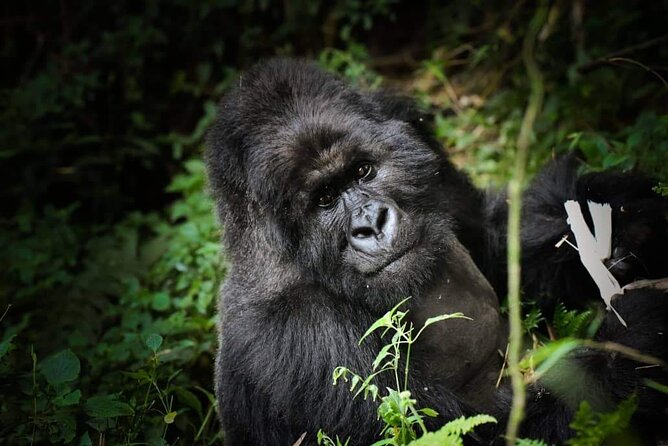
- Mgahinga Gorilla Trek Day 7: early mist, regulated time, real effort
- Kabale Community Day 8: Batwa option or canoeing on the lake
- Kampala Day 9: switching gears back to city life
- Lake Naivasha and Hell’s Gate Day 10: hippos, gorges, and walking options
- Amboseli Days 11–12: Kilimanjaro views and elephants close-up
- Day 13 back to Nairobi: a clean finish to a long loop
- Should you book this 13-day Kenya–Uganda gorilla and safari circuit?
- FAQ
- How long is the tour?
- Where does the tour start and end?
- Is pickup offered?
- Is this a private tour?
- What meals are included?
- Are alcoholic beverages included?
- Where does the gorilla trek happen?
- Do I need to pay for admission tickets?
- Is a boat ride included on Lake Naivasha or the Nile?
- What is the cancellation window?
Key highlights worth circling
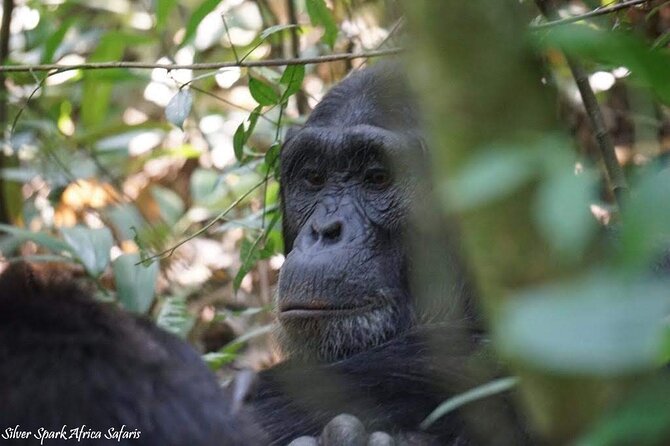
- Mgahinga Gorilla Trek with strict hour-long viewing once you find the gorillas
- Two full Maasai Mara game-drive days, including a full-day trek-style safari with a picnic lunch
- Lake Nakuru for flamingos and Rift Valley viewpoints, with game drives in the park after lunch
- Lake Bunyonyi base in Kisoro area, giving you a rest-and-acclimate window before trekking
- Amboseli elephants with Kilimanjaro views, plus an optional Maasai village cultural visit
Nairobi Day 1: Giraffes, a quick plan, and Carnivore dinner
Your safari begins in Nairobi with a proper welcome: pickup from Jomo Kenyatta Intl Airport, plus a pre-departure meeting before you settle in. Then you’re checked into Kozi Suites Nairobi, which is a smart move—one day to get your bearings before jumping into parks.
From there, I like the simple, iconic add-on: the Giraffe Centre. It’s an easy first taste of Kenya wildlife without the long-drive fatigue you can get when you jump straight into a full safari day.
That evening, head to Carnivore Restaurant for dinner. It’s loud, famous, and very much part of the Nairobi experience—think hearty food, big energy, and a convenient reset after travel. If you arrive early enough, you’ll still want an easy dinner and an early-ish night, because the next day is all about roads and wildlife time.
One note for your planning: the tour mentions the trip can start straight from the airport to Maasai Mara depending on arrival time. So if your flight lands late, don’t assume you’ll always get the full Nairobi buffer—keep your schedule flexible.
You can also read our reviews of more tours and experiences in Nairobi.
Maasai Mara Days: full game drives and the Big Five hunt vibe
Masai Mara is the part of East Africa many people dream about, and this route leans into that dream hard—two days of safari here, not one quick drive. Day 2 takes you from Nairobi through Narok Town into the reserve and checks you into Jambo Mara Lodge.
After lunch, you get an afternoon game drive. That matters more than it sounds. Late-day light often gives you great sightings, and you also get to learn the rhythm of the reserve before a full push the next morning.
Day 3 is the big one: after breakfast, you go out with a picnic lunch for a full-day game drive. The goal is the Big Five along with the wider cast—lions, cheetahs, elephants, zebras, hippos, and more. The Mara’s setting along the Mara and Talek river systems also means you may see wildlife drawn to water and crossings, especially during migration seasons.
Why this works for you: a full-day drive increases your odds. It also slows you down in a good way—you’ll have time to react to sightings without feeling like the schedule is constantly squeezing you. When people complain about safari “rushing,” it’s often because their trip only offers short windows. This one gives you time.
Possible watch-out: you’ll be in a vehicle for long stretches. Bring a warm layer even when it looks sunny—Mara mornings and late evenings can turn chilly fast.
Lake Nakuru Day 4: Rift Valley views plus flamingos and park game drives
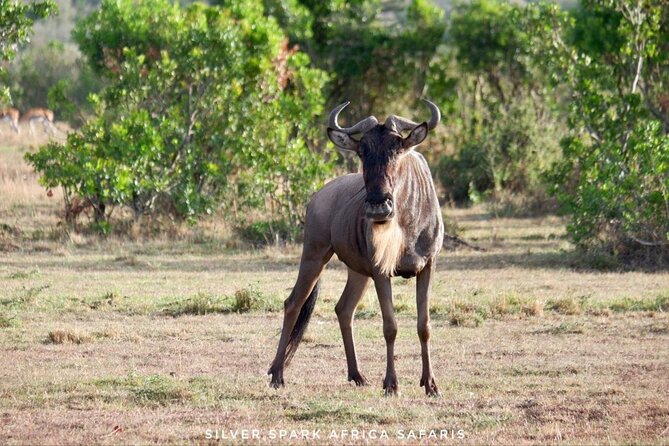
After two Mara days, you shift toward the Great Rift Valley and head to Lake Nakuru National Park. The drive is part of the experience: you’ll ascend the Rift Valley wall, passing coffee and tea plantations, and you’ll make a stop at a Rift Valley viewpoint for photos.
When you arrive, lunch comes first, then a game drive in the park in search of the Big Five—lions, rhinos, leopards, buffaloes, and elephants. Nakuru also earns its reputation for birds. It’s especially famous for millions of flamingos and other migratory birds along the shores.
How to think about this day: it’s a nice reset from the Mara’s open savannah feel. You get a different ecosystem and a different kind of “watching.” If you’re tired of scanning for elephants and lions all day, Nakuru lets you switch gears and enjoy birdlife and varied habitats.
The only downside is timing. Because it’s a travel-and-drive day, you’re not guaranteed a long game-drive window like you got in Mara. Still, the combo—viewpoint + park game drive + flamingos—is a solid value day.
Jinja Day 5: the Source of the Nile and adrenaline options
From Kenya you cross into Uganda’s adventure zone via Malaba border and head to Jinja, often called East Africa’s adventure capital. You’ll pass by the source of the Nile River, where the long journey begins before moving through multiple countries.
Jinja is more than a transit stop here. The tour puts you at Paradise Jinja Hotel for the night, and it’s a place where you can add extra activities if you want. The route explicitly encourages paying extra for a boat ride on the Nile. That’s the kind of experience that doesn’t feel like a checkbox—it can feel like the “why” behind choosing Jinja at all.
What you should decide before you go: do you want adrenaline, or do you want sightseeing time? The itinerary mentions adventure sports like white-water rafting, bungee jumping, and kayaking as possible options. If you’re already tired from driving, you can pick something mild (or simply enjoy the river atmosphere).
Lake Bunyonyi and Kisoro: your pre-gorilla breathing space
Day 6 is all about repositioning into Uganda’s southwest and giving your body a calmer window before the gorilla trek. You drive down to Kabale (noted as Uganda’s highest town at about 2000m), and the scenery here is a big part of why people love this circuit.
Then you head to Lake Bunyonyi, described as Africa’s deepest crater lake (around 900m). You’ll camp at the lake and spend the night at Bunyonyi Overland Resort. The name “Bunyonyi” is linked to “little birds,” and the area is known for unique birdlife—exactly the kind of quiet contrast you want before a demanding trek.
This is the day I’d call strategic. Your gorilla hike starts early the next day, and altitude + mountain jungle walking can tax you. A rest day with slower vibes helps you show up with energy instead of bravado.
Practical tip: pack for cool mornings and warm afternoons. Lakeside climates can surprise you, and you’ll want layers for comfort during evenings by the water.
Mgahinga Gorilla Trek Day 7: early mist, regulated time, real effort
Now comes the heart of the trip: Mgahinga Gorilla National Park.
You start early morning to trek through the mist. This is where the “gutsy hike” part of the tour becomes real. The trek can take a full day and is described as demanding. You’ll want good walking shoes or boots and a water bottle—simple advice that matters a lot here.
The gorillas live in thick mountain jungle, and you’ll be led by experienced local guides. When you find the gorillas, your time with them is regulated. You’ll observe them for about one hour, and that viewing window is strictly controlled by the Uganda Wildlife Authority.
Photography is permitted, but no flash, and there are restrictions around devices. Keep your camera settings ready before you arrive at the moment. Once the gorillas are moving or feeding, there’s no time to fiddle.
What I like about this trek format for you: the controlled, hour-long viewing makes it feel purposeful. You’re not “chasing” animals for hours; you’re doing a real trek, then focusing hard on a short, meaningful encounter.
Possible drawback: there’s no guarantee of an easy trek or an instant sighting. That uncertainty is part of why gorilla trekking is so special—and why you should keep your expectations grounded. If you’re okay with effort and patience, this is one of the most rewarding days on earth.
Kabale Community Day 8: Batwa option or canoeing on the lake
After the intensity of gorillas, Day 8 shifts into people and place around Kabale.
You’ll start with breakfast and then join a guided walk to local community areas. You’ll have an option to visit the Batwa community or go canoeing on the lake.
I like that the day offers a choice. If you’re more interested in cultural context, the Batwa visit can add depth. If you want a gentler physical day after trekking, canoeing can be a great way to lower your heart rate while still getting out on the water.
Even if you pick one option, keep your expectations respectful. Community days aren’t a “look at this, then leave” scenario. Approach with curiosity and give the time your guide asks for.
Then you’re back to Bunyonyi Overland Resort for lunch and a relaxed evening.
Kampala Day 9: switching gears back to city life
Day 9 brings you from the southwest back toward Kampala, with lunch en route. You arrive by evening, check in, and get time for a city evening—nightlife is mentioned as something you can enjoy.
You’ll be staying again at Paradise Jinja Hotel for the night. That’s a practical element for your rhythm: after multiple park and lodge nights, it can be refreshing to get an evening that isn’t centered on driving schedules and game drives.
If you’re sensitive to city noise or traffic, plan a calm evening. This isn’t the day to pack in extra tours. Eat, shower, and recover.
Lake Naivasha and Hell’s Gate Day 10: hippos, gorges, and walking options
Next stop is Lake Naivasha, with a drive past Naivasha town and the southern end of the lake, including views of flower farms.
From there, you enter Hell’s Gate National Park. The scenery is described as semi-arid with cliffs, open plains, and deep concealed gorges—plus the kind of terrain that supports active choices. You can do walking, cycling, rock climbing, bird watching, and trekking through the gorge area among geysers.
That’s the key difference between Hell’s Gate and many “vehicle-only” parks. If you want to move instead of just ride, this is your day.
An afternoon boat ride on Lake Naivasha is included as an ideal extra at additional cost, and it focuses on colonies of hippos. So if you’re the type who likes water sightings, set aside budget and time.
Either way, you’ll enjoy a picnic lunch and then get to spend your afternoon choosing how active you want to be.
Amboseli Days 11–12: Kilimanjaro views and elephants close-up
Amboseli is the grand finale wildlife show. You’ll depart to Amboseli via Nairobi in the morning after breakfast, then drive south through Masai country toward the plains below Mount Kilimanjaro. There’s a picnic lunch en route with Kilimanjaro in the background, and you’ll arrive at Aa Lodge Amboseli.
Day 11 includes wildlife time with game drives—looking for lions, elephants, leopards, rhinos, cheetahs, buffaloes, and plains animals. It’s also one of those “photo-friendly” parks because of how Kilimanjaro can frame the scene, depending on cloud cover.
Day 12 is built around early starts. You’ll rise early, enjoy breakfast with views of Kilimanjaro before clouds build up over the summit, and then take a packed lunch. Then it’s morning and afternoon game drives, which is the best way to increase your chances of elephant and predator sightings.
This day also includes the option to visit a Maasai village, described as singing and dancing and insight into daily life and sacred rituals. If you choose it, keep it respectful and listen to what your guide explains about how things work there.
The elephant focus matters here. The park is described as one of Africa’s best areas to experience elephants at close range, and the itinerary emphasizes feeding and bathing in swamps as highlights.
One possible drawback: Amboseli is a long drive day from earlier Uganda stops. Your legs will be tired. Still, if you’re patient during bumpy roads and you’re ready to scan for animals for hours, it pays off.
Day 13 back to Nairobi: a clean finish to a long loop
Your final day is straightforward: early morning breakfast, then drive back to Nairobi airport for your next destination.
This is your chance to think about what to pack and what to leave out next time. For a trip like this, you’ll likely end up with a “just in case” pile. Keep it light on laundry and hard goods—use layers and moisture control when possible, and accept that you’ll be dusty at least a little during game drives.
Also: plan your departure with buffer time. This circuit includes multiple border and long-distance segments earlier, so smooth timing matters.
Should you book this 13-day Kenya–Uganda gorilla and safari circuit?
If you want one trip that covers both Kenya wildlife (Maasai Mara and Lake Nakuru) and Uganda’s Mgahinga gorillas, this is an efficient way to do it. The gorilla trek is the headline, but the supporting cast—Mara game-drive time, Nakuru birdlife, Lake Bunyonyi recovery, and Amboseli elephants with Kilimanjaro views—adds up to a well-rounded arc.
Book it if:
- You’re physically ready for a demanding gorilla trek and long days on the road.
- You want private guiding and a built-in rhythm of meals and logistics.
- You like variety: savannah safaris, birdwatching, community time, and active park options.
Skip it if:
- You prefer a slower itinerary with fewer transfers.
- You hate early starts, uncertainty, and spending hours scanning for animals.
At $4,000 per person for 13 days, the value is strongest when you treat it as a full experience (not just a gorilla ticket). You’re paying for the combination of private safari support, multi-park driving, and built-in meal coverage—plus the kind of diversity that’s hard to stitch together yourself.
FAQ
How long is the tour?
The tour is 13 days (approx.).
Where does the tour start and end?
It starts at Jomo Kenyatta Intl Airport in Nairobi, Kenya. It ends back at the same meeting point.
Is pickup offered?
Yes, pickup is offered.
Is this a private tour?
Yes. Only your group will participate.
What meals are included?
Breakfast is included for 13 days, plus lunch for 12 days and dinner for 12 days.
Are alcoholic beverages included?
No. Alcoholic beverages are not included.
Where does the gorilla trek happen?
The gorilla trek takes place in Mgahinga Gorilla National Park.
Do I need to pay for admission tickets?
The itinerary shows admission ticket free for several days, and at least one day lists admission ticket included. You should confirm what applies to each park/activity in your confirmation.
Is a boat ride included on Lake Naivasha or the Nile?
A boat ride on the Nile at Jinja is encouraged for extra cost. For Lake Naivasha, a boat ride among hippos is described as ideal but at extra cost.
What is the cancellation window?
You can cancel up to 24 hours in advance for a full refund.