REVIEW · KATHMANDU
Annapurna Circuit Trek
Book on Viator →Operated by Himalayan Social Journey · Bookable on Viator
One trek, two climates, endless altitude. This Annapurna Circuit journey links Kathmandu temples with a slow-building climb through Manang, then sends you over Thorang La toward Muktinath. I really like the acclimatization structure in Manang, and I also like the small-group setup with an English-speaking guide and porter support. The main thing to watch is the altitude grind: if you rush it, Thorang La punishes you.
You also get a very full Nepal sampler: city sightseeing and a welcome dinner at the start, then days of trekking with lodge breakfasts included, and finally a quick flight from Jomsom to Pokhara before you return to Kathmandu.
In This Review
- Key things I’d circle on your plan
- Annapurna Circuit: why this route feels different from a basic trek
- Kathmandu starts with temples, not paperwork
- Road days matter: Bhulbhule to Jagat sets your stamina baseline
- Following the Kali Gandaki corridor: Dharapani and Chame
- Pisang to Manang: the route starts showing off more often
- Ledar and High Camp: preparing for the pass, one step at a time
- Thorang La to Muktinath: the day that needs respect
- Jomsom to Pokhara flight and that post-trek reset
- What you pay for: $1,350 and the value math
- Fitness, altitude, and water: the practical realities nobody should ignore
- Hotels and lodges: what comfort actually looks like here
- Guides, group size, and porter support
- Packing tips that match this trek’s real temperatures
- Should you book this Annapurna Circuit trek?
- FAQ
- What are the trip dates and start time?
- How long is the Annapurna Circuit trek in this package?
- How big is the group?
- Are airport transfers included?
- Is a permit included?
- Are meals included?
- Do I get a sleeping bag?
- Is there a flight during the trek?
- What’s the altitude guidance you should follow?
- What if I need to cancel?
- Do I need photos for permits or visas?
Key things I’d circle on your plan
- Manang acclimatization day so you don’t feel like you’re playing altitude roulette
- Thorang La crossing with overnight at Muktinath, not just a day-stop
- Jomsom to Pokhara flight included to save your knees for the trekking you actually chose
- Permits and TIMS included, plus a guide who speaks English for smoother decisions on trail
- Lodge-based trek with outside bathrooms and solar hot water, so you pack for real mountain life
Annapurna Circuit: why this route feels different from a basic trek
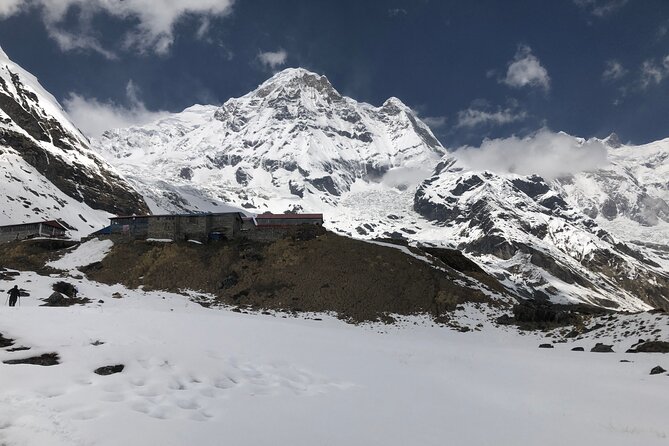
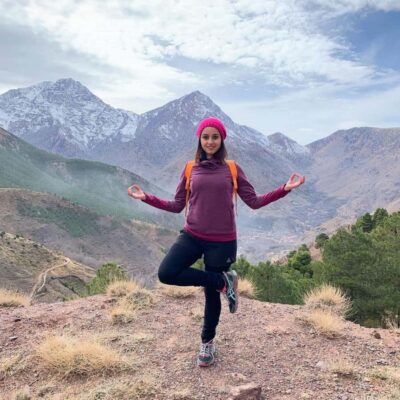
This trek has that classic circuit rhythm: you move through villages, climb steadily, then crest a major pass and drop into a whole new vibe. The route is built around changing elevations, so your senses keep getting new input—air gets thinner, weather changes faster, and each valley feels like its own chapter.
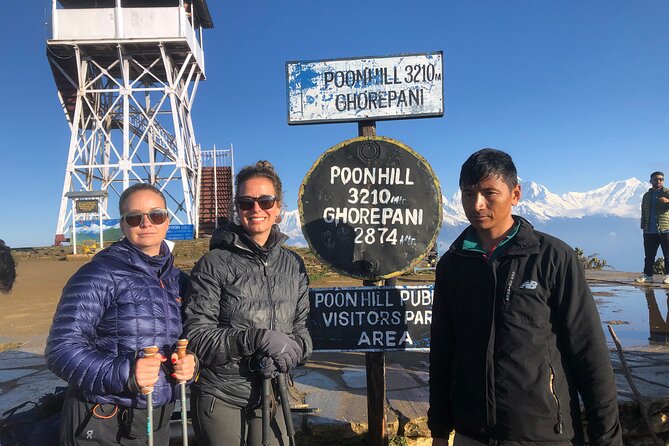
One quick note: some descriptions for this trip mention Poon Hill sunrise-style trekking, but the actual route you’ll walk is the Annapurna Circuit spine through Manang and over Thorang La toward Muktinath.
You can also read our reviews of more tours and experiences in Kathmandu.
Kathmandu starts with temples, not paperwork
Day 1 is about landing, settling in, and getting a welcome dinner. Day 2 is sightseeing with a solid cultural sampler: Boudhanath Stupa, Pashupatinath Temple, Patan Durbar Square, and Swayambhunath Temple. Each stop is scheduled for about an hour, so you’ll get a taste without feeling like you’re stuck on a conveyor belt.
Your big practical win here is that you’re not starting the trek confused. There’s an orientation in the hotel (typically evening on Day 1), and you’ll go over the trek basics before you’re committed to the trail.
Road days matter: Bhulbhule to Jagat sets your stamina baseline
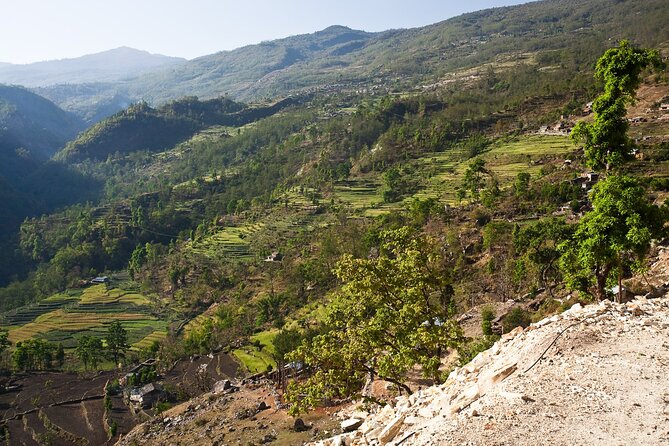
You start walking after a long transfer. Day 3 includes a drive of about 7–8 hours toward Bhulbhule, with scenery of mountains, rivers, and jungle. Day 4 continues with a trek to Jagat, about 5 hours, passing through paddy and muddy fields plus waterfalls on the way.
This is where I tell people to adjust expectations: Nepal’s best views often show up while you’re moving, not while you’re staring. If you treat the road day as part of the effort (stretch, hydrate, snack), the first hiking days feel much more manageable.
Following the Kali Gandaki corridor: Dharapani and Chame
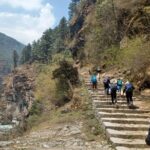
Day 5 brings you to Dharapani (about 5 hours) after descending through steep cliffs and walking along the banks of the Kali Gandaki River. You’ll cross a suspension bridge, climb to a stone mani entry area, and then continue to your village stop.
Then Day 6 is Chame (about 6 hours), climbing through Danaque and up a steep path toward Timang before reaching Manang’s region.
Why this matters: this stretch teaches your legs what they’re signing up for—uneven ground, stairs-like climbs, and river-valley walking that can feel deceptively tiring.
Pisang to Manang: the route starts showing off more often
Day 7 to Pisang is about 6 hours, with fir and pine forest, a climb through high rocky terrain, and views into valleys. You also get a framed look at big peaks, including Annapurna II and Pisang Peak, during the push toward the valley viewpoint.
Day 8 continues for about 6 hours to Manang, with a steep ridge, big valley views, and outlooks related to Tilicho Lake plus multiple Annapurna-region peaks (including sights named like Annapurna III and IV from nearby plains). It’s a day where the trail feels like it’s constantly turning your head.
Day 9 is your acclimatization day in Manang. Instead of forcing altitude jumps, you do lighter day walks and focus on views around the village. This is one of the best “quality of life” moments on the trek because it gives your body time to adjust and your mind time to catch up.
Ledar and High Camp: preparing for the pass, one step at a time
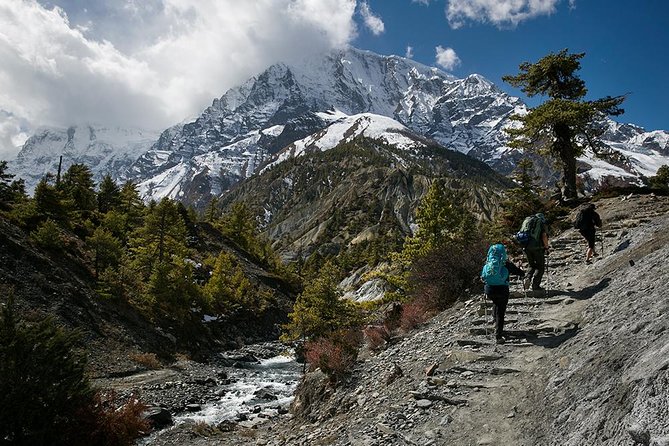
Day 10 is Ledar (about 5 hours), with a steep trail through Tenki Manang and leaving Marshyandi valley behind. You’ll cross along the Jarsang River to Yak Kharka, then continue to Ledar.
Day 11 is High Camp (about 3 hours). Even though it’s shorter on paper, the trail gets rough. You’ll be crossing narrow paths over the Kali Gandaki River, with a tough mix of up-and-down sections.
If you’re sensitive to fatigue, this is where I’d slow your rhythm. Short doesn’t mean easy here. Treat it like you’re warming up for a long day—not celebrating that it’s over quickly.
Thorang La to Muktinath: the day that needs respect
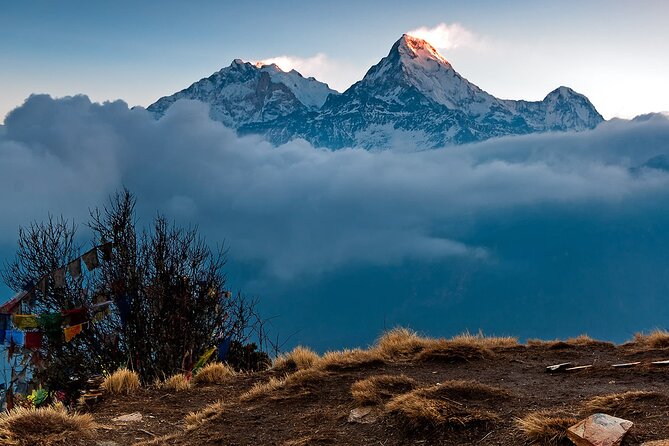
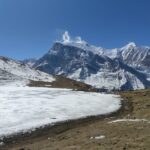
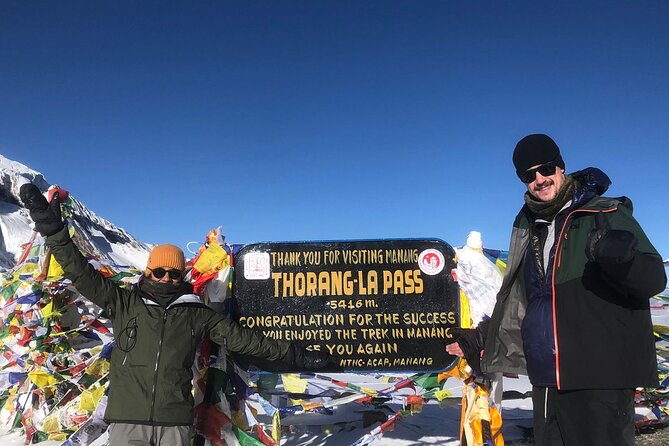
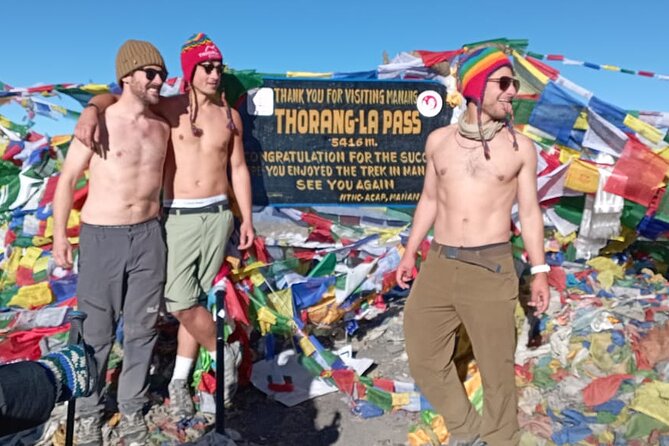
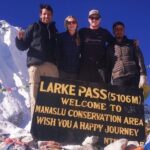
Day 12 is a tough one (about 7 hours): you cross Thorang La Pass and continue to Muktinath for an overnight stay. This is the point in the trek where altitude stops being a concept and starts being a feeling.
The tour’s altitude guidance is straightforward: altitude sickness can begin around 3000 meters. Above that, you can’t assume your body will cope just because you feel fine at breakfast. You’ll get the benefit of the acclimatization day earlier, but you still need to listen to your body and pace accordingly.
Day 13 is Jomsom (about 5 hours). Day 13 is also your “sort out logistics” bridge day: you visit Muktinath for a few hours first, then continue to Jomsom.
Jomsom to Pokhara flight and that post-trek reset
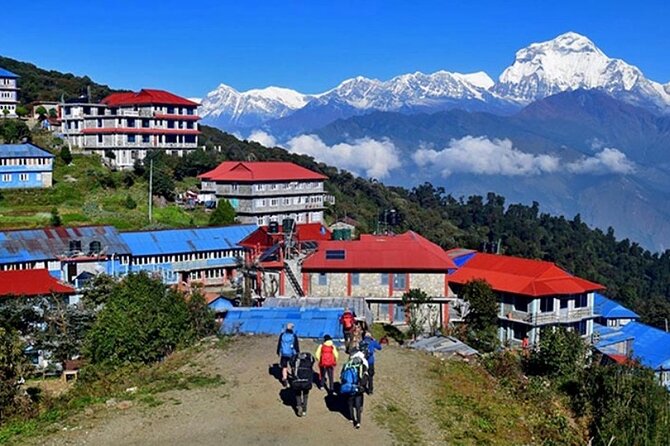
Day 14 includes an early flight from Jomsom to Pokhara. In Pokhara, you get time to freshen up and visit the city. There’s also an optional helicopter tour to Annapurna Base Camp listed for those who want a shortcut to the big drama without the added days on foot.
Day 15 returns you to Kathmandu by tourist bus (about 6–7 hours). If you prefer, a flight is also an option.
This sequence is a big deal: you get real recovery time, then you’re out of the mountains before your body has to keep “proving it” every day.
What you pay for: $1,350 and the value math
At $1,350 per person for about 16 days, you’re not just paying for walking days. Your package includes:
- Airport pickup and drop
- Kathmandu and Pokhara hotel stays (3-star category) in twin sharing, bed-and-breakfast
- Trekking lodge accommodation with breakfast
- TIMS and necessary permits
- The Jomsom–Pokhara flight fare
- Government taxes and office expenses
What you typically pay extra for:
- Lunch and dinner in Kathmandu, Pokhara, and on trekking days (the tour specifically lists these as not included)
- City sightseeing entry fees in Kathmandu
- Your international flight (PKR to KTM is not included)
- Personal expenses
So the real question is not the sticker price. It’s whether you want a guided, permit-handled circuit with a flight segment rather than arranging it all yourself. If you want structure (and you don’t want to spend your energy on logistics), this price can make sense.
Fitness, altitude, and water: the practical realities nobody should ignore
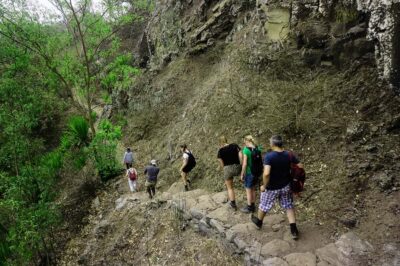
Expect about 5–7 hours of walking daily and roughly 10–14 km per day. That’s a serious commitment even when the days feel friendly at the start.
The tour guidance also says this trek is suitable for people in their early 60s if they train beforehand and show up in good condition. They recommend building stamina with stairs, jogging, or gym work in the months leading up to Nepal.
Altitude note you should take seriously: the guidance points to altitude sickness starting around 3000 meters. That means you need a plan for slow pacing, hydration, and calm decision-making if you feel off.
Hydration plan: you’re advised to drink at least 3 liters of pure water daily. You can use purification tablets or refill at regulated “pure water” stations along the route, and bottled water at lodges is listed as a last-resort option.
Hotels and lodges: what comfort actually looks like here
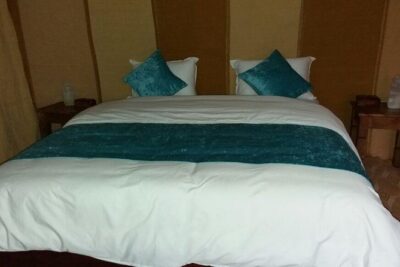
In Kathmandu, you’ll stay at Himalayan Suite Hotel, and in Pokhara at Hotel Dandelion or Lake Star (depending on availability). These are described as good tourist-standard hotels by Nepali benchmarks—not European-style luxury.
On the trek, lodges are simple. Bathrooms are outside rooms, and hot water depends on solar panels, so you shouldn’t assume warm showers every day. Laundry is available in Kathmandu and Pokhara, but not while you’re trekking.
If you like comfort, plan to compromise. If you plan for it, you’ll enjoy the whole trip more.
Guides, group size, and porter support
Your trek runs with small teams. The tour notes a maximum of 15 people per booking, and it also lists trek groups with a maximum of 16. Either way, it’s not a huge herd, which helps when the trail narrows or conditions change.
The company emphasizes experienced English-speaking guides and porters, and that shows up in feedback names like Ganesh and Ram for Annapurna-style treks. The important practical takeaway for you is consistency: you want someone who knows the route and can help manage pace, questions, and trail choices.
Porter support is built in: the tour says you’ll have one porter for two people, and it lists a luggage carry limit of 10–13 kg per person. They also store excess baggage in a Pokhara hotel before you start the trek.
Packing tips that match this trek’s real temperatures
You’ll want hiking boots/shoes that are already broken in. The guidance specifically calls for fairly well-worn footwear.
Clothing depends on the season:
- For treks between November and early March, bring a jacket suitable for around 0°C
- For other times, a jacket for 4–6°C is suggested, because daytime can feel warm even if mornings get chilly
You can buy or find trekking basics in Kathmandu near your hotel, like walking poles, jackets, water bottles, and rucksacks. If you don’t have a sleeping bag, you’ll be provided one for trekking days.
Should you book this Annapurna Circuit trek?
Book it if you want:
- A guided circuit with permits/TIMS handled
- A route that includes Manang acclimatization time
- A smoother ending thanks to the Jomsom to Pokhara flight
- Small-group trekking and porter support so you’re not lugging everything yourself
Skip or rethink if:
- You’re not comfortable with altitude risk and long hiking days
- You’re on a tight daily budget for food, since lunch and dinner aren’t included
- You want guaranteed hot showers (lodges depend on solar hot water)
If you train a bit, pace patiently, and treat water seriously, this trek can feel like a well-run mountain adventure—not a stressful survival test.
FAQ
What are the trip dates and start time?
The meeting point is Tribhuvan Airport in Kathmandu, and the start time is 6:00 am.
How long is the Annapurna Circuit trek in this package?
It’s listed as 16 days approximately, including Kathmandu sightseeing, trekking days, and the return flight or drive.
How big is the group?
The tour states a maximum of 15 people per booking, and it also mentions trekking groups with a maximum of 16 people.
Are airport transfers included?
Yes. Airport pickup and drop are included.
Is a permit included?
Yes. The package includes TIMS and necessary trekking permits.
Are meals included?
Dinner on Day 1 is included, and trekking includes lodge accommodation with breakfast. Lunch and dinner in Kathmandu, Pokhara, and trekking days are not included.
Do I get a sleeping bag?
If you do not have your own sleeping bag, one is provided for the trekking days.
Is there a flight during the trek?
Yes. The flight fare from Jomsom to Pokhara is included (with an early flight on the listed day).
What’s the altitude guidance you should follow?
The tour guidance says altitude sickness can get from around 3000 meters, and it advises checking with your doctor if you have health issues.
What if I need to cancel?
Free cancellation is available up to 24 hours in advance for a full refund. If you cancel less than 24 hours before the start time, you don’t get a refund.
Do I need photos for permits or visas?
Yes. The tour notes bringing two photos for your trekking permit, and it also says visa photos are required (two photos for the visa).