REVIEW · KATHMANDU
Everest Base Camp Trek – 14 Days
Book on Viator →Operated by Ace the Himalaya · Bookable on Viator
You get Everest in reach without getting swallowed by logistics. This 14-day small-group trek runs from Kathmandu to Everest Base Camp with a licensed guide, emergency planning, and porter help so you hike instead of hauling. The route also threads in Sherpa villages, Buddhist sites, and classic Khumbu bridges and ridgelines.
What I like most is the focus on hiking while someone else handles the heavy lifting—literally, with a porter service for 11 days. I also like that acclimatization is built into the schedule, not guessed at, with a Namche pause day and a Dingboche day that goes up for views instead of toward Base Camp.
One thing to watch: Lukla flights can get redirected to Manthali (Ramechhap) during peak congestion periods. That can mean extra travel time and a different start rhythm, so build in mental flexibility.
In This Review
- Key highlights you’ll actually feel on the trek
- Day 1 and Day 2: Kathmandu setup and your Lukla start (with a flight plan B)
- What you should do on your end
- Days 3 and 4: Namche Bazaar, suspension bridges, and the Sherpa Museum day
- Why this schedule is smart for altitude
- Days 5 to 7: Tengboche gompa, Dingboche, and the Nangkartshang view hike
- A practical note for you
- Days 8 to 10: Lobuche, Everest Base Camp at 5,365 m, and Kala Patthar at 5,555 m
- Who will love this part most
- Days 11 to 14: Descending from the Everest region and flying back to Kathmandu
- What’s included on the ground: your guide, porters, guesthouses, and the boring-but-critical details
- What’s not included (so you don’t get surprised)
- Price and value: how $1,800 stacks up when flights and guides are included
- The practical reality of Everest-region trekking: pacing, altitude, and small-group support
- What I’d do before you go
- Who should book this trek, and who should think twice
- Should you book this 14-day Everest Base Camp trek?
- FAQ
- How long is the Everest Base Camp trek?
- What’s the maximum group size?
- Are airport and hotel transfers included?
- Are flights included, and what is the luggage allowance?
- Does the trek include a porter service?
- What about accommodation details on the trail?
- Is travel insurance included?
- What’s the cancellation timeline for a full refund?
Key highlights you’ll actually feel on the trek
- Maximum 14 travelers keeps things manageable and easier for your guide to monitor pacing.
- First-aid trained, licensed guide plus emergency medical evacuation arrangements in worst-case scenarios.
- Porter service for 11 days (1 porter for 2 clients) means less weight and less fatigue.
- Acclimatization days with a purpose: Sherpa Museum in Namche and a Nangkartshang hike near Dingboche.
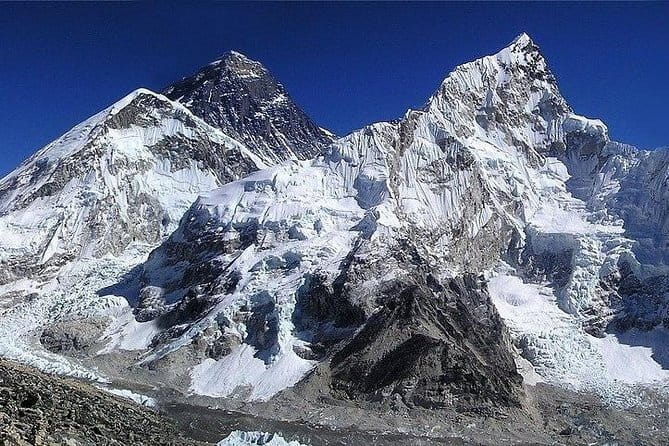
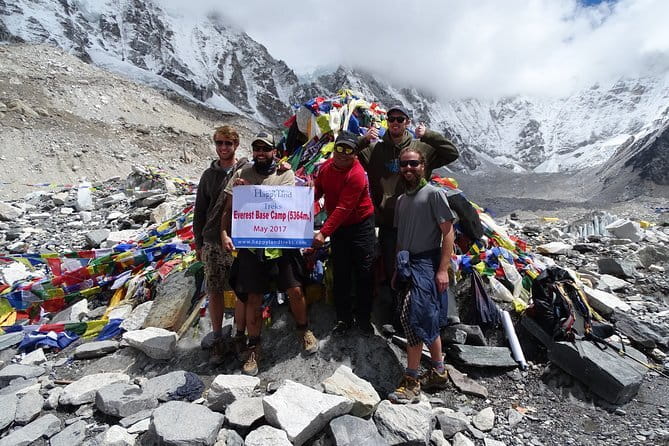
- Everest Base Camp at 5,365 m gives you the closest view without mountaineering gear.
- Filtered water and standard meals (breakfast, lunch, dinner on the trail) take daily planning off your plate.
Day 1 and Day 2: Kathmandu setup and your Lukla start (with a flight plan B)
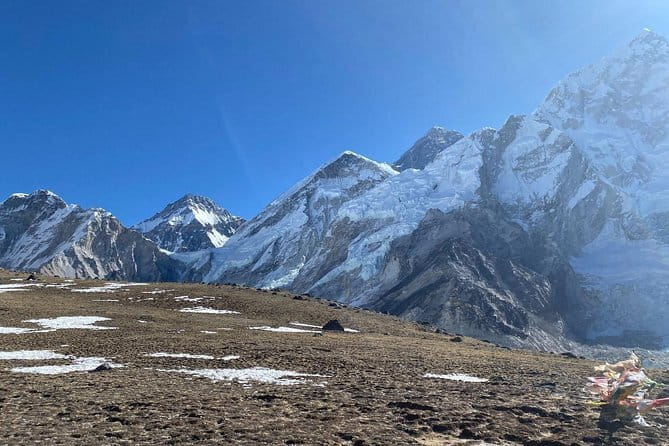
Day 1 is a straightforward landing. You’re met at Tribhuvan International Airport and transferred to Kathmandu in a private tourist vehicle. Then you get two nights in a 3-star twin-share hotel with breakfast included—useful because your first altitude-related win is sleep and food, not heroic effort.
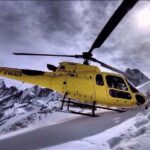
Day 2 is where the trip really becomes real: the flight to the start of the Khumbu trek. You fly Kathmandu to Lukla and back as part of the package, but there’s an important twist. During peak trekking congestion (March, April, May, October, and similar busy periods), Lukla flights may shift to Manthali Airport in Ramechhap. If that happens, you’re still trekking to the same region, but the timing and approach can feel different—so don’t treat the schedule like it’s carved in stone.
You can also read our reviews of more tours and experiences in Kathmandu.
What you should do on your end
Pack like you’ll be moving fast once you arrive. You also have a domestic flight luggage allowance of 15 kg, so you’ll want your trekking essentials in that limit and keep the rest light and simple.
Days 3 and 4: Namche Bazaar, suspension bridges, and the Sherpa Museum day
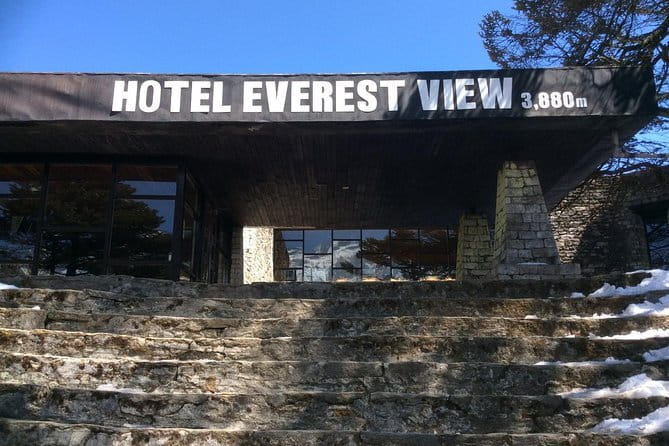
By Day 3 you’re on the classic Khumbu trail along the Dudh Koshi. This is where the route starts showing you why people come back: suspension bridges loaded with prayer flags and repeated river crossings that keep you alert and your mind engaged. The trek also enters Sagarmatha National Park, which gives the feeling of being in a protected, serious wilderness zone.
You’ll end up in Namche Bazaar and spend Day 4 acclimatizing. Instead of another long grind, you get a short trek and a stop at the Sherpa Museum, focused on traditional Sherpa customs and culture. That museum day matters because it’s not just entertainment. Namche helps you adjust to thinning air, and pairing that with a lower-stress activity keeps you from spending the day worrying.
Why this schedule is smart for altitude
Everest-region trekking punishes the “rush and hope” strategy. A proper acclimatization pause reduces your risk of feeling wrecked later. This plan gives you two opportunities to manage altitude—Day 4 in Namche and another later near Dingboche.
Days 5 to 7: Tengboche gompa, Dingboche, and the Nangkartshang view hike
Day 5 pushes toward Tengboche. You’ll keep following the Dudh Koshi with long glacial-water scenery and big mountain views. The itinerary is specific that you reach Tengboche at about 3,860 m, and you’ll have time inside Tengboche Gompa (monastery). Even if you’re not a religious traveler, monastery stops are good altitude breaks: they slow you down, they give you something calm to absorb, and they connect the trekking story to local life.
Day 6 brings you onward to Dingboche, with a route that includes drops and climbs. You pass through places like Debuche and cross another suspension bridge on the Imja Khola. Then you climb through Pangboche and among thousands of mani stones—small prayer stones that line the trail like a spiritual breadcrumb trail.
Day 7 is another acclimatization day, and I appreciate this because it’s not just standing around. You don’t make progress toward Everest Base Camp. Instead, you hike up to Nangkartshang peak just above Dingboche for a view-focused workout. That gives your body movement without forcing you into a longer, higher push too soon.
A practical note for you
If you feel your breathing getting thicker, slow down. Your guide is there for pacing and safety, but the most reliable altitude strategy is simple: go steady, drink consistently, and don’t sprint for each next viewpoint.
Days 8 to 10: Lobuche, Everest Base Camp at 5,365 m, and Kala Patthar at 5,555 m
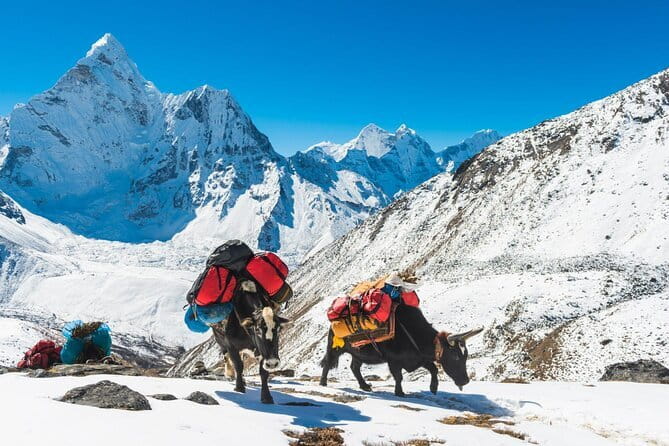
Day 8 moves you toward Lobuche. This is a memorable day because you trek along the lateral moraine of the Khumbu Glacier and pass stone memorials for climbers who’ve perished on nearby summits. It’s not a fun roadside stop. It’s a quiet reminder that this area has real risk, and you’re moving through terrain with consequence.
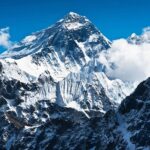
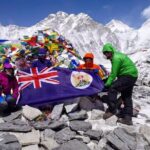
Day 9 is your big push: a difficult day walk along the Khumbu Glacier to Everest Base Camp at 5,365 m. This is as close as you can get to Mount Everest without mountaineering equipment. Expect the day to feel long and heavy even when you’re moving well. The win isn’t speed; it’s arriving intact.
Day 10 is arguably the emotional peak. You climb Kala Patthar to about 5,555 m. The ascent is described as demanding, but the reward is the reason most people plan this trek: the views from that height can feel almost unreal. Even when conditions aren’t perfect, the climb itself gives you a sense of scale and momentum that’s hard to replicate elsewhere.
Who will love this part most
If you like a clear finish line—Base Camp on Day 9, Kala Patthar on Day 10—this schedule is built for you. If you need lots of downtime, you might find these days mentally tiring even with a good guide.
Days 11 to 14: Descending from the Everest region and flying back to Kathmandu
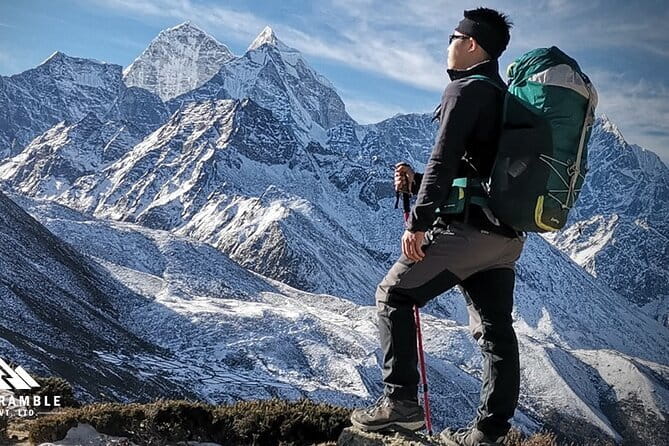
Day 11 starts the descent back toward Namche Bazaar. You leave the higher altitude zone through places like Pangboche and Tengboche and continue down to Namche, arriving in the afternoon. Descents can feel easier than climbs, but your legs still do the work. Your knees get their turn, so pace your steps and take your time on stone and ice-adjacent sections.
Day 12 is the final day of trekking back to Lukla. The itinerary also sets up a group reflection moment. That matters more than you might expect, because reaching Everest Base Camp is a big mental event. You’ll have earned that quiet “what just happened” feeling.
Day 13 returns by flight to Kathmandu. There’s a scenic flight window included, then you’re met on arrival and transferred onward. Day 14 closes with the airport drop at Tribhuvan International Airport.
What’s included on the ground: your guide, porters, guesthouses, and the boring-but-critical details
This trek includes the parts that make Everest possible for normal people with normal schedules.
- Accommodation: Kathmandu is 3-star twin-share for two nights with breakfast. On the trail you’ll use twin-share guesthouses; the information specifies attached toilets in Lukla, Phakding, and Namche.
- Your team: You’ll hike with a government licensed, English-speaking trekking guide who’s first-aid trained. You also get porter support for 11 days (1 porter for 2 clients).
- Permits and fees: Everest/Sagarmatha National Park entry permit and the Pasang Lhamu Rural Municipality fee are included.
- Meals and water: Most meals on the trek are included (breakfast, lunch, dinner), and water is filtered using a Katadyn Pocket Water Filter. Seasonal fruits also come along.
- Helpful extras: You receive Ace the Himalaya’s duffel, a trekking map, a sun hat, and a trip completion certificate.
What’s not included (so you don’t get surprised)
You’ll want to plan for travel insurance that specifically covers emergency high-altitude rescue and evacuation—this is called out as not included. Lunch and dinner in Kathmandu are not included too. You’ll also need your own personal trekking equipment, plus you should budget for tips for your guide and porters since tipping is expected.
Price and value: how $1,800 stacks up when flights and guides are included
At $1,800 per person, the first question is simple: what’s your money buying besides the view?
This package includes domestic flight cost for the Kathmandu–Lukla–Kathmandu sector, park permits and rural municipality fees, your trekking guide, porter support for 11 days, and most meals and trail accommodation. It also includes Kathmandu lodging for two nights and airport/hotel transfers by private vehicle. When you tally those items, the price feels less like a “ticket to Everest” and more like a full logistics package that keeps you from spending your time negotiating daily logistics at altitude.
There’s also a single-traveler consideration. The price is based on two people booking. If there isn’t an existing group for your date to share accommodation, a USD 250 single surcharge applies on arrival.
The practical reality of Everest-region trekking: pacing, altitude, and small-group support
This is a physical trek with altitude. The info calls for moderate physical fitness, which is reassuring, but you still need to respect the basics: you’re gaining altitude day by day, and even “easy” days can feel strenuous at elevation.
The small group size (up to 14) is more than a comfort perk. It helps your guide keep eyes on everyone’s pacing and energy. And in the event of problems, having a guide who’s first-aid trained and backed by emergency evacuation arrangements is the kind of safety net you’re glad exists even if you never need it.
What I’d do before you go
Check your insurance and make sure it covers high-altitude rescue and evacuation. Bring a sensible attitude about the flight schedule too. If your Kathmandu–Lukla plan gets rerouted to Manthali, don’t let it crank your stress level.
Who should book this trek, and who should think twice
You’ll probably be a great fit if you want:
- A small-group experience up to 14 people
- A structured itinerary with acclimatization built in
- Porter support so you can focus on walking and views
- A guide-led trip with emergency planning
You might want to rethink if:
- You don’t have insurance that covers high-altitude evacuation
- You’re not comfortable with flight schedule changes in peak season
- You need a lot of downtime during the hardest days (Day 9 and Day 10 are your main workload)
If you’re the type who likes control, this tour gives you systems. If you’re the type who wants to improvise every day, you may find the plan a little too organized for your taste.
Should you book this 14-day Everest Base Camp trek?
If your goal is Everest Base Camp with sensible logistics, this is a strong option. The combination that stands out is porter support for 11 days plus an itinerary that respects acclimatization, with Namche and Dingboche pause days. That’s the recipe that helps most people finish with their energy and enthusiasm intact.
I’d book this if you want the comfort of knowing flights, permits, guide support, and the core meal-and-guesthouse rhythm are handled for you. I wouldn’t book it if you’re flying without the right insurance or you can’t handle a potential shift from Lukla to Manthali during busy periods.
FAQ
How long is the Everest Base Camp trek?
The trek runs about 14 days.
What’s the maximum group size?
This tour has a maximum of 14 travelers.
Are airport and hotel transfers included?
Yes. You get airport/hotel transfers in a private tourist vehicle in Kathmandu.
Are flights included, and what is the luggage allowance?
Yes. The package includes airfare for the Kathmandu–Lukla–Kathmandu sector. Domestic flight luggage allowance is 15 kg.
Does the trek include a porter service?
Yes. There’s porter service for 11 days with 1 porter for 2 clients.
What about accommodation details on the trail?
You stay in twin-share guesthouse accommodation on the trek. Attached toilets are specified in Lukla, Phakding, and Namche.
Is travel insurance included?
No. Travel insurance covering emergency high-altitude rescue and evacuation is not included.
What’s the cancellation timeline for a full refund?
You can cancel up to 6 days in advance for a full refund. If you cancel less than 6 days before the experience start time, changes are not accepted.