REVIEW · PARO
Bumdrak Trek – Tiger’s Nest Monastery Overnight Trek
Book on Viator →Operated by Bhutan Swallowtail Tours & Travels · Bookable on Viator
A short overnight in Bhutan can feel like a whole world shift. The Bum Dra (Bumdrak) Trek mixes wild camping with sacred caves and a rare, higher-angle view of Tiger’s Nest. I love the chance to wander among holy caves tied to the Thousand Dakinis idea, and I also love that you get the Taktsang viewpoint from above—something you often miss on the standard tourist route. The main drawback: this is a real hike, so you need strong physical fitness and weather can affect what you can see.
You’ll start your day at 8:00 am in Paro, and you’re in a private group, which makes the pace and timing feel more human. Pickup is offered, and the operator handles the logistics with a mobile ticket. In past trips, guides like Pema and Lobsang Nima have been praised for being clear and helpful on the climb, and Singye has come up as a go-to person for keeping everything running smoothly.
What makes this trek especially appealing is how much comfort is built in for how remote it feels. Camping equipment, all trekking gear, and a trekking chef are included, plus meals (including breakfast and dinner) and tea/coffee breaks along the way. Alcohol isn’t included, so bring your own plan for that, but the rest is set up so you can focus on the trail and the monastery views.
In This Review
- Key points to know before you go
- Bum Dra in Paro: what makes this short overnight trek worth it
- Timing, pickup, and your private-group rhythm
- The core experience: hikes, holy caves, and a night under the stars
- Day two and the Tiger’s Nest viewpoint: what you’re really paying for
- Paro Airport bird’s-eye point: a quick view that makes the route click
- Meals, trekking chef, and what’s included (so you travel lighter)
- Fitness reality check: how hard is it and how to prepare
- Guides in Bhutan: what to look for on your hike
- Price and value: is $850 a good deal for a two-day overnight?
- Who this trek suits best (and who should reconsider)
- Should you book Bumdrak Trek to Tiger’s Nest overnight?
- FAQ
- How long is the Bumdrak Trek – Tiger’s Nest Monastery Overnight Trek?
- Where does the trek take place?
- How much does this tour cost?
- What time does the experience start?
- Does the package include pickup and a mobile ticket?
- What’s included in the meals?
- Is alcohol included?
- FAQ
- Do I need strong fitness for this overnight trek?
- Is it a private tour?
- What happens if the weather is poor?
- Is camping part of the trek?
- What additional stop is included besides Tiger’s Nest?
- What trekking support is included?
Key points to know before you go
- One night, wild-style camping: you trade a hotel for a real outdoor bivouac feeling in Bhutan.
- Sacred caves route: the trek isn’t just cardio; you’ll have chances to visit holy caves tied to the Thousand Dakinis theme.
- Tiger’s Nest from a higher viewpoint: you’ll see Taktsang from an angle the usual crowd route often misses.
- All trekking gear + camping equipment included: you won’t have to hunt for the right kit in Bhutan.
- Private group with a guided experience: expect a supportive hike with an informed guide.
Bum Dra in Paro: what makes this short overnight trek worth it
This trek is short on paper—about two days—but it’s not a “quick walk.” The Bum Dra trek earns its reputation as one of the most beautiful shorter trek options in Bhutan because the experience stacks several meaningful layers into one trip: walking uphill, visiting sacred sites, and sleeping outdoors for a night.
The big hook is the mix of spiritual place and physical effort. The route is described as the Trek of the Thousand Dakinis, referring to celestial female beings. Even if you’re not steeped in Bhutanese mythology, you’ll feel how seriously people treat these caves and paths. You’ll see that the hike is part of a larger devotional landscape, not just a route to a view.
And then there’s Tiger’s Nest (Taktsang Monastery)—but with a twist. The trek’s promise is that you’ll get a spectacular view of Taktsang from the top, from a perspective you might not see on the usual tourist route. That matters because the monastery can feel like a single-photo stop when you do it the standard way. Here, the viewpoint comes after you’ve earned it with effort, and that changes how it lands.
You can also read our reviews of more tours and experiences in Paro.
Timing, pickup, and your private-group rhythm
You’ll begin at 8:00 am in Paro. If you’re staying outside the main area, the offered pickup can save you time and stress, especially on a day that depends on the weather and daylight.
It’s also a private tour/activity, so it’s not a crowded cattle-line hike. That usually means a pace that fits your group better, more time to ask questions, and fewer “wait, wait, stop” delays. It’s not just comfort; it changes the quality of the walk.
You’ll receive a mobile ticket, which is a small detail but a useful one. Fewer paper hassles helps when you’re about to be hiking, eating simple meals, and packing light.
The core experience: hikes, holy caves, and a night under the stars
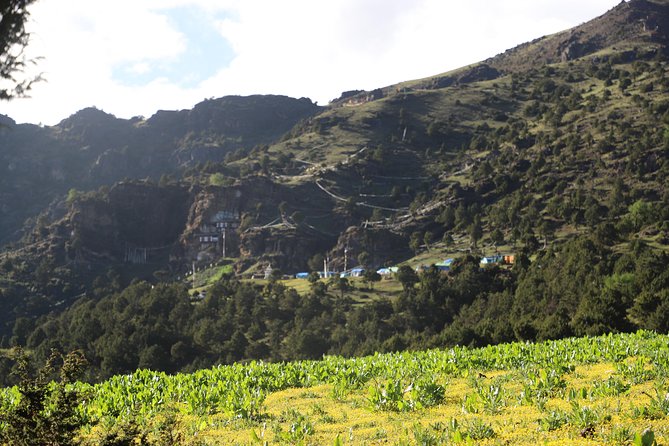
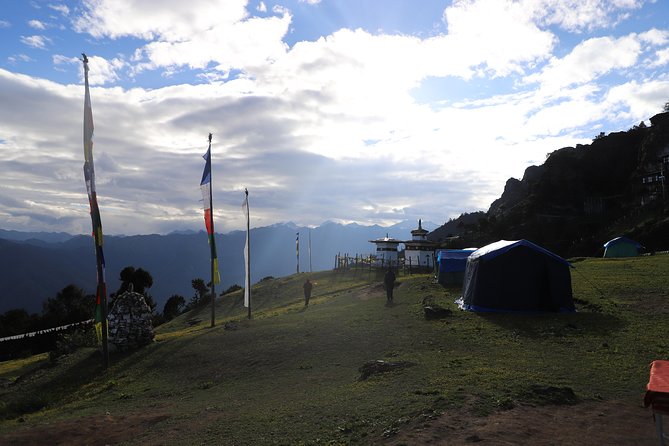
The Bum Dra trek is designed around one night camping in the wild. That’s a signature difference from many day hikes where you’re back in town before you fully settle into the mountain mood. Here, sleep is part of the story. Even without luxury, camping adds a feeling of distance from normal life.
During the hike, you can explore numerous sacred and holy caves where the Dakinis are said to have convened. This is exactly the kind of detail that can turn a trek into a memory. You’re not only watching the mountain; you’re moving through spaces that carry meaning for believers.
For you, the practical payoff is this: those cave visits give your body breaks that don’t feel like interruptions. Instead of resting only when your legs demand it, you pause when the place asks you to pause. It’s slower in the best way.
Day two and the Tiger’s Nest viewpoint: what you’re really paying for
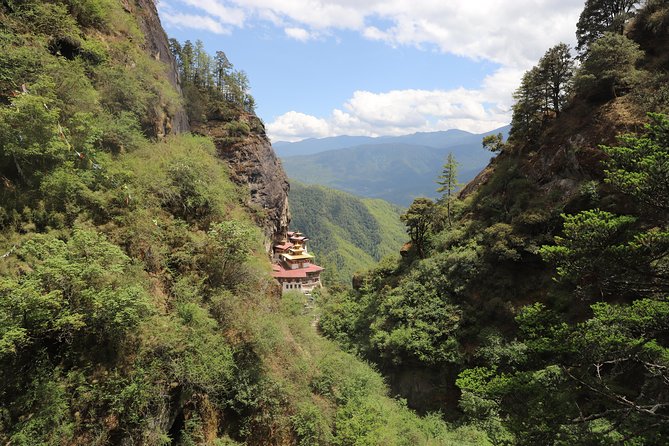
The trek’s second big payoff is your view of Taktsang Monastery from higher up than the standard approach. From the information here, that higher viewpoint is the point: you see Tiger’s Nest as a perched complex against the cliff edge, not just as a destination at the end of a path.
This matters because your effort will be rewarded with a different kind of perspective. If you’ve only seen Tiger’s Nest from the main approach, you might be surprised by how much your mental image changes after you’ve hiked above and around the story of the site.
One more thing: the climb itself should be treated as step-heavy. In an auto-translated note, the number of steps was called out as being far higher than some casual expectations. So plan like it’s a workout, not a gentle stroll.
Paro Airport bird’s-eye point: a quick view that makes the route click
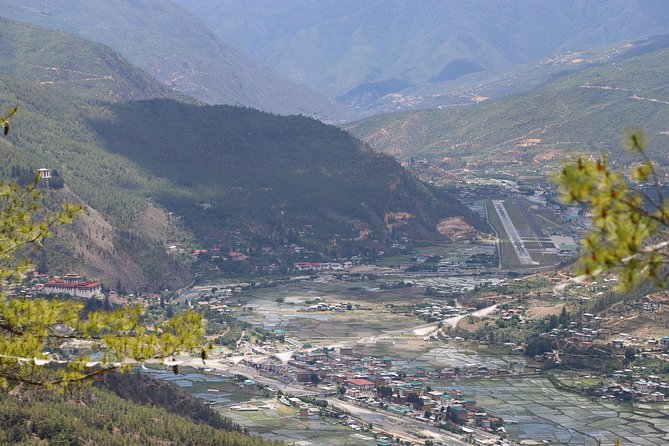
There’s a stop at a Paro Airport bird’s eye view point. Even if the trek is the main act, this viewpoint stop gives you useful context. You’ll see how the Paro Valley sits and how the monastery region fits into the broader geography.
That kind of “zoom out” moment helps your brain organize what you’re walking through. It can also be a morale booster if your legs get tired before you reach the day’s main highlight.
Meals, trekking chef, and what’s included (so you travel lighter)
The meal setup is one of the best value signals in this trek. You’ll have breakfast, lunch (two lunches are listed), and dinner. You’ll also get tea/coffee twice, with snacks. This is the kind of inclusion that matters more than people think, because trekking days go much better when you’re not guessing what you’ll eat or when.
Then there’s the trekking chef. When a chef is included, it usually means you’re not improvising meals at remote points. You’ll get food planned around the hike rhythm, not based on what’s available that day.
Most importantly for comfort: camping equipment and all trekking equipment are included. That’s a big deal if you don’t travel with serious hiking gear. It reduces the chance of being stuck with the wrong boots, the wrong layering setup, or missing key items.
What’s not included is alcohol. That’s normal for trekking in many places, and it’s good to know up front so you don’t show up expecting a bar on the trail.
Fitness reality check: how hard is it and how to prepare
This trek is for people with a strong physical fitness level. That’s not a casual suggestion. A one-night trek to Tiger’s Nest territory still demands steady uphill effort, and the steps can add up fast.
So prepare like you’re training for a climb:
- Get used to stairs or repeated uphill walking before you go.
- Wear boots or shoes that you’ve already broken in.
- Bring layers that handle cool mornings and changing conditions.
Weather is another key factor. The experience requires good weather, and if it’s canceled due to poor weather, you’ll be offered a different date or a full refund. In Bhutan treks, clouds can also mean you lose clarity on views—even if the path stays passable.
If you get winded easily, this isn’t the right trek to treat as a test run. If you’re steady, comfortable hiking uphill for long stretches, you’ll likely find it rewarding rather than punishing.
Guides in Bhutan: what to look for on your hike
This tour is private, but the real difference often comes down to your guide. In the experiences listed, guides like Pema and Lobsang Nima are praised for being informative and for making the hike feel smoother—especially by explaining what you’re seeing and why it matters.
You’ll also see names like Singye linked with helpful logistics, which suggests the operator’s planning is not just a ticket sale. For you, that means fewer surprises and a better chance your questions get answered on the trail rather than after you’re already exhausted.
When you’re hiking, good guidance isn’t only about history. It’s also about pacing, where to rest, how to manage your energy, and what to watch for on the path.
Price and value: is $850 a good deal for a two-day overnight?
At $850 for about two days, this trek isn’t cheap. But the cost makes more sense when you list what you’re actually getting: pickup is offered, camping and trekking equipment are included, meals are handled (breakfast, lunches, dinner), and a trekking chef is part of the package. Add in guided time for a private group and the fact that the itinerary includes both a monastery-focused trek element and a Paro airport viewpoint stop.
If you tried to recreate this on your own, you’d likely spend money on guide time, gear rental or purchases, food arrangements, and transport—plus you’d carry the planning burden. For many people, paying for logistics in Bhutan is the value trade. You’re buying peace of mind and a smoother flow so you can stay focused on the hiking and the sacred sites.
So the best way to judge the value is this: if you want an organized, guided overnight trek with gear and food handled, the price looks more reasonable. If you’re hoping for a DIY-style budget hike, this isn’t that.
Who this trek suits best (and who should reconsider)
This is a great match if you want:
- A short trek that still feels like an adventure
- Wild camping rather than just day hiking
- A spiritual site route with chances to visit holy caves
- A better-than-standard viewpoint of Tiger’s Nest
It may not be the best fit if:
- You want a very easy walk
- You’re not comfortable with step-heavy climbs
- You’re traveling at a time when weather is often unpredictable for your dates (since the experience depends on good weather)
If you’re a solo traveler, you’ll still be in a private group. If you’re traveling as a couple or small group, the private format helps keep the experience from turning into a race.
Should you book Bumdrak Trek to Tiger’s Nest overnight?
I think you should book this trek if you care more about the journey than the photo. The combination of one-night camping in the wild, sacred cave stops tied to the Thousand Dakinis theme, and a Tiger’s Nest viewpoint from higher up is exactly the kind of Bhutan experience that feels more personal than the usual route.
You should also feel good about booking with an operator that clearly supports strong guiding and planning—names like Pema, Lobsang Nima, and Singye show up for a reason. And since much of what you’d normally have to arrange yourself (gear, meals, camping setup) is included, your energy goes into the hike, not logistics.
Just don’t treat it like a casual stroll. If you’re physically ready and you pick dates with a good weather chance, this is the kind of short trek that can become a standout Bhutan memory.
FAQ
How long is the Bumdrak Trek – Tiger’s Nest Monastery Overnight Trek?
It’s listed as 2 days (approx.).
Where does the trek take place?
The location is Paro, Bhutan.
How much does this tour cost?
The price is $850.
What time does the experience start?
The start time is 8:00 am.
Does the package include pickup and a mobile ticket?
Pickup is offered, and you’ll get a mobile ticket.
What’s included in the meals?
You get breakfast, lunch (listed as two lunches), and dinner, plus tea/coffee twice with snacks.
Is alcohol included?
No, alcoholic beverages are not included.
FAQ
Do I need strong fitness for this overnight trek?
Yes. The information states travelers should have a strong physical fitness level.
Is it a private tour?
Yes. It’s described as a private tour/activity, with only your group participating.
What happens if the weather is poor?
The experience requires good weather. If it’s canceled due to poor weather, you’ll be offered a different date or a full refund.
Is camping part of the trek?
Yes, it includes one night camping in the wild.
What additional stop is included besides Tiger’s Nest?
There’s a stop at Paro Airport Bird’s Eye View Point.
What trekking support is included?
The trek includes a trekking chef, plus camping equipment and all trekking equipment are included.