REVIEW · SAPA
Trekking SaPa 2-Day Local Adventure with Homestay & Guide
Book on Viator →Operated by Trekking SaPa Chu · Bookable on Viator
Sapa feels personal on this trek. You’ll get off the main loop and spend two days with a local guide, plus a homestay experience that ties your visit directly to the people who live here. Expect real village time, home-cooked meals, and customs explained in a way that actually makes sense.
I especially like how the guide, Ms Chu, manages the day around your group. From what’s shared in the tour’s feedback, she’s patient and speaks strong English, and she’ll adjust the pace so you’re not stuck grinding through mud when others are fresh.
One consideration: this is still a trek in the Sapa hills, so you should be ready for walking on uneven paths and changing weather. If your fitness is limited, tell the guide early and ask for an easier pace.
In This Review
- Key highlights before you go
- Why this 2-day Sapa trek feels less tourist, more local
- Meet Ms Chu: the guide who makes the route work
- Day 1: 9AM departure toward Muong Hoa valley panoramas
- Night in a Sapa homestay: where the day turns real
- Day 2: Bamboo forest trekking to Giang Ta Chai (Red Dao)
- What makes the walk enjoyable (and what you should prepare for)
- Price and value: why $75 can be a fair deal in Sapa
- Logistics that help: pickup, private group, and simple ticketing
- Who this tour fits best
- Should you book this Sapa trekking with homestay and guide?
- FAQ
- Where is this trekking tour located?
- How much does the tour cost?
- How long is the experience?
- Is pickup included?
- Is this a private tour or a group tour?
- What kind of accommodation do you get?
- What meals are included?
- What time does the first day start?
- Which village do you visit on Day 2?
- Is there any admission fee mentioned for the Day 2 village stop?
- What is the cancellation policy?
Key highlights before you go
- Born-and-raised guide in the region (Ms Chu), with English that helps you understand village life
- Homestay with home-cooked meals, so you’re not just watching culture from a distance
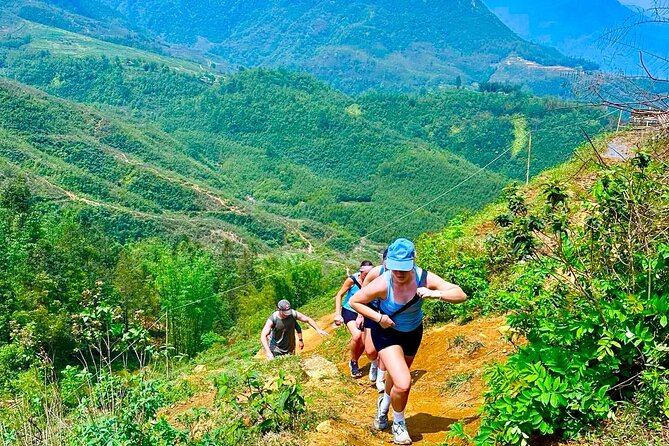
- 9AM start on Day 1 with panorama views as you move down toward Muong Hoa valley
- Bamboo-forest trek on Day 2 to Giang Ta Chai village of the Red Dao
- Private tour setup, only your group participates
- Mobile ticket + pickup offered, which makes the logistics feel simpler
Why this 2-day Sapa trek feels less tourist, more local
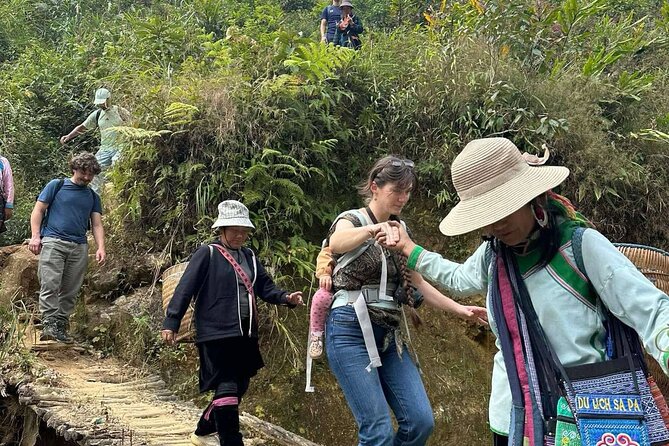
Sapa has a reputation for being busy and tour-shaped. This tour is different because the center of gravity is people and daily life, not checklists. You’re walking village routes with a guide who knows the area well, staying in a traditional homestay, and eating meals prepared where you’re sleeping.
That matters because it changes your day. Instead of rushing between photo stops, you slow down enough to notice the details: how houses sit on the slopes, how paths connect one hamlet to the next, and how conversations work when you’re with someone who can translate the context.
You’ll also like that the experience is positioned as community-based tourism. That’s not marketing fluff here. With a homestay component, your payment has a direct route into local livelihoods, and your time helps keep these villages part of the visitor story for the right reasons.
You can also read our reviews of more tours and experiences in Sapa.
Meet Ms Chu: the guide who makes the route work
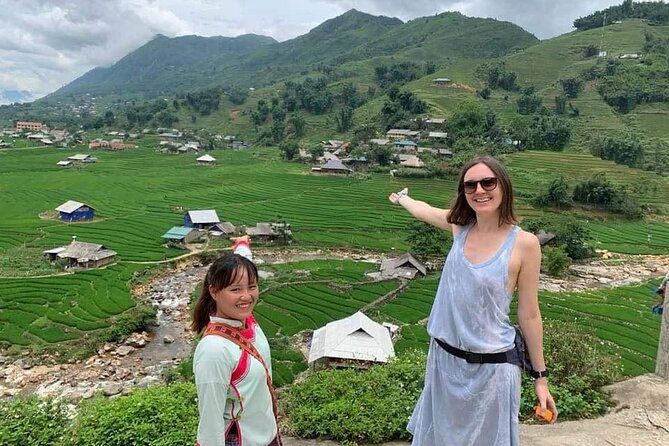
The standout feature is the guide. Ms Chu is described as born and raised in the area, which usually means two big advantages: she understands where the trails go, and she understands how conditions can shift during the day.
You’ll also feel the difference in how she leads. Expect a style that’s warm and patient, with a sense of humor that keeps the long walking stretches from feeling heavy. One of the most practical perks is pacing. The trek can be as much about endurance as attitude, and a guide who can adapt the walking amount to your fitness level keeps the experience enjoyable for a wider range of travelers.
English helps too. When you can ask real questions and get clear answers, village visits become more than scenery. And based on the tour information and feedback, you’ll also get useful shopping guidance—especially if you care about local textiles and indigo-dyed fabric.
Day 1: 9AM departure toward Muong Hoa valley panoramas
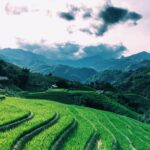
Day 1 starts at 9AM from Sapa. You head out on a narrow road that leads you down toward the Muong Hoa valley area. Even before you get deep into the walk, the approach gives you a payoff: town and valley views from the trail, with the kind of shifting perspective you only get when you’re moving slowly downhill.
The day includes a private route through villages in the Sapa region, listed as Y Linh Ho – Lao Chải – Tavan. This matters because it’s not just one village photo stop. You’re traveling through connected communities where the terrain shapes how people live and how trails connect.
What you should expect:
- A morning start that’s ideal for clear visibility (and usually kinder temperatures)
- Views that build as you descend
- A pace that’s managed by your guide rather than a fixed group stampede
Potential drawback on Day 1: the earlier start plus downhill walking can feel tiring if you’re not used to mountain terrain. If your knees are sensitive, mention it early. A good guide can often adjust the route length or tempo without ruining the day.
Night in a Sapa homestay: where the day turns real
You’re sleeping in a traditional homestay, and that’s not a minor add-on. It changes the social rhythm of the trip. Instead of returning to a hotel and calling it “a day,” you spend the evening in the same kind of household environment that shapes village routines.
The tour includes home-cooked meals, which is one of the best ways to learn without feeling like you’re in a lesson. Food gives you a common topic fast: ingredients, cooking habits, and what’s eaten locally. Even if you don’t know the names of dishes ahead of time, the meal itself becomes part of how you understand daily life.
Cultural learning also fits naturally here. When you’re staying in someone’s home, customs and etiquette aren’t just spoken about—they’re practiced around you. You’ll likely get guidance from the people you’re staying with, and from your guide, about what’s respectful and what questions are worth asking.
A practical note: homestays can vary by village setup. The tour info confirms the traditional homestay element, but it doesn’t spell out room features. If you’re sensitive to basics like hot water or bed comfort, ask ahead.
Day 2: Bamboo forest trekking to Giang Ta Chai (Red Dao)
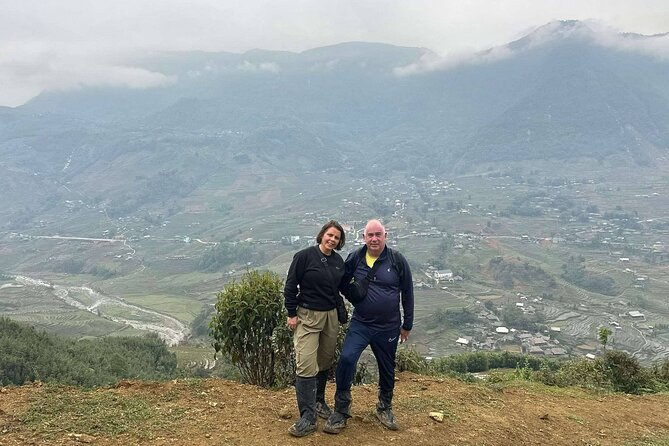
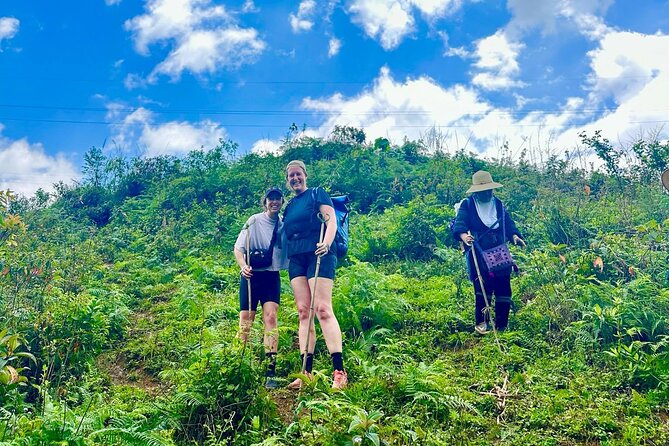
After breakfast at the homestay, you continue with trekking through bamboo forests. This part of the itinerary stands out because it’s not only about reaching a village—it’s about the walk itself. Bamboo forest trails tend to feel cooler and calmer than the open slopes, so your energy can build instead of dropping.
The destination is Giang Ta Chai village, home of the Red Dao ethnic minority. This is one of the most meaningful parts of the trip because you’re going to a community with a distinct identity. Your guide can help you understand what you’re seeing and avoid the common mistake of treating the visit like a set piece.
The tour also notes admission ticket free for the day’s main segment (listed as about 3 hours). That’s a good sign if you’re trying to keep the trip value tight and not pile up extra fees mid-day.
What the day typically feels like:
- Bamboo forest trekking that stretches the sense of distance in a good way
- Arrival time that’s meant for meaningful village interaction
- A return toward Sapa after visiting Giang Ta Chai
One thing to keep in mind: Red Dao villages are active, lived-in places. You’ll get the best experience if you’re curious and gentle, and if you follow your guide’s cues about where to stand, when to ask questions, and how to interact.

What makes the walk enjoyable (and what you should prepare for)
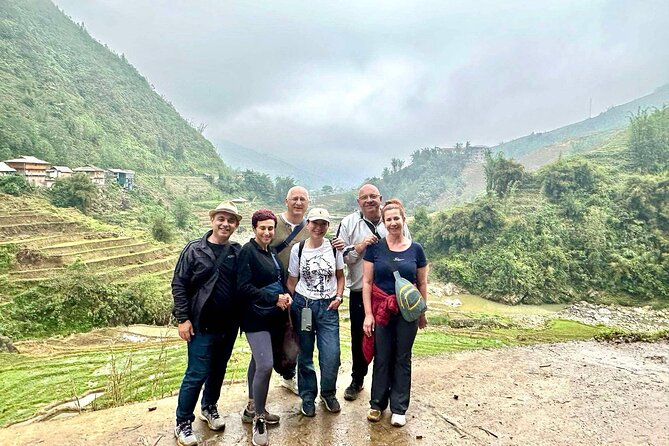
Sapa trekking is famous for views, but the real experience comes from how you manage the effort. This tour’s itinerary is built for two days, which gives you time to recover between walking days thanks to the homestay night.
Still, plan for mountain conditions:
- Narrow village trails can be uneven
- Bamboo forest sections may feel slippery if it’s damp
- Weather can change fast in the hills
Packing approach that fits this specific type of trek:
- Comfortable walking shoes with decent grip
- A light rain layer, because clouds can roll in without warning
- Water and simple snacks if your appetite tends to surprise you mid-walk
- Any small cash you might want for locally made items (especially textiles)
Textile tip: one piece of advice is to ask Ms Chu where to buy indigo fabric. If you care about quality, timing matters, and a guide who knows the best local options can save you from impulse purchases that don’t hold up.
Price and value: why $75 can be a fair deal in Sapa
At $75 per person for about two days, you’re paying for more than walking. You’re paying for:
- A guided experience with a local born and raised in the area
- Private group access (only your group participates)
- Homestay lodging
- Home-cooked meals
- The time and coordination needed for village routing
For some Sapa tours, the cheap version means you get dropped into the same crowded spots and end up paying extra for every entrance, meal, or transport step. Here, the structure is more “all-in,” even if you still need personal spending money for souvenirs.
Also, the tour offers pickup and mobile ticket, which can remove friction on a trip where getting from one starting point to another can eat time. There’s also group discount mentioned, which helps if you’re traveling with friends or family.
A quick reality check: whether the price feels like a steal or just fair depends on your priorities. If you want a polished, hotel-based experience with minimal walking, this may feel like effort for the money. If you want direct local contact, the value makes sense.
Logistics that help: pickup, private group, and simple ticketing
This is set up as a private tour, meaning only your group participates. That tends to matter because it makes pacing and questions more flexible. If you’re traveling as a small group, you’re not sharing your guide time with strangers who wander off at their own speed.
You also have pickup offered. In Sapa, that alone can be worth something, because roads and meeting points can be confusing when you’re tired and the weather is doing its thing.
The mobile ticket and confirmation at booking reduce the guesswork. You won’t be stuck trying to decode instructions days before departure.
One more practical point: cancellation is allowed up to 3 days in advance for a full refund. That gives you a little breathing room if you’re still juggling Sapa weather or your wider Vietnam plan.
Who this tour fits best
This is ideal if you want:
- A real homestay experience, not just a photo stop
- A guide who can explain what you’re seeing and adjust pacing
- A two-day format that’s long enough to feel like you left the main drag, but not so long you lose momentum
You’ll especially like it if you’re comfortable walking at a moderate level and you enjoy learning through conversation. It’s a good match for couples, small friend groups, and travelers who don’t mind being active in exchange for meaningful cultural contact.
If you’re expecting a luxury, low-effort itinerary or you’re unsure about your ability to handle uneven paths, you’ll need to plan carefully. The info says most travelers can participate, but “can” doesn’t always mean “comfortable.” Talk to the guide about your limits early.
Should you book this Sapa trekking with homestay and guide?
I’d book it if your idea of a great Sapa trip is simple: walk with a local, eat where you sleep, and spend time with a specific community like the Red Dao in Giang Ta Chai. The combination of Ms Chu’s local knowledge, her patient way of leading, and the homestay format is exactly what turns a trekking tour into something memorable.
I would hesitate only if you’re very sensitive to physical effort, or you want a trip with minimal walking and fewer cultural interactions. In that case, choose something flatter or more schedule-light.
If you do book, do yourself a favor: message the guide about your walking comfort level, and ask for textile advice if indigo fabric is on your wishlist. With a guide like Ms Chu, those small conversations can make the whole trip smoother.
FAQ
Where is this trekking tour located?
The tour takes place in Sapa, Vietnam.
How much does the tour cost?
The price is listed as $75.00 per person.
How long is the experience?
It runs for 2 days (approx.).
Is pickup included?
Yes, pickup is offered.
Is this a private tour or a group tour?
It’s a private tour/activity, and only your group will participate.
What kind of accommodation do you get?
You stay in a traditional homestay.
What meals are included?
The tour includes home-cooked meals.
What time does the first day start?
Day 1 starts at 9AM from Sapa.
Which village do you visit on Day 2?
On Day 2 you trek to Giang Ta Chai village, which is home of the Red Dao ethnic minority.
Is there any admission fee mentioned for the Day 2 village stop?
The information notes admission ticket free for the Day 2 segment.
What is the cancellation policy?
You can cancel up to 3 days in advance for a full refund. If you cancel less than 3 full days before the experience’s start time, the amount paid will not be refunded.