REVIEW · SAPA
1-day Authentik trek & Panorama valley views
Book on Viator →Operated by Vietnam Nomad Trails · Bookable on Viator
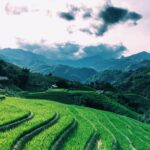
Rice terraces set the tone fast. This 6-hour Sapa trek pairs Muong Hoa Valley scenery with Hmong stories on traditional textiles, plus a downhill route through farms and village paths. You’ll also get a hilltop moment with wide views toward Mount Fansipan.
I especially like the way the day mixes Hmong village life with practical, human-scale encounters. And the long viewpoint-and-rice-terrace walking stretch gives you constant scenery, not just one photo stop.
The main thing to consider is that it’s a moderate-fitness trek on uneven paths, and the experience is weather-dependent—so plan for a day that can change.
In This Review
- Key things to love about this 1-day trek
- 6 hours of Muong Hoa Valley views and real Hmông culture
- Getting started in Sapa: timing and how the day begins
- Muong Hoa Valley: the viewpoint climb that actually sets you up
- Village encounters: what you learn (and what you’re doing with your hands)
- Green tea at a local home: small moment, big payoff
- Lunch stop: local food and a standout fried spring roll moment
- Descending toward Hầu Thào: fields, water, and village atmosphere
- Why the viewpoint and valley route feels better than a quick hit
- Price and value: is $56.42 worth it?
- Weather and fit: the two things that can make or break the day
- Who should book this (and who might prefer a different plan)
- Final call: should you book this 1-day trek and panorama views?
- FAQ
- How long is the trek?
- What does the price include?
- Is it private?
- Where does the tour start and end?
- What time does it start?
- What fitness level do I need?
- What if the weather is poor?
- How far in advance should I book?
Key things to love about this 1-day trek
- Muong Hoa Valley panoramas with a hilltop look toward Mount Fansipan
- Hmong textile culture, including chances to touch and feel local materials (with a guide who explains it clearly)
- Green tea in a local home before the views open up
- A real village descent toward Hầu Thào, associated with Black Hmông life
- Hidden-feeling walking routes that often feel quieter than the main sights
- Lunch plus bottled water included, so you’re not scrambling for food mid-trek
6 hours of Muong Hoa Valley views and real Hmông culture
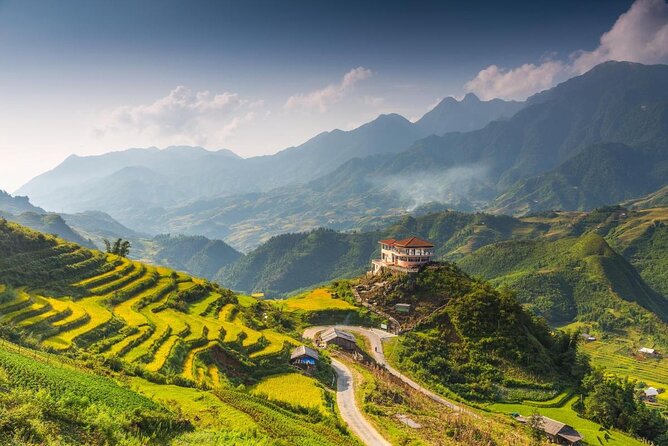
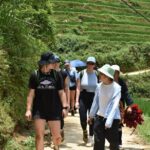
If you’re in Sapa and you want more than a quick bus ride to a viewpoint, this trek is built for walking and conversation. The route starts with a climb that gets your lungs working and your eyes rewarded. Then it shifts into a slower rhythm as you move downhill through rice fields and village areas, with little surprises along the way like waterfall paths and farm scenery.
What makes the day work well is balance. You get high-value viewpoints early, you get culture while you’re still energized, and you end with a descent that feels like you’re moving through the valley rather than only sightseeing on the edge of it.
Also, this is a private tour/activity. That matters in Sapa, where crowded paths can turn a peaceful walk into a stop-and-go shuffle. Having just your group makes it easier to ask questions and keep a steady pace.
You can also read our reviews of more tours and experiences in Sapa.
Getting started in Sapa: timing and how the day begins
This tour starts with pickup or meeting in Sapa town, then heading into the Muong Hoa Valley area. Depending on your schedule that morning, you may be picked up around 8:45 a.m. and the listed start time is 9:30 a.m. Either way, it’s a morning departure, so you’ll want an early breakfast and shoes ready to go.
Your trekking day runs about 6 hours total, and it ends back at the starting point. That full circle is helpful if you’re trying to protect the rest of your afternoon for rest, photos, or a market browse.
The meeting point is on 15 Tuệ Tĩnh, Sa Pa, Lào Cai, so you’ll want to confirm the exact pickup spot if your hotel is a bit outside Sapa town center.
Muong Hoa Valley: the viewpoint climb that actually sets you up
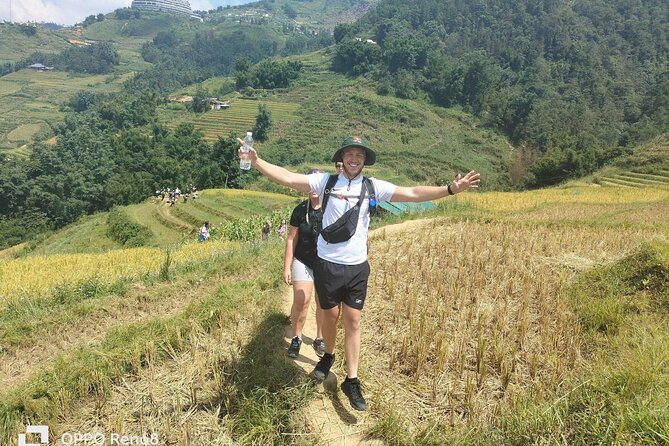
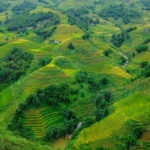
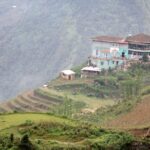
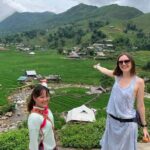
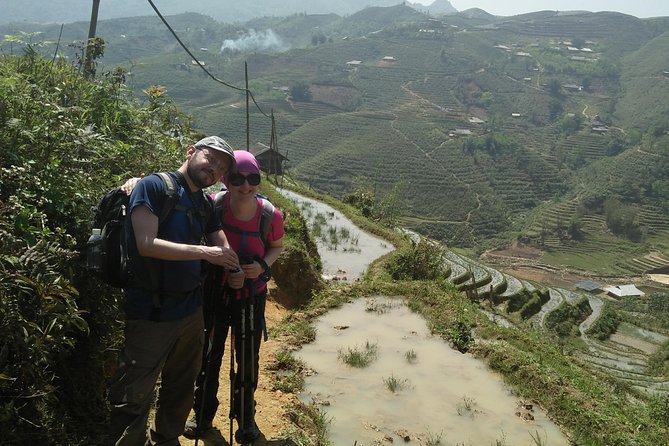
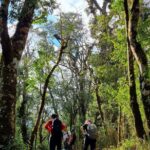
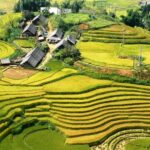
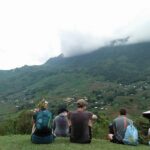
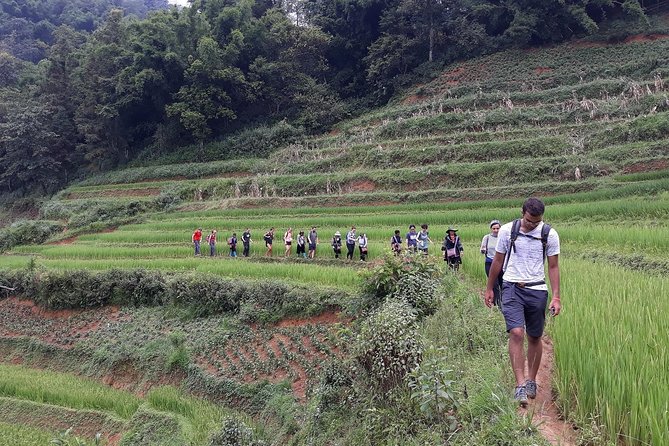
The first big phase is the ascent into the valley viewpoint area. This is where the day earns its name: sweeping panorama views over emerald rice terraces. You’re not just walking past scenery here—you’re walking toward it. That climb is the reason the rest of the day feels so good: once you’ve earned the view, every step afterward looks different.
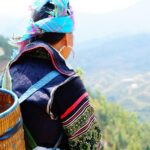
This part is also where the culture component gets serious. As you move through the Hmông community areas, you’re guided through daily life and traditions with a focus on textile-making. Many guides on this route are skilled at translating everyday craft into something you can understand and remember, including what the fabrics represent and how people use them in ordinary life.
From a practical point of view, this early segment is a good test of your comfort level. If you’re okay with uphill walking and short pauses to take in views, you’re in the right place. If you don’t handle steep climbs well, you’ll feel it more before lunch than after.
Village encounters: what you learn (and what you’re doing with your hands)
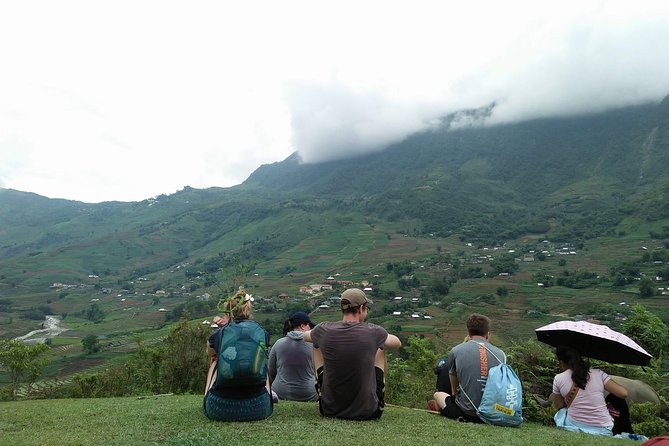
A highlight is the way you meet local families in Hmông village settings, not just pass by houses. You’ll walk through areas where people live close to their gardens, fields, and craft spaces. The point is to understand that the terraces and the textiles aren’t separate stories—they’re part of the same local rhythm.
Textiles are the star. The guides explain traditional textile-making and the meaning behind patterns and materials. In several accounts, guests really liked the practical side: you may get chances to touch and feel materials, turning what could be a lecture into something more personal and hands-on.
Names that come up often include guides like Su and Chai, who are praised for being friendly and informative with clear English. Other guides also pop up, like Nhu and Nhi Thảo, and the common thread is a calm, careful pace with time for questions.
If you’re someone who learns best by talking and watching, this is a strong match. If you prefer to keep a strict schedule with minimal interaction, you’ll still get it, but you’ll likely spend more time stopping and listening than on a pure sightseeing trek.
Green tea at a local home: small moment, big payoff
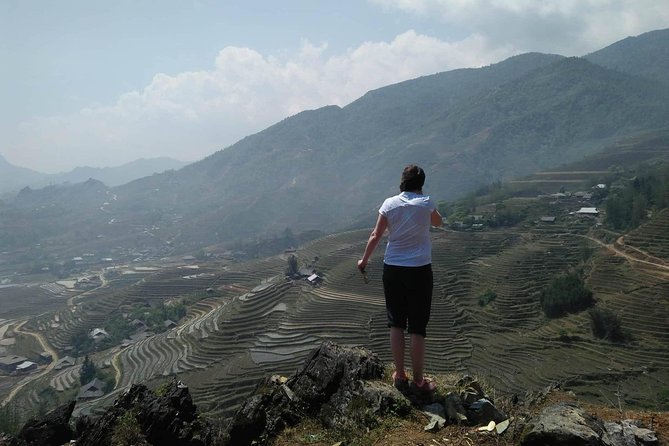
At some point during the morning village walking, you’ll stop for green tea at a local home. This is one of those stops that’s easy to underestimate if you’re thinking only about views and waterfalls.
Here’s why it matters: it gives you a break, it resets your pace, and it turns the day into more than an outdoor hike. You’re sitting with locals in a normal setting, and that helps the textile and village context make more sense. It also adds a quiet pause before the big viewpoint section and lunch.
From a comfort standpoint, it’s also a buffer against the trek’s physical demands. Even if you’re not tired, having a scheduled sit-down means you can keep your energy for the descent afterward.
Lunch stop: local food and a standout fried spring roll moment
After the morning’s uphill and village time, you’ll have lunch at a local restaurant. Lunch is included, and bottled water is included too, which is a real help on a multi-hour walk.
Food isn’t just fuel here—it’s part of the local rhythm, and that shows in what guests say about the meal. Fried spring rolls get mentioned as a top highlight, and that fits with the overall theme of the day: small details matter.
Because lunch is part of the included package, you don’t have to decide on the fly where to eat while you’re mid-trek. That keeps the experience smooth.
Descending toward Hầu Thào: fields, water, and village atmosphere
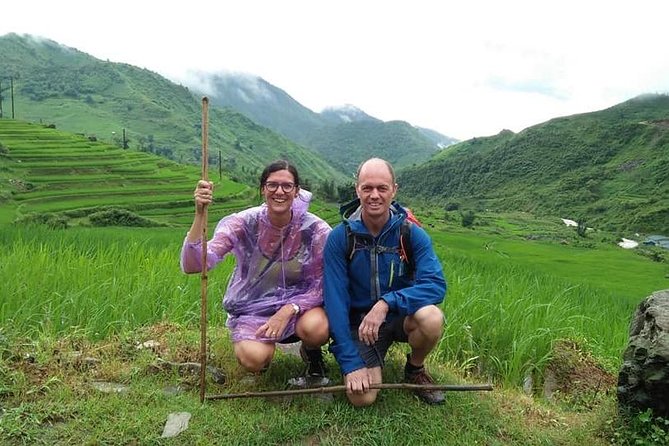
After lunch, the day shifts into a descent route, heading toward Hầu Thào Village, associated with Black Hmông community life. This is the phase where the trail starts to feel more like moving through the valley rather than conquering it.
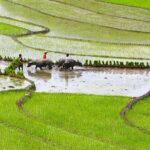
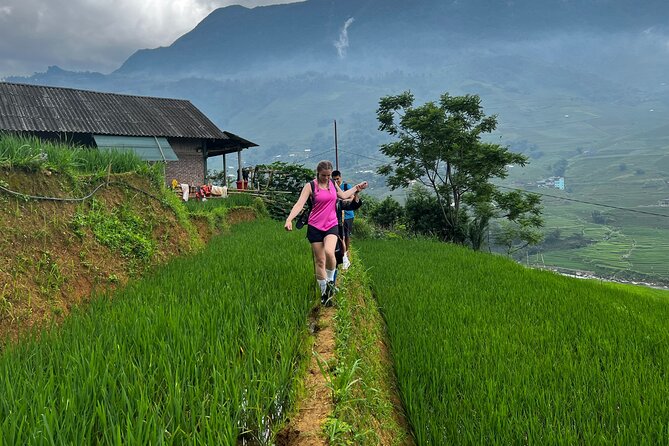
You’ll follow winding paths through rice fields and along areas connected to rural daily work. This is also where the “hidden waterfall” feel can show up, depending on conditions and the day’s route. The important part is that you’re not only looking at terraces from afar—you’re walking through the same kinds of spaces that support them.
This segment is a good reminder that a trek isn’t only about distance. The downhill can be tricky too, even when your legs are mostly used to hiking by then. Loose footing and wet patches near water features can slow you down, so your best strategy is a steady pace and short careful steps.
Why the viewpoint and valley route feels better than a quick hit
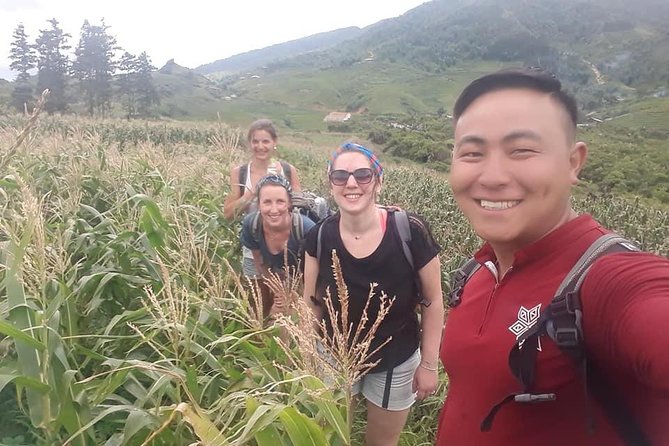
A lot of Sapa trekking options are either super short or super long. This one sits in the middle—about 6 hours—and that’s a sweet spot for many people. You get meaningful time in the valley without feeling like the entire day evaporated.
You also get multiple “types” of scenery:
- Viewpoints where the terraces and valley widen your perspective
- Village paths where you understand how people live alongside the scenery
- Farm and field stretches where the day feels practical, not staged
- Water feature moments that add variety to the walking
Even if you’re not obsessed with textiles, the culture and the scenery reinforce each other. Seeing village life while you’re walking through rice areas helps you connect the craft stories to the land that supports them.
Price and value: is $56.42 worth it?
At $56.42 per person, this tour isn’t “cheap,” but it’s also not priced like a luxury private experience. The value comes from the combination: a guided route through Muong Hoa Valley, included lunch, bottled water, and an admission ticket included in the package.
That matters because trekking in northern Vietnam often becomes expensive once you factor in guide time, food stops, and entry fees. Here, you get a structured day with the essentials already handled. And since it’s private, the price isn’t diluted across a large crowd that turns the day into a rushed conveyor belt.
If you’re the kind of traveler who wants a memorable Sapa experience without spending extra hours bargaining for meals and sorting entry details, this pricing can feel fair.
If you’re traveling on an ultra-tight budget, you might weigh it against cheaper group treks. But if you want the cultural context and the flexibility that a private group gives, paying for this format can be the simplest option.
Weather and fit: the two things that can make or break the day
This trek requires good weather, and if it’s canceled due to poor conditions, you’ll be offered another date or a full refund. That’s a key point in Sapa, where fog and rain can change visibility and footing.
The tour also calls for moderate physical fitness. Translation: you don’t need to be a mountain athlete, but you should be comfortable with uphill walking, downhill walking, and uneven paths. If you have knee issues or you struggle with stairs and slopes, this one may feel tougher than the time estimate suggests.
For many people, the right approach is simple:
- Wear shoes with decent grip
- Keep a slower pace than you think you need
- Bring layers, because mountain weather can feel different across the day
Who should book this (and who might prefer a different plan)
This trek is a great fit if you want:
- Culture plus scenery in one day
- Hmông village interaction with a guide who explains what you’re seeing
- A route with enough time to feel real, not rushed
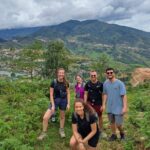
It’s also a good option if you like private guides. People often enjoy this format because it’s easier to talk, ask questions, and move at your own pace.
You might skip it if:
- You can’t do moderate walking
- You need a guaranteed indoor plan if weather turns
- You prefer fixed, short sightseeing without village stops
Final call: should you book this 1-day trek and panorama views?
I’d book this if your priority is Sapa with meaning: rice terraces, valleys, and real village context—wrapped into one 6-hour trek with lunch included. The standout reason is the mix of panorama moments and Hmông textile culture, guided by people like Su, Chai, Nhu, and Nhi Thảo, who tend to make the walk feel organized, friendly, and informative.
I’d hesitate only if you know you’ll struggle with uneven downhill terrain or if you’re traveling in a window when weather is unpredictable for you. If you can be flexible and you’re willing to walk, this is a strong use of one day in Sapa.
FAQ
How long is the trek?
The experience runs for about 6 hours.
What does the price include?
Lunch and bottled water are included, and an admission ticket is included. VAT, travel insurance, and personal expenses are not included.
Is it private?
Yes. It’s listed as a private tour/activity, so only your group participates.
Where does the tour start and end?
It starts at 15 Tuệ Tĩnh, Sa Pa, Lào Cai, Vietnam and ends back at the same meeting point.
What time does it start?
The listed start time is 9:30 a.m., and the trek is described as starting in the morning (around 8:45 a.m.) with pickup from Sapa town.
What fitness level do I need?
Moderate physical fitness is recommended.
What if the weather is poor?
The experience requires good weather. If it’s canceled due to poor weather, you’ll be offered a different date or a full refund.
How far in advance should I book?
On average, it’s booked about 11 days in advance.