REVIEW · SAPA
From Sapa: Sapa Trekking Private Tour With Female Ethnic Guide
Book on Viator →Operated by Vietnam - Hanoi Package Tours · Bookable on Viator
Four hours can still teach you a lot. This Sapa private trek is built around real village encounters—traditional houses, a welcome drink, and tea talks with Black Hmong and Red Dao families, then continuing toward the Muong Hoa valley to meet the Dzay community. I especially like how the route mixes culture and walking, and how photos and edited video clips are included. One catch: with only about 4 hours, you won’t see every village or valley corner, and the plan can shift for weather or timing.
If you’re deciding between a quick walk and a meaningful cultural stop, this one is priced to feel fair. At $29.48 per person, you’re getting hotel pickup, an English-speaking guide, entry included, and help with photos, so you’re not paying extra just to make the day run smoothly. Just know that extra rides back (car/motorbike) are not included, even though the guide can help arrange one if you’re tired.
In This Review
- Key things to know before you go
- How the 4-hour Sapa trek is set up
- Stop 1 in Sapa: what your first walking block feels like
- Black Hmong village visits: houses, welcome drink, and tea talks
- What you should be ready for
- Red Dao insights: comparing two cultures in one guiding story
- Muong Hoa valley: Dzay people and terraced field views
- Photo and edited video: why that’s more useful than it sounds
- Pickup, tickets, and small logistics that prevent headaches
- Price value: is $29.48 per person a fair deal?
- Comfort, pacing, and when the route may shift
- Who this tour suits best (and who might want something else)
- A quick note on guides and communication
- Should you book this Sapa ethnic trek?
- FAQ
- How long is the Sapa trekking experience?
- Is this tour private?
- Do I get hotel pickup?
- What’s included in the price?
- What isn’t included?
- Can I cancel for a full refund?
Key things to know before you go
- Private means just your group on the trek, not a crowded bus-style experience.
- Black Hmong and Red Dao focus: traditional houses, a welcome drink, and tea-time conversation.
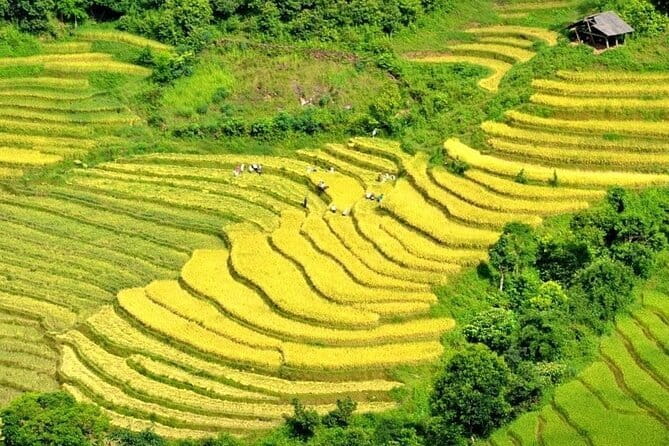
- Muong Hoa valley route: you’ll head deeper into the valley and see terraced fields.
- Photo + edited video help is included, so you leave with usable memories.
- 4 hours trekking is short on purpose, with a built-in option to arrange a ride back if needed.
- Itinerary can change due to weather, time booking, or safety—expect flexibility.
How the 4-hour Sapa trek is set up
This is a private 4-hour trek starting from central Sapa, designed for people who want culture and countryside without committing to a full-day hike. Hotel pickup is included, which matters in Sapa because moving around can eat up time—especially when you’re trying to fit walking into a tight schedule.
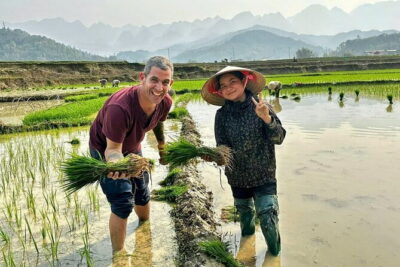
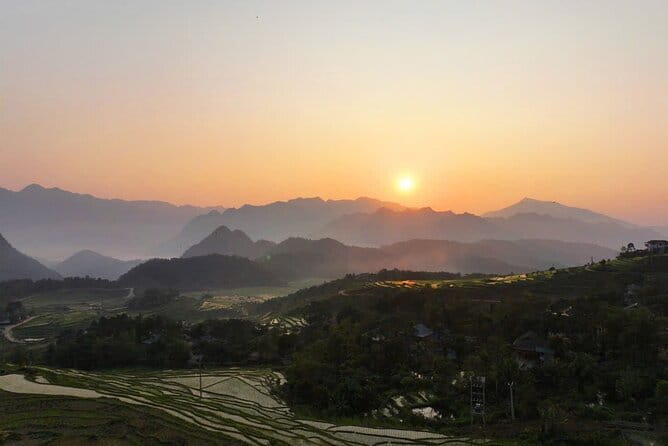
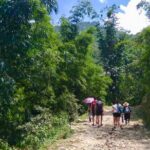
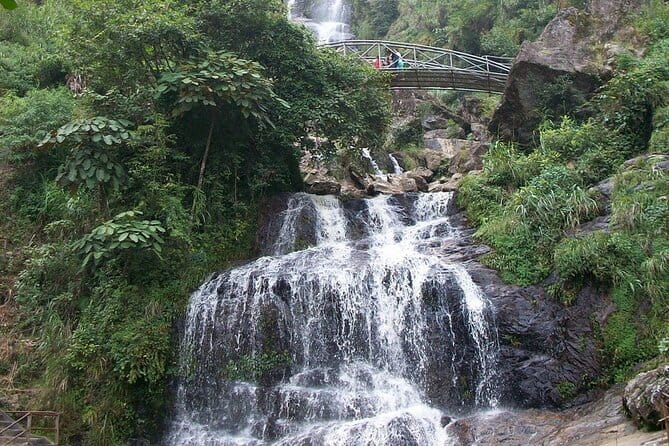
The walk itself is paced for discovery, not for bragging-rights distance. Based on what’s been shared about the route, it can include a bamboo stretch, time over rice terraces, and walking through local village areas. That combination is practical: you get variety in what you see, without needing hours of grinding uphill.
Also, the tour is transparent about time. It’s “about 4 hours,” so you’re not promised a perfect minute-by-minute schedule. That’s normal up here. Weather and daylight can change the plan, and the tour notes that the itinerary may be adjusted for your safety.
You can also read our reviews of more tours and experiences in Sapa.
Stop 1 in Sapa: what your first walking block feels like
You start in/near Sapa, and the trek portion is the centerpiece—about 4 hours of walking with guidance. The tour doesn’t pretend it’s a full Sapa grand tour. Instead, it’s the kind of route that helps you get your bearings fast: village lanes, footpaths, and scenic moments that are close enough to reach within a half-day.
Here’s the practical advantage for first-timers: you can get outside the town center, see the kind of terrain people hike in, and still have energy left to explore Sapa afterward. If you’re the type who hates feeling rushed, do aim to start the day clean—water, decent shoes, and a light snack—because you’ll be walking from early on.
And if you get tired, the guide can set up a motorbike or car to return you to your hotel. That ride is not included in the price, but the important part is that it’s an option rather than a “sorry, good luck” situation.
Black Hmong village visits: houses, welcome drink, and tea talks
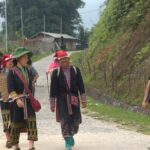
The cultural focus starts in the North of Sapa. You’ll explore traditions and daily life connected to the Black Hmong and Red Dao ethnic groups, with a guided explanation of what you’re seeing.
Expect a sequence that’s more than just photo stops. The tour includes:
- visiting traditional houses
- tasting a welcome drink
- meeting friendly locals for photos
- learning over tea and conversation
That tea-and-talk part is where these tours become more than scenic walks. Ethnic villages in Northern Vietnam are living communities, not museums. A guide who can translate the meaning behind daily customs is what turns random scenery into something you can actually understand.
One thing I look for in any ethnic village visit is whether you’re treated like a person or like a camera on legs. The tour’s description emphasizes hospitable interactions, and the feedback you’ll see about this experience focuses on the warmth of the people you meet, not just the scenery.
What you should be ready for
Traditional houses and cultural routines can feel intimate. Keep your camera friendly, not intrusive. Ask before you take close-up photos, and let the guide handle the pace. If you’re the quiet type, that’s fine—you’ll still learn during the tea talks.
Red Dao insights: comparing two cultures in one guiding story
After you spend time with Black Hmong families, the tour helps you understand the differences between the two largest ethnic groups in Sapa: Black Hmong and Red Dao. You’re not just looking at different outfits or buildings. The idea is that your female ethnic guide explains the practical differences you notice—how people live, what traditions mean, and why certain customs matter.
This comparison approach is the best way to avoid the common “same-same village fatigue” that can hit on longer itineraries. In half a day, you can still come away with clear mental categories: what’s shared, what’s different, and why.
A plus here is the guide. This tour is specifically described as having a female ethnic guide and an English-speaking tour guide. If you don’t speak Vietnamese, that English layer is what makes the visit feel real rather than like a scavenger hunt.

Muong Hoa valley: Dzay people and terraced field views
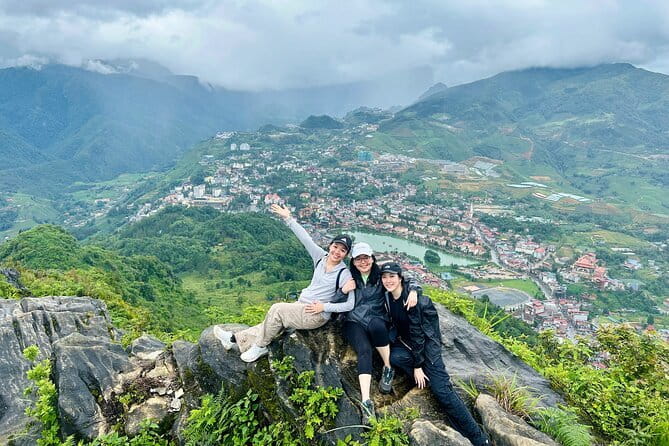
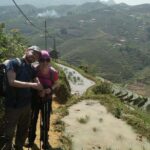
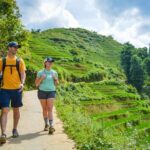
Once you say goodbye to the North, you head toward the Southeast of Sapa and into the Muong Hoa valley. This is where the scenery shifts toward a terraced-field setting, and where you’ll meet the Dzay ethnic group.
The tour description emphasizes:
- witnessing Dzay inhabitants
- traveling deeper into Muong Hoa valley
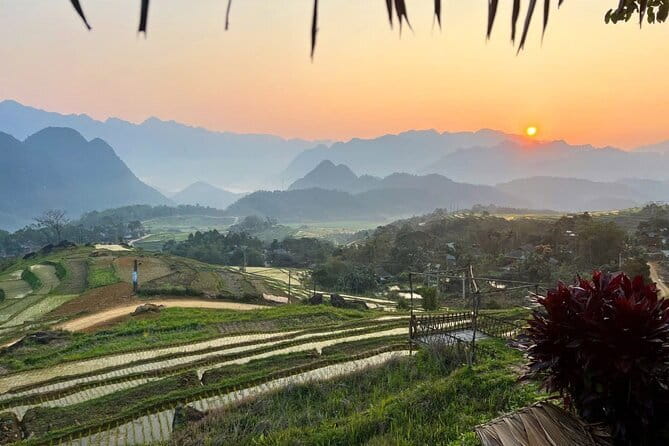
- seeing the beauty of terraced fields
- continuing encounters with friendly locals
This is a smart pairing. Village time teaches you how people live in the mountains. Valley walking shows you why the mountains matter—terraces, farming, and the way routes connect households and fields.
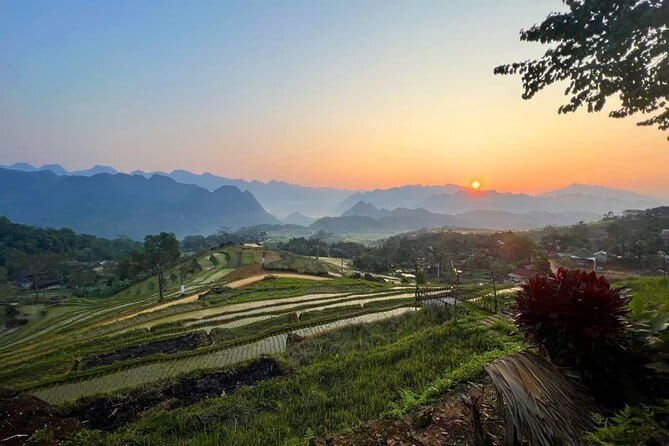
Now, a fair heads-up: terraced-field views depend heavily on light and weather. If clouds roll in, the colors can look flatter. If the weather clears, the view can feel dramatic. That’s exactly why the tour notes itinerary changes may happen for safety and timing.
Photo and edited video: why that’s more useful than it sounds
Most trekking tours include some photos. This one goes further by including take photos and edit videos as part of the experience. That’s a real value add if you:
- don’t love managing a camera while walking
- want fewer missed shots
- prefer to spend time asking questions instead of framing photos
In practical terms, you can treat the guide as both a walking partner and a memory-capture helper. You’ll still want to take your own images, of course. But having someone handle the “final result” side can cut down the awkward post-trip editing grind.
Also, because the tour is private, you’re less likely to feel pressure to “catch up to the group” just to get a few photos in.
Pickup, tickets, and small logistics that prevent headaches
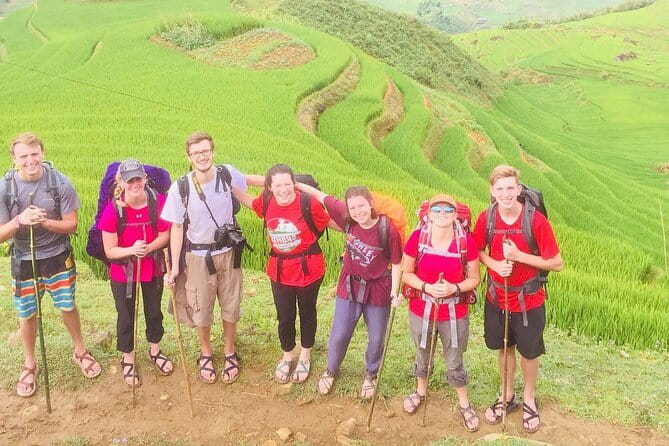
Hotel pickup is included. That reduces two common problems in Sapa:
1) you waste the start of your day finding the right meeting point
2) you lose energy before the trek even begins
The experience also includes ticket entrance (listed as free). For you, that means you’re not scrambling to pay extra on-site for whatever gate or household entrance is part of the route.
Two other details that help in real life:
- you’ll get a mobile ticket
- the tour is near public transportation
Mobile ticketing is useful if you’re switching between activities and don’t want paper receipts. “Near public transportation” is a helpful backup too, in case you decide to arrive on your own rather than wait for pickup, or you need a Plan B.
Price value: is $29.48 per person a fair deal?
At $29.48 per person for about 4 hours, this isn’t a “premium custom private day” price. It sits in that sweet spot where you can pay for local guidance without feeling ripped off.
Here’s what you’re effectively paying for:
- private time (your group only)
- English-speaking guide support
- hotel pickup
- entrance ticket included
- photo taking and video editing help
Then you compare it to the costs you’d normally add on your own. In many places, hiring a guide + arranging pickup + paying entrance fees can climb quickly. Even if you only do one cultural trek in Sapa, this bundle approach is a good way to keep your budget under control while still getting an authentic day.
Not included are the obvious add-ons: tip, and any car/motorbike if you need a ride back. That means you keep control of the final cost. And if you’re steady on your feet, you might not need the ride at all.
Comfort, pacing, and when the route may shift
The tour notes that the itinerary could change due to weather, time booking, or anything else needed to keep you safe. That’s not a red flag; it’s a reality in Northern Vietnam. Fog, rain, and slippery footpaths can turn an easy plan into a risky one fast.
So I’d plan like this:
- wear shoes you trust on uneven ground
- bring a small layer even if it’s warm in Sapa town
- be ready for a short adjustment to what you see
Because the trek is only about 4 hours, flexibility helps. You’re not losing a whole day if the plan shifts slightly. You’re simply adapting the route inside a half-day window.
One more comfort note: the option to arrange a motorbike/car back is useful if you’re tired. But remember, it’s not included, so decide in advance whether that’s something you want as a safety net.
Who this tour suits best (and who might want something else)
This tour is a strong fit if you:
- want a half-day cultural trek from Sapa
- prefer a private experience rather than joining a larger group
- care about learning differences between ethnic communities
- value photo help and edited video clips
- like the idea of visiting two cultural stops plus Muong Hoa valley
It may be less ideal if you want a full-day route packed with multiple viewpoints, long ridge walks, or deep exploration of every valley corner. The 4-hour format is about focus, not volume. You’ll come away with key highlights, not every possible sidetrack.
A quick note on guides and communication
This experience highlights English-speaking support and a female ethnic guide. One name that shows up in the feedback for this style of tour is Dely. If you’re lucky enough to get Dely, it’s worth leaning into her explanations and letting her set the pace for photos and village interactions.
Even if your English is limited, these tours typically work because the guide fills in the context while you walk. Still, having a few simple questions ready can help: what the welcome drink is, what a house area is used for, and what you should pay attention to during the tea talk.
Should you book this Sapa ethnic trek?
If you want one clear, budget-friendly day that mixes village traditions + short trekking + Muong Hoa valley views, I think this is a smart booking. The value is strong because pickup, guide support, entrance ticket, and photo/video help are bundled into the $29.48 price.
Book it if:
- you like the idea of learning about Black Hmong and Red Dao through real conversation
- you want to reach Muong Hoa valley in a manageable time window
- you’d rather do one well-structured half day than chase too many stops
Skip it or consider a longer trek if:
- you’re hoping for a full-day deep hike with lots of extended viewpoints
- you hate route changes, even for safety or weather
Overall, this feels like a practical “do the Sapa highlights without wasting time” kind of tour—especially if you’re short on days and want meaningful cultural contact.
FAQ
How long is the Sapa trekking experience?
It’s listed as about 4 hours.
Is this tour private?
Yes. It’s a private tour/activity, and only your group participates.
Do I get hotel pickup?
Yes, pickup at your hotel is included.
What’s included in the price?
Included are an English-speaking tour guide, pickup at your hotel, ticket entrance, and help with photos and edited videos.
What isn’t included?
Tips are not included, and car or motorbike rides are also not included.
Can I cancel for a full refund?
Yes. You can cancel up to 24 hours in advance for a full refund.