REVIEW · IWATE PREFECTURE
Matt Canyon River Trekking Nishiwaga Town, Iwate Prefecture
Book on Viator →Operated by ネビラキ · Bookable on Viator
Snowmelt is gone, but the canyon is better. In Nishiwaga Town, Iwate, you trek the exposed bottom of Mato/Marot Canyon when the artificial lake Nishikishu drops in summer, creating a real valley walk. I love the cool, knee-deep river trekking and the way you can spot summer-only flora and fauna while passing old bridges.
The main catch is comfort and safety: this experience is not recommended if you have anxiety about your legs, and it’s also not for people with anaphylactic shock. If you’re uneasy with walking where your footing is in flowing water, this won’t feel good.
In This Review
- Key things that make this trek special
- Why Nishiwaga’s Mato Canyon is a summer-only kind of trip
- The Nishikishu water drop: what you’ll actually see along the way
- How the trekking feels: knee-deep walking, few big climbs, and one soak spot
- Wildlife spotting that actually makes sense: why the guide matters
- Old bridges, exposed valleys, and the feel of a 3-hour reset
- Price and value for a private 3-hour river trek
- Getting there and what to expect at the start
- Who this is best for (and who should choose something else)
- Should you book Matt Canyon River Trekking in Nishiwaga?
- FAQ
- How much does the Mato Canyon River Trekking cost?
- How long is the tour?
- Where do we meet for the experience?
- When is the canyon shallow enough for knee-deep trekking?
- How deep is the water during the trek?
- Is this a private tour?
- Do you use a mobile ticket?
- How soon will I get confirmation after booking?
- What happens if the weather is poor?
- Who should not participate?
Key things that make this trek special
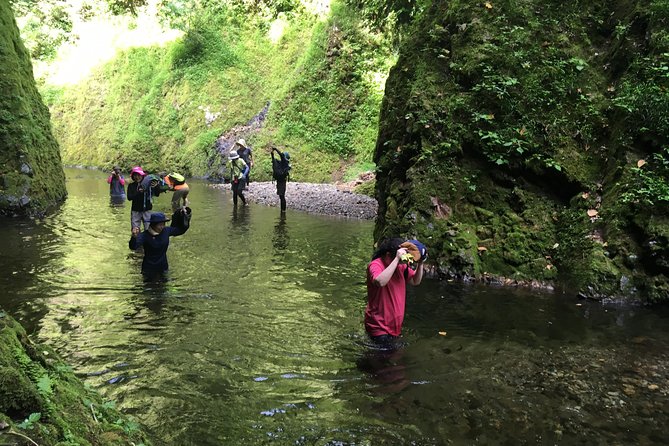
- Seasonal canyon magic in Nishikishu: water levels change enough to reveal the riverbed.
- Walk below the knees, sometimes to the waist: you’re in the action without constant rock climbing.
- Old bridges and emerging valleys: you pass structures while the waterline recedes.
- Summer-specific plants and animals: the dry-season timing is the whole point.
- Private group with a local guide: you’re not sharing the experience with strangers.
- Short and sweet, about 3 hours: enough time for real immersion without eating your whole day.
Why Nishiwaga’s Mato Canyon is a summer-only kind of trip
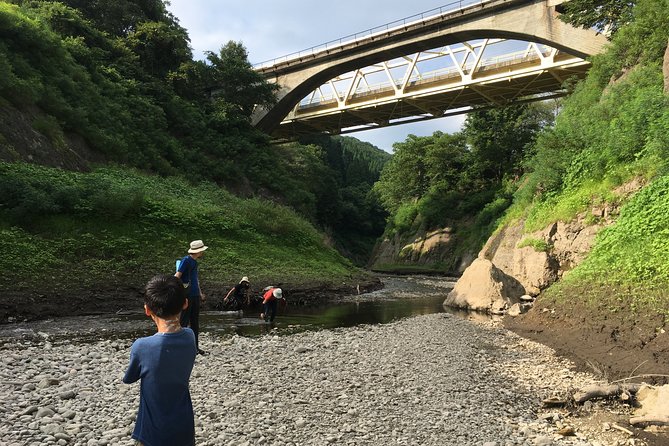
Nishiwaga Town is one of those places where nature changes the rules of the game. The area is tied to the artificial lake Nishikishu, and the key detail is what that does to the water level across seasons. In spring, snowmelt keeps Mato Canyon deep (around 20 meters). Then, as the dry season hits (roughly July to September), the water drops dramatically, sometimes to below knee level.
That seasonal shift is why this trek works. You’re not just visiting a canyon in general; you’re walking on the riverbed when it’s exposed. From your perspective on the ground, that means you can actually follow the river along the bottom and see the “in-between” world that usually stays underwater.
The best part is how different the canyon feels depending on when you go. In dry season, you’re moving through a valley corridor that appears as water retreats, and you get a front-row seat to living things that are active in summer. It’s one of the rare outdoor activities where the timing is not a footnote—it’s the whole experience.
The Nishikishu water drop: what you’ll actually see along the way
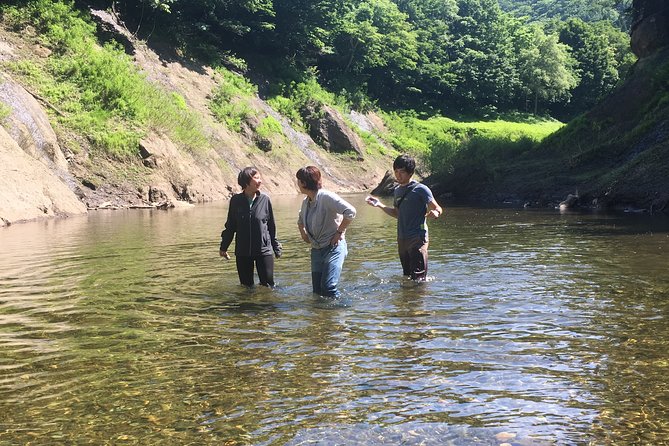
Here’s the practical picture. During the dry months (July to October), the water level drops by about 10 meters in the tributary area, turning what’s normally submerged into a walkable valley. As you trek along the bottom of Mato/Marot Canyon, you’ll pass through parts that feel like a different ecosystem than the one you’d see earlier in the year.
One of the standout details is that you’ll be walking in a way that lets you observe flora and fauna that only show up during this season. The trek takes you past old bridges and through valleys that emerge from the bottom of the dam as the water falls. Those “revealed” sections are dynamic: they’re not frozen views. They look and feel like the canyon is being uncovered as you go.
Expect the experience to be very much about noticing. Instead of scanning for dramatic cliffs, you’ll be looking at plant growth, small animals, and river behavior in shallow water. In past trips, people have been delighted by unexpected finds, including a rare white kajika frog spotted during the trek. That kind of sight is exactly why the summer timing matters.
Also, the terrain is designed to be manageable. You generally won’t be facing constant ups and downs. And the activity is described as having few climbs and rare rock-swimming moments, which keeps the focus on walking, watching, and enjoying the river motion.
How the trekking feels: knee-deep walking, few big climbs, and one soak spot
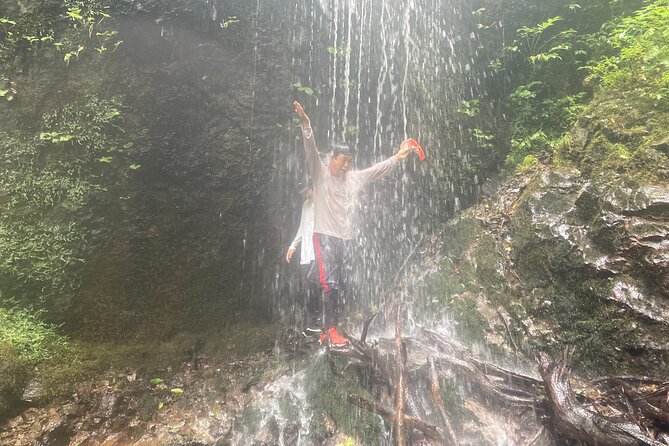
This is a “hands-off your courage” trek. You’re not rock hopping for hours, and you’re not expected to climb. The goal is to follow the river along the bottom of the canyon in water that’s typically below your knees.
That’s a big deal for most people, because it changes the difficulty level. Knee-deep water can be cold and can shuffle your balance a bit, but it’s not the same as deep wading. The route is described as having not many ups and downs, so you’ll likely find a steady rhythm—walk, look, listen, and adjust your footing as the current changes.
There is, however, one section where you can soak up to your waist. That’s the part that can shift your comfort level. If you’re okay with shallow knee-deep walking but would panic when the water rises, this is the moment to mentally prepare for. It’s also where the “non-daily” feeling hits hardest, because you stop thinking of it as a hike and start thinking of it as river time.
In warm months, you’ll also want to be realistic about bugs. One participant specifically warned about an extreme amount of ab (horseflies) during the season. Even if you don’t get that same intensity on your day, plan for summer insects. Light, breathable clothing and staying aware of where you’re walking matters.
Wildlife spotting that actually makes sense: why the guide matters
A river trek like this rewards patience. When the water drops and the canyon becomes walkable, the action is close to the ground. That’s where a good guide helps you slow down at the right moments.
The local team behind this experience is ネビラキ, and guide names that come up include 瀬川然. You can expect more than just route guidance. The guide’s job is to help you notice what’s around you in a place where the view changes as the river level and flow conditions do.
One reason you’ll likely enjoy the wildlife aspect is the “one season only” nature of it. Flora and fauna you can see here are tied to this dry-season timing. In other words, the guide isn’t just pointing out random animals. They’re pointing out living things that match the canyon’s summer shape.
And if you’re the kind of person who worries about wildlife in general (bears, snakes, and similar concerns came up in one set of experiences), the guide can help you keep it in perspective. The feedback from past groups suggests that once you’re moving in the canyon environment, the experience becomes more about the river and the finds than about anxiety.
That’s not a promise that you’ll see specific animals like that white frog. But it is a reminder: the canyon is full of small moments, and a guide helps you catch them.
Old bridges, exposed valleys, and the feel of a 3-hour reset
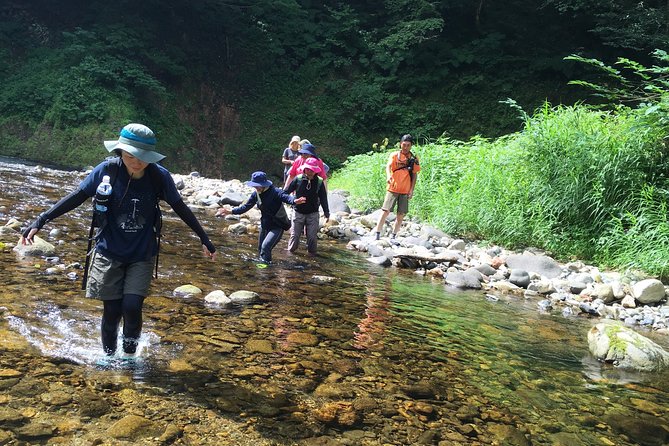
The trek is about 3 hours (approx.), and that timing is surprisingly good. You get enough time to feel the place without turning your day into a full expedition. You’ll be walking along the river bottom, passing through the exposed valley sections, and moving through those moments where the canyon seems to change its shape as you approach different waterline areas.
Passing old bridges is one of those details that makes the walk feel human-scaled inside a wild setting. Bridges aren’t just scenery here. They create landmarks you can use to understand where you are relative to the receded water.
It also helps that the canyon doesn’t force you into constant climbs. When your legs aren’t doing big work the whole time, you can spend more energy on paying attention. You’ll likely find yourself doing what a good outdoor trip should encourage: watching the water flow, checking the river edges, and listening to the sounds of summer.
One thing I really like about this style of activity is the “reset” effect. In the experiences people shared, the trek became a break from heat and daily routine. The river motion, the coolness of the shallow water, and the soundscape of summer make it feel different from a standard walk.
If you finish with food afterward, the area is tied to ネビラキカフェ in participant accounts. I can’t promise a specific stop time, but it’s worth knowing that the provider’s cafe is part of the wider experience for some visitors. After 3 hours of water walking, a warm drink and something sweet is a very practical reward.
Price and value for a private 3-hour river trek
At $49.70 per person, you’re paying for several things that aren’t always included in cheap outdoor activities: a local guide, private group setup, and a route tied tightly to seasonal conditions.
Is it expensive? Not for what it is. It’s not just a stroll in a scenic area. You’re paying to access a specific seasonal window created by Nishikishu’s drawdown, and to walk a riverbed experience that most people can’t self-navigate safely without guidance.
The trip is also private, meaning only your group participates. That matters because private guiding often feels more relaxed. You can ask questions, pause for wildlife spotting, and keep the pace comfortable—especially important when you’re walking in water and adjusting to footing.
So, if you’re in Nishiwaga and you want a memorable, active experience that’s still reasonable time-wise, this one offers good value.
Getting there and what to expect at the start
The meeting point is:
41 Chiwari-72 Kawashiri, Nishiwaga, Waga District, Iwate 029-5512, Japan
It’s listed as being near public transportation, which helps if you don’t have a car. The activity also says that most travelers can participate, but it’s not for everyone. If you have anxiety about your legs, or if you have a serious allergy risk (anaphylactic shock), you should skip it.
After booking, you’ll receive confirmation within 48 hours, depending on availability. The experience uses a mobile ticket, so you’ll want your phone ready and charged.
On arrival, past participants describe getting greeted by the guide right away, then handling a quick set of instructions and paperwork, including insurance-related steps and a signature process, before heading out. Even if that paperwork differs slightly by day, plan for a short, organized start rather than jumping straight into the water.
Who this is best for (and who should choose something else)
This is best for you if you want:
- a short, active outdoor experience in Iwate Prefecture
- a trek where the “challenge” comes from the river and attention, not constant climbing
- a summer timing adventure focused on seasonal plants and animals
- a private guided walk with a local provider team like ネビラキ and guides such as 瀬川然
Choose something else if:
- you get anxious about your legs or footing in water
- you have a serious allergy risk (anaphylactic shock)
- you don’t want to deal with the reality of summer insects, which can be heavy in this season
Also think about your own comfort with water. This is water walking, not dry hiking. If you’re expecting shoes-only sightseeing, you might feel underprepared. If you’re okay getting wet to the knees (and sometimes to the waist), this is a great fit.
Should you book Matt Canyon River Trekking in Nishiwaga?
Book it if you’re traveling in summer and you want an experience that only exists because water levels drop. The “walkable canyon” factor is the star, and it’s tied to the real seasonal behavior of Nishikishu. I also like that the trek is designed to be approachable: not many ups and downs, limited rock scrambling, and a manageable duration.
Skip it if you know you’ll struggle with water footing or you’re concerned about leg anxiety. And treat insect season seriously; even when the canyon is gorgeous, ab can be intense.
If you’re flexible, the day can still surprise you. One highlight people shared was spotting a white kajika frog, which is exactly the kind of payoff you hope for in a summer-only ecosystem.
If you want, tell me when you’re going (month) and whether you’ll have a car. I can help you think through whether the timing lines up with the knee-deep window and how to pair this with other Nishiwaga stops.
FAQ
How much does the Mato Canyon River Trekking cost?
It costs $49.70 per person.
How long is the tour?
The duration is about 3 hours.
Where do we meet for the experience?
The meeting point is 41 Chiwari-72 Kawashiri, Nishiwaga, Waga District, Iwate 029-5512, Japan.
When is the canyon shallow enough for knee-deep trekking?
During the dry season from July to September, the water amount can be below the knees, and the valley becomes visible as the level drops from July to October.
How deep is the water during the trek?
You’ll mostly walk through water below your knees, with one part where you can soak up to your waist.
Is this a private tour?
Yes. It’s private, and only your group will participate.
Do you use a mobile ticket?
Yes, the ticket is mobile.
How soon will I get confirmation after booking?
You’ll receive confirmation within 48 hours of booking, depending on availability.
What happens if the weather is poor?
The experience requires good weather. If it’s canceled due to poor weather, you’ll be offered a different date or a full refund.
Who should not participate?
It’s not recommended for people with anaphylactic shock or for those with anxiety about their legs.