REVIEW · KATHMANDU
Everest Base Camp Trek
Book on Viator →Operated by Himalayan Holyland Treks and Expedition · Bookable on Viator
One of the most famous treks in the world starts with a small plane and big expectations. This Everest Base Camp Trek pairs classic high-altitude days with real Sherpa villages, monasteries, and those sharp, jaw-dropping views toward Everest. You also get a clear structure for acclimatization, so the hike feels demanding, not chaotic.
I love two things about this trip: the push to the Kala Patthar viewpoint (the “best vistas” angle), and the fact that the trail uses tea house accommodation plus three meals and hot soup on the route. That combo matters when you’re working uphill every day and don’t want to burn your energy on logistics.
One consideration: the trek price covers a lot of essentials, but it does not include your Nepal visa and it also does not include client travel and rescue insurance. Also, day-to-day personal costs like battery charging, hot shower access, and extra water are on you.
In This Review
- Key highlights to know before you go
- Everest Base Camp: why this route still feels special
- Price and logistics: what $2,500 really buys you
- Day 1 in Kathmandu: a 5:15 am start that keeps things real
- Lukla to Phakding: your first taste of the Everest region
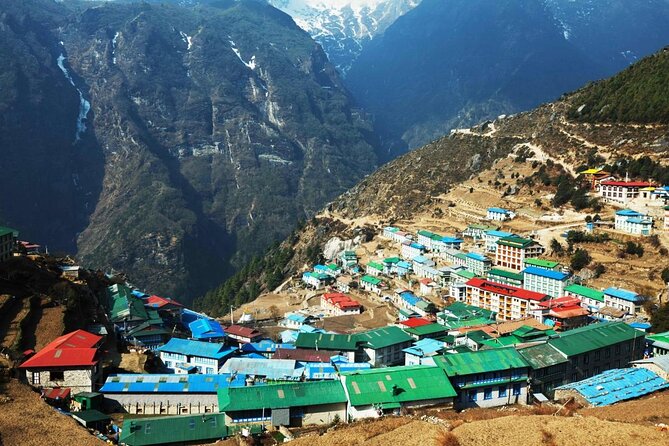
- Namche Bazaar: acclimatization that also doubles as culture time
- Tengboche: monasteries, rhododendron, and a calm before the high country
- Up to Dingboche: the air thins, and the views get sharper
- Lobuche and Gorakshep: where Everest really starts to look real
- Kala Patthar: the viewpoint you build the whole week around
- Returning downhill: Tengboche to Manjo to Lukla
- Your guide and porters: support that changes the trek
- Tea houses, hot soup, and the real comfort level at altitude
- Who should book this Everest Base Camp trip (and who should reconsider)
- Should you book it?
- FAQ
- What is the meeting point and start time?
- How long is the trek?
- What is the main viewpoint highlight on this trek?
- What kind of accommodation and meals are included?
- Are airport pickups included?
- Is porter service included?
- What’s not included in the price?
- Can I cancel for a full refund?
Key highlights to know before you go
- Kala Patthar is built in as the main payoff viewpoint
- Namche Bazaar acclimatization day to help your body adjust
- Tea houses with three meals and hot soup at higher stops
- Porter support with a 2 trekkers to 1 porter ratio
- Professional guide plus insurance coverage for the guide and porters
- A private tour format where your group is the only group participating
Everest Base Camp: why this route still feels special
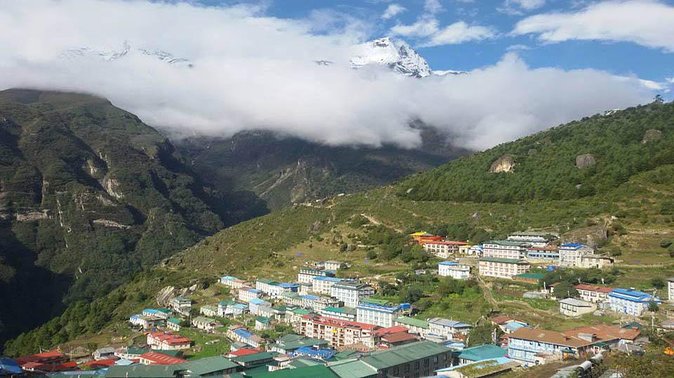
Everest Base Camp has a reputation that can feel like marketing. The reality is more grounded: it’s a trail where the mountains get closer in a way that’s hard to explain until you’re there. Even on days when the trail is mostly uphill steps, you’re still walking through working communities in the Khumbu region, not just a “viewing route.”
What makes this specific trek appealing is the balance between challenge and support. You’re moving daily at altitude, but you’re not doing it alone, and you’re not expected to self-manage everything from luggage to meals. For most people, that’s the difference between a memorable trip and a stressful one.
You can also read our reviews of more tours and experiences in Kathmandu.



Price and logistics: what $2,500 really buys you
At $2,500 for about 12 days, the value comes from the included infrastructure. You’re paying for a professional guide, a porter plan (with a clear ratio), tea house lodging, meals three times a day during the trek, hot soup in higher places, and transportation that matches the route.
You also get airport transfers by private vehicle for both your international and domestic legs (so you’re not scrambling around Kathmandu). Add a farewell dinner in Kathmandu, a trekking map, a completion certificate, and even a T-shirt, and the package looks more like “organized trekking” than “just a booking link.”
What’s not included is equally important. Your Nepal visa, international flights to and from Kathmandu, your own travel and rescue insurance, and personal expenses (like battery charging and hot shower access) are not covered. If you budget loosely, you’ll feel it later.
Day 1 in Kathmandu: a 5:15 am start that keeps things real
This trek starts at Tribhuvan Airport with a 5:15 am meeting time. That early start can be a shock if you’re not used to mountain travel days, but it also keeps the schedule workable for connecting flights.
You’ll have airport pickup for your flights in a private vehicle. This matters because Kathmandu traffic can turn simple transitions into long ones, and you want your first energy to go into acclimatization and the trek—not navigating the city.
Lukla to Phakding: your first taste of the Everest region
You fly from Kathmandu to Lukla on Day 1, then trek to Phakding. The travel time is listed as about 25 minutes of flying plus roughly 3 hours of hiking. That first day isn’t about suffering yet—it’s about getting your legs moving, seeing the region’s mood shift, and setting your rhythm.
Along the way, you pass forests, Buddhist monasteries, and village scenes that feel everyday rather than staged. If the weather is clear, you may catch views toward Kanguru Peak, which is a nice early reminder that the mountains are already “in the frame.”
Phakding is also where tea house life begins. You’ll be eating three times during the trek, staying in tea house accommodation, and warming up with hot soup in higher areas later—so the first stop is your launch pad for the routine.
Namche Bazaar: acclimatization that also doubles as culture time
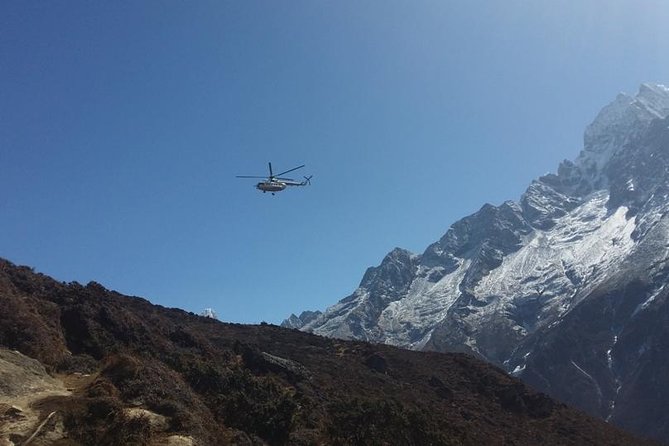
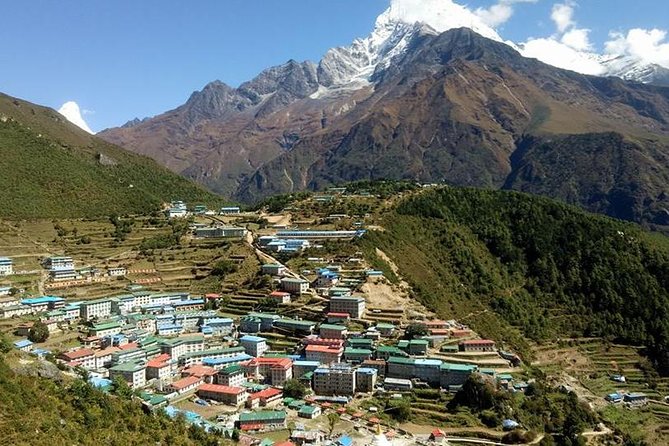
Day 2 brings you from Phakding to Namche Bazaar in about 6 hours, climbing up to roughly 3,440 meters. The route includes rivers, villages, and waterfalls, and you also pass places like lunch stops around Monje or Jorsalle on the way.
Then comes the big win: the itinerary includes an acclimatization day in Namche on Day 3. That means you’re not only climbing—you’re also giving your body time to adapt. You can explore around Namche, and there are options for short hikes to viewpoints in the area.
This is also where the Sherpa world becomes more visible. You can visit the Sagarmatha National Park museum in Namche Bazaar, and you can also shop for souvenirs. If you like having a bit of structure to your rest day, this is a good one.
Practical note: Namche Bazaar sits at the altitude where “feels harder than it should” can happen even when the walk isn’t that long. The acclimatization day is not a bonus. It’s part of making sure the next days don’t feel like a cliff jump.




Tengboche: monasteries, rhododendron, and a calm before the high country
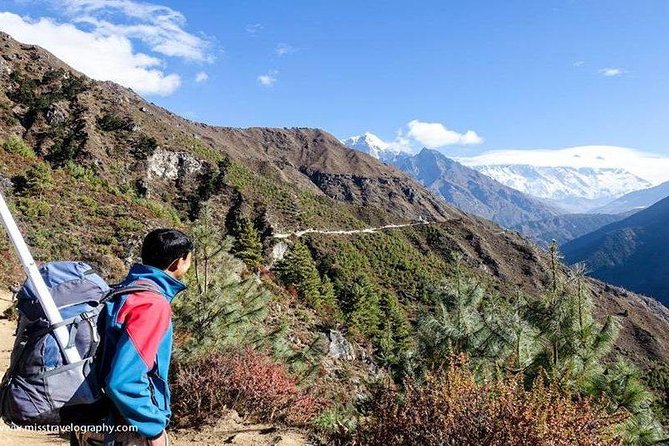
From Namche to Tengboche (about 5 hours) you’ll move through a rhododendron forest and cross river edges along the trail. The destination here is Tengboche monastery, which is the cultural anchor for the day.
You’ll visit the monastery and see monks and local people following long-standing traditions. Even if you’re not a “temple person,” this stop helps break up the monotony of altitude trekking with something meaningful and local.
Tengboche is also a good place to notice how your packing choices matter. When days get colder, you’ll feel it. Keeping warm layers accessible is easier when you’re staying in a community hub like Tengboche rather than constantly moving gear.
Up to Dingboche: the air thins, and the views get sharper
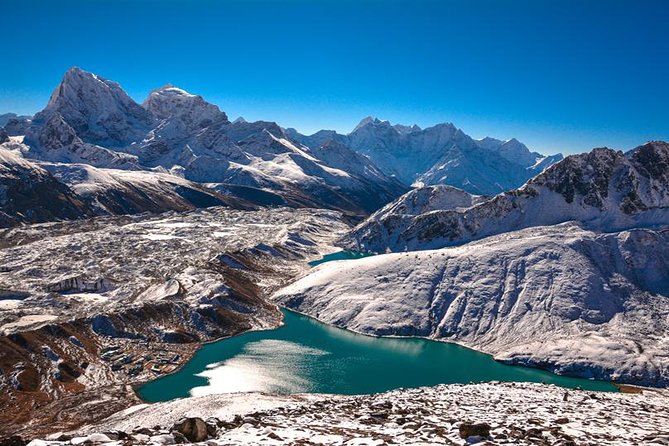
Day 5 goes from Tengboche to Dingboche, around 5 hours. The altitude climbs further to roughly 4,400 meters. This section is where the scenery becomes less forested and more “high valley” feeling, and where you start noticing how long it takes to go a few extra steps uphill.
Dingboche is your overnight at this stage, and it’s set up for recovery: you’ll have breakfast and lunch during the route and dinner at your stop. The point isn’t comfort as in a hotel. It’s steadiness—knowing exactly how meals and lodging work each day.
Day 6 continues on toward Lobuche, bringing you into higher altitude terrain (the route description puts Lobuche around 4,910 meters). The trekking hours are listed around 4 to 5 hours depending on the version of the day description, but the key is the same: you’re climbing into the glacier zone.
Lobuche and Gorakshep: where Everest really starts to look real
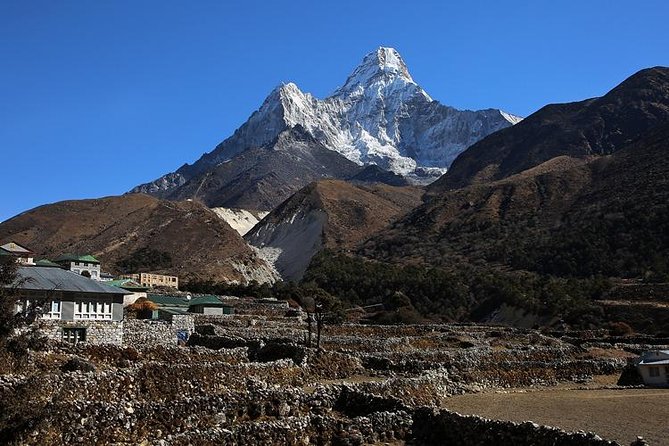
One of the most intense segments comes on Day 7. You go from Lobuche to Gorakshep in about 3.5 hours, then you hike from Gorakshep out to Everest Base Camp and back.
This is the “main mission” day, but it’s also a day you should mentally pace. You’ll have lunch in Gorakshep, and then the hike to Base Camp involves steady effort and time. When you reach Everest Base Camp (the route lists about 5,364 meters), it can feel surreal—like you’re standing on the edge of an idea more than a place.
You also get the “glacier reality” here. The description mentions the Khumbu glacier, plus the small glacier/lake route on the way. It’s not just photos anymore; it’s a physical environment.
Day 7 ends with sleeping in Gorakshep. You’ll want to keep moving gently after arrival and prioritize recovery because the next morning is the big viewpoint push.
Kala Patthar: the viewpoint you build the whole week around
Day 8 starts very early to reach Kala Patthar. The hike time is listed around 3 hours up, then you descend back down toward Lobuche (about 2.5 hours).
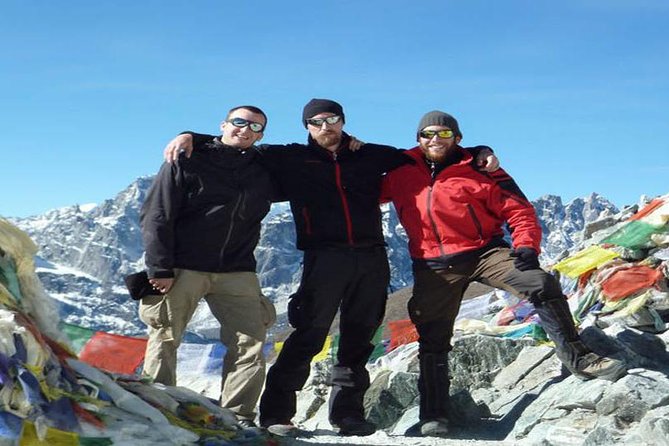
This is the moment most people hope for when they choose Everest Base Camp. Kala Patthar is described as the most suitable platform for the best vistas the Everest region has to offer. In practice, that means your body pays attention because the reward is immediate: Everest gets framed in a way that feels close, dramatic, and real.
When you get back down, you don’t just “quit trekking.” You continue toward the next overnight. That keeps the trip moving and gives you a steady rhythm of climb, pay-off, descent.
Returning downhill: Tengboche to Manjo to Lukla
On Day 9 you trek back from Lobuche to Tengboche, about 5.5 hours. Coming downhill can feel easier, but your knees might disagree, especially when you’ve been walking at altitude for days. The benefit is mental too: you get to see earlier scenery again, but with fatigue in the body and more meaning in the mind.
Day 10 goes from Tengboche to Manjo (around 6 hours) with a route via Namche Bazaar and through rhododendron forest segments. You’ll stop for lunch at Namche and pass through places like Jorsalle village.
Day 11 returns you to Lukla in about 5 hours, and the route includes crossing Dudh Koshi River on a suspension bridge and trekking alongside the drive back toward Phakding and then Lukla. Bridges are a nice morale boost on the way down because they feel like you’re moving through the living route of the region, not just the “Everest route.”
Finally Day 12 brings the short flight from Lukla back to Kathmandu (about 25 minutes). After you arrive, you’ll be escorted to a hotel and can spend time in Thamel before the overnight.
Your guide and porters: support that changes the trek
This trip includes a professional guide for trekking and sightseeing. It also includes porter service with a stated ratio of 2 trekkers to 1 porter. That ratio matters because you’ll still carry your personal items, but you shouldn’t be lugging heavy bags into high-altitude fatigue.
The package also includes insurance for the guide and porters, and that’s a good sign of how the operation thinks about risk. In the operator’s wider trek feedback, names like Ajay and Jangbu have been mentioned for attentive guidance and looking after people during demanding routes. That type of support matters most on days where you’re not thinking clearly.
One more perk that’s easy to overlook: you get a trek completion certificate and a trekking map. It’s small, but it turns the trip into a thing you can remember and share with details, not just “I went to Everest.”
Tea houses, hot soup, and the real comfort level at altitude
During the trek, you’ll stay in tea houses. You also get three times meal during the trek and hot soup in higher places. That means you can focus on walking rather than spending your day figuring out where to eat and how to warm up.
Keep your expectations realistic: tea houses are practical. The value is that they keep you fed and warm enough to sleep and recover. When you’re trekking around 5,000+ meters, your body wants predictable fuel and warmth more than luxury.
Personal expenses are not included. Battery charging and hot shower access are often the first costs people notice, along with extra water. So if you want to keep your phone alive for photos and maps, budget for it.
Who should book this Everest Base Camp trip (and who should reconsider)
This trek is listed for people with moderate physical fitness. That doesn’t mean it’s easy. It means the plan fits people who train a bit, can hike several hours a day, and won’t panic at altitude.
You’ll like this tour if:
- you want a classic Everest Base Camp route with Kala Patthar as a built-in highlight
- you prefer a guided, structured trek with porters rather than self-arranging everything
- you like culture stops like monasteries and Namche’s park museum day
You might reconsider if:
- you don’t have the budget for extra personal costs on top of the package price
- you haven’t planned your own travel and rescue insurance (not included)
- you know you struggle with very early starts (the meeting time is 5:15 am)
Should you book it?
I’d book this trip if you want structure with real support: guide, porter ratio, tea house lodging, meals, hot soup, and airport transfers. At $2,500, the price makes sense when you compare it to the cost and effort of trying to coordinate all of that alone.
I’d pause if your budget is tight and you hate unpredictable add-ons like charging fees, extra drinks, or any personal costs that appear during tea house stays. Also, get your insurance squared away early so you’re not trying to fix it last-minute.
If you’re ready for a big mountain walk with clear pacing, this is a solid way to do Everest Base Camp without turning the trip into a logistics project.
FAQ
What is the meeting point and start time?
The meeting point is Tribhuvan Airport in Kathmandu, Nepal, and the start time is 5:15 am.
How long is the trek?
The duration is approximately 12 days.
What is the main viewpoint highlight on this trek?
Kala Patthar is highlighted as the best viewing platform for the Everest region’s vistas.
What kind of accommodation and meals are included?
You get tea house accommodation during the trek and three meals per day on the trek, plus hot soup in higher places.
Are airport pickups included?
Yes. The tour includes airport pickup and drop in private vehicle for both international flights and domestic flights.
Is porter service included?
Yes. Porter service is included, with a ratio of 2 trekkers to 1 porter.
What’s not included in the price?
Not included are Nepal visa, international flights to and from Kathmandu, travel and rescue insurance of clients, tips, and personal expenses such as battery charging, hot shower, bar bills, and laundry.
Can I cancel for a full refund?
Yes. You can cancel up to 24 hours in advance for a full refund.