REVIEW · KATHMANDU
Everest Base Camp Trekking – 13 Day
Book on Viator →Operated by Trekking Planner Nepal · Bookable on Viator
Everest Base Camp sounds mythical, but this plan makes it workable. You’ll handle far less logistics because flights from Kathmandu and Lukla are included, and you get nightly trailside lodge stays plus meals built into the schedule. The big drawback to consider: you’re still trekking in altitude, so you’ll need a moderate fitness base and smart pacing even with guides keeping you on schedule.
I also like the way this itinerary builds in acclimatization without wasting the whole trip sitting still. Namche Bazaar, Tengboche, and Dingboche have their own rhythm, and you’ll get the go-ahead to adjust with rest days and short altitude hikes. A caring, attentive guide helps a lot here too; in one recent trip feedback, Milan mapped out each next day clearly and even gave walk-time estimates, which is exactly the kind of planning that reduces stress when the air is thin.
In This Review
- Key things that stand out on this 13-day Everest Base Camp plan
- From Kathmandu to Lukla: the flight that kicks off the Khumbu
- Namche Bazaar and the acclimatization rhythm that keeps you moving
- Tengboche, Dingboche, and the rest days that feel like part of the trip
- Reaching Everest Base Camp: pacing, Lobuche, and altitude reality
- Kala Patthar and the return down: when the big views meet real legs
- Price and logistics: is $1,399 good value for a private EBC trek?
- What you’ll actually carry: the gear list and smart packing
- Guides, timing, and that peace-of-mind feeling you pay for
- Who this 13-day Everest Base Camp trek suits best
- Should you book this Everest Base Camp Trekting (13 Day) plan?
- FAQ
- What’s included in the Everest Base Camp trek price?
- Are flights to Lukla included?
- Do I stay in lodges each night?
- Is this a private trek?
- What fitness level do I need?
- What gear should I bring?
- How flexible is cancellation?
Key things that stand out on this 13-day Everest Base Camp plan
- Kathmandu to Lukla flights included, so you skip the hardest part of getting into the Khumbu planning maze
- Private trek with the ability to personalize, which matters when you want a pace that matches your group
- Acclimatization days that actually feel useful, especially Namche and Dingboche rest/adjustment time
- Kala Patthar is part of the design, not an optional detour, giving you a real shot at big views
- Clear daily guidance in the field, with examples of guides like Milan, Dibash, and Achyut Mishra emphasizing timing and care
- Luggage support can be a big help, with at least one account noting porter Ganesh carrying loads daily
From Kathmandu to Lukla: the flight that kicks off the Khumbu
Your trip starts in Kathmandu with a representative meeting you at Tribhuvan International Airport and escorting you to your hotel after customs. It’s a small detail, but it sets the tone: you’re not alone trying to translate directions with jet lag.
Day 2 is the real launch button: you’ll organize trekking gear and then head out early for the flight to Lukla, the gateway town for the Everest region. This is a day where logistics can eat time if you’re booking everything separately. Here, the plan folds in the Kathmandu-to-Lukla and return flights, plus the airport departure tax, so you can focus on what matters—getting ready for your first serious hiking days.
Practical takeaway: treat Day 2 like an energy-management exercise. You’re going from city routines into a mountain rhythm fast. If you tend to over-pack or cram gear checks the night before, this is the day to be methodical: make sure your day pack has the essentials you’ll want during your first walks (water, snacks if you bring them, layers, headlamp/torch).
You can also read our reviews of more tours and experiences in Kathmandu.
Namche Bazaar and the acclimatization rhythm that keeps you moving
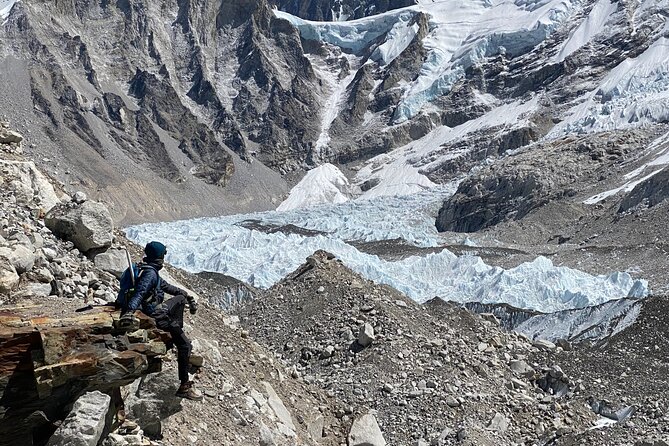
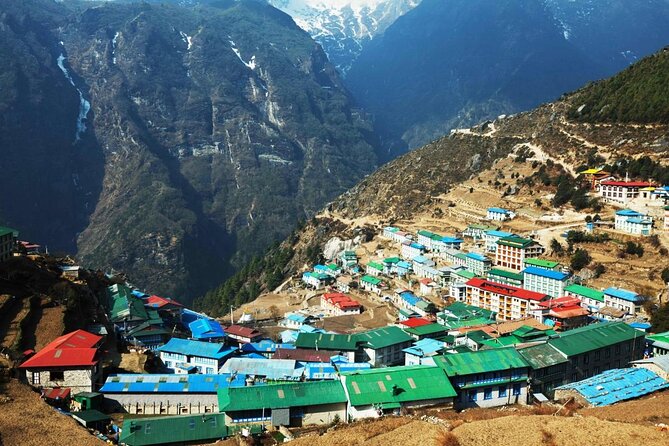
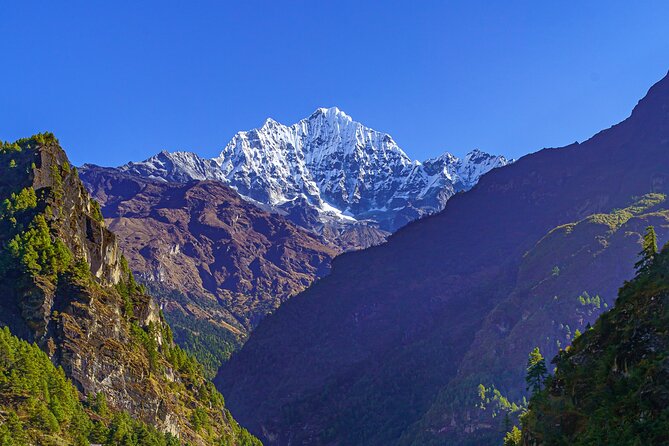
You’ll trek from Lukla along the Dudh Koshi River toward Namche Bazaar, with suspension bridges and dramatic scenery along the way. The trail is often described as classic Khumbu: river valleys, forested sections, and those “wait, is that Kongde Ri?” moments that make you stop even when you promised yourself you wouldn’t.
Day 3 pushes you into Namche, and Day 4 is where the itinerary shows its thinking. You get a rest and acclimatization day in a town that’s lively enough for shops and exploring, but still close to where your body needs adjustment. Namche is also useful because it’s a practical hub: you can get bearings, restock basics, and spend time at an altitude that doesn’t ramp you up too suddenly.
One of the best pieces of advice I can give you for this part: use your acclimatization day actively, not obsessively. Walk a little, take breaks, drink water. Then call it. If you try to “earn” your rest day with a big hike, you can slow the whole trip.
In the trip feedback I looked at, the guides’ time management skills came up more than once. Milan, for example, was described as explaining the next day’s itinerary in advance and even estimating how long the walk would take based on the group’s physical ability. That kind of clarity helps you make calm choices in Namche, where it’s easy to feel pressure just because the mountain is so close.
Tengboche, Dingboche, and the rest days that feel like part of the trip
Once you’re above Namche, the trail starts getting more serious. Day 5 climbs out of Namche before moving along a more leveled stretch toward Kenjoma and Sanasa through dense forest. It’s not just scenery; it’s the transition from river-valley trekking into higher-altitude village landscapes.
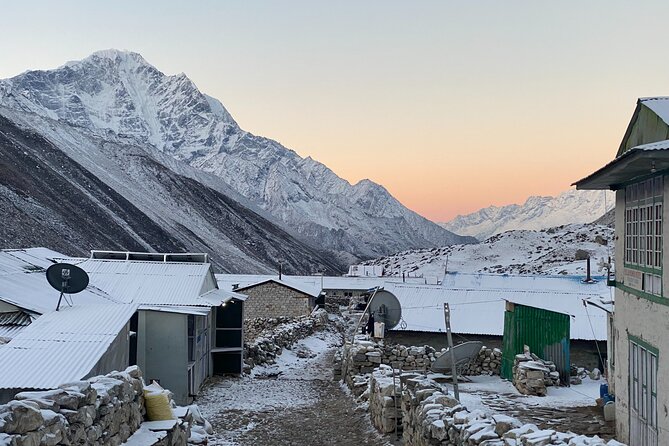
Day 6 brings you to Tengboche territory, with the itinerary noting sunset and sunrise experiences, then moving toward Dingboche via Deboche. If you’re hoping for “one perfect photo moment,” this is the kind of day where the timing of light matters. You’ll often get brief windows when skies clear and the mountains look close enough to touch.
Day 7 is another acclimatization day. Here the plan leans into short hikes to higher altitudes to help you adjust before continuing upward. That’s exactly what you want: small altitude challenges without turning the day into a full-on grind.
Day 8 continues the push: gradual ascent from Dingboche with grazing areas, chortens and Mani walls along the way. This is a good day to notice how the culture and the trail are intertwined. Even when you’re tired, you’re walking in a place where spiritual landmarks and mountain life share space.
One more practical tip: bring your layers like you’re going to a place with sudden weather changes. The itinerary says it operates in all weather conditions and asks you to dress appropriately. That’s not just legal text—it’s a daily reality when mornings are chilly and afternoons can change fast.
Reaching Everest Base Camp: pacing, Lobuche, and altitude reality
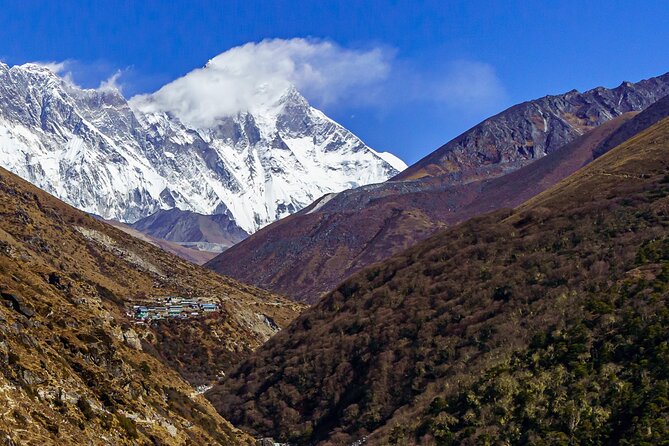
Day 9 is the day you’re waiting for: trekking toward Everest Base Camp, with the itinerary calling out altitude concerns like acute mountain sickness. The route goes from Lobuche early, which is common in the Everest region. Starting earlier gives you better walking conditions and a bit more control over how you feel during the climb.
This is also where a good guide really earns their pay. In multiple accounts, guides were described as caring and focused on keeping people safe and moving well. Achyut Mishra, for instance, was praised for being attentive to needs and supporting problem-solving when the journey got tough. That matters on a day where your focus can drift from “I want to get there” to “I need to manage breathing and effort.”
What you should do on a high-stakes day like this:
- Keep your pace conversational, not sprinty.
- Don’t let excitement rewrite your body’s rules.
- If you feel worse than usual, tell your guide immediately and don’t try to “tough it out.”
Also, remember that Everest Base Camp is a destination with its own kind of weather. Even if you can see the mountains, fog, wind, or visibility issues can happen. The itinerary doesn’t promise constant visibility; it offers a structured approach and asks you to trek accordingly—where that mindset is the real success factor.
Kala Patthar and the return down: when the big views meet real legs
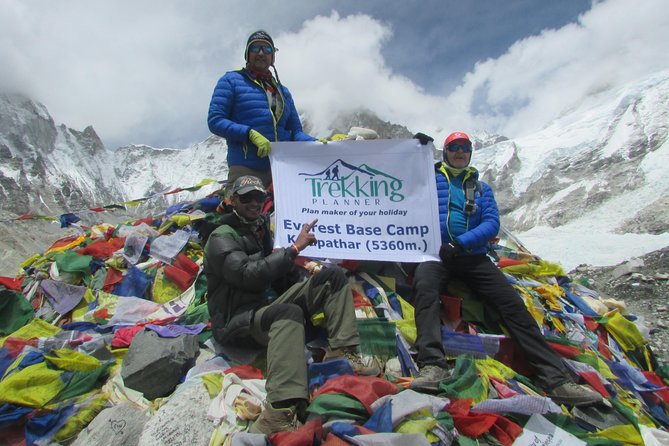
Day 10 shifts the goal post to Kala Patthar before descending to lower altitudes. Kala Patthar is famous because it’s one of the best high points for views in the region, and the plan notes getting ready with equipment before heading out one daybreak session. That means you’re likely waking up early, moving carefully in cold air, and chasing a window of clear views.
Then you return: Day 11 is mostly downhill trekking from Periche back toward Namche Bazaar, with the Dudh Koshi River joining you as a constant companion. Day 12 continues the descent from Namche toward the riverbeds and confluence areas. This is where your knees start negotiating. Trekking downhill for long stretches can be tougher than the climb, so plan to use poles if you have them and keep your steps controlled.
Day 13 is your return to Kathmandu, with an early flight and weather-related disturbances mentioned as a possibility. In the mountains, flights can be weather-dependent, so don’t treat the return as something you can control—treat it as something you manage.
If you want a simple win strategy for the last two days:
- Keep hydration steady.
- Don’t rush downhill just because you’re excited to be “done.”
- Expect your body to feel different after your altitude days. You earned it.
Price and logistics: is $1,399 good value for a private EBC trek?
At $1,399 per person for a roughly 13-day experience, this sits in the “organized but not cheap” zone. The value comes from what you’re not doing: you’re not piecing together flights, park fees, lodge stays, and daily meal planning yourself.
Here’s what the package includes based on the details provided:
- Park entrance fee and a TIMS card (Trekkers’ Information Management System)
- Kathmandu to Lukla to Kathmandu flights (including airport departure tax)
- Meals during the trek (the plan lists lunch, dinner, and breakfast counts for the days in the itinerary)
- All applicable government and local taxes as per the schedule
- Private trek format, and pickup offered in Kathmandu
What’s not included:
- Alcoholic drinks and meals in Kathmandu
- Personal expenses like phone calls and recharging batteries
- Personal travel and health insurance, including helicopter evacuation insurance
- Food and drinks outside what’s specified, plus your Nepal visa fees
The “private trek” angle is also part of the value story. If you’re trying to match your pace to how you actually feel, you’ll appreciate not being forced into someone else’s tempo. The reviews I saw repeatedly praised guide clarity and logistics handling. People described guides like Dibash and Achyut Mishra as professionals who handled the plan well and supported the group day to day. That’s worth money when the alternative is you making decisions under fatigue.
One more money detail that matters: the price you see may assume a shared-group arrangement. If you want a solo departure and aren’t joining an existing group, a single surcharge of USD 150 may apply once you arrive in Nepal. It depends on your dates and group size, so it’s smart to confirm how the departure will be structured for your exact booking.
What you’ll actually carry: the gear list and smart packing
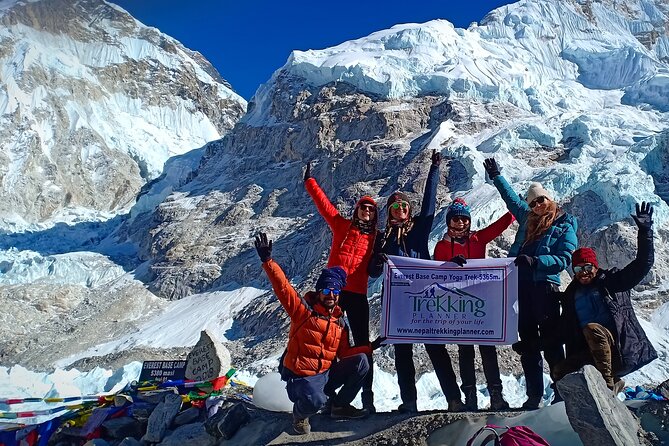
You’re given a complimentary Trekking Planner duffel bag that needs to be returned after the trip, plus guidance on what to bring for the trek. The list includes essentials like day pack (25 to 40 liters), trekking shoes, warm layers, gloves, socks, a waterproof layer, and a raincoat. You’ll also want a small towel and toilet paper.
Here’s how I’d translate that into a practical packing approach:
- Use the duffel for heavier items and keep your day pack light.
- Prioritize moisture control: layers you can remove quickly help avoid overheating during forested stretches.
- Bring a headlamp/torch since you’ll be moving early some days.
- Don’t bring a huge towel. The plan explicitly warns it’s bulky and heavy.
Also, if you have dietary needs, the plan says to advise specific requirements at booking. That’s one of those quiet details that can make or break comfort on multi-day treks.
Finally, the itinerary says you can expect operation in all weather conditions. That’s not scare talk; it’s a reminder to treat waterproofing and warm layers as non-negotiable.
Guides, timing, and that peace-of-mind feeling you pay for
One theme showed up again and again in the feedback: guides weren’t just walking leaders. They were logistics managers and calm decision-makers.
Some examples from the names that appeared:
- Milan was described as responsible, explaining the next day’s itinerary in advance and giving walk-time estimates based on your physical ability.
- Dibash was praised for handling logistics and keeping the experience smooth.
- Ratna was mentioned as making the experience amazing and sharing knowledge along the way.
- Achyut (and Achyut Mishra) was described as attentive, supportive, and problem-solving during tougher moments.
- Avi was noted for responding quickly and helping with planning before the trek.
Even the porter detail matters. One trip account mentioned porter Ganesh bringing luggage every day in before the hikers arrived. If you’re the type who hates hauling heavy bags uphill, that sort of support can turn a hard trek into a doable one.
So yes, you’re paying for organization. But you’re also paying for a specific kind of mountain support: timing, pacing, and making smart calls before a small problem becomes a big one.
Who this 13-day Everest Base Camp trek suits best
This trek is designed for people with moderate fitness. The itinerary length also suggests a steady, not extreme, pace—built around acclimatization and rest days rather than pushing the fastest possible climb.
This plan is a strong match if:
- You want the Everest Base Camp route without managing permits, lodging, and day-to-day logistics
- You’d like a guide who’s focused on pacing and clear planning
- You prefer a private format so your group can set the tempo
It might not be the best match if:
- You’re chasing a low-cost adventure and want to travel fully DIY
- You know you’ll struggle with altitude pacing and need lots of flexibility beyond what’s built in
- You’re expecting perfect weather and perfectly timed visibility—mountain conditions can shift
Should you book this Everest Base Camp Trekting (13 Day) plan?
If you want an organized path to Everest Base Camp with flights, lodge nights, and meals handled, this is a solid way to reduce the stress load. The itinerary’s structure—Namche and Dingboche acclimatization, plus Kala Patthar before descent—does the right things at the right times for most people tackling altitude.
I’d book it if your priority is peace of mind and a well-managed day-by-day rhythm, especially with the guide support and the kind of logistics clarity highlighted in feedback (names like Milan, Dibash, and Achyut Mishra show up for a reason).
I’d think twice if you’re highly DIY-minded or if you’re only comfortable with ultra-flexible weather changes and itinerary scrambling. The mountains can be stubborn; the plan is prepared for that, but it’s still a trekking commitment.
FAQ
What’s included in the Everest Base Camp trek price?
The package includes TIMS card and national park entrance fee, applicable taxes, Kathmandu to Lukla to Kathmandu flights (with airport departure tax), and trek meals (lunch and dinner plus breakfasts as listed in the itinerary).
Are flights to Lukla included?
Yes. Flights from Kathmandu and Lukla are included, as well as the return flight from Lukla back to Kathmandu.
Do I stay in lodges each night?
Yes. You’ll have nightly accommodation in trailside lodges on the trekking route.
Is this a private trek?
Yes. This is listed as a private tour/activity where only your group participates.
What fitness level do I need?
The information provided says travelers should have a moderate physical fitness level.
What gear should I bring?
The included guidance lists items like a day pack (25 to 40 liters), trekking shoes, warm layers (woolen cap, fleece or puffy jacket, waterproof Gore-Tex layer), raincoat, gloves, several pairs of socks, trekking trousers and shirts, a small towel, toilet paper, and a headlamp/torch.
How flexible is cancellation?
Free cancellation is offered up to 24 hours in advance of the experience start time for a full refund. If you cancel less than 24 hours before, the amount paid is not refunded.