REVIEW · KATHMANDU
Everest Base Camp Trek
Book on Viator →Operated by Himalayan Leisure, Inc. · Bookable on Viator
Lukla feels like landing on the edge. This Everest Base Camp trek is built around the Khumbu rhythm: Sherpa culture, high passes, and a famous mountain route, with your guide and porters handling the heavy lifting (literally). You get the big milestones—Everest Base Camp and Kalapatthar—without needing to micromanage every logistics detail.
I love the pace here. You’re in a private small group, and the plan builds in acclimatization hikes instead of just pushing higher every day. I also love the included comfort gear: a down jacket, a seasonal sleeping bag, and a duffel bag (returned after the trip), so you’re not trying to source cold-weather equipment in Nepal last-minute.
One drawback to think about up front: this is an altitude trek with Lukla weather reality built in. Flights can be delayed or cancelled, and the itinerary uses a buffer day in Kathmandu—plus you still need to handle what’s not included, like visa, travel/medical insurance, and emergency evacuation costs.
In This Review
- Key things that make this Everest Base Camp plan work
- Everest Base Camp in 15 Days: What You’re Signing Up For
- Kathmandu First: Temples, Gear Prep, and a Smooth Start
- The Lukla Fly-In and the First Steps Toward Phakding
- Acclimatization Day: Khumjung, Thame, or Everest View Options
- National Park Trails, Dudh Koshi Crossings, and Pangboche Views
- Dughla Pass, Glaciers, and the Steep Reality Check
- Kalapatthar Sunrise: The Day Everyone Talks About
- Tengboche, Debuche, and the Return Toward Lower Altitude
- Lukla Flight Home and the Kathmandu Buffer Day
- Gear, Porters, Meals, and Support: Comfort Where It Counts
- Price and Value: Why $1,408 Can Make Sense
- Who This Everest Base Camp Trek Best Suits
- Should You Book This Everest Base Camp Trek?
- FAQ
- How long is the Everest Base Camp trek?
- What is included in the trek price?
- What is not included?
- Are flights involved, and what about weather delays?
- Who will guide the trek, and will porters carry your gear?
- What level of fitness do I need?
- Where and when is the meeting support available?
Key things that make this Everest Base Camp plan work
- Porter-led carry system: porters carry your gear and your guide organizes the rest so you can focus on walking and breathing.
- Acclimatization with real options: rest days include hiking choices like Khumjung and Khunde, Everest View Hotel area, Thame, or other nearby routes.
- Kalapatthar timing: an early start aimed at sunrise views over the Khumbu valley.
- Sherpa village immersion: stops in places like Pangboche, Debuche, and Tengboche keep the culture close, not distant.
- Included park and admin: Everest National Park entry plus TIMS registration are part of the package.
- Guides with strong reputations: names like Lok, Khila, Lal, Hari, and Ossman show up in the best outcomes people describe.
Everest Base Camp in 15 Days: What You’re Signing Up For
This trek is the classic Everest Base Camp route—Kathmandu to Lukla, then a steady climb through Sherpa villages toward Everest Base Camp, with two acclimatization days that matter. The itinerary is designed for a “go at your own pace” walking rhythm while still keeping you on schedule for that big viewpoint day at Kalapatthar.
What makes it feel practical is that many decisions are handled for you. You don’t just get a route—you get a guide, Sherpa helpers/porters, lodging, and meals along the way, plus key mountain gear. That matters because on the Everest trail, the hard part isn’t only the altitude. It’s staying sane when the plan changes, the weather turns, or you’re trying to manage too many small tasks.
At the same time, you should treat this as a serious high-altitude hike. Even if the walking pace is moderated, you’re going over high passes, sleeping at altitude, and spending time where low oxygen shows up fast.
You can also read our reviews of more tours and experiences in Kathmandu.
Kathmandu First: Temples, Gear Prep, and a Smooth Start
Day 1 is all about arriving and getting settled. An airport representative meets you with a name card and transfers you to the hotel. It’s a small thing, but it sets the tone: you arrive in a place known for temples and chaos, and within a short time you’re not trying to figure out transport on your own.
This is also the moment to get your body and routine ready. You’re not trekking yet, but your day-to-day habits matter once you start climbing. Sleep, hydration, and eating normal meals help you hit Lukla day with less stress.
Since domestic logistics are part of the package, your main job is to show up ready. Make sure you understand what you’ll carry versus what porters will take, and confirm how you’ll manage any personal items you want with you day to day.
The Lukla Fly-In and the First Steps Toward Phakding
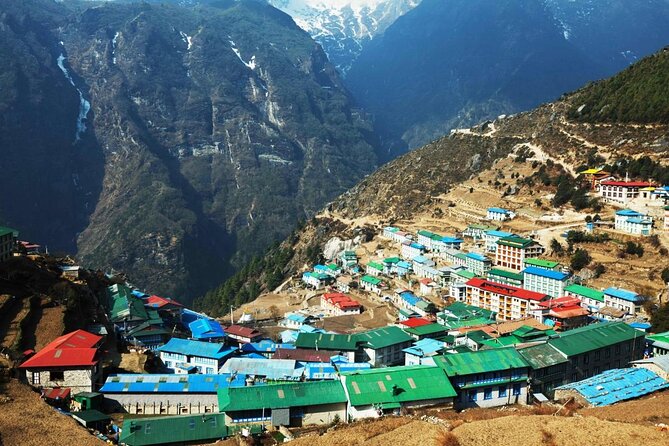
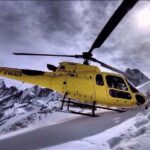
Day 2 is your flight into Lukla, about 30 minutes, and yes, it can feel like an adrenaline test. It’s a well-known flight in the Himalayas, and it sets expectations: you’re going to see big peaks quickly, and you’re going to respect the schedule.
After landing, you trek to Phakding. The walking time listed is around 4 hours, and the day is paced to keep you from burning energy too early. You get views, quiet village stretches, and your first sense of the trail texture—stone steps, uneven ground, and the constant switch between sun and shadow.
Day 3 continues the trail with gentle ascending early on, then moves into more scenic segments. You pass Monjo, stop for lunch in Jorsalle, and continue toward Hilary Bridge through pine forests. After the bridge, the route becomes steeper, so this is a good day to settle into a rhythm: short steps, steady breath, and no drama.
Practical note: since porters carry your gear, you can keep your own pack manageable. Still, you’ll want to keep essentials like water, snacks, a layer for wind, and your layers system close at hand.
Acclimatization Day: Khumjung, Thame, or Everest View Options
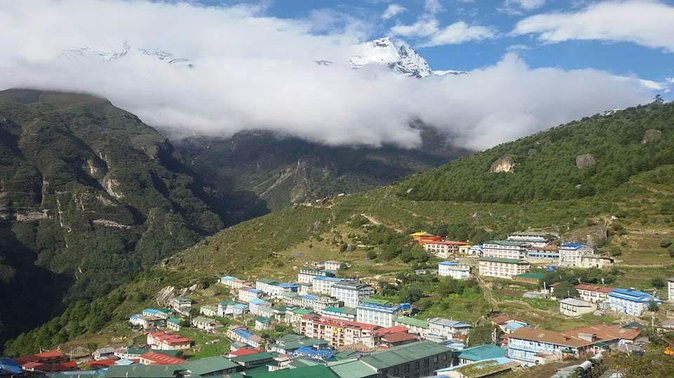
Day 4 is your first rest and acclimatization day. The key word here is options. Your leader offers different hike choices such as Khumjung and Khunde, an Everest View Hotel area hike, Thame, or another nearby route. The goal isn’t to “train hard.” It’s to help your body adjust so later days feel more controlled.
This is also a cultural moment. These villages aren’t just waypoints. They’re where you notice Sherpa life and the way the Everest region organizes around trekking and climbing seasons. When you’re breathing a bit harder, being able to pause, talk, and watch normal life continues helps the day feel human rather than medical.
Day 7 repeats that structure: a second acclimatization/rest day, with a hike option to Nagarkhang Peak around 5,000 meters. It’s described as rewarding with Himalayan beauty from the top.
The value of these two acclimatization days is huge. They reduce the odds of arriving at the higher sections already exhausted, which can make a difference when you’re dealing with low oxygen and steep terrain.
National Park Trails, Dudh Koshi Crossings, and Pangboche Views
Day 5 starts with ascent toward the national park headquarters along a gentle trail to Kyanjuma. There may be a tea break before descending to Phungi Thanga for lunch. Then you cross the Dudh Koshi River, one of the big lifelines of this region’s trekking valleys.
Why this day matters: you’re moving deeper into the protected landscape of the Khumbu area while the trail still feels learnable. You’ll get comfortable with the daily rhythm—walk, stop, eat, repeat—before the altitude ramps up.
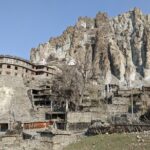
Day 6 follows the Imja Khola to Pangboche (about 3,930 meters). Pangboche is home to many renowned Everest climbers and is described as a village of brave Sherpas. You also get spectacular views of the Himalayas—this is where the mountains start looking bigger and closer, not just “up there.”
This village-to-village progression is part of what makes Everest Base Camp more than a checklist. When you’re walking through working communities, you’re not just hiking through scenery. You’re moving through a living route.
Dughla Pass, Glaciers, and the Steep Reality Check
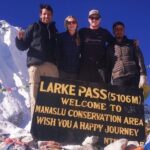
Day 8 pushes you higher: you follow a ridge above Pheriche to Dughla, stop for lunch, and then tackle a steep climb to Dughla pass. Even with a guide and porters, steep sections at altitude are where you feel the difference between “I can do this” and “I should pace.”
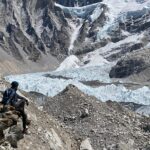
Day 9 is a big one. The first part includes easier glacier walking, then it becomes harder as you ascend over glaciers due to trail difficulty and low oxygen. This is exactly the kind of day where your guide’s pace advice matters more than motivation.
Even if you’re fit, glacier sections can feel technical. You’re on uneven, icy-looking ground, and the altitude affects your balance and effort. The good news is that this trek’s design keeps you supported, so you’re not doing logistics while trying to keep your footing.
Kalapatthar Sunrise: The Day Everyone Talks About
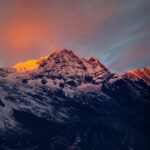
Day 10 starts early. You hike to Kalapatthar before the sun comes up. The climb is described as difficult, but it’s considered worth it because Kalapatthar is one of the most famous viewpoint areas in the Khumbu valley, with towering Himalayan peaks.
This is the day you prepare for mentally: it’s not a casual walk. It’s a cold, early effort where layers matter, and where you’ll be using short, controlled steps. Once you reach a viewpoint, the reward is clear: wide mountain views and a sense of scale that’s hard to get anywhere else.
If you’re deciding whether to push hard during Everest season, this is the tradeoff: a tough start for a view that makes the work feel justified.
Tengboche, Debuche, and the Return Toward Lower Altitude
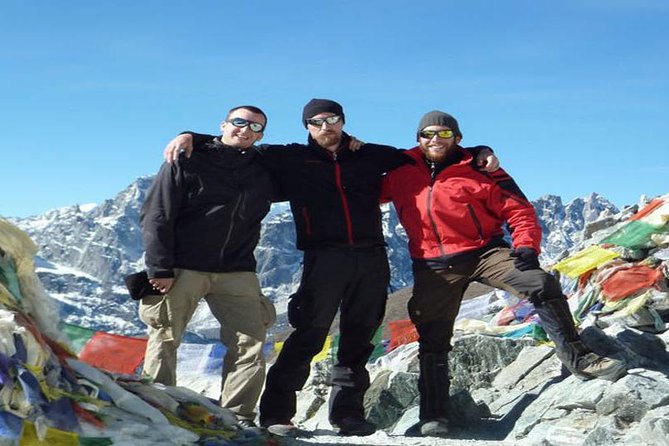
Day 11 passes through Debuche and Tengboche village before steep descending to Phungi Tenga for lunch. Then you start ascending to Kyanjuma again. Day 12 continues the return: steep descending to Jorsalle and then continuing to Phakding for lunch and breakfast timing.
This back-and-forth shape is normal on the EBC route. It’s not only because of geography. It’s also because you’re gaining elevation, visiting the big highlights, and then working down while still keeping a steady walking schedule.
Why I like this segment: it gives your body some recovery while keeping you engaged. You don’t just slide downhill and feel like the trek is over. You still move through villages, forests, and river sections that keep the trail interesting.
Lukla Flight Home and the Kathmandu Buffer Day
Day 13 brings the Lukla flight back to Kathmandu. The plan notes it’s a breathtaking flight experience and suggests seating on the right side for beautiful views. When you fly back after days at altitude, the contrast can feel dramatic—lower air, more traffic noise, and suddenly you’re back in a city rhythm.
Day 14 is a smart buffer: Kathmandu is free time, with the day used for potential Lukla flight cancellations or delays due to weather issues. This matters more than you might think. Instead of scrambling, you have time to shop, reset, and avoid the stress of a tight connection.
Day 15 then drives you to the airport about 3 hours before your flight time. The trek ends on a calm note: breakfast, then transportation, then goodbyes.
Gear, Porters, Meals, and Support: Comfort Where It Counts
One of the most practical parts of this package is what’s included. You’re provided a down jacket, a seasonal sleeping bag, and a duffel bag. The duffel bag is returned after the trip, which reduces the wasteful gear-buying problem that hits many first-time trekkers.
Your guide and porters carry the heavy stuff. That frees your legs and shoulders and can make the difference between enjoying the days and feeling constantly worn out.
Food is also handled. The plan includes breakfast 14 times, lunch 11 times, and dinner 12 times, plus meals for porters and helpers. You don’t have to hunt for meals at odd hours or worry about whether a shop will be open.
There’s also a first aid medical kit carried by the guide, and you’ll do necessary paper works like TIMS registration and the Everest National Park entry permit. This is the kind of behind-the-scenes support that keeps your time focused on walking rather than forms.
If you’re comparing this to DIY trekking, the biggest value is time saved and uncertainty reduced. The trek still has altitude and effort; it just has less admin.
Price and Value: Why $1,408 Can Make Sense
At $1,408 per person for about 15 days, the price looks high at first glance. But it includes more than just a guided route. You get Kathmandu airport pickup/drop by private vehicle, Kathmandu–Lukla–Kathmandu domestic airline tickets (including for your guide), Everest National Park entry, TIMS registration, government-licensed guide support, and Sherpa porters with meals, accommodation, salary, and insurance.
It also includes major cold-weather gear like the down jacket and sleeping bag. For many people, that’s the silent cost of trekking—buying or renting equipment, then dealing with how to manage it across flights.
What’s not included is important to budget for:
- Nepal visa fees and international airfare
- Travel and medical insurance, plus emergency evacuation
- Personal costs like bars and beverages, hot shower, telephone, laundry, and small snacks
So the real question is fit. If you want a guided trek where your biggest uncertainties are handled—flights, permits, meals, and cold-weather gear—this price can be reasonable. If you already own the gear, have insurance lined up, and prefer full DIY logistics, you might find cheaper options elsewhere. But for a first Everest trek, the support here is the point.
Who This Everest Base Camp Trek Best Suits
This route fits people with moderate physical fitness. That doesn’t mean you should coast. It means the pace and structure are designed for steady walking rather than sprinting.
You’ll likely enjoy it most if you:
- want a private small group so your pace and experience feel more personal
- like clear planning and support in mountain logistics
- prefer to spend energy on walking, not figuring out guides, permits, and gear rentals
If you’re very sensitive to altitude, you should take the acclimatization days seriously and follow your guide’s advice. The plan includes rest days and acclimatization hikes, but high altitude can still be hard.
And if you’re the type who gets stressed by weather changes, note that Lukla flights can face delays or cancellations, and the schedule includes a Kathmandu buffer day to manage that.
Should You Book This Everest Base Camp Trek?
I’d book this if you want the Everest Base Camp experience with the least friction: guide and porters, included cold-weather gear, meals, and the right paperwork already handled. Names like Lok, Khila, Lal, Hari, and Ossman come up in people’s descriptions of being looked after and guided with confidence, and that matches the structure of this trek.
I’d pause before booking if you’re trying to minimize budget beyond the listed price. The big missing items—visa, insurance, and emergency evacuation—can be costly, and they’re non-negotiable for many travelers’ peace of mind. Also, if your health is fragile or you know altitude affects you badly, you’ll want to talk to a medical professional before committing.
If you’re aiming for a classic Everest route where the hard work is the altitude and trail, not the planning, this trek is a strong match.
FAQ
How long is the Everest Base Camp trek?
The duration is listed as 15 days (approx.).
What is included in the trek price?
Included services cover airport pickup and drop in Kathmandu by private vehicle, Kathmandu–Lukla–Kathmandu domestic airline tickets including for the guide, Everest National Park entry permit, TIMS registration, an experienced English-speaking government-licensed guide, Sherpa porters, and an assistant guide for groups over 6. It also includes down jacket, a four-season sleeping bag, a duffel bag (returned after the trip), a first aid kit carried by the guide, government/local taxes and paperwork, plus meals (breakfast 14 times, lunch 11 times, dinner 12 times).
What is not included?
Not included are international airfare and Nepal visa fees, travel and medical insurance and emergency evacuation, personal expenses such as bars and beverages, hot shower, telephone, laundry, and costs from mishaps or events beyond control.
Are flights involved, and what about weather delays?
Yes. There is a flight from Kathmandu to Lukla and a flight back to Kathmandu. The plan notes Lukla flight often gets weather issues and flight cancellations or delays, and a free day in Kathmandu is used as a buffer.
Who will guide the trek, and will porters carry your gear?
The trek includes an experienced English-speaking government-licensed guide, plus strong Sherpa helpers (porters) who carry your gear. Porters include meals, accommodation, salary, and insurance as part of the package.
What level of fitness do I need?
Travelers should have moderate physical fitness level.
Where and when is the meeting support available?
Meeting points are listed with support hours from 12:15 AM to 11:45 PM (Monday through Sunday) within the range 11/16/2019 to 11/25/2026, and the meeting point is near public transportation.