REVIEW · MANALI
Bhrigu Lake and Alpine Meadow Trek
Book on Viator →Operated by Bikat Adventures Private Limited · Bookable on Viator
Bhrigu Lake is a short trek with big altitude feelings. I love that you get all the permits and camping fees handled, and you still hike a focused route through forests and alpine meadows. I also like the team setup: you’re not hauling a pack because there’s support staff (cook and porters/mules) plus a certified trek leader watching the plan. One thing to consider is that you’ll need a moderate fitness level—this is not a stroll, especially when the trail turns steep.
If you’re the kind of traveler who wants mountain days without the logistics headache, this works well. The structure is simple: arrive from Manali, hike to a campsite, reach Bhrigu Lake with a day hike, then finish back near Manali by late afternoon. Based on how Bikat Adventures runs other Himalayan treks, the leadership style tends to be hands-on and safety-minded, with experienced leaders like Subhash and Bharat showing up across their programs.
Here are the key reasons this trek is worth your time.
In This Review
- 4-6 Key Points Worth Noting
- First Night, Real Comfort: How This Trek Keeps the Hike Simple
- Day 1: The Manali Drive to Gulaba and the Hike to Rola Kholi
- Day 2 to Bhrigu Lake: Virgin Forests, Meadows, and the High-Alpine Moment
- Day 3: Back to Gulaba and into Manali Before 5:00 pm
- Food, Tents, and the Support Crew: What You’re Paying For
- The Price Check: Is $532 Good Value for This 3-Day Bhrigu Plan?
- Who Should Book This and Who Might Feel Uncomfortable
- Practical Tips Before You Go Up (So You Enjoy It More)
- Should You Book Bhrigu Lake and Alpine Meadow Trek?
- FAQ
- What time does the trek start?
- Where does the trek end?
- How many days is the trek?
- Is pickup from Manali included?
- Is this a private trek?
- What meals are included?
- What camping gear is included?
- Do I need to arrange permits and camping fees?
- Are micro-pikes and gaiters included?
- What about insurance and personal expenses?
- What is the cancellation policy?
4-6 Key Points Worth Noting
- Permits and camping costs included, so you don’t waste time figuring out paperwork
- Three meals a day (veg/egg) plus camp setup that includes tents, mattress, and temp-rated sleeping bags
- Trek with a certified trek leader, plus local guide support and first-aid certification
- Porters or mules carry common camping gear, so your hike feels more like hiking
- Micro-pikes and gaiters included if required, which matters if conditions get icy
First Night, Real Comfort: How This Trek Keeps the Hike Simple
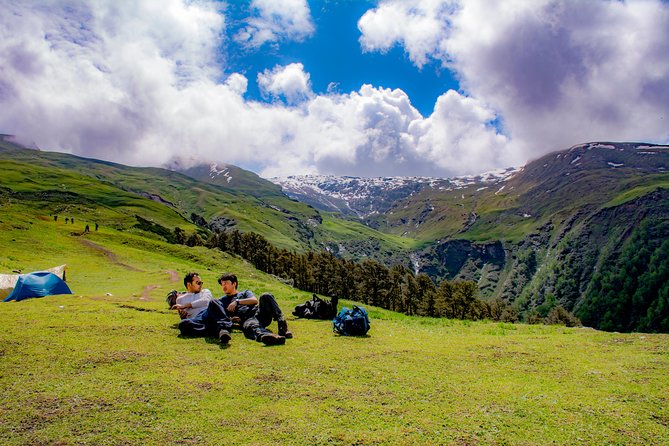
This is a three-day guided trek from Manali built around one clear goal: get you from the road into the high alpine world, fast. You start with a drive, then hike into your first campsite, spend the night in provided tents, and move the next day toward Bhrigu Lake before turning back for the final day. It’s a “small window, strong payoff” kind of plan.
What I like most is how the package reduces decision fatigue. When everything from permits to camping fees to food is already included, you can spend your energy on one thing: walking. The route itself stays tight, so you’re not constantly switching plans or worrying about where you’ll sleep.
You also get a practical mountain base in your first campsite: Rola Kholi. That stop matters because it breaks the trek into manageable chunks. You’re not trying to do everything in one day, and you get a night in camp before the Bhrigu Lake push.
The trek is also run as a private tour, meaning it’s only your group. That often translates to less crowding at camp and on the trail, and it’s easier for the leader to keep everyone on pace.
You can also read our reviews of more tours and experiences in Manali.
Day 1: The Manali Drive to Gulaba and the Hike to Rola Kholi
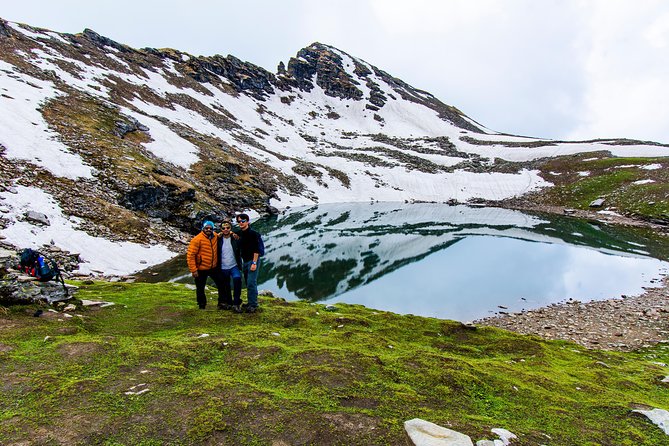
Day 1 is about getting into rhythm. You depart from Manali toward Gulaba by drive, then you hike to Rola Kholi for overnight camping. Starting point is 9:00 am, which helps you not lose daylight right away.
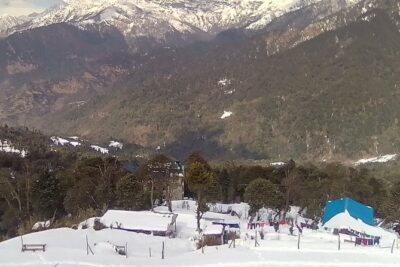
Rola Kholi is the kind of campsite stop you want on a short trek. It gives you a “land in the mountains” moment without overwhelming you on Day 1. You’re already walking through mountain terrain, but it’s framed as a gentle entry, not the big summit push.
One practical benefit of camping here: it sets you up for the Day 2 hike knowing you’ll sleep properly. The package provides twin sharing tents, temperature-rated sleeping bags, and a mattress. That may sound like minor comfort talk, but it’s huge at altitude. You’ll hike more calmly if you trust your sleep setup.
Also, because the support team includes a cook and helper (and porters/mules for common camping gear), you don’t end Day 1 thinking about food logistics. You just arrive, settle, and eat.
Day 2 to Bhrigu Lake: Virgin Forests, Meadows, and the High-Alpine Moment
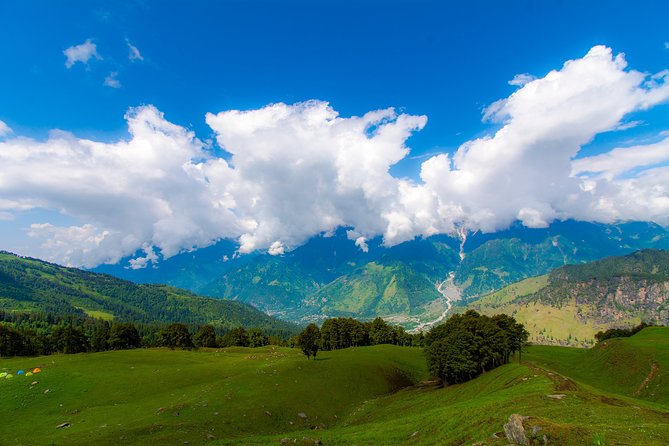
Day 2 is the core day. You trek from Rola Kholi to Bhrigu Lake and back to Rola Kholi. That out-and-back format matters. It keeps the navigation simpler, and it helps the guide manage pacing and timing so you’re not stuck guessing when to turn around.
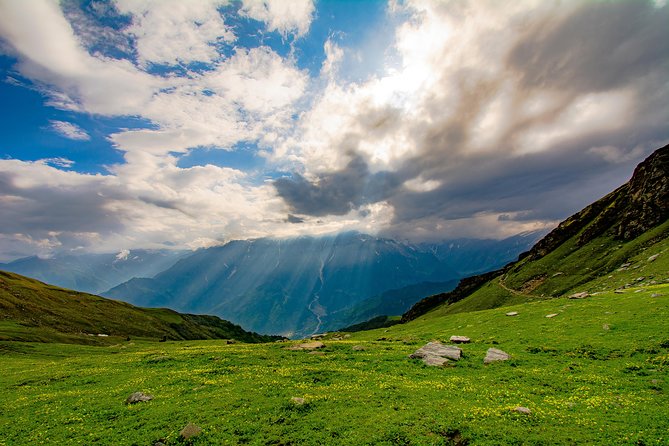
The trail profile you can expect is a mix: you’ll move through virgin forests and then open into lush green alpine meadows. This pattern is one reason alpine lake treks are so satisfying. You’re not staring at the same type of scenery all day. The woods feel cooler and shaded; then the meadows give you wider views and that “we’ve climbed into a different world” feeling.
Now let’s talk about what you’ll really feel up at Bhrigu Lake. The lake is described as a high-altitude alpine lake, and that means the air will be thinner than you’re used to in the valley. You’ll likely feel it even if you’re fit—so don’t treat altitude like a challenge you can power through. A good trek leader helps here by setting a steady pace and keeping the group together.
This is also where the included gear flexibility can help. The trek package includes micro-pikes and gaiters if required. That’s a smart inclusion because if conditions turn icy, it’s better to have grip gear without having to hunt for it last minute.
And then there’s the human side, which comes through strongly in how the operator runs other treks. The leadership approach is often praised as encouraging, supportive, and organized—names like Bharat and Subhash show up across multiple Himalaya programs. For you, that means you’re less likely to feel lost or left behind.
Day 3: Back to Gulaba and into Manali Before 5:00 pm
Day 3 is your recovery and return day. You trek from Rola Kholi to Gulaba, then drive back to Manali to arrive by around 05:00 pm. This timing is practical: you finish while there’s still evening daylight, and you’re not stuck dealing with late-night transport.
The return hike is also where your mindset matters. Because it’s the final day, you might feel pressure to “go fast.” I’d take the opposite approach. Keep your steps light and controlled. Descents can be harder than they look, especially after a lake day where your legs are already tired.
The good news is you’ve reduced the load on your body. Porters or mules carry common camping equipment, so you aren’t hauling the camp. Your job is essentially your own pack plus essentials. That’s a big value piece on a three-day trek, because fatigue builds quickly when you’re carrying more.
Once you reach Gulaba, you get the drive back to Manali. And that’s the part that lets you end the trek feeling like a traveler again, not like a logistics worker.
Food, Tents, and the Support Crew: What You’re Paying For
For $532 per person, you’re not just buying views. You’re buying reduction in the hidden costs and headaches of trekking in the Himalaya.
Here’s what stands out from the included set:
- Three meals a day (starting Day 1 lunch through Day 3 lunch), all veg/egg
- Tents, temp-rated sleeping bags, and mattress for overnight camp
- Forest permits/camping charges/trek permit fee
- Transportation from Manali to the trek base point and back
- A certified trek leader with First Aid certification
- Cook, helper, and local guide
- Porters or mules for common camping equipment
- Micro-pikes and gaiters if required
This is exactly the kind of package that can be worth it if you want to go hiking but not become a part-time equipment coordinator. If you tried to build something similar on your own, you’d spend time on permits, camp logistics, and assembling a team—unless you already have local connections and experience.
The meals help too. “Veg/egg” is common in Himalayan treks, and having a predictable meal schedule lets you fuel properly without improvising. It also means you’re less likely to end up hungry at the wrong time, which matters when you’re hiking at altitude.
A balanced note: meals are included for the trekking days, but meals during road journeys are not included. So you should expect that at least one transfer portion may require your own food.
The Price Check: Is $532 Good Value for This 3-Day Bhrigu Plan?
$532 for a three-day guided trek can sound steep at first—until you map it to what’s inside the package.
You’re paying for:
- Guide and safety structure (certified trek leader, first-aid training, local guide support)
- Team-based camp setup (cook + helper + porters/mules)
- Overnight infrastructure (twin tents, sleeping bags, mattress)
- Mountain bureaucracy (permits and camping fees)
- Transport (return trip from Manali)
Those are the costs people often forget when comparing trekking “prices.” The hardest parts are usually not the walking. They’re the permits, the camp, and staffing.
Also, the trek is private (only your group). That can be a quiet value boost. Smaller group dynamics often help pacing and attention, and you’re not sharing camp space with random additional hikers.
So my take: this is solid value if you want a guided experience with camp comfort and no equipment wrangling. If you’re an experienced trekker who already knows permits, camp logistics, and hiring staff, you might be able to do it cheaper. But if you’re prioritizing simplicity and a guided safety net, $532 looks more reasonable.
Who Should Book This and Who Might Feel Uncomfortable
This trek suits active travelers with moderate physical fitness. You should be comfortable walking on uneven paths and handling a steep trail section. The route description includes steep trail and a mix of forests and meadows, so good balance and steady pacing help.
It also suits people who don’t want to carry heavy gear. Because porters/mules handle common camping equipment and the camp gear is provided, you get a more relaxed hike without sacrificing the camping experience.
This trek may not fit best if:
- You want a completely easy walk with minimal altitude impact
- You dislike cold nights in mountain tents (even with temp-rated sleeping bags, nights can still feel chilly)
- You need insurance included in the price (it’s not included)
If you’re traveling solo, the trek is private for your group rather than mixed with strangers. That’s helpful for some travelers, but the provided data doesn’t specify how solo travelers are handled. If that’s you, you’d want to ask the operator how groups are formed.
Practical Tips Before You Go Up (So You Enjoy It More)
Based on how this kind of trek is run, I’d plan for the mountain basics even before you reach the trail.
- Bring layers you can adjust quickly. Forest sections run cooler; meadows can feel brighter and windier.
- Keep your pace steady on Day 2. If you try to sprint uphill, altitude and tired legs will punish you fast.
- Plan for cold camp nights even with sleeping bags. Your body recovers better when you don’t spend the night fighting the temperature.
- Pack light. Because common camp equipment is carried for you, your load should be your essentials, not a full camp setup.
- If conditions might be icy, trust the micro-pikes and gaiters setup. They’re included if required, and that’s the kind of detail that prevents slips.
Also, take comfort in the first-aid and certified trek leader support. When the mountain throws curveballs, you’re not dealing with it alone.
Should You Book Bhrigu Lake and Alpine Meadow Trek?
I’d book this trek if you want a short Himalayan adventure with a clear structure, camp support, and meal planning handled for you. The package is strong because it includes permits, camping fees, sleeping gear, and a certified trek leader—plus return transport from Manali. You’ll spend more time walking and looking up, less time troubleshooting.
Skip it only if you’re expecting an easy walk, or if you strongly prefer to control every detail yourself. For most active travelers, this three-day loop gives a good balance of effort, comfort, and a real alpine lake payoff—without turning your holiday into a gear project.
FAQ
What time does the trek start?
The start time is 9:00 am.
Where does the trek end?
It ends back at the meeting point, and on Day 3 you drive back to Manali to reach by around 05:00 pm.
How many days is the trek?
The trek is about 3 days.
Is pickup from Manali included?
Yes, pickup is offered, and return transportation from Manali is provided.
Is this a private trek?
Yes. It’s listed as private, so only your group participates.
What meals are included?
You get three meals per day starting Day 1 lunch through Day 3 lunch. Meals are veg/egg.
What camping gear is included?
Twin sharing camping tents, temp-rated sleeping bags, and a mattress are included.
Do I need to arrange permits and camping fees?
No. Forest permits, camping charges, and trek permit fees are included.
Are micro-pikes and gaiters included?
Yes, micro-pikes and gaiters are included if required.
What about insurance and personal expenses?
Insurance is not included, and any expenses of a personal nature or anything not listed under included items are also not included.
What is the cancellation policy?
You can cancel for a full refund up to 24 hours in advance of the start time. If it’s canceled due to poor weather, you’ll be offered another date or a full refund.