REVIEW · POKHARA
Kathmandu: 10-Day Annapurna Circuit Trek via Thorong La Pass
Book on GetYourGuide →Operated by MTA Trekking Pvt. Ltd. · Bookable on GetYourGuide
Nothing beats Thorong La at 5,416m. This 10-day Annapurna Circuit route mixes lush valleys, Tibetan villages, and big mountain views, then asks you to cross Thorong La Pass at 5,416m for that signature wow. I especially liked the built-in pace around Manang acclimatization, and the way the route passes through real villages like Chame, Upper Pisang, and Kagbeni instead of just trekking between checkpoints. One consideration: the altitude push is serious, so you’ll want to take the plan (and the advice from your guide) seriously, especially on the long early-morning day over the pass.
In practical terms, I like that you’re not left to figure out the basics alone. You get a government registered local guide, all meals during the trek, tea-house and lodge lodging, plus the key permits (TIMS and the Annapurna Conservation Area entry). A possible drawback is simple: the trip includes a lot, but it still doesn’t include trekking gear or travel and medical insurance, so those costs can pop up if you’re not already set.
In This Review
- Why Thorong La Feels Personal, Not Just Scenic
- Key Things You’ll Notice on This Annapurna Circuit Route
- Getting There: Kathmandu to Besisahar to Dharapani
- Chame to Upper Pisang: Forest Steps, Orchards, and a Steady Climb
- Manang: The Acclimatization Day That Can Save Your Pass
- Yak Kharka to Thorong Phedi: Short Distances, Real Thin Air
- Thorong La Day: The Pass at 5,416m and the Long Descent to Muktinath
- Kagbeni and Jomsom: Finishing the Circuit with Calm Beauty
- Price and Value: What $447 Covers (and What You Must Add)
- Practical Gear and Altitude Safety (The Stuff That Actually Matters)
- Who This Trek Suits Best (and Who Should Think Twice)
- Should You Book This Annapurna Circuit via Thorong La?
- FAQ
- What is the highest point on this trek?
- How long is the Annapurna Circuit trek?
- Are meals included?
- What kind of lodging should I expect?
- Do I need permits and a TIMS card?
- Is there a guide?
- How do you handle transport during the trek?
- What should I bring for the trek?
- Can I get a full refund if I cancel?
Why Thorong La Feels Personal, Not Just Scenic
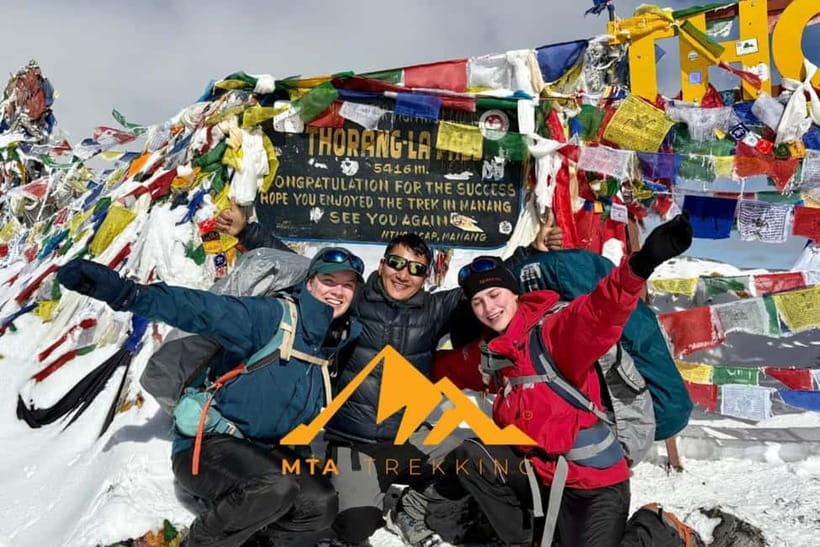
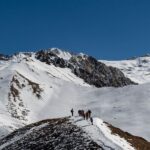
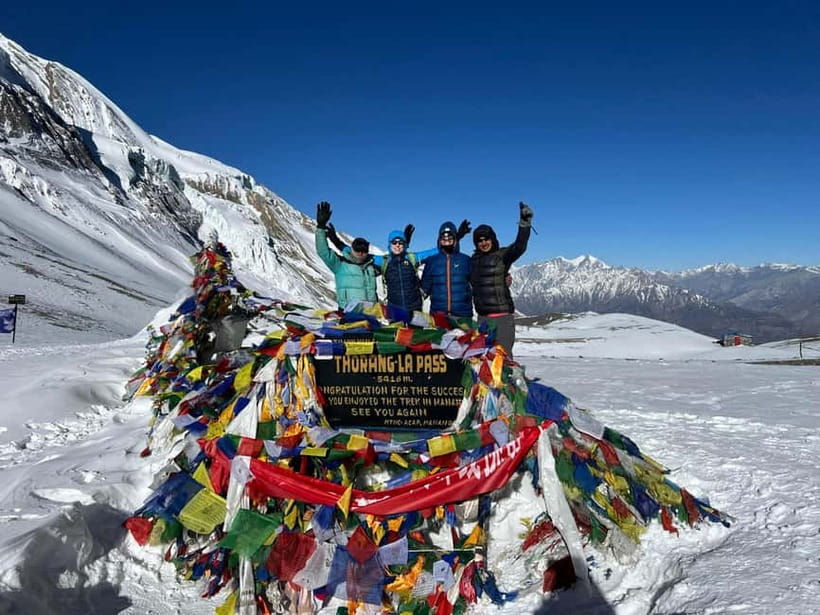
Crossing Thorong La is the emotional center of this trek. Even if you know the altitude number (5,416m), it’s the hours of patient uphill, step-by-step breathing, and then the sudden payoff—views toward Annapurna, Dhaulagiri, and Machapuchare—that makes it feel real. You’ll start early on the day you go for the pass, and yes, it’s hard. But the itinerary is built to give you time to adjust before that moment.
I also like the human side baked into the days. This route goes through Tibetan-influenced settlements and everyday mountain village life, and you’ll have time to explore places like Manang (including a village visit and a short hike to a stupa). Several guides on similar groups are known for doing more than “pointing and walking”—they push hydration, guide your acclimatization, and keep you thinking clearly at altitude.
The trade-off is that you’re moving in thinner air. Even with the acclimatization day, you still need to respect the plan and avoid rushing. If you have respiratory issues, a history of altitude sickness, or you’re pregnant or over 70, this tour is not a fit based on the provided suitability notes.
Key Things You’ll Notice on This Annapurna Circuit Route
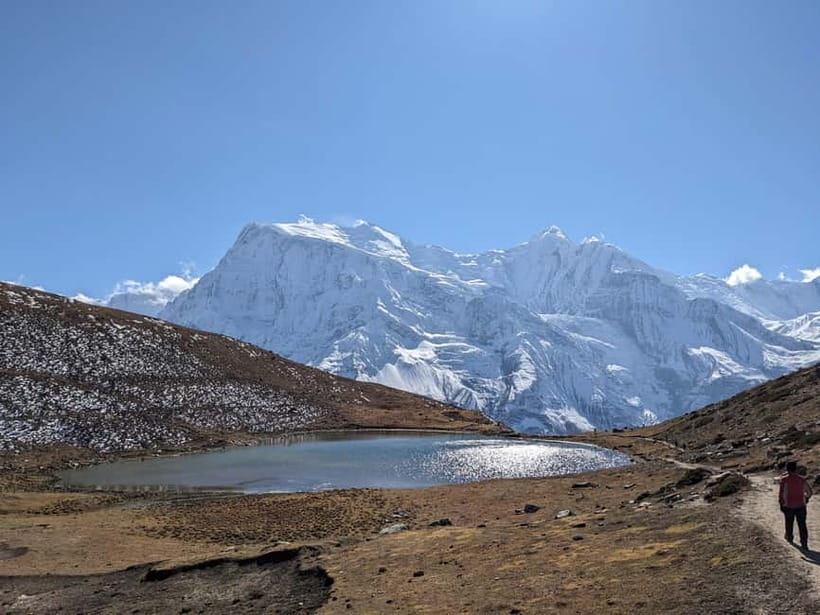
- Thorong La at 5,416m: the main event, with an extended day from Thorong Phedi to Muktinath
- Manang acclimatization day (Day 05): optional hikes that help your body adjust without guessing
- Village-to-village trekking: Chame, Upper Pisang, Manang, Kagbeni, and Jomsom feel lived-in
- Tea-house and lodge comfort: simple, warm stays instead of camping and gear-heavy travel
- Guides who focus on pacing and hydration: safety-first support is a repeated theme in guide feedback
- Permits plus meals handled: TIMS and the necessary entry permits included in the price
You can also read our reviews of more tours and experiences in Pokhara.
Getting There: Kathmandu to Besisahar to Dharapani
Day 1 is all about transition. You leave Kathmandu and ride the bus toward Besisahar (about 7–8 hours). The countryside shifts as you go—forests, hills, and rural scenery—so use the time to settle in, eat normally, and drink water. You then transfer to Dharapani by sharing jeep.
Why this matters: that long first travel day sets the tone. If you show up exhausted, the early trekking days will feel tougher. If you arrive steady and rested, you’ll appreciate how quickly the trek starts to build momentum.
Practical note: keep your daypack light. Your body will thank you as soon as the trail begins.
Chame to Upper Pisang: Forest Steps, Orchards, and a Steady Climb
On Day 2, you trek from Dharapani to Chame (about 6 hours), reaching a max altitude of roughly 2,670m. You’ll pass a grassy area with views of Annapurna II, then move through a Bhote village and a Buddhist temple in Bagarchhap. After that, the trail heads through oak and pine forests toward Timang, near the base of Lamjung Himal. The day ends with a tea-house stay in Chame.
Day 3 goes from Chame to Upper Pisang (5–6 hours). You climb to around 3,200m at the highest point, with an apple orchard along the way and a route that rises into the Bhratang Valley. Then you descend back toward Pisang or Upper Pisang, depending on how your group is handled.
What you’ll actually feel: these two days are a good warm-up. They’re not “easy,” but they’re manageable enough to let you find a trekking rhythm—slow, steady, and focused on breathing. If you tend to charge uphill, this is where you practice the opposite. You’ll need that habit later.
Manang: The Acclimatization Day That Can Save Your Pass
Day 4 connects Upper Pisang to Manang (5–6 hours, max altitude around 3,540m). You’ll enjoy Manang Valley views and pass through villages such as Mungji and Braga. The route crosses the Marsyangdi River on a wooden bridge and threads through scenery that feels both rugged and lived-in, with Tilicho Peak, Annapurna III, and Annapurna IV showing in the mix when the weather cooperates.
Then comes Day 5: acclimatization in Manang (max altitude around 4,050m). This is a big deal, and not the kind of “optional” day you treat casually. You can take shorter hikes, and there’s even mention of an optional trek toward a river crossing to see an icefall or exploring Gangapurna Glacier Lake. Either way, the goal is simple: keep moving, but don’t overload your system.
Why Manang is the smart move:
- It reduces the odds of altitude problems later.
- It helps you sleep better at higher elevations.
- It makes Thorong La day less of a shock.
Also, you’ll have time for local culture here, including a visit around Manang village and a hike to a stupa. This is the moment when the trek starts feeling like more than a physical challenge.
Yak Kharka to Thorong Phedi: Short Distances, Real Thin Air
Day 6 treks from Manang to Yak Kharka (about 4 hours, max altitude around 4,050m). On paper it looks short. In practice, it’s the kind of day where you’ll notice breathing changes fast. The hiking is steady, but the altitude does the hard work.
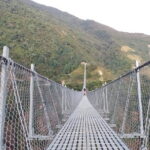
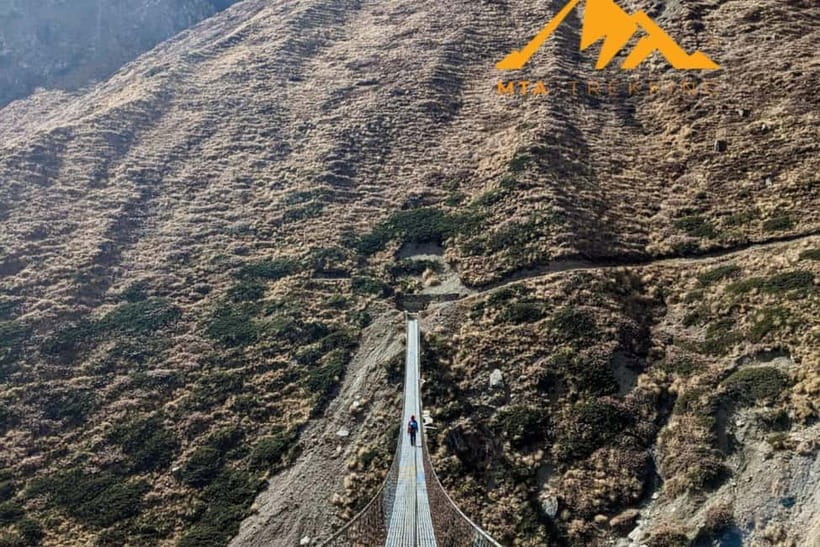
Day 7 goes Yak Kharka to Thorong Phedi (about 4–5 hours, max altitude around 4,450m). You get a gradual ascent to a hilltop, then descend toward the Marsyangdi headwaters. Expect another wooden bridge and that “we’re getting closer” feeling as you approach the Thorong La route on the right bank of the Marsyangdi.
This is where I think your guide makes the difference. In guide feedback, the strongest pattern is not just route knowledge—it’s pacing discipline: reminders to go slowly, avoid rushing, and stay hydrated. Some guides are also known for practical altitude habits, like pushing you to eat properly and avoid junk foods and meat at higher elevations. If you’ve had altitude trouble before, lean on your guide here.
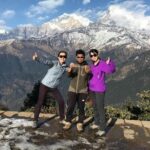
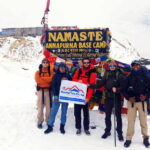
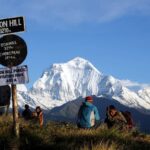
Thorong La Day: The Pass at 5,416m and the Long Descent to Muktinath
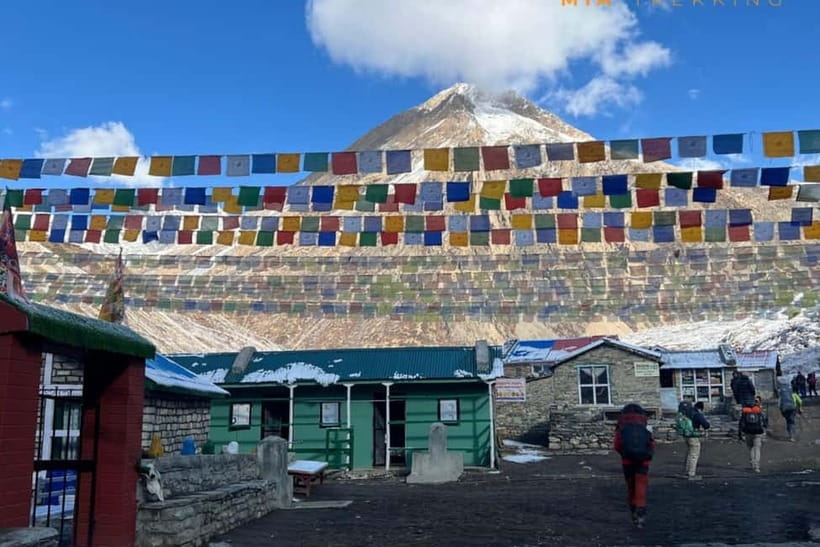
Day 8 is the headline: Thorong Phedi to Muktinath via Thorong La Pass (about 7–8 hours, max altitude 5,416m). You’ll cross one of the highest trekking passes in the world and then descend into a different-feeling world.
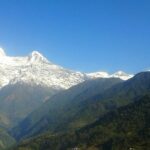
What to expect: it’s a high-altitude grind at the top, but it’s also a day built for payoff. You’ll get stunning views over the Mustang Valley and Dhaulagiri during the descent, with Dhaulagiri often looking extra sharp when skies clear.
The best way to get through it:
- Keep your pace controlled, not heroic.
- Don’t wait for big bursts of energy. Use steady steps.
- Drink enough to stay comfortable (your guide should help with this mindset).
This day is also where route navigation and timing matter. An early start helps you manage conditions, and it gives you a chance to descend while daylight holds.
Kagbeni and Jomsom: Finishing the Circuit with Calm Beauty
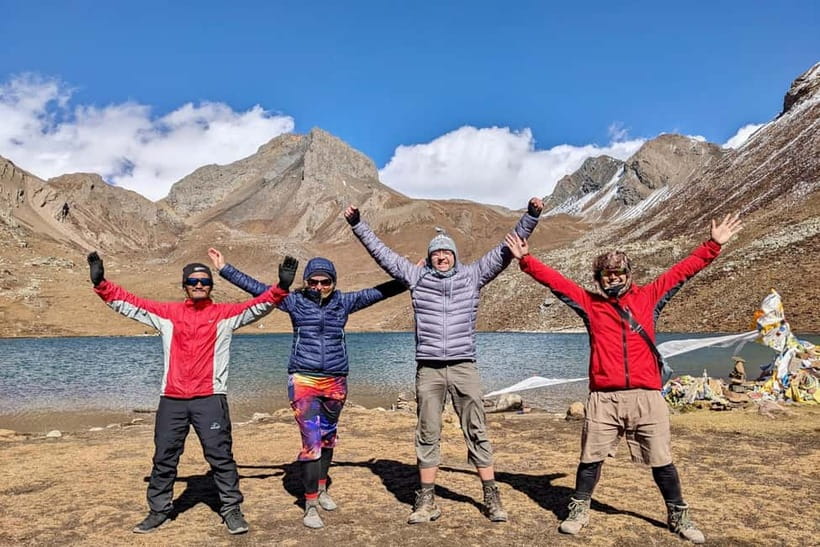
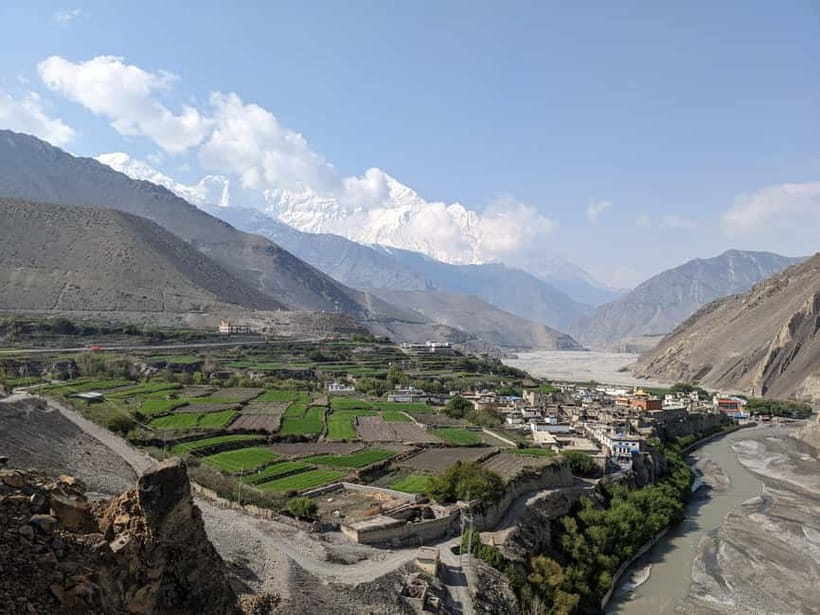
Day 9 goes from Muktinath to Jomsom via Kagbeni (about 7–8 hours). Kagbeni is a classic stop on this section, and it gives you a taste of mountain settlement life in the Mustang region.
You’ll end the day in Jomsom, which acts as your base for the final travel push.
Then Day 10: Jomsom to Pokhara by public bus (about 8 hours). It’s a long ride, but it’s the “put your feet up and look out the window” part of the trip. You finish with a 1-night stay in Pokhara at Hotel Orchid, plus a farewell dinner.
Price and Value: What $447 Covers (and What You Must Add)
At $447 per person for a 10-day trek, the value comes down to what’s already handled.
Included in the provided price set:
- Pick-up and drop-off from your Kathmandu and Pokhara hotels (Thamel and Lakeside areas)
- Permits: TIMS and the trek-related paperwork
- A government registered local guide
- Trek tea-house and lodge accommodations
- All meals (breakfast, lunch, dinner) during the trek
- All transport between trekking destinations and to/from included activities
- A 1-night hotel stay in Pokhara (Hotel Orchid) after the trek
- A farewell dinner after the trek
- Emergency rescue assistance in case of emergency
What’s not included:
- Soft/hard drinks
- Travel and rescue insurance
- International flights and Nepal visa fee
- Personal expenses (phone, laundry, battery charging, extra porter help, shower items, etc.)
- Trekking gear
So is it a bargain? For this kind of itinerary, I’d call it fair—especially if you don’t already have trekking gear and you prefer not to organize permits, logistics, and meals yourself. Your main added costs will likely be insurance and any gear you still need, plus the drinks and personal spending that always show up when you’re tired and proud.
Practical Gear and Altitude Safety (The Stuff That Actually Matters)
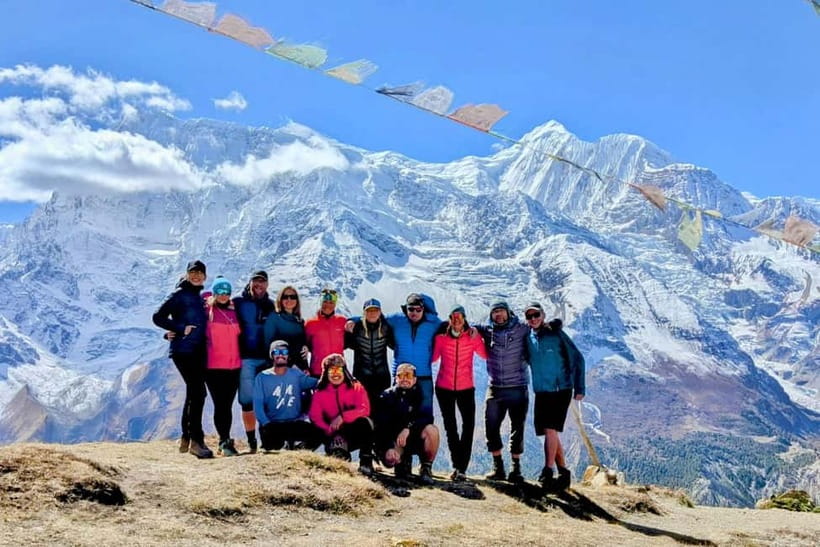
This is a high-altitude trek, and you should treat the risk of Acute Mountain Sickness (AMS) as real. The tour guidance strongly recommends comprehensive travel insurance that includes medical coverage and helicopter evacuation up to an altitude of 5,400 meters.
What to bring, based on the provided list:
- Warm clothing and layers
- Long pants
- Waterproof bag (weather protection is not optional at elevation)
- Sunscreen and sunglasses
- Change of clothes
- Hiking shoes and trekking gear
- Passport or ID card
A small but important behavior tip: follow your guide’s eating and hydration advice. In guide feedback, one repeated theme is safety habits at altitude—staying hydrated, avoiding junk foods, and being careful about meat choices higher up. If your guide suggests purifier tablets or tools for water safety, take it seriously.
And yes, you should plan for cold nights. Tea houses vary, but you’ll be at elevations where you’ll appreciate warm layers more than you expect.
Who This Trek Suits Best (and Who Should Think Twice)
This trekking plan is not for everyone. It’s listed as not suitable for:
- Children under 15
- People with altitude sickness
- People over 70
- People with respiratory issues
- Pregnant women
It makes the most sense for you if:
- You’re comfortable hiking roughly 4–8 hours a day
- You accept slow pacing on high-altitude days
- You want a guided experience with meals, lodging, and permits taken care of
- You like village trekking and cultural stops, not only summit ambition
Private group also means the guide can adjust the pace to your needs, which can be helpful if you want more frequent breaks or slower climbs.
Should You Book This Annapurna Circuit via Thorong La?
If your dream is the Annapurna Circuit with the real Thorong La moment, this route is a strong option. The itinerary gives you one key advantage: it builds in acclimatization in Manang before the highest day. That’s the difference between a trek that feels like a challenge and one that turns into a scramble.
I’d book it if:
- You want the structure of included meals, tea-house/lodge lodging, permits, and transport
- You like having a guide who focuses on pacing, hydration, and safe progress
- You’re willing to follow altitude rules and move thoughtfully
I’d skip or reconsider if:
- You already know you struggle with altitude or have respiratory limitations
- You’re not ready to budget for insurance and any missing gear
- You want a casual “walk and shop” vibe. This is serious, high terrain work.
If you’re ready for that mix of effort and payoff—villages, long views, and the pass day—this trek can be a memorable Nepal trip done the practical way.
FAQ
What is the highest point on this trek?
The trek crosses Thorong La Pass at 5,416 meters (17,769 feet).
How long is the Annapurna Circuit trek?
It runs for 10 days.
Are meals included?
Yes. Breakfast, lunch, and dinner are included during the trek.
What kind of lodging should I expect?
You’ll stay in tea houses and lodges during the trekking days, plus 1 night in Pokhara after the trek.
Do I need permits and a TIMS card?
Yes, and those are included: permits and the TIMS card are part of what’s provided.
Is there a guide?
Yes. You’ll travel with an experienced government registered local guide, with English and Hindi available.
How do you handle transport during the trek?
Transport between destinations and to/from included activities is included. This includes a bus from Kathmandu to Besisahar, a sharing jeep to Dharapani, and public bus travel from Jomsom to Pokhara.
What should I bring for the trek?
Bring warm clothing, a change of clothes, long pants, waterproof bag, sunscreen, sunglasses, passport or ID, trekking gear, hiking shoes, and a waterproof plan for your belongings.
Can I get a full refund if I cancel?
Free cancellation is available up to 24 hours in advance for a full refund.