REVIEW · HANOI
3-Day Sapa Real Valley View Homestay & Fansipan–Roof of Indochina
Book on Viator →Operated by BCFamilyTour.com · Bookable on Viator
Sapa rewards anyone who likes real walking. This 3-day trip combines Hmong villages with Fansipan’s 600 steps for a mix of culture and big-mountain views.
I especially like the full-meal setup and the way the trek connects you with ethnic communities, not just postcard stops. The homestay experience can be a highlight too, with guides such as ZerZer and Lala (English-friendly, hands-on) helping you feel at ease in a family setting.
One consideration: comfort can vary during the homestay, and the walking adds up. Bring proper trekking shoes and be ready to work for the views, not just breeze through.
In This Review
- Key Things That Make This Trip Click
- Why This Sapa Valley-to-Fansipan Combo Works
- From Hanoi to Sapa: The Long Scenic Ride (Yes, It’s Part of the Point)
- Trek Day: Village Walking That Actually Feels Like Vietnam
- Sapa Homestay Night: Family-Run, Shared, and Real
- Day 2 Shift: Fansipan Gives You the Big Views
- Sapa Town Time: Free Hours to Recover and Shop
- Price and Value: Is $179.90 a Good Deal?
- Guide Quality and Group Size: Why Small Counts Here
- Fitness Reality Check: Who This Fits Best
- What to Expect Day by Day (So You Can Plan Your Energy)
- Final Decision: Should You Book This Sapa Trek?
- FAQ
- How long is the Sapa Real Valley View Homestay & Fansipan tour?
- Where does the tour start and end?
- What is included in the price?
- What kind of lodging will I get in Sapa?
- Is the trekking difficult?
- Which villages and sights are included during the trek?
- What happens at Fansipan?
- How big is the group?
- What is not included?
Key Things That Make This Trip Click
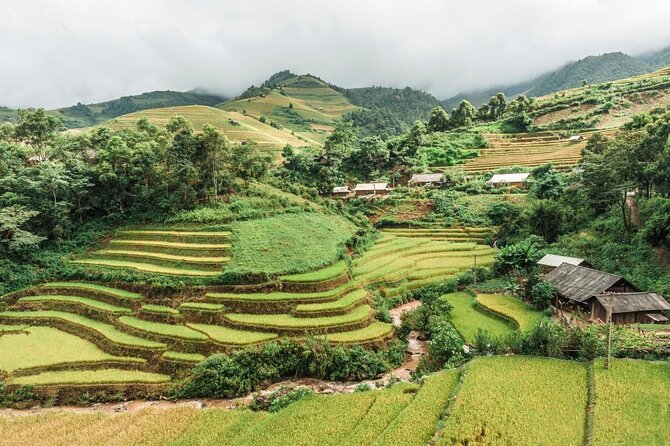
- Village trekking across multiple ethnic communities, including Black Hmong and Tay routes
- A homestay night in a local shared house, plus a second night in a Sapa hotel
- Fansipan at about 2,800 meters, including pagoda stops and the climb to the peak via 600 steps
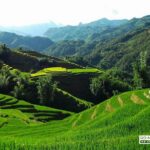
- Terraced rice fields, a Muong Hoa stream crossing, and waterfalls along the route
- A small group limit of 15, which usually means a tighter, smoother pace
Why This Sapa Valley-to-Fansipan Combo Works
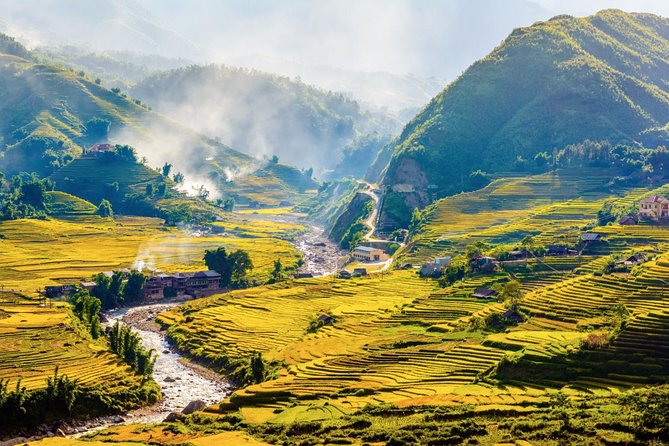
If you’re tired of tours that feel like a highlight reel with no context, this one has better bones. You get the Sapa region’s main ingredient—mountain villages—then you finish with the big vertical prize: Fansipan, often called the Roof of Indochina.
What I like is that the trip is built like a progression. You start in Hanoi with a long but scenic highway ride, transition into village trekking, then shift into a spiritual viewpoint day at Fansipan, before returning for some breathing space in Sapa town. That rhythm matters because Sapa rewards people who pace themselves.
The route also covers a lot of ground in a short time. You’re not stuck in one valley or one village; you move through several areas tied to Black Hmong and ethnic Tay communities, with guides who help you understand what you’re seeing.
You can also read our reviews of more tours and experiences in Hanoi.
From Hanoi to Sapa: The Long Scenic Ride (Yes, It’s Part of the Point)
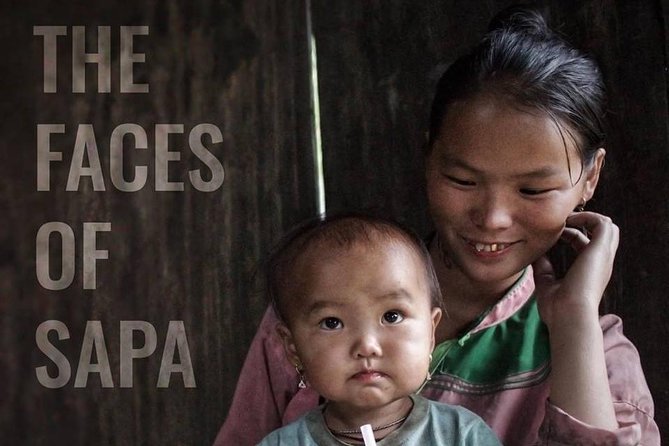
Day 1 starts early in Hanoi. You meet at Hanoi Opera House on Tràng Tiền Street, near Phan Chu Trinh in the Hoàn Kiếm area, then take a bus to Sapa.
The drive runs about 245 km on the newer Noi Bai–Lào Cai highway, and it typically takes under 5 hours, though in real life you might see a bit closer to 6 with a short break. Either way, it’s not just transit. The route passes through changing scenery, which helps your brain switch from city mode into mountain mode before the trekking begins.
This is also where you’ll appreciate the practical inclusions: the ride is in an air-conditioned vehicle, and there’s bottled water provided. Those small things matter on a long day when you’d rather not think about logistics.
Trek Day: Village Walking That Actually Feels Like Vietnam
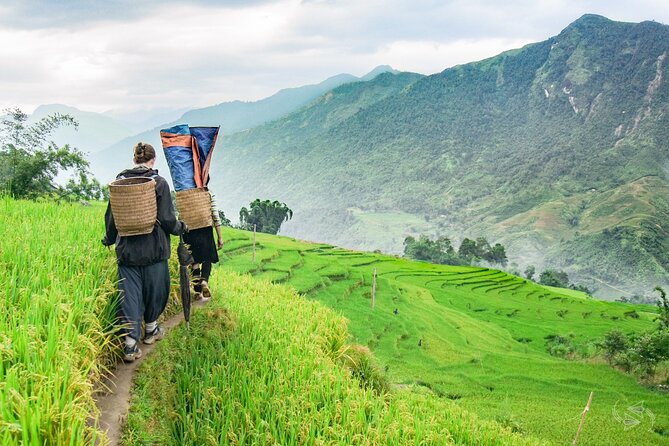
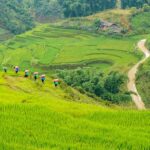
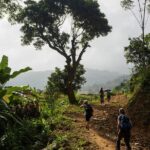
After lunch in Sapa, you start trekking with a local guide. The focus is on cultural immersion through daily walks to village areas associated with Black Hmong and ethnic Tay people, not a rush of photo stops.
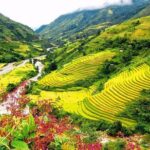
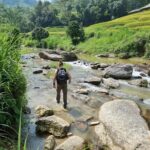
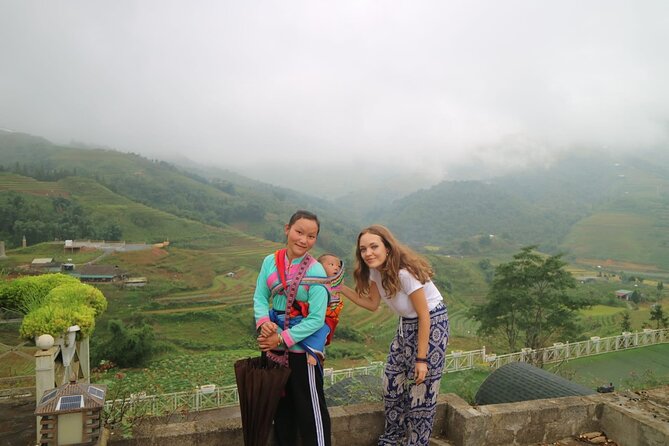
You can expect visits along routes that commonly include Lao Chai, Ta Van, Giang Ta Chai, Ban Ho, Sin Chai, and Cat Cat. The trek also ties into the scenery: you’ll see terraced rice fields and likely catch refreshing waterfall moments during the trek, plus you cross the Muong Hoa stream as part of the day’s movement.
Here’s the practical truth: Sapa walking is not just a casual stroll. One account from a past participant describes about 15 km of trekking. So yes, it can be manageable for many people, but you should be physically ready—especially if you plan to keep your pace steady for several hours.
Also, don’t treat trekking shoes as optional. Bring them. One of the weaker experiences in the feedback circle explicitly calls out the importance of proper shoes and being ready for the hike.
Sapa Homestay Night: Family-Run, Shared, and Real
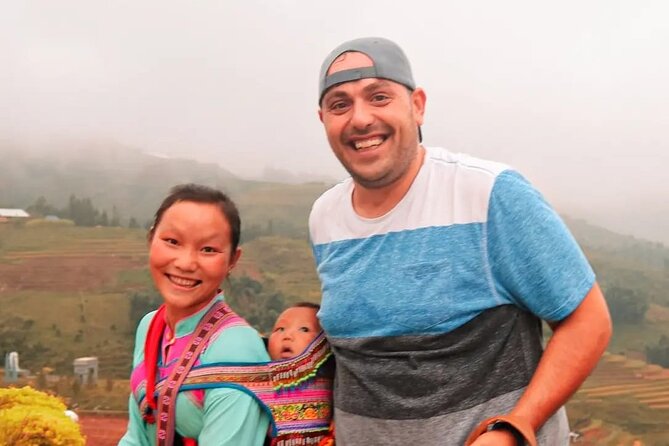
The homestay is one of the big reasons this tour gets strong marks. You get 1 night in a village homestay with shared accommodation at a local house, plus full meals included for the days specified.
This is where the guide matters. In the experiences shared, guides such as ZerZer helped make the homestay feel smooth—clean room, good English support, and family cooking that hit the spot after a trekking day. Another guide, Lala, is also mentioned as hosting well and helping balance out the rough edges.
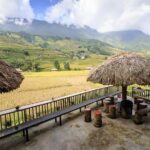
Still, here’s the balanced view: homestays are not hotel stays. One person described the homestay as horrible, while also saying the guide and the view from the Hmong hotel area helped compensate. Translation for your planning: expect a simpler setup than what you’re used to, and don’t judge the experience by hotel standards.
What you can do to protect your comfort:
- Come with realistic expectations for shared lodging.
- Ask questions before you go about what’s included in the room setup.
- Pack trekking gear that’s easy to manage after a day outside.
Day 2 Shift: Fansipan Gives You the Big Views
Fansipan is the centerpiece of the second active day. You head out for a visit and aim for the altitude around 2,800 meters.
You’ll have time to look around, take photos, and visit pagoda areas described as spiritual destinations. Then the climb: a trek up to the peak using about 600 steps.
This part of the trip is different from village walking. The terrain changes, and the pace becomes more about steady effort and breath control than following a trail through fields and hamlets. If your calves are already humming from the trek day, treat the steps like a training session: small, consistent pace, frequent micro-breaks if your guide allows it.
The good news is that Fansipan rewards you with dramatic perspective. You’re at the height where Sapa’s valleys feel like they stretch out forever, and the spiritual sites add a cultural layer beyond scenery.


Sapa Town Time: Free Hours to Recover and Shop
After the mountain effort, the tour gives you a lighter day format on the final morning. Breakfast is included at the hotel, and you have free time to explore Sapa town on your own.
There’s also mention earlier of free time for shopping in Sapa, which can be useful if you want to pick up simple souvenirs or essentials you forgot. This matters because Sapa is a place where some people show up underprepared—then scramble to find basics.
On Day 3, you’ll check out, handle any bills, then get lunch on your own. After that, you return by bus toward Hanoi, with the ride taking roughly 6 hours.
This is the sweet spot of the schedule: you get enough town time to feel human again, but you’re not spending your whole trip waiting in a hotel room.
Price and Value: Is $179.90 a Good Deal?

At $179.90 per person for about 3 days, this tour is priced for a packed, guided experience. The value comes from what’s bundled, not just from the sticker price.
What you’re getting for the money:
- Round-trip transport from Hanoi, using an air-conditioned vehicle
- A local expert guide
- Bottled water
- Full meals as specified (breakfast, lunch, dinner)
- Accommodation: 1 night homestay (shared) + 1 night hotel in Sapa
- Fansipan admission included, plus other parts listed as free admissions
- Small-group size up to 15 people
The biggest “value check” for you is whether those inclusions match how you like to travel. If you want guided village access, actual lodging inside the region, and transport without planning headaches, the price starts to make sense.
The one area you should budget for: meals not specified (like lunch on Day 3) and any festival-related surcharges. Also, drinks outside the meal inclusions are not covered.
Guide Quality and Group Size: Why Small Counts Here

This trip caps at a maximum of 15 people. That matters because trekking and village visits don’t work well with huge crowds. With a smaller group, the guide can actually manage the walking pace and coordinate timings so you’re not stuck waiting or sprinting.
Guide support is also a major factor in how the homestay feels. Based on the experiences shared, having an English-capable guide such as ZerZer (mentioned for strong hosting and communication) can change the entire tone of your evening. Another guide named Lala is also referenced as helping make the experience work—especially when the homestay setup isn’t perfect.
So if you’re sensitive to communication gaps, this is one of those tours where choosing a date and guide fit can pay off.
Fitness Reality Check: Who This Fits Best
The tour says most people can participate, and that’s encouraging. But “most” still means you should treat the walking seriously.
This isn’t a couch-to-viewpoints itinerary. You hike daily to village areas, see terraced rice fields and waterfalls, and then do the big step climb at Fansipan. If you’re comfortable walking 4–6 hours on uneven paths, you’re likely to feel okay with the pacing.
What to do if you’re on the fence:
- If you can only do short walks, plan on a slower experience and possible fatigue.
- If your shoes are worn out or you hate laces, replace them before you go.
- If you’re traveling with knee issues, think hard and consider consulting your doctor.
Also remember that homestay comfort can vary because it’s community-based lodging. If you’re picky about bedding or bathroom setup, you’ll want to mentally prepare for simpler conditions.
What to Expect Day by Day (So You Can Plan Your Energy)
Here’s the trip flow in plain terms, so you can decide if the rhythm suits you.
Day 1: Hanoi to Sapa, then a first trek start
You travel from Hanoi early, eat lunch in Sapa, then head out on foot to experience Hmong culture through village areas. It’s an active start, but it’s also the easiest day to get excited because everything is new.
Day 2: Trek return to Sapa, then Fansipan
Breakfast is prepared by the family in the homestay setup. Then you travel back toward Sapa town (about 17 km, commonly around 30 minutes by motorbike or taxi that the operator can arrange). After that, you go to Fansipan, reach about 2,800 meters, visit pagoda areas, and climb the steps to the peak.
Day 3: Sapa town morning, then back to Hanoi
Breakfast at the hotel, free time to explore, and checkout. Lunch is on your own, and then you ride back to Hanoi in about 6 hours.
This schedule is efficient. It also means you shouldn’t plan a big night out on the first evening. The mountains come early.
Final Decision: Should You Book This Sapa Trek?
I’d book this if you want a real Sapa experience with three things covered: guided village trekking, a homestay night that connects you to local life, and a summit-style day at Fansipan. The inclusion of transport, lodging, and full meals makes it a strong value for the effort level.
I’d hesitate if:
- You dislike walking distances and steep steps.
- You need hotel-level comfort in the homestay night.
- You’re very sensitive to basic setups and want everything standardized.
If you do book, go in with the right mindset: treat shoes and stamina as your ticket, and treat the homestay as part of the cultural trade, not a compromise to be ignored.
FAQ
How long is the Sapa Real Valley View Homestay & Fansipan tour?
It’s listed as a 3-day experience, approximately 3 days total.
Where does the tour start and end?
The tour starts and ends back at the meeting point at Hanoi Opera House, 1 Tràng Tiền, Phan Chu Trinh, Hoàn Kiếm, Hà Nội.
What is included in the price?
The tour includes air-conditioned vehicle transport, a local expert guide, bottled water, meals as indicated (breakfast, lunch, dinner), and accommodation: 1 night homestay in a village plus 1 night in a hotel in Sapa.
What kind of lodging will I get in Sapa?
You’ll have 1 night in a village homestay with shared accommodation at a local house, and 1 night in a hotel in Sapa town. Double/twin sharing is standard, and single rooms are available on request with a surcharge.
Is the trekking difficult?
The tour states that most travelers can participate. Still, you should plan to be physically ready and wear proper trekking shoes, since the walking is a core part of the experience.
Which villages and sights are included during the trek?
The trek route includes village areas such as Lao Chai, Ta Van, Giang Ta Chai, Ban Ho, Sin Chai, and Cat Cat, plus terraced rice fields, waterfalls, and a Muong Hoa stream crossing.
What happens at Fansipan?
You visit Fansipan, reach around 2,800 meters, visit pagodas/spiritual destinations, and climb up to the peak via about 600 steps.
How big is the group?
This experience has a maximum of 15 travelers.
What is not included?
Food and drinks are not included unless specified. Lunch on the last day is listed as on your own, and there can be extra surcharges for festival dates such as Independent Day, Christmas, and New Year.