REVIEW · GONDER
Simien Mountains National Park – 7 Day Trek
Book on Viator →Operated by Simien Image Ethiopian Tour and Travel Company · Bookable on Viator
Seven days in the Simien Mountains tests your legs. This hike covers a big stretch of Simien Mountains National Park with real cliff-edge walking, daily scenery shifts, and serious elevation changes. I like that it is built for serious hikers with 2 half-days and 5 full trekking days between about 2,000 and 4,000 meters.
Two things I particularly love: the wildlife odds (Gelada monkeys, Walia ibex, and birds, plus chances for rare species), and the fact that the logistics are handled end-to-end from Gondar, with a guide and scout plus air-conditioned vehicle support. One consideration: this is not a casual walk—days run roughly 5 to 8 hours and you’ll reach high passes like Buwhit at 4,200m, so you’ll want strong fitness before you go.
In This Review
- The Simien Mountains Trek in One Glance: What Makes It Worth Your Time
- Entering The Park From Gondar: Timing, Transport, and First Camp Vibes
- Day 1 to Day 2: Sankaber to Geech, With Cliff Views and a 500m Waterfall
- Day 3: Geech to Chennek and Imet Gogo’s 3,926m 360-Degree Payoff
- Day 4: Chennek to Sona via Buwhit Pass (4,200m) and the Walia Ibex Odds
- Day 5: Sona to Mekarebya, Mostly Downhill and a Noticeable Temperature Shift
- Day 6: Mekarebya to Mulit, River Crossings, and the Vervet Monkey Chances
- Day 7: Mulit to Adiarkay, Mostly Downhill, Then the Drive Back to Gondar
- Wildlife Expectations: What You May See (and How to Improve Your Odds)
- Price and Value: Getting Real Stuff Covered for $900
- Service That Feels Like It Has a Human Behind It
- Who This Trek Is For (and Who Might Want a Shorter Option)
- What to Do Before You Go: Training and Smart Mountain Habits
- Should You Book This Simien Mountains Trek?
- FAQ
- Where does the trek start and finish?
- What time does the tour begin?
- How long is the Simien Mountains trek?
- How difficult is the trek and what altitude should I expect?
- What wildlife might I see on the hike?
- Where do you camp during the trek?
- Are meals included in the tour price?
- What is included in the tour cost besides meals?
- Can I cancel for a full refund?
The Simien Mountains Trek in One Glance: What Makes It Worth Your Time
Cliff-edge start from Gondar: You leave at 8:00 am and reach the park around 11:00 am, then hike along the cliff edge to Sankaber after a vehicle drop-off.
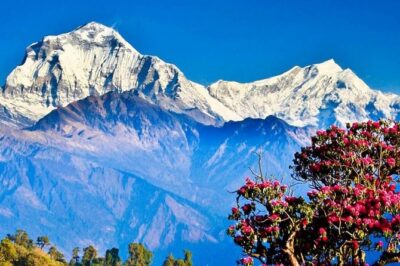
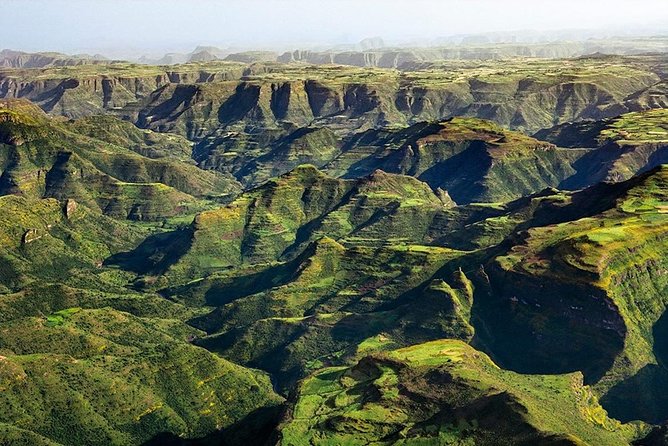
Big view moments are planned: Imet Gogo hits 3,926m with 360-degree panoramas over canyons, cliffs, and valleys.
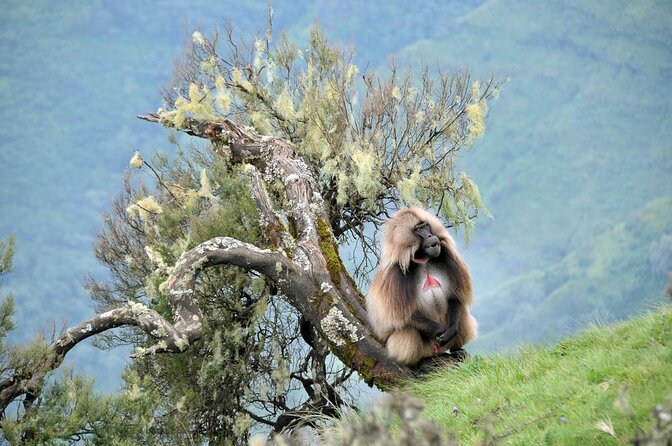
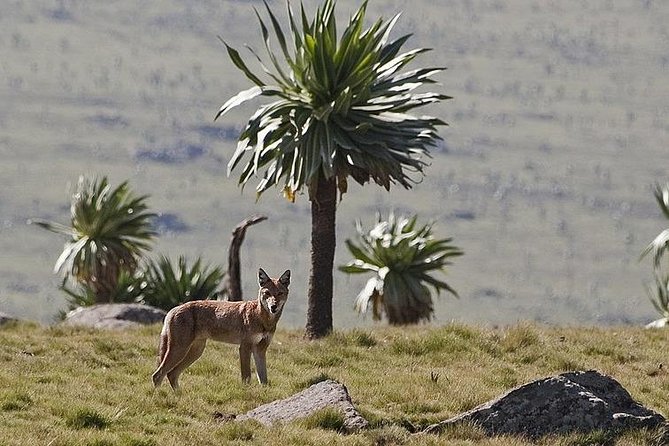
Wildlife isn’t just a hope: You’re moving through habitat where Gelada monkeys, Walia ibex, birds, and even the elusive Simien fox are possible.
Jinbar waterfall is a highlight: There’s a passing stop for the 500m-high Jinbar waterfall, plus lunch near the Jinbar river.
Sunsets in Sona: The route includes Sona, known for fantastic sunsets, giving your photo breaks a payoff.
Small group size: Maximum 15 travelers, which usually means less chaos on narrow trails and better guide attention.
Entering The Park From Gondar: Timing, Transport, and First Camp Vibes
The trip starts in Gondar at 8:00 am, and that timing matters. You get a full morning to drive into the park area and still hike before the day turns flat and hot. Expect to arrive in the Simien Mountains around 11:00 am, then shift from road time to trail time fast.
Once you’re in the park, the vehicle drops you about two hours before the first camp at Sankaber. You’ll spend those initial hours hiking along the cliff edge toward the campsite, and you stop for a picnic lunch during the walk. It’s a good opener: you’re eased in with a planned rhythm, not thrown into a brutal all-day grind on day one.
Day one ends with tent camping at Sankaber. That matters because the trek is not just about views—it’s also about being comfortable living outdoors for a week. If you’re the kind of hiker who likes consistent routines, you’ll probably appreciate how the camps and trekking segments are structured.
You can also read our reviews of more tours and experiences in Gonder.
Day 1 to Day 2: Sankaber to Geech, With Cliff Views and a 500m Waterfall
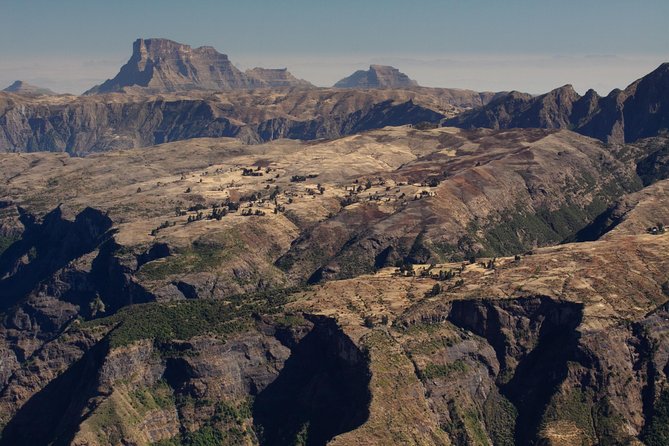
The trek from Sankaber to Geech camp is about 5 to 6 hours. That’s a solid walking block without feeling like you’re trapped on the trail all day. You’ll be moving through scenery that threads between the cliff edge and forests, which helps keep the hike interesting even on days that aren’t centered on one single landmark.
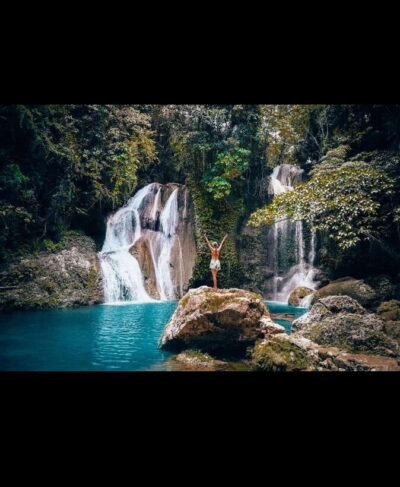
One of the standout features here is the Jinbar waterfall, listed as 500 meters high. It’s the kind of natural spectacle that makes the “why am I climbing again” question vanish for a moment. You also stop for lunch by the banks of the Jinbar river, giving you a real break instead of just a quick snack stop.
Then you pass through Geech village, where you can have coffee with a local family in their traditional tukul hut. This is the day’s human connection piece, and it’s valuable because it adds texture beyond scenery. You’re not only seeing the highlands—you’re meeting people living their normal life at mountain altitude.
Practical note: coffee and a warm pause can feel like the best reward in Ethiopia. Just keep your water and snacks organized too, because a village stop is short compared to hours on foot.
Day 3: Geech to Chennek and Imet Gogo’s 3,926m 360-Degree Payoff
Day three goes longer: 7 to 8 hours from Geech to Chennek camp. The extra time buys you one of the most important view stops of the entire trek: Imet Gogo at 3,926m.
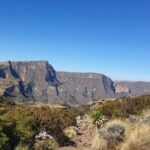
You visit Imet Gogo for panoramic views described as 360 degrees—canyons, cliffs, and valleys stretching outward like the terrain won’t end. Even if you’ve seen mountains before, that kind of broad sweep tends to slow you down. You stop for photos, sure, but you also get that mental reset where the whole region makes sense at once.
This is also a day to watch your pace. A long hiking segment plus a high viewpoint can push some people too hard if they sprint uphill and then regret it. I like keeping a steady tempo, taking short breaks, and saving energy for when you reach the viewpoint.
At the end of the day, you continue to Chennek camp. The key point: this day is about both distance and altitude psychology. You’ll feel the mountain working on you, in a good way.
Day 4: Chennek to Sona via Buwhit Pass (4,200m) and the Walia Ibex Odds
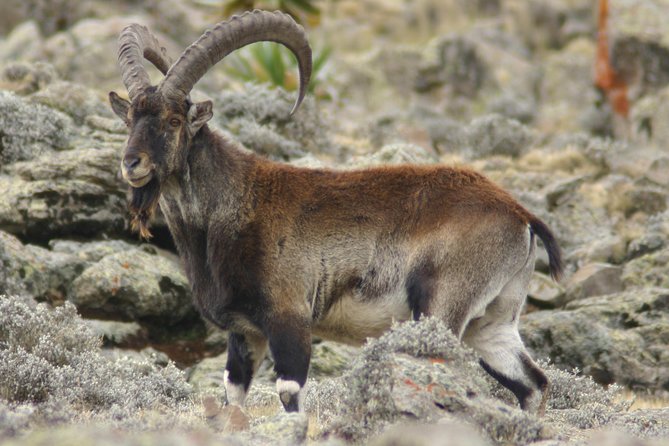
From Chennek, you hike to Sona via Buwhit pass at 4,200m. This is the kind of high point that turns the whole day into a summit-style mission even if the hike is not a quick sprint. You’re told this is a great opportunity to spot Walia ibex and the rare Simien fox.
Also keep in mind: wildlife isn’t guaranteed. But the plan puts you in the right places when conditions and habitat align. If you’re hoping to see Walia ibex, this is one of the logical days to be patient and scan rocky slopes.
The route includes wonderful views along the way, then you descend to Sona, which is renowned for fantastic sunsets. That’s not a small detail. Sunset in high mountains can be truly special because the light changes fast and long shadows make ridges look carved. If you’re even mildly into photography, plan to stay attentive on the walk down instead of zoning out.
A consideration here: going up to 4,200m and then descending can feel tough on knees and ankles. Trekkers with good downhill technique will enjoy this day more than those who only focus on uphill gains.
Day 5: Sona to Mekarebya, Mostly Downhill and a Noticeable Temperature Shift
Day five is one of the more “legs will warm up in a different way” days. You hike from Sona to Mekarebya in about 5 hours, and it’s downhill almost all the way.
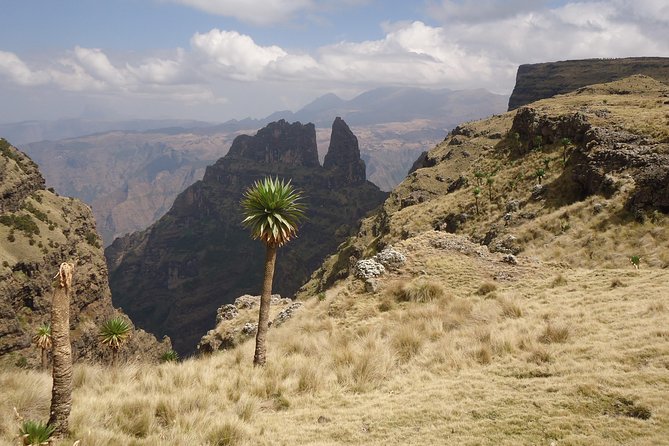
Downhill sounds easy until you remember gravity is still working. Still, it’s downhill described as almost constant, and that means the air can feel different as you drop. The plan specifically notes that as you descend, temperature goes up and vegetation changes to what you’d see in the highlands.
That vegetation shift is more than scenery trivia. It’s a real indicator you’re moving through different ecological zones. When you see the plants and terrain change, it helps you understand why this park is such a wildlife haven.
Camping then continues at Mekarebya. You’ll likely finish this day feeling tired but less “breathless” than the higher days. If you’re trying to manage fatigue over a week, this kind of downhill day can be a welcome reset.
Day 6: Mekarebya to Mulit, River Crossings, and the Vervet Monkey Chances
From Mekarebya to Mulit takes around 5 to 6 hours. This day is interesting for a few reasons, especially the mention of potentially seeing vervet monkeys. It also includes crossing the Insya river a couple of times, plus a final steep hike to the campsite.
River crossings add a different type of challenge than pure hiking. You need stable footing and you’ll want to keep your balance in mind, particularly if trails are uneven or slick. This is also where good trekking shoes matter more than your confidence level.
The final steep hike is a reminder that “overall distance” isn’t the whole story. A day can be moderate on paper and still feel intense if it ends with a climb. Save energy for the last push so you don’t arrive at camp totally spent.
Wildlife-wise, this is another slot where you’ll want to keep your eyes up as well as down. Animals often appear when you slow down—at corners, near water, and around the edges of clearings.
Day 7: Mulit to Adiarkay, Mostly Downhill, Then the Drive Back to Gondar
Day seven is mostly downhill for about 2.5 hours from Mulit to Adiarkay. This is a shorter walking segment, which helps you finish the trek without turning the last day into a death march.
Once you reach the main road, you start the drive back to Gondar, and the program finishes after you arrive in the city. The shift from trail to vehicle is usually emotional in the best way. One minute you’re watching your footing; the next minute you’re looking at road life again.
If you’re someone who likes a clean wrap-up, this structure helps. You don’t get a long final hike tacked on top of everything you’ve done.
Wildlife Expectations: What You May See (and How to Improve Your Odds)
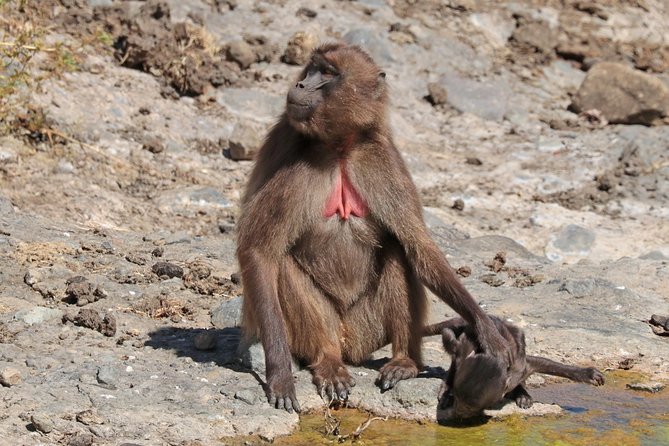
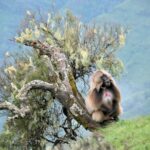
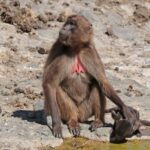
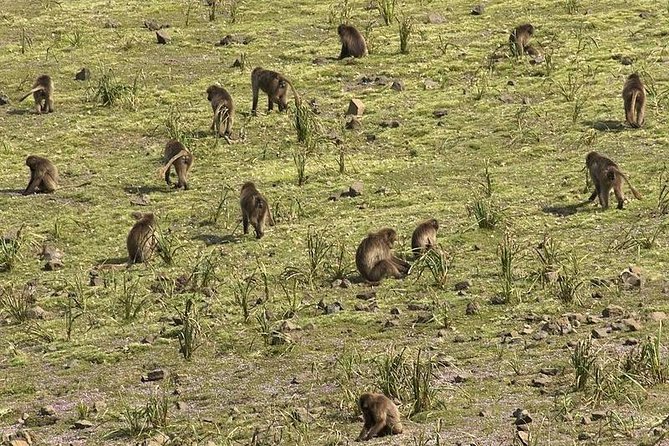
The park is known for wildlife you can realistically plan around. You’re told to expect variety, including Gelada monkey, Walia Ibex, and bird life. If you’re lucky, you may also see the Simien fox and leopards.
Here’s how I’d think about it practically: the best strategy is staying observant in the right terrain. That means scanning cliffs and rocky areas around the high passes, and paying attention when you pass through forest edges and near water features like the Jinbar river.
Your guides and scouts are key for this. They’re part of what you’re paying for, and a good team helps you notice movement you might otherwise miss. Keep your breaks short but frequent enough to look around. Most sightings happen when you stop trying to “finish the mile” and start paying attention.
Also, remember that Ethiopia’s mountain wildlife can be shy. Don’t chase. Stay calm, keep a respectful distance, and let the animals decide whether they want to show themselves.
Price and Value: Getting Real Stuff Covered for $900
At $900 per person, the big question is what you’re actually buying. Here’s the value picture based on what’s included:
You get all fees and taxes, a guide and scout, and an air-conditioned vehicle. Meals are included for most days: breakfast (6), lunch (7), and dinner (6). You also get admission ticket coverage mentioned across the trekking days, meaning entry-related costs aren’t something you have to sort out separately.
And yes, pickup is offered, plus a mobile ticket is part of the setup. That matters because in remote regions, the friction of logistics can steal your energy. Having transport and entry handled keeps your mind focused on hiking.
What’s not included: alcoholic beverages, and anything not listed under inclusions. There’s no mention of specific gear rentals, so you should assume you need to bring your own hiking essentials and plan for camp conditions. This trek is outdoors for days in a high-altitude environment, so warm layers are not optional thinking.
Bottom line: the price feels reasonable for a 7-day, high-elevation, guided trek where meals and park-related fees are handled.
Service That Feels Like It Has a Human Behind It
The company behind the experience is Simien Image Ethiopian Tour and Travel Company, and their service shows up in the details people praise.
What stands out: planning that fits your budget. Their manager Alex is mentioned as helping plan a perfect trip while taking budget into consideration. That’s not just polite talk—it matters because a trekking trip can balloon fast if you don’t control the basics.
Airport help is also a recurring positive. If you’re arriving in Gondar already tired, assistance can prevent that awkward first-day scramble. Even with pickup offered, having a team that knows how to handle arrivals can make the whole trek feel calmer from hour one.
Then there’s the guide quality. The company is credited with knowledgeable guidance. On a technical-feeling route with passes and cliff sections, that knowledge is more than trivia. It helps keep your hiking safe, efficient, and more enjoyable.
Who This Trek Is For (and Who Might Want a Shorter Option)
This hike is tailored toward serious hikers, and that’s exactly how you should interpret it. The itinerary includes long walking days, altitude from 2,000 up to 4,200m, and trekking time that can be demanding even for experienced people.
You’ll likely love it if:
- you enjoy structured multi-day hikes with camps and meals handled
- you want wildlife chances built into the route, not tacked on at the end
- you’re comfortable with long days and higher passes
You might think twice if:
- you struggle with altitude or long hiking segments
- you want a gentler hike with lots of optional side trips and less intensity
If you’re somewhere in the middle, you could still consider this trek, but be honest about your fitness. The tour specifically says strong physical fitness is needed.
What to Do Before You Go: Training and Smart Mountain Habits
Even with a good guide, your body is the limiting factor. Aim to arrive with endurance and leg strength you trust. Practically, that means preparing for hours of continuous hiking, not just a few hours on weekends.
A few mountain habits that help you enjoy the trek more:
- Keep your pace steady. Long days reward consistent effort.
- Focus on downhill technique. Day five and day seven are mostly downhill, but downhill can still bruise you.
- Hydrate and eat on schedule. When you’re at altitude, energy problems hit faster.
- Pack warm layers for higher points like Buwhit pass and chilly early starts.
Gear specifics aren’t listed, so treat this as a trek where you bring your own comfortable hiking setup. If you’re uncertain, double-check with the operator before you go so nothing important gets left behind.
Should You Book This Simien Mountains Trek?
I’d book it if you want a serious, guided 7-day trek in one of Ethiopia’s most iconic mountain regions, with planned view stops like Imet Gogo (3,926m) and cliff-and-water scenery like the Jinbar waterfall (500m). The wildlife odds are part of the appeal, and the structure keeps you moving through the park efficiently without wasting days on logistics.
I wouldn’t book it if you’re looking for an easy, flexible hike. This route asks for real stamina, especially with high altitude and long days. If you’re unsure, you could choose a shorter version, or train longer before committing.
Also, if service matters to you, this company has a track record of making trips feel smooth and cared for, with Alex specifically called out for planning support.
FAQ
Where does the trek start and finish?
The trek starts in Gondar, with departure from Gondar at 8:00 am, and it finishes back in Gondar after the drive from Adiarkay.
What time does the tour begin?
The meeting point lists a start time of 8:00 am.
How long is the Simien Mountains trek?
The duration is listed as 7 days (approx.).
How difficult is the trek and what altitude should I expect?
You need strong physical fitness. The elevation rises and falls between about 2,000 and 4,000 meters, with Buwhit pass reached at 4,200m.
What wildlife might I see on the hike?
You can expect wildlife such as Gelada monkey, Walia ibex, and bird life. If you’re lucky, you may also see the Simien fox and leopards.
Where do you camp during the trek?
The itinerary states you camp in tents at Sankaber, and it describes camping at each camp stop across the trekking days (Sankaber, Geech, Chennek, Sona, Mekarebya, Mulit).
Are meals included in the tour price?
Yes. Breakfast is included 6 times, lunch 7 times, and dinner 6 times.
What is included in the tour cost besides meals?
Included items cover all fees and taxes, an air-conditioned vehicle, guide and scout fees, and admission ticket coverage.
Can I cancel for a full refund?
You can cancel up to 3 days in advance of the experience for a full refund. If you cancel less than 3 full days before the start time, the amount paid is not refunded.