REVIEW · GONDER
2 Nights 3 Days Trek to Semien Mountain
Book on Viator →Operated by Ethio Backpacker Tours · Bookable on Viator
The Simien Mountains feel instantly bigger than expected. This 2 nights / 3 days trek runs out of Gondar with a guided plan that includes park entry, a scout, and English support, so you’re not worrying about how to make the system work at altitude. I like the structure: drive in the morning, then real walking each day, with camps placed for the best mountain moments.
Two things I genuinely like: the early-day start that sets you up for wildlife chances (you can spot Gelada baboons on the first trek day) and the way the route builds to viewpoint payoffs, like the sunset area near Kedadit on day 2 and the Imet Gogo promontory on day 3.
One consideration: this is high-elevation trekking, so you’ll want a moderate fitness level and a calm attitude about long, steady uphill stretches—plus the whole experience depends on good weather.
In This Review
- Key Points Worth Knowing Before You Go
- Why the Simien Trek from Gondar Works So Well
- Price and Logistics: Pickup, Permits, and a 15-Person Max
- Day 1: Gondar to Sankobar (First Trek Day at 3,250m)
- Day 2: Jinbar Waterfall to Geech Village (Sunset Near Kedadit)
- Day 3: Imet Gogo Promontory Views and Lammergeier Vultures
- Guides, Scouts, Lodges, and the Comfort Trade-Off
- What to Pack for Simien (So Your Feet Don’t Complain)
- Best Fit: Who This Trek Is For (and Who Might Want Another Option)
- Should You Book This 2 Nights 3 Days Simien Mountain Trek?
- FAQ
- How long is the trek?
- What time does it start, and where does it end?
- What is included in the $400 price?
- Do I need a permit for the park?
- Is this trek suitable for beginners?
- Are meals vegan or can they handle dietary restrictions?
Key Points Worth Knowing Before You Go
- Small group size (max 15): you get a more personal pace and easier guide attention.
- Permit + scout handled: you collect the obligatory scout and park permit as part of the day 1 flow.
- Altitude camps with views: Sankobar at about 3,250m and Geech at about 3,600m are set for mountain panoramas.
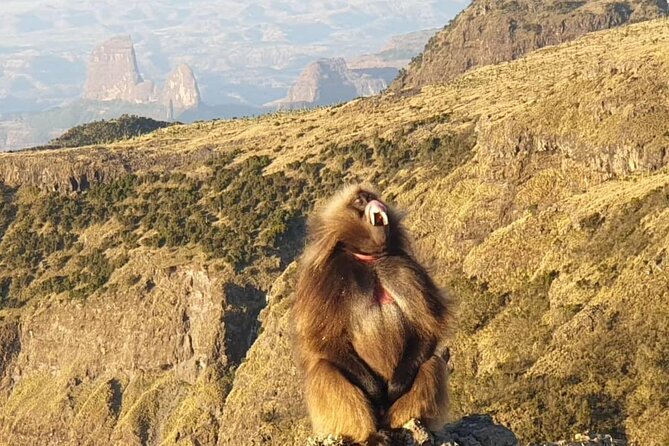
- Iconic wildlife moments: Gelada baboons are possible on day 1, and lammergeier vultures are a highlight on day 3.
- Food tailored to you: vegan meals are provided, and they can work around health restrictions.
- Best “wow” stops are planned: Jinbar waterfall on day 2, then Imet Gogo promontory for one of the range’s most famous viewpoints.
Why the Simien Trek from Gondar Works So Well
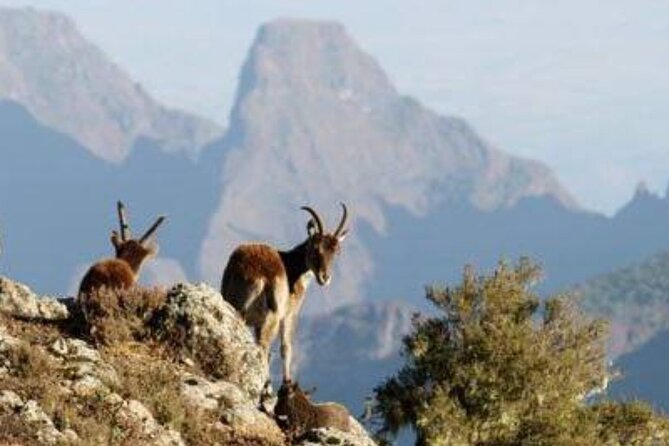
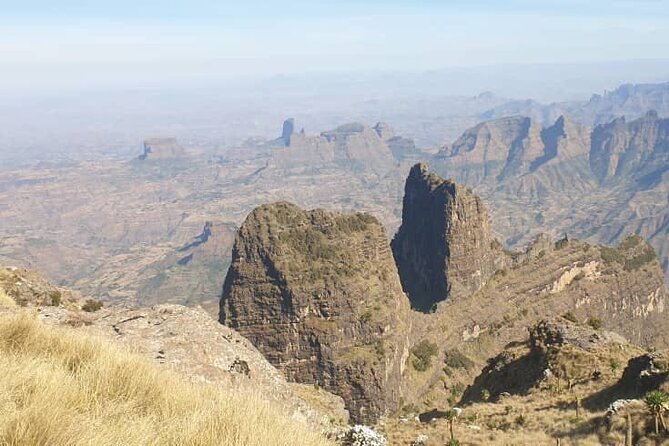
If you’re chasing Ethiopia’s dramatic scenery, the Simien Mountains deliver. The park is known for big peaks, plateaus, and deep valleys, and this itinerary is designed to move you through those features at a walking pace. You get the feel of the range without trying to do everything in one long grind.
What makes this trip especially practical is the “logistics first” approach. You start in Gondar, then the schedule includes time to handle permits and the obligatory scout before the first overnight camp. That matters because Simien isn’t just a casual hike—park rules and local procedures are part of the experience, and here they’re folded into the itinerary instead of becoming your problem.
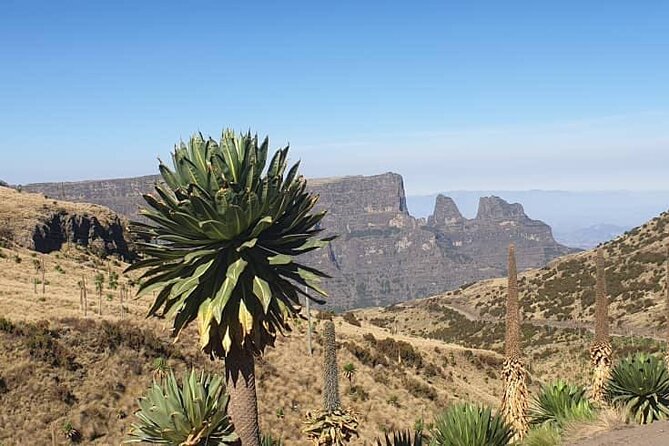
You’ll also like how the route isn’t only about distance. The walk choices point toward specific scenery moments: waterfall on day 2, giant lobelia near Geech, then the Imet Gogo promontory on day 3.
And yes, you’ll be at high elevation. That’s part of the point, but it means you should plan for slower breathing, cooler temperatures, and the chance of weather changes.
You can also read our reviews of more tours and experiences in Gonder.
Price and Logistics: Pickup, Permits, and a 15-Person Max
At $400 per person for 2 nights and 3 days, you’re not just paying for hiking boots and views. The price includes all entrance fees and taxes, accommodation, and a full set of meals (breakfast, lunch, dinner across the days), plus an English-speaking guide and scout. Alcohol isn’t included, but meals are—so you’re less likely to get surprised by daily costs.
Transport is also handled. You can get pickup, and you start at 8:00am in Gondar and finish back at the meeting point. There’s a drive segment each direction, so you’re not spending every morning “figuring out rides.”
One more thing I’d highlight: the group stays small, with a maximum of 15 travelers. That’s a good size for trekking days because you’re less likely to be separated into a messy line of strangers, and it’s easier for the guide to manage pace and safety.
Day 1: Gondar to Sankobar (First Trek Day at 3,250m)
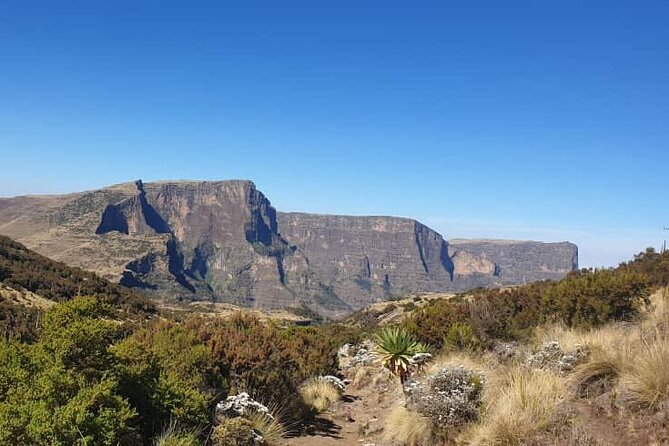
Day 1 begins with a drive from Gondar toward Debark, with about a 2–3 hour push to get you in position. Before you head out further, you’ll handle the essentials at the park headquarters—including a permit and collection of the obligatory scout. It’s not the most glamorous part of a trip, but it’s the kind of boring step that keeps everything smooth once you’re on the trail.
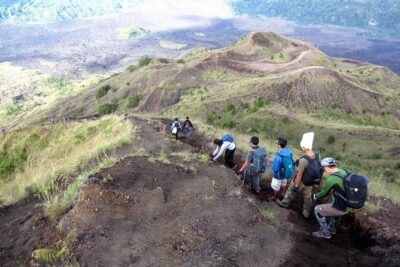
After that, you continue to Sankabar (around 3,250m) for your first overnight camp. Then the walking starts from Buytras (Simien Lodge). Expect roughly 3–4 hours on foot, depending on your pace and conditions.
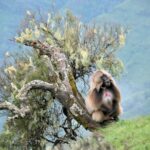
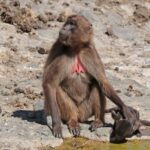
Why this day feels good: it’s a “gentle on-ramp” to the range. You’re already at elevation, but the trek window is shorter than day 2 and day 3. It’s also your best chance for an early wildlife moment. On this first walk, there’s a good chance to see Gelada baboons—and even if you don’t, you’ll still get that classic Simien feeling: open air, wide views, and stone-and-sky terrain that makes you keep looking up.
Potential drawback for day 1: if you’re sensitive to altitude, arriving and immediately walking can be a bit intense. The fix is simple: take it slow for the first hour, sip water often, and don’t try to “win” the hike.
Day 2: Jinbar Waterfall to Geech Village (Sunset Near Kedadit)
Day 2 is the big walking day. You start with a trek from Buytras onward through the Jinbar waterfall area, heading toward Geech. The total walk is roughly 5–7 hours, which means you’ll feel it in your legs by the afternoon.
The highlight here is the Jinbar waterfall route. You walk through a dramatic stretch, then descend toward the Jinbar Wenz, which feeds the waterfall. From there, there’s still some ascent remaining before you reach Geech village, and then you continue to the camp site slightly beyond.
The camp sits at about 3,600m and is described as having great mountain views. It also comes with something distinctive: giant lobelia plants. That’s the sort of small detail that can make your photos look different from every other ridge shot. Instead of only rock and sky, you get living shapes tied to the altitude zone.
Then comes one of the best payoff moments: Kedadit summit is nearby and is a top spot for sunset. This is worth aiming for because late light can make the valleys look deeper and the ridgelines sharper. And after a long trekking day, a planned sunset stop gives you a mental finish line.
The only real consideration on day 2 is timing and effort. This is the day most likely to feel long. Wear shoes that are already broken in, keep your layers ready for temperature swings, and don’t get too focused on speed—focus on steady steps.
Day 3: Imet Gogo Promontory Views and Lammergeier Vultures
Day 3 is a classic “view + wildlife” mix. You trek from Geech to the Imet Gogo promontory, described as one of the most spectacular viewpoints in the entire mountain range. This is one of those stops that turns the whole trip into a “worth it” moment, even if the previous days felt physically demanding.
As you move through the area, keep your eyes up. This is also one of the best days for lammergeier vultures. These birds don’t behave like backyard pigeons. If you see one, watch its motion and circle patterns instead of chasing it with your camera. Let it come to your viewpoint; it’s part of the show here.
After the promontory, you trek back toward the road near Ambaras, then meet the car for the drive back to Gondar. The walk time is about 4–5 hours, so day 3 has a more manageable feel compared with day 2.
Why this ending works: it gives you a strong visual memory before you hit the return drive. If you’ve been thinking the trip will be all effort and no payoff, this is where it flips.
Guides, Scouts, Lodges, and the Comfort Trade-Off
You’re getting an English-speaking guide and scout included, plus accommodation. The experience is also linked to the lodge options in the area—Simien Lodge and Limalimo Lodge—which matters because it gives you an alternative to purely camping-style trekking.
What you’ll likely notice is that this feels less like survival and more like a managed adventure. You still hike each day, but you’re not stuck improvising everything at night.
Food is handled too. Meals are vegan, and they’re also available based on health restrictions. That’s a big deal on a trekking route where vegetarian options can sometimes be limited. Here, you can plan your energy without guessing whether dinner will be “something edible.”
A small piece of “people value” comes through in the reviews. One reviewer specifically recommended asking for Tsehaynew because he seems to know more information than the others. I can’t promise he’ll be in your group, but if this company offers guide options for your departure, it’s a smart move to request him if you want extra context as you walk.
Customer support also stands out in the feedback for this company in general—people talk about service being strong and guides being available. For you, that likely means fewer headaches if something changes due to weather or timing.
What to Pack for Simien (So Your Feet Don’t Complain)
The itinerary doesn’t spell out a packing list, but it does give clear clues: high altitude, multi-hour trekking days, and overnight stays. So you’ll want to pack like it’s a real mountain trek, not a city stroll.
Here’s what I’d prioritize:
- Good trekking shoes with solid grip for uneven ground
- Layers for cold mornings and warmer afternoons
- Rain protection (because weather can affect the experience)
- A daypack for water and essentials during the long walking days
- Sunscreen and sunglasses for high-elevation glare
Also, keep your expectations honest. You’re going to be moving for hours each day. If you’re the type who hates sweat management or hates going slow, this trek may feel like a chore rather than a gift. If you’re okay with steady effort for big views, you’ll enjoy it.
Best Fit: Who This Trek Is For (and Who Might Want Another Option)
This trek suits you if you have moderate physical fitness and you want a guided route through one of Ethiopia’s most famous mountain regions. The days are long enough to feel like trekking, but the structure keeps it realistic: day 1 is shorter, day 2 is the hardest, day 3 is the payoff and return.
It’s also a good choice if you like wildlife on trails. You’re not guaranteed animals, but you’re walking in the right places for Gelada baboons early and lammergeier vultures later.
Where you might want a different kind of trip: if you’re expecting a fully easy hike, this likely won’t match. The combination of elevation and multi-hour walking is the whole point of Simien, and the itinerary reflects that. And if you’re sensitive to altitude, consider taking it slow from the start and asking your doctor if this type of height gain makes sense for you.
Should You Book This 2 Nights 3 Days Simien Mountain Trek?
Yes, if you want a guided, organized trekking experience with your main planning done for you—permits, scout, English support, meals, and lodging are handled. The value is strongest when you care about not juggling logistics and you’re okay investing effort for viewpoints and wildlife.
I’d lean toward booking if:
- you want real trekking days rather than a short walk
- you like structured itineraries with planned scenery stops
- vegan meals and dietary adjustments matter to you
- you’re traveling with a small group pace (max 15)
I’d hesitate only if:
- you’re not comfortable with high elevation and long walking days
- you need a strictly flexible schedule regardless of weather
If you match the fitness level and you’re prepared for mountain trekking, this is a great way to experience the Simien Mountains without turning your trip into a logistics project.
FAQ
How long is the trek?
It runs for 3 days with 2 nights on the itinerary.
What time does it start, and where does it end?
It starts at 8:00am in Gondar, Ethiopia, and the activity ends back at the same meeting point in Gondar.
What is included in the $400 price?
The price includes all entrance fees and taxes, an English-speaking guide and scout, accommodation, and breakfast, lunch, and dinner for the trip days. Alcohol drinks are not included.
Do I need a permit for the park?
Yes, a permit is obtained at the park headquarters as part of day 1. Entrance fees and taxes are included in the tour price.
Is this trek suitable for beginners?
The tour indicates travelers should have a moderate physical fitness level.
Are meals vegan or can they handle dietary restrictions?
Yes. Meals are provided as vegan food, and they can be based on health restrictions.