REVIEW · KAMPALA
3 Days Uganda Gorilla trek Safari Tour
Book on Viator →Operated by All Seasons Adventures UG · Bookable on Viator
Gorillas in the mist start before sunrise. This 3-day trip from Kampala to Bwindi Impenetrable Forest mixes serious gorilla trekking with a couple of stops that add real meaning: the Green Equator water test and a Batwa community visit in the forest area.
I like that the trek is built around clear rules and an hour with the gorillas once you find them. I also like the practical setup: you get pickups, ranger guidance, and meals included across the days.
One thing to weigh: the trek length isn’t fixed, and the day includes long drives (8–9 hours to Bwindi and about 9 hours back), so you need to be ready for early mornings and a physical walk.
In This Review
- Key things to know before you go
- Kampala to Bwindi: the long start that’s part of the adventure
- Green Equator stop: the short detour worth the photos
- Bwindi Impenetrable Forest: why this place matters for gorillas and birds
- Day 2 briefing at the park: rules that protect you and the gorillas
- Gorilla trek timing: expect 2 to 8 hours in real conditions
- The moment you find them: one hour with mountain gorillas
- Evening Batwa community walk: living memory from before the park
- Day 3 return to Kampala: plan for a late-afternoon finish
- Price and value: is $1,900 per person actually a fair deal?
- Who this tour suits best (and who should reconsider)
- Should you book this 3-day Bwindi gorilla trek tour?
- FAQ
- Where does the tour start in Kampala?
- What time does the tour start on Day 1?
- How long is the total tour, and when do you end?
- How long can the gorilla trekking take?
- How much time do you spend with the gorillas after you find them?
- Is there a briefing before gorilla tracking?
- Do you visit the Batwa community?
- What meals are included in the price?
- What is included and not included in the tour cost?
- What is the cancellation window?
Key things to know before you go

- Bwindi is a gorilla powerhouse: the park protects around 40% of the world’s mountain gorillas.
- Your gorilla time is planned: you get briefing rules first, then about one hour with the gorillas after they’re found.
- A Green Equator science stop: you can do the water-drain experiment and take photos by the equator line.
- Batwa community walk: you learn how the Batwa used to live in the forest before it became a national park.
- Guides matter: one praised guide named Khalid is highlighted for expertise and passion, which you’ll feel when you’re in the jungle.
Kampala to Bwindi: the long start that’s part of the adventure
This tour begins in Kampala with a 6:00 am start, and then you’re on the road for roughly 8–9 hours south-west toward Bwindi. It’s a big day of driving, but it also means you arrive with enough time to settle in and get ready for a proper early trek the next morning.
The itinerary also includes a lunch stop along the way, which helps you avoid the classic safari problem of running out of energy at the wrong time. You’re not just being transported; the day is paced so you can actually handle Day 2.
If you’re someone who hates rushing, set expectations now: the trip runs on early starts and tight timing. That’s not a flaw—it’s how gorilla trekking works.
You can also read our reviews of more tours and experiences in Kampala.
Green Equator stop: the short detour worth the photos
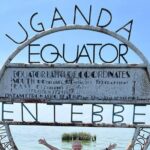
On Day 1, your driver guide stops at the Green Equator Masaka Rd area. You can stand in both hemispheres and take photos, which is fun enough on its own. The best part is the simple science demo: you’ll do a water test experiment showing how water drains differently depending on your position relative to the equator.
This is the kind of stop that makes the drive feel lighter. Instead of staring out the window for hours, you get a moment that’s memorable and different from typical roadside stops.
Practical tip: bring your phone camera fully charged. You’ll want it for equator photos, and later you’ll also want battery for jungle moments.
Bwindi Impenetrable Forest: why this place matters for gorillas and birds

Bwindi is not just “nice forest.” It’s a UNESCO World Heritage Site and widely recognized as one of the best places for mountain gorilla tracking. The park protects around 40% of the world’s remaining mountain gorilla population, and the forest includes several habituated gorilla groups, meaning they’re used to human presence enough for trekking experiences.
The forest itself is rugged and dense. You’re moving through a chain of ridges and valleys covered in thick vegetation, which is exactly what makes the gorilla habitat hard to access and special to experience. It also means the trek is unpredictable in pace.
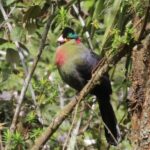
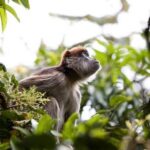
Bwindi also earns points for birding. The forest has 350 recorded bird species, including many Albertine Rift endemics. Even if you only came for gorillas, you’ll likely notice the forest is alive with sound and motion.
And there’s botanical bragging rights too: Bwindi has one of East Africa’s most diverse floras, with 10 tree species that don’t occur anywhere else in Uganda. If you like nature details, Bwindi gives you plenty to focus on while you’re waiting to find gorillas.
Day 2 briefing at the park: rules that protect you and the gorillas
Day 2 starts with an early breakfast at your lodge, then a drive to the park headquarters for a briefing around 8:00 am. This briefing is where you learn the rules that keep trekking safe and respectful. Gorilla tracking works only if everyone follows those instructions, because the animals are wild and the terrain is demanding.
After the briefing, you take your trekking gear, drinking water, and packed lunch to the starting point. Then you’re dropped off to begin the search with ranger guides in the thick jungle.
This part matters more than people think. When you understand the rules, you move with the right spacing, you don’t waste energy on confusion, and you’re less likely to panic when the forest gets quiet or heavy.
Gorilla trek timing: expect 2 to 8 hours in real conditions
The gorilla tracking itself can take between 2 and 8 hours, depending on where the gorillas move. That’s not marketing fluff—it’s the reality of tracking animals in dense forest.
Your first job is patience. You’ll be listening and moving through a jungle that feels busy with forest sounds. When you’re tired, you might wish the time felt shorter. But when you finally locate the gorillas, all that walking makes sense.
One helpful detail from real-world experience: a guide named Khalid has been praised for making the experience feel smooth and well paced. That kind of guidance is huge when the forest keeps you guessing, because a good guide helps you stay calm, watch your footing, and focus on what matters.
Wear and foot care matter a lot. Even though the tour doesn’t list shoe types, the trek happens in muddy, uneven conditions. Plan like you’ll be walking on slippery ground for hours.
The moment you find them: one hour with mountain gorillas
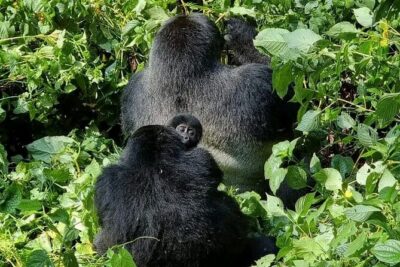
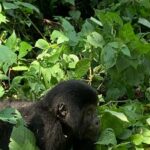
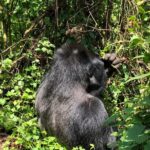
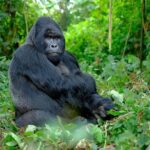
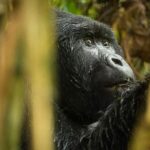
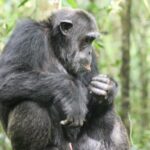
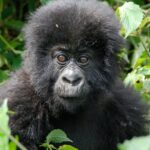
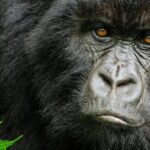
Once the gorillas are spotted, you’ll have one hour to stay with them. This is the centerpiece of the trip—your chance to observe, photograph (as allowed by local rules and your comfort), and just soak up the reality of seeing mountain gorillas up close.
That hour is exactly what makes this experience so powerful. It’s long enough to feel connected, but short enough to keep the encounter respectful. The forest gives you the drama—thick vegetation, misty light, and the slow movements of animals built for this environment.
From the experience reports shared with this tour, one traveler described the trek taking about two hours and getting close to the gorillas, with the full hour to engage and take photos. Your timing may be different, but the structure—find them, then one hour together—is the consistent highlight.
Photography tip: if you want steady photos, keep your stance stable and avoid rushing. Also, remember that you might be filming or shooting through leaves and branches depending on your angle.
Evening Batwa community walk: living memory from before the park
After lunch, you head into the evening for a community walk with the Batwa people. The Batwa are indigenous to the area and used to live in the Bwindi forest before it was gazetted as a national park.
This isn’t framed as a performance. It’s presented as a way to learn about Batwa life and culture as forest people—gatherers, hunters, warriors, and herbalists. Even if you don’t know much going in, the walk gives you context for why the forest isn’t only an animal habitat—it’s also a human home that changed over time.
The most useful way to do this visit is to ask practical questions and listen for details about daily life and survival knowledge. That’s where the experience becomes meaningful instead of generic.
Day 3 return to Kampala: plan for a late-afternoon finish
On Day 3, you leave Bwindi after breakfast and travel back to Kampala. The drive includes a lunch stop en route, and the tour ends in the late afternoon with a transfer back to your hotel.
Expect a tired day. After trekking and forest time, the road becomes your recovery. But it’s still long—about 9 hours—so it helps to bring something to stay comfortable during the drive.
When you reach Kampala, the tour finishes back at the meeting point, so you’re not stuck dealing with extra logistics at the end.
Price and value: is $1,900 per person actually a fair deal?
At $1,900 per person, the price isn’t “cheap,” but it can be good value depending on what you care about and what’s included.
Here’s what you’re getting that usually costs real money in gorilla destinations:
- Gorilla trekking permits included
- Community visit included
- Equator experiment stop included
- Breakfasts, lunches, and dinners included across the days
- Park access fees/entry listed as included through the tour flow (with admissions noted as included/free where applicable)
The tour also lists pickup offered, plus the ability to use a mobile ticket, which is handy when you’re juggling travel papers.
What’s not included is also clear: alcoholic beverages. So if you drink a lot at meals, you’ll need to budget separately.
The real “value question” is this: do you want your gorilla trek handled end-to-end with permits and guided structure included? If yes, $1,900 can make sense because the biggest parts of this trip are the permit and the guided trekking time, not just the transportation.
If you’re a super-budget traveler, you might compare costs yourself. But if you value a smoother experience with a planned schedule, this package is built for that.
Who this tour suits best (and who should reconsider)
This works well if you want a classic Bwindi gorilla trek in a short time window and you’re willing to handle early starts. The tour notes that most travelers can participate, which suggests it’s not limited to extreme athletes only.
It’s also a strong fit if you want more than gorillas. The Batwa walk adds cultural context, and the equator stop breaks up the drive in a way that doesn’t feel like filler.
Who should think twice:
- If long driving days stress you out, the Kampala–Bwindi and return drives are substantial.
- If you dislike uncertainty, note that the gorilla trek can take 2–8 hours depending on where the gorillas go.
- If you need a fully non-strenuous plan, you should be honest with yourself about jungle walking. This is trekking, not a scenic ride.
Should you book this 3-day Bwindi gorilla trek tour?
I’d book it if you’re aiming for the heart of Uganda safari: mountain gorillas in Bwindi, structured trekking with ranger support, and a cultural add-on that connects the forest to real people like the Batwa. The biggest strengths here are the permit-backed setup and the way the tour schedules your day so you actually get to the gorillas and spend meaningful time with them.
I’d hesitate if you hate long travel days or if you get anxious when plans shift with animal movement. That unpredictability is part of the experience.
If you do book, bring focus: comfortable shoes, patience, and a camera that’s ready. This trip rewards people who can slow down.
FAQ
Where does the tour start in Kampala?
The tour starts at Uganda National Mosque, Old Kampala Rd, Kampala, Uganda.
What time does the tour start on Day 1?
Pickup starts at 6:00 am.
How long is the total tour, and when do you end?
The tour runs for about 3 days and returns to Kampala in the late afternoon on Day 3, ending back at the meeting point.
How long can the gorilla trekking take?
The gorilla trek can take between 2 and 8 hours, depending on the gorillas’ movement.
How much time do you spend with the gorillas after you find them?
Once the gorillas are located, you have one hour to stay with them.
Is there a briefing before gorilla tracking?
Yes. You go to the park headquarters for a briefing about gorilla tracking rules, around 8:00 am.
Do you visit the Batwa community?
Yes. There is an evening community walk with the Batwa people, focusing on their life and culture in the forest before the area became a national park.
What meals are included in the price?
The tour includes breakfast (2), lunch (3), and dinner (2).
What is included and not included in the tour cost?
Included are gorilla trekking permits, community visit, equator experiment, and the meals listed above. Alcoholic beverages are not included.
What is the cancellation window?
You can cancel for a full refund up to 24 hours before the experience’s start time. If you cancel less than 24 hours before, the amount paid is not refunded.