REVIEW · CUSCO
Salkantay Trek: 5 Days to Machu Picchu
Book on Viator →Operated by Tierras Vivas · Bookable on Viator
Crowd-free views start before sunrise. This Salkantay Trek runs the scenic, high-altitude route toward Machu Picchu without the Inca Trail crowds, with guided stops at places like Humantay Lake and the Abra Salkantay pass. The small group setup (max 12) also keeps your day from feeling like a long line of headlamps.
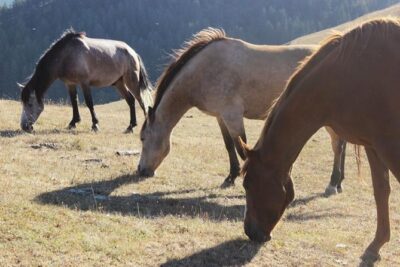
I also love how much the operator takes off your plate. You get a professional bilingual guide, a cook, and real campsite comfort gear like a sleeping bag (good to -5°C), a pillow, and an inflatable mattress, plus horses to carry food and camping stuff. The one real consideration: the first two days include big altitude and steep ups and downs, so take it slow and plan for altitude safety and tired legs.
In This Review
- Key things to know before you go
- The Salkantay Trek: why it’s such a smart alternative
- Price and value: what the $909 covers (and why it can be worth it)
- Day 1: Cusco at 4:30 a.m. and Humantay Lagoon’s first punch
- Day 2: the Abra Salkantay pass and the brutal-to-beautiful switch
- Day 3: Santa Teresa’s jungle hike and the plant-life payoff
- Day 4: the Hydroelectric walk, Aguas Calientes settling, and Machu Picchu prep
- Day 5: Machu Picchu at an early hour and your guided citadel walk
- The crew and the food: where this trek gets its confidence
- Logistics that matter: transfers, tickets, and what to pack
- Who this trek is perfect for (and who should think twice)
- Should you book Salkantay Trek to Machu Picchu?
- FAQ
- What’s the meeting point and start time for the trek?
- How long is the Salkantay trek and when do you arrive back in Cusco?
- Is pickup included?
- What level of fitness do I need?
- Does the price include meals and camping?
- What if I’m vegetarian?
- Are hot springs included?
- Are tickets for Huayna Picchu included?
- How do transfers work on the Machu Picchu day?
- Is there a limit on group size and age?
Key things to know before you go
- Small-group pacing: max 12 hikers, with a guide who can adjust when someone slows down.
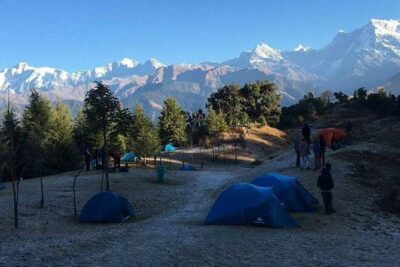
- Real camping comfort: tents, sleeping bag, inflatable mattress, blanket, pillow, and even hiking poles are included.
- A tough high pass early: Day 2 pushes up to the Abra Salkantay area (around 4,650 m).
- Two very different worlds: glacier views on Day 2, then jungle plants and coffee country on Day 3.
- Machu Picchu timing matters: you start very early for the guided citadel visit and photos before the busiest stretch.
- Hot-springs choice is optional: you can swap soaking in Cocalmayo thermal baths for other cultural time, but entry tickets aren’t included.
The Salkantay Trek: why it’s such a smart alternative
If your mental picture of Peru is Inca Trail crowds, the Salkantay route feels like a pressure release. You still get the big signature payoff—crossing dramatic Andean terrain and finishing with a guided visit to Machu Picchu—but the experience is spread out across quieter trail days and different ecosystems.
The route also makes sense physically. Day 1 eases you in with the hike toward Soraypampa and a highlight stop at Humantay Lagoon, then Day 2 is where the high pass challenge hits. After that, the trip changes gears. Day 3 drops into a jungle zone where the world turns from thin air and snow-capped views to coffee plantations, orchids, bromeliads, and plants used for natural medicine.
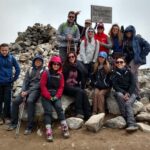
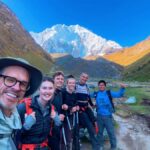
One more practical win: the group stays small. With max 12 hikers, you’re less likely to feel like you’re just following a moving mass. In the reviews, guides like Carlos, Nico, Juan de Dios, Diego, and Dan show up repeatedly for their organization and upbeat guidance—exactly what you want when the trail is steep and you’re trying to conserve energy.
You can also read our reviews of more tours and experiences in Cusco.
Price and value: what the $909 covers (and why it can be worth it)
At $909, this trek isn’t a budget bargain, but it also isn’t a stripped-down hike. The value comes from how many moving parts are handled for you:
- Your bilingual guide and professional cook
- Campsites for 3 nights plus a hotel in Machu Picchu
- Most meals (4 breakfasts, 4 lunches, 4 dinners, plus afternoon hot beverages; vegetarian is available at no extra cost)
- Transfers that matter: private bus from Cusco to the trail head early on, plus the train from Aguas Calientes to Ollantaytambo and the bus back to Cusco
- Camping systems that remove a lot of uncertainty: tents, sleeping bag, inflatable mattress, pillow, duffel bag, and even hiking poles
What’s not included is also clear, and that’s important for budgeting. You’ll likely spend extra on:
- Huayna Picchu entrance (optional)
- The shuttle between Machu Picchu and Aguas Calientes ($12 one way / $24 round trip)
- Thermal bath entry in Cocalmayo (if you choose that soak)
So the “real” cost isn’t only the trek price. It’s also the few add-ons you might want on the Machu Picchu and hot-springs days. Still, compared to piecing everything together yourself, this package is built to keep logistics from stealing your energy.
Day 1: Cusco at 4:30 a.m. and Humantay Lagoon’s first punch
Your morning starts hard: pickup around 4:30 a.m. from the Plaza de Armas area in Cusco. From there, you ride in a tourist bus through towns like Izcuchaca and Limatambo, stopping at Mollepata (around 2,900 m) by about 7:30 a.m. This is your first break for breakfast, and it’s also where you hand off up to 5 kilos of personal items to be carried by muleteers.
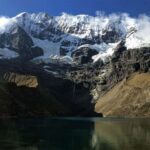
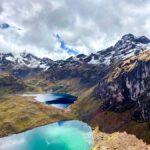
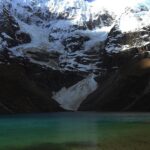
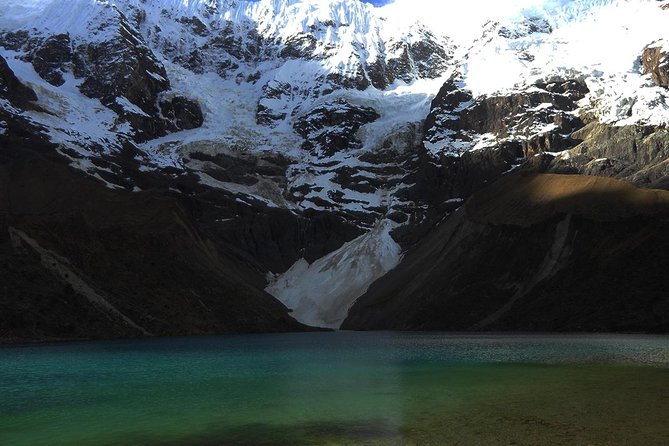
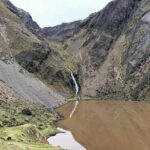
Then you take a transport to Challacancha (around 3,380 m), and the walking begins. The hike to Soraypampa (around 3,900 m) takes about 3 hours, and you arrive around 1:30 p.m. for lunch. After lunch, you visit Humantay Lagoon—one of those places where you see why the Andes draw artists and photographers.
What makes Day 1 valuable is the pacing. You get your altitude early, but you’re not forced into the hardest climb on Day 1. You also end with a return to camp to rest, which matters because Day 2 starts with a 5:00 a.m. breakfast.
A small but helpful note for your comfort: your first water guidance is different than later days. Water is provided daily, but the plan excludes the first part of the trek, so you should expect to carry your own supplies early on.
Day 2: the Abra Salkantay pass and the brutal-to-beautiful switch
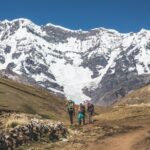
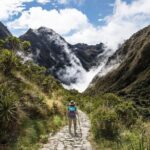
Day 2 is the classic “this is why I came” day. Breakfast starts at about 5:00 a.m., and you hike from Soraypampa toward the high point area around Abra Salkantay (up to about 4,650 m).
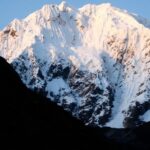
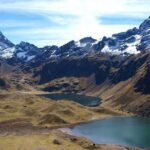
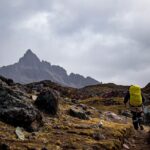
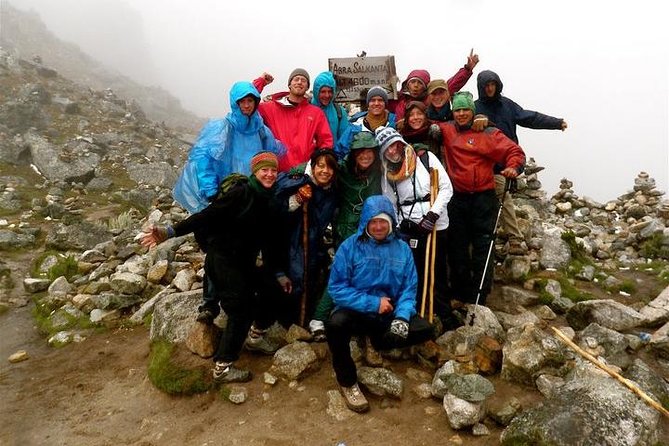
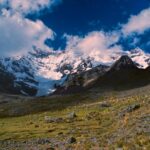
The timing is steady but long. The climb segment is about 3 hours up to the pass area, where the views take over—snowfalls and the imposing Salkantay region, plus surrounding peaks you’ll hear named on the route (like Humantay, Tucarhuay, and Pumasillo). You pass through Salkantaypampa and Soyrococha, including a small lagoon moment where the air feels thinner and the horizon looks sharper.
Then comes the big change: descent. You work down toward Huayracmachay (around 3,800 m), eat lunch there, and keep dropping toward Chaullay (around 2,900 m) for camp.
This day is where people feel the altitude and the legs. In one review, a hiker mentioned steep descents being tough on their knees and that the guide worked with them to modify the journey, including renting horses along the way. That’s a key benefit of having a real guide and a crew on the ground: you’re not forced to suffer through pain to keep the pace.
If you’re fitness-focused, go slow on the climb. Save your real push for after you’re warmed up. And if you’re worried about altitude, bring your medication as advised by your doctor and follow your own limits.
Day 3: Santa Teresa’s jungle hike and the plant-life payoff
Day 3 is where the trek stops feeling like just “mountain hiking” and turns into something more varied. Breakfast is at 6:00 a.m., and you set off on a jungle eyebrow trail with level ups and downs—still demanding, but more forgiving than the big high-pass day.
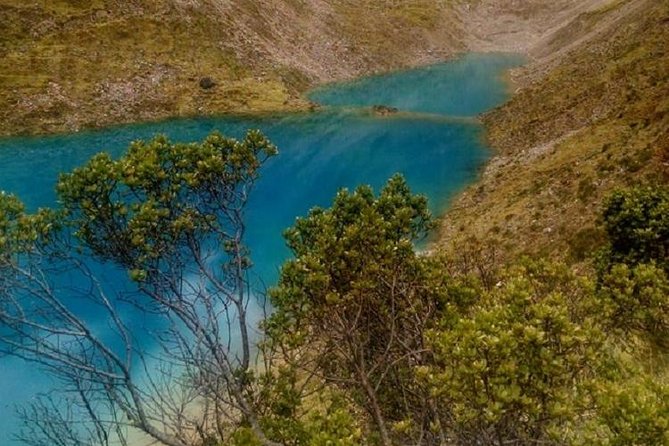
This is the day you notice the shift in plants and smells. You’ll walk past coffee plantations, orchids, bromeliads, and multiple natural plants used for traditional medicine. It’s not just scenic trivia. It helps you understand why the route works: you’re crossing the Andes toward the warmer Amazon-side climate.
You’ll hike toward Playa Sahuayaco for lunch, then board included transport from that lunch point to Santa Teresa for camp.
Here’s the choice point: once you’re settled, you can opt to visit the thermal baths in Cocalmayo. The plan says the entrance ticket for the baths isn’t included, so treat it as an add-on if you want the soak. Either way, you return to camp for tea and dinner, and you’re ready to plan your last day itinerary with your guide.
If you’re travel-wary about insects: jungle days often mean mosquitoes. One review even warned about mosquitoes hitting around Day 3. Pack the basics (repellent and long layers) if you know you react.
Day 4: the Hydroelectric walk, Aguas Calientes settling, and Machu Picchu prep
Day 4 starts in a tropical zone with a sunrise breakfast. You head toward Hydroelectric, and you’ll eat lunch at a restaurant in the Hydroelectric area. After that, you walk through the tropical zone toward Aguas Calientes (the base town for Machu Picchu), then check into your hostel.
At around 6:30 p.m., you have dinner with the guide and prep for Day 5. This matters more than people think. Machu Picchu visits depend on timing, routes up and down, and train/bus coordination. Having your guide line it all up ahead of time reduces that last-day stress.
The best part of Day 4 is psychological: you go from exhausting hiking to a place where you can shower, sleep indoors, and stop thinking about every step. It’s also the last full day before the citadel.
Day 5: Machu Picchu at an early hour and your guided citadel walk
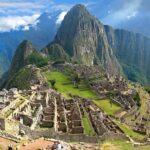
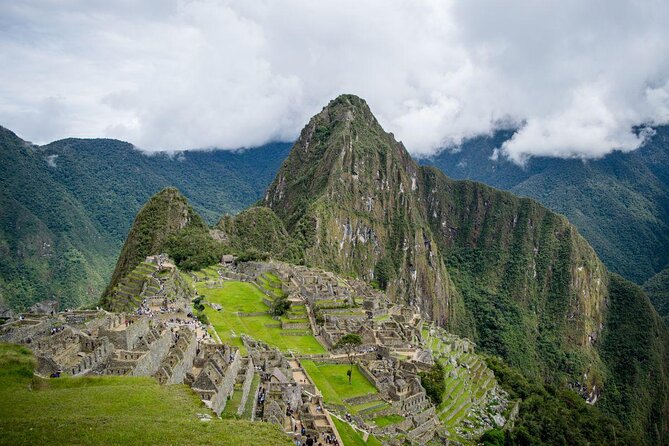
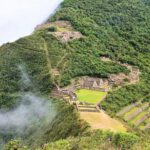
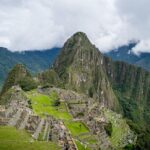
The big finale begins very early. You wake up early, and then you go to Machu Picchu for a guided tour of the citadel, including temples, terraces, palaces, and platforms. You also get time afterward for pictures and exploring on your own.
This is where you should care about one detail: how the day ends. You descend from Machu Picchu to Aguas Calientes, then take the train back to Ollantaytambo, where a representative waits for you and transfers you back to Cusco.
One extra cost can pop up here. The shuttle bus between Machu Picchu and Aguas Calientes is listed as not included ($12 one way / $24 round trip). Depending on the exact down-route you use and the day’s setup, budget for it if it applies to your plan.
In a review, a group noted they arrived at Machu Picchu first, which is the kind of small timing advantage you feel instantly—less crowd pressure while you’re taking in the first views.
The crew and the food: where this trek gets its confidence
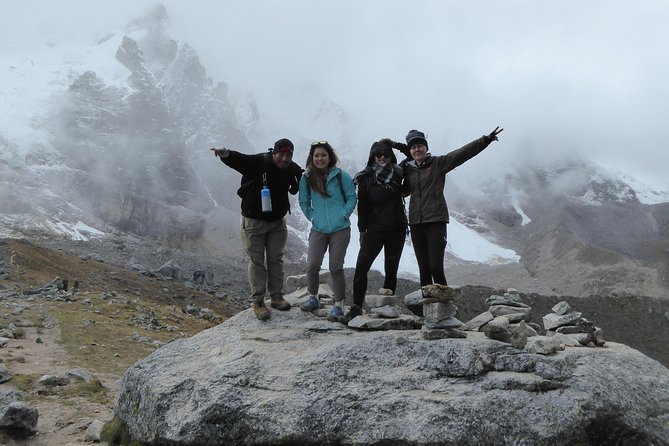
A trek lives or dies by its crew. Here, the support system is one of the strongest selling points.
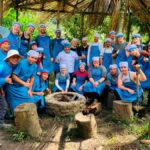
You’re assigned a professional bilingual guide and a professional cook. Multiple reviews praise the food quality, with chefs described as extremely skilled and even entertaining. One review highlighted that Leoncio was like a magician in the kitchen, surprising the group with delicious meals. Another praised guides like Nico for going above and beyond and described the chef’s performance as consistently excellent.
The food isn’t only about taste; it’s also timing and reliability. Your schedule includes breakfasts, lunches, and dinners that keep you moving. You also get afternoon hot beverages, which is a small thing until you’re freezing at altitude and suddenly it feels like someone turned the volume down on the cold.
You also get a safety layer: there’s an emergency horse available if someone is ill or slower. That doesn’t remove the need for sensible pacing, but it’s a real comfort if you’re worried about how the day will unfold for your body.
Logistics that matter: transfers, tickets, and what to pack
This package tries to remove the “check Google Maps while your legs are burning” problem.
Included logistics:
- Pre-trek briefing the day before, with a guide visiting your hotel
- Early private bus transfer from Cusco to the trail head
- Train Aguas Calientes → Ollantaytambo
- Tourist bus Ollantaytambo → Cusco
- Tourist bus shuttles within the chain as described in the route plan (Machu Picchu down-shuttle is the part called out separately as not included)
What you should pack:
- Altitude readiness: plan for altitude sickness prevention and bring any meds your doctor advises
- Light rain protection and layers (you’ll climb high and then shift into warm areas)
- Insect protection for later days (especially around the jungle segment)
- A small daypack for water and essentials early on; the first hours exclude provided water
Also note the weight system. Horses carry food and camping gear, and you hand off up to 7 kg of your belongings to be transported (the plan states 7 kg per passenger for carry). You’ll still want to travel light.
Who this trek is perfect for (and who should think twice)
This is a strong match for hikers who want:
- A classic Machu Picchu finish without the Inca Trail congestion
- A guided experience with real camping support
- A mix of ecosystems: glacier views, pass crossings, and jungle plant life
- A small group that stays manageable (max 12)
It’s less ideal if you want a gentle vacation. This is still a hike. Day 2 is physically demanding, and the steep descents can be hard on knees. If you have concerns, ask how they handle pacing changes and whether horse support is possible for your situation.
If you’re new to hiking, you can still do it, but you should enter with realistic expectations about altitude and the early starts.
Should you book Salkantay Trek to Machu Picchu?
I’d book this if you want the big payoff—Machu Picchu with a guided citadel visit—and you’d rather earn it on a route that feels less crowded and more varied day to day. The combo of included camping comfort, trained guide support, and the way Day 5 is set up for early entrance makes it a confident choice.
Skip it (or pick a different plan) if you’re looking for an easy stroll or if you know altitude and steep trails are a hard no for your body. Also consider your budget for add-ons like Huayna Picchu and the Machu Picchu-to-Aguas Calientes shuttle, plus any thermal bath entrance if you choose that soak.
If you’re ready for a real trek with strong support, this one is the kind of Peru trip you remember for the terrain changes as much as for the final view.
FAQ
What’s the meeting point and start time for the trek?
You meet at Plaza de Armas de Cusco (Del Medio 123, Cusco 08000, Peru) and the start time is 4:30 a.m.
How long is the Salkantay trek and when do you arrive back in Cusco?
The trek is about 5 days. On the final day, you take the train from Aguas Calientes to Ollantaytambo and then a transfer back to Cusco.
Is pickup included?
Yes. Pickup is offered, and your driver will drop you off in your hotel.
What level of fitness do I need?
The tour is for people with moderate physical fitness. The trek includes steep ascents and descents, especially early in the hike.
Does the price include meals and camping?
Yes. Meals include 4 breakfasts, 4 lunches, 4 dinners, and afternoon hot beverages, and you get campsite accommodations for 3 nights plus a hotel in Machu Picchu. Camping gear and comfort items are also included.
What if I’m vegetarian?
You can choose a vegetarian option at no extra cost. Let the operator know in advance.
Are hot springs included?
There is an option to visit thermal baths in Cocalmayo on Day 3, but the entrance ticket is not included.
Are tickets for Huayna Picchu included?
No. Huayna Picchu entrance is listed as not included (about U$25).
How do transfers work on the Machu Picchu day?
You visit Machu Picchu with a guided tour, then descend to Aguas Calientes. You then take the train to Ollantaytambo (included) and the bus back to Cusco (included). The shuttle between Machu Picchu and Aguas Calientes town is not included.
Is there a limit on group size and age?
The maximum group size is 12 travelers, and the minimum age is 4 years.