REVIEW · CUSCO
Choquequirao Trek 4 days and 3 nights
Book on Viator →Operated by TreXperience · Bookable on Viator
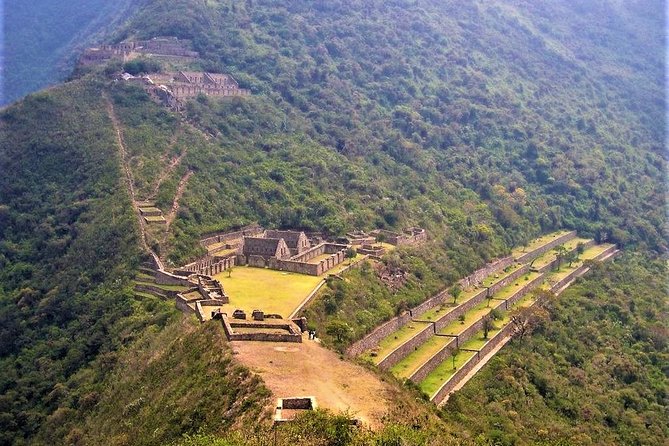
Choquequirao rewards early starts and steady legs. This 4-day, 3-night trek from Cusco gets you down into the Apurímac canyon world and back up again, with small-group support and an honest sense of space once you reach the ruins. You’re not just doing a hike—you’re moving through high Andes air, cloud-forest edges, and Inca stonework at a pace that feels human.
I especially like the hassle-free transfers and the way the trip is set up so you’re not figuring things out at dawn. I also like the fact that you’re not hiking totally alone: you have a guide, a chef, and a porter system (including a personal porter for up to 7 kg), which makes the tough parts feel doable. The main drawback is simple: even with support, the schedule includes long downhill days and at least one big uphill finish, so you’ll want truly moderate fitness and good trekking habits.
In This Review
- Key things that make this trek worth your time
- Why Choquequirao feels different than a check-the-box ruin
- Getting to the trail: Cusco pickup, the 4:30 am start, and why it matters
- Day-by-day trek breakdown: Capuliyoc, Santa Rosa, Chiquiska, and the approach
- Day 1: Capuliyoc downhill to Santa Rosa, with Apurímac first views
- Day 2: Another day into the valley toward Marampata and the Choquequirao approach
- Day 3: Sunrise at Choquequirao, then a long day of descents and a final pull
- Day 4: Capuliyoc uphill, then Saywite before your 5 pm drop
- The support system: guides, chefs, and porters that keep you walking
- Your guide: pacing plus context
- The chef: meals that make multi-day hiking feel civilized
- Porters and mule/horse support: the weight math
- The itinerary’s difficulty: moderate, but not casual
- Price and value: what $698 buys you beyond the hiking
- Who should book this trek, and who should rethink it
- You’ll likely love it if you want
- You should think twice if…
- Book it or skip it? My honest take
- FAQ
- What time do we start in Cusco?
- How long is the trek, and how many days is it?
- Is group size limited?
- What meals are included?
- Do I need my own sleeping bag or trekking poles?
- Can I request a vegetarian meal?
- Is there porter support?
- Are admission tickets included?
- What documents do I need?
- What if the trek is canceled due to weather or low group size, or I need to cancel?
Key things that make this trek worth your time
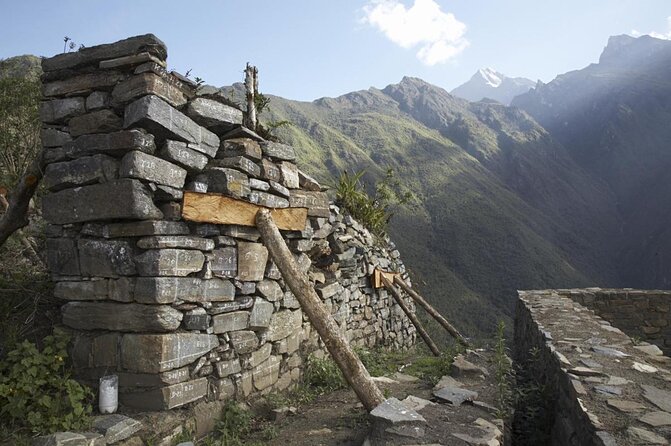
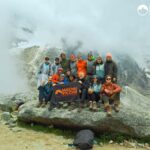
- Small-group feel: limited to 12 travelers in the overview, with a maximum cap of 16 in the operator’s info
- Chef-run meals at camp: breakfasts, lunches, and dinners prepared for you during the trek
- Your pack stays manageable: a personal porter carries your personal items up to 7 kg
- Real Choquequirao time: sunrise and daytime exploring when you’re not stuck in a crowd
- Apurímac canyon views early on: you start seeing this massive canyon from the first big descent
- Saywite on the last day: an archaeological stop after the uphill return to Capuliyoc
Why Choquequirao feels different than a check-the-box ruin
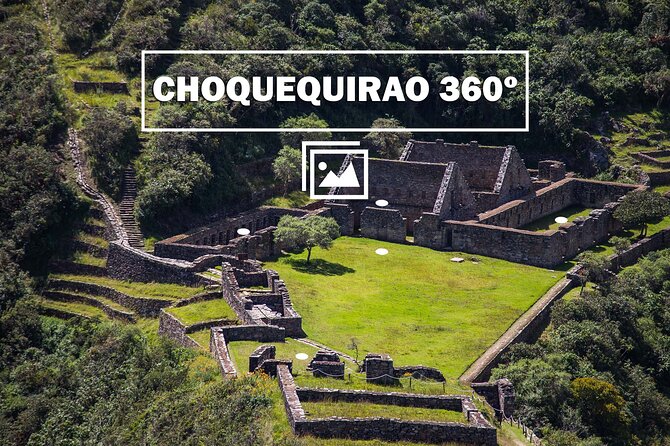
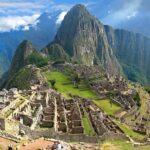
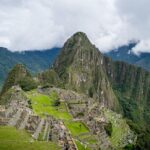
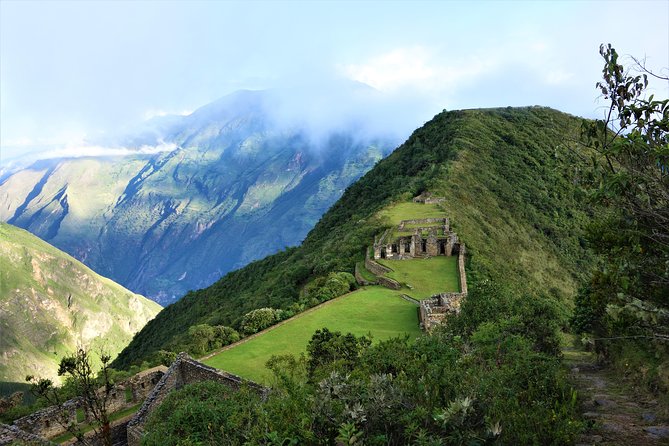
Choquequirao is the kind of place that makes you lower your voice. Part of that is physical: you earn your way down into the canyon and then back up, so you arrive with the right mindset. Part of it is timing: you’re set up to see Choquequirao at sunrise on Day 3, when the light hits the stone and everything feels calmer.
What makes this trek practical is that you don’t need to be an expedition planner to enjoy it. You get round-trip transportation from your Cusco hotel (or the airport), plus a pre-departure briefing the night before at 6:00 pm. That matters because the biggest mistake people make on multi-day hikes is arriving mentally unprepared for cold mornings, steep steps, and the rhythm of long days.
You also get a guided historical and archaeological lens, which helps you understand what you’re seeing once Choquequirao comes into view. In past departures, guides such as Elias, Sebastian, Abelardo, and Eddie have been praised for mixing practical trekking help with Inca and Quechua cultural context—exactly what you want when the ruins are stunning but not self-explanatory.
You can also read our reviews of more tours and experiences in Cusco.
Getting to the trail: Cusco pickup, the 4:30 am start, and why it matters
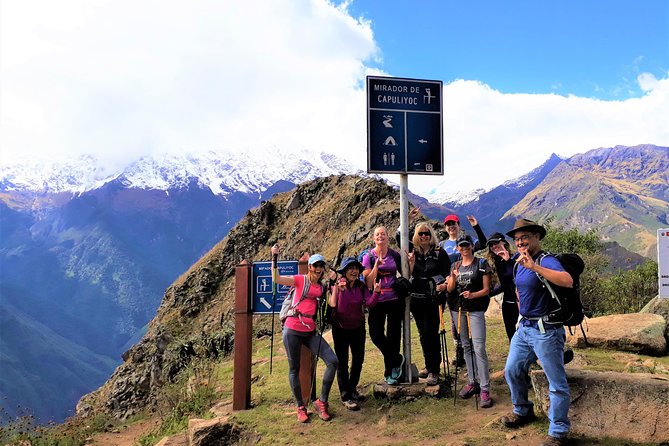
The trip begins fast. You’ll start from Cusco between 4:30 am and 5:00 am, with driving across the Andes toward Capuliyoc. The schedule calls for breakfast around 8:30 am at Capuliyoc, then you begin your downhill trek.
That early departure isn’t just for show. It buys you:
- Cooler hiking temperatures (morning air at higher elevations can be crisp)
- More daylight to enjoy viewpoints instead of rushing
- A calmer feel as you work your way toward the canyon and the Inca sites
Also, you’re not stuck with a long solo logistics chain. The package includes transportation from start to finish, and that reduces the stress that can drain enjoyment before the hike even begins.
Day-by-day trek breakdown: Capuliyoc, Santa Rosa, Chiquiska, and the approach
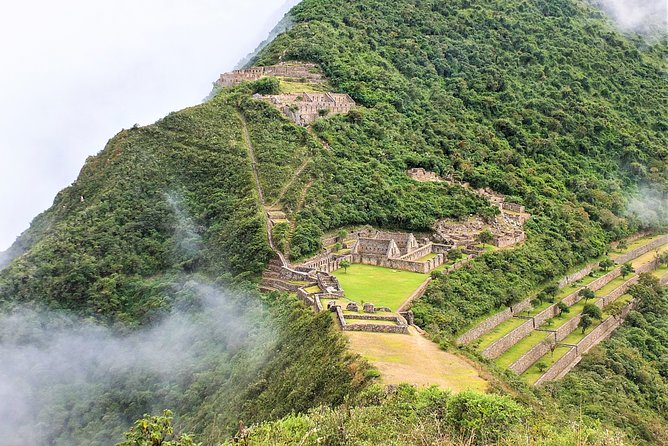
Below is how I’d think about each day on a map. The exact pace is guided by conditions, but the structure stays consistent: morning start, meal stops, camp nights, and a mix of downhill and uphill work.
Day 1: Capuliyoc downhill to Santa Rosa, with Apurímac first views
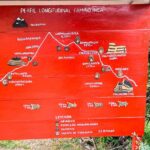
You begin with a drive from Cusco to Capuliyoc, then breakfast and a trek downhill. The day is described as a 4-hour downhill from Capuliyoc (9,550 ft / 2,911 m) to lunch at Chiquiska (1,893 m / 6,210 ft).
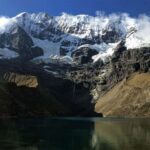
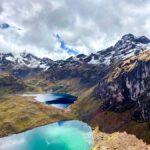
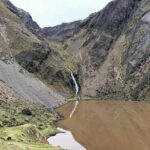
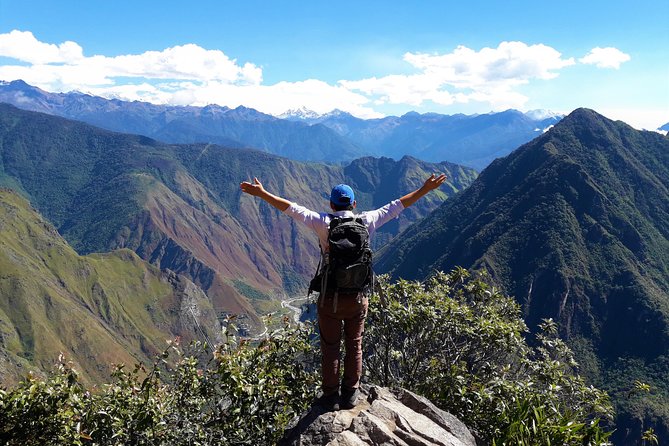
Along the way, you get some of the first big drama: views over the Apurímac canyon, described as one of the deepest in Peru. This is where the scenery shifts from highland terrain toward cloud-forest vegetation, so the hike feels varied instead of monotonous.
After lunch, you continue downhill for about 2 more hours to camp at Santa Rosa (1,478 m / 4,849 ft). Distance is listed around 10.8 km (6.7 miles) with about 6 hours of hiking time, and the difficulty is labeled moderate. You’re starting your trip with a meaningful descent, which is why Day 1 tends to feel both scenic and pleasantly intense.
What to watch: downhill days test your quads. If your shoes aren’t well broken-in, this is where you’ll notice.
Day 2: Another day into the valley toward Marampata and the Choquequirao approach
Day 2 is framed around Marampata and the way toward Choquequirao. The schedule keeps a moderate hiking rhythm: a day that again totals about 10.8 km (6.7 miles) and roughly 6 hours of hiking time.
Even if you don’t get a new kind of elevation every hour, you’ll feel this day as part of the bigger transition: you’re moving deeper into the canyon world. The itinerary structure also keeps camp consistent, with a night at Santa Rosa (1,478 m / 4,849 ft).
Why this matters: Choquequirao isn’t just a destination. The trek is the lead-up. Day 2 is the day when you usually start to feel acclimated to the walking pace and stop thinking of the hike as a single event.
Day 3: Sunrise at Choquequirao, then a long day of descents and a final pull
This is the signature day. You wake up watching sunrise at Choquequirao, then eat breakfast and start hiking again.
The day’s rhythm is longer and more complex:
- A 3-hour downhill to lunch at Santa Rosa (2,230 m / 7,300 ft)
- Then 2 hours downhill
- Then 2 hours uphill to reach camp at Chiquiska (1,800 m / 5,905 ft)
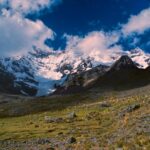
Total hiking time is listed around 8 hours for about 8 km (11.32 miles). The highest elevation crossed is listed at about 3,100 m / 9,300 ft. Difficulty is moderate, but the day still asks for steady effort—this is where you earn the morning you’ll remember.
Chiquiska camp is described as a place to enjoy surrounding nature: hundreds of flowers, birds, and distant waterfalls. Even if that sounds poetic, it tracks with how these canyon-and-cloud-forest routes tend to feel: you camp and the world feels alive, not empty.
Day 4: Capuliyoc uphill, then Saywite before your 5 pm drop
Your last day starts with breakfast and then a 4-hour trek uphill to Capuliyoc, where you’ll have lunch. After that, you transfer privately to Saywite, described as a mysterious rock.
You’ll have time to explore Saywite before drop-off back in Cusco around 5:00 pm. The day is listed as 8 km (11.32 miles) with about 8 hours hiking time, and the highest elevation crossed is around 2,850 m / 9,407 ft.
The main idea: this is a finishing climb day, so the work is not over once you reach Choquequirao. You’ll need that last reserve of energy, but you also get the reward of a final archaeological stop without turning your final afternoon into a scramble.
The support system: guides, chefs, and porters that keep you walking
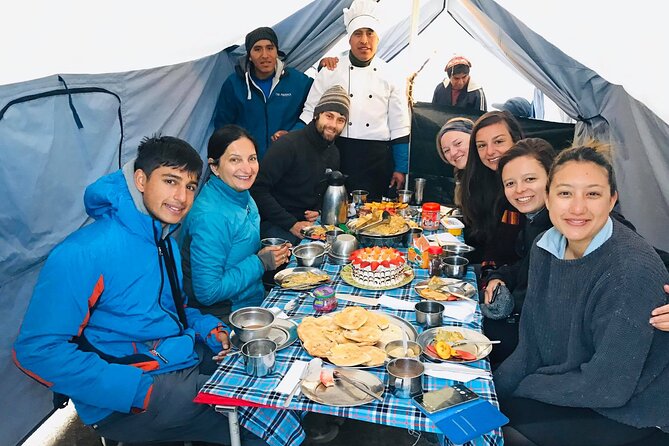
This trek is built around people doing their jobs well.
Your guide: pacing plus context
The tour includes professional English-speaking tour guides. That matters because Choquequirao is visually stunning, but it’s even better when you can connect what you see to how the Incas built, lived, and organized sacred spaces.
From previous experiences with guides such as Elias, Pepe, Renato, and Eddie, the pattern is consistent: you get patient support on steep bits and enough archaeology and culture context to make the ruins click. If you tend to get quiet on steep trails, don’t worry. A good guide keeps things moving and explains what’s worth noticing without turning the hike into a classroom.
The chef: meals that make multi-day hiking feel civilized
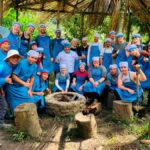
This is where this trek often wins people over. Meals are included: 4 breakfasts, 4 lunches, and 3 dinners, prepared by the chef.
In multiple accounts, chefs like Leandro, Oscar, Chef Valvino, Julio Cesar, Lucio, and Balbino have been praised for producing meals that people genuinely looked forward to. The big practical win is variety and cleanliness at camp, which helps when you’re eating after a long walk and your body just needs steady fuel.
Also, there’s a vegetarian option if you advise in advance, along with instructions to share any dietary needs. For me, that’s a make-or-break detail on treks. You don’t want to spend days translating hunger into grumpiness.
Porters and mule/horse support: the weight math
The package includes a personal porter for your personal staff up to 7 kg. That’s huge. You’ll still carry a daypack, but you avoid the worst version of “why did I bring that” as your body starts to fatigue.
Some teams also involve mule masters (for example, Boris is mentioned in prior trips) who help manage gear movement from camp to camp. Even if you don’t think about it during the hike, that behind-the-scenes logistics makes the route feel more graceful.
The itinerary’s difficulty: moderate, but not casual
The operator labels the hiking difficulty as moderate across the days, and that’s consistent with the mix of:
- Long-ish hiking blocks (about 6 hours on Days 1–2)
- A longer Day 3 (about 8 hours with uphill work)
- A final uphill on Day 4 that ends your trip with a climb
What makes it manageable is the support structure: chef meals, camp nights, and porter help. What makes it challenging is simple physics. You are walking at high elevation, descending for hours, then later climbing again.
If you want a quick self-check, ask yourself:
- Can you hike 6–8 hours at a steady pace?
- Can you handle many downhill steps without your knees complaining?
- Are you comfortable with early mornings and cold start air?
If yes, this should feel rewarding. If not, you might finish the trek but feel constantly behind.
Price and value: what $698 buys you beyond the hiking
At $698 per person, the key is what’s included, because a Choquequirao trek can get expensive fast once you price out the real components.
Here’s what you’re paying for in practical terms:
- Transportation from your hotel (or airport) to the trail and back
- Pre-departure briefing at 6:00 pm
- Professional English-speaking guides
- Chef-prepared meals during the trek (breakfast/lunch/dinner as listed)
- Personal porter support up to 7 kg
- Admission tickets included on the hike days
- A small-group experience
So the value isn’t just that you’re going somewhere famous. It’s that the trip removes the biggest friction points: logistics, meal planning, and pack weight. You still do the hard part—walking—but you’re not stuck managing everything else.
Who should book this trek, and who should rethink it
You’ll likely love it if you want
- A small-group feel (12 in the overview; capped at 16 in the operator info)
- A guided visit that helps you understand Choquequirao and its setting
- Good food at camp rather than just survival snacks
- Time at Choquequirao when it’s not packed and you can take in the place slowly
You should think twice if…
- You have trouble on steep uphills or long downhill stepwork
- You don’t handle early mornings well (the start is 4:30 am–5:00 am)
- You’re not comfortable carrying a daypack even with porter help
If your goal is a fully cushy hotel trip, this isn’t it. If your goal is an honest Andes trek with real Inca ruins and support, this fits.
Book it or skip it? My honest take
I’d book this if you want Choquequirao without the chaos. The combo of small group size, early departures, chef-driven camp meals, and porter support for up to 7 kg makes the physical challenge more fair. And the payoff is strong: sunrise time at Choquequirao plus final exploration at Saywite.
I’d consider a different option if you’re not confident with a multi-day hike rhythm. Day 3’s mix of downhill and uphill, plus Day 4’s uphill finish, is where the trek turns from beautiful to demanding.
If you do go, plan to travel light, wear shoes that can handle long days, and treat the sunrise at Choquequirao as the whole reason you woke up so early.
FAQ
What time do we start in Cusco?
You depart Cusco between 4:30 am and 5:00 am.
How long is the trek, and how many days is it?
It runs for 4 days and 3 nights, with hiking time that totals roughly 6 to 8 hours on most days.
Is group size limited?
The program is described as limited to 12 travelers, and the tour information also lists a maximum of 16 travelers.
What meals are included?
Breakfast is included 4 times, lunch 4 times, and dinner 3 times. A chef prepares all meals.
Do I need my own sleeping bag or trekking poles?
Mattress, sleeping bag, and trekking poles are not included. The operator says they can guide you on options.
Can I request a vegetarian meal?
Yes. A vegetarian option is available if you advise at booking, and you can also share other dietary requirements.
Is there porter support?
Yes. You get a personal porter for your personal staff up to 7 kg.
Are admission tickets included?
Admission tickets are included.
What documents do I need?
You must have a current valid passport on the day of travel. Passport details (name, number, expiry, country) are required at booking.
What if the trek is canceled due to weather or low group size, or I need to cancel?
You can cancel for free up to 24 hours in advance of the experience start time for a full refund. The trek requires good weather; if it’s canceled due to poor weather, you’re offered a different date or a full refund. The experience also requires a minimum number of travelers; if canceled for that reason, you’re offered a different date/experience or a full refund.