REVIEW · CUSCO
Salkantay Trek Challenge – 3 Days / 2 Nights
Book on Viator →Operated by Salkantay Trekking · Bookable on Viator
One early bus later, you’re chasing Machu Picchu fast. This 3-day Salkantay version trades the long trek for a tight, high-altitude-to-jungle route that lands you at Machu Picchu in just 72 hours. I love how it includes real support gear and logistics, not just a promise of hiking, with duffel transport and a guide team that keeps things moving.
What I especially like is the combo of altitude effort and an earned reward. You get one night in an Andean hut plus one night in a hotel in Aguas Calientes, so you’re not stuck camping every night. A small, capped group size also helps the experience feel controlled and personal rather than chaotic.
The main drawback is that this is still a hard trek, and the schedule is early and long. You’ll need solid fitness for altitude and long walking days, and you should expect limited sleep and recovery time between moving parts like passes, river paths, and trains.
In This Review
- Key things to know before you go
- Why this 3-day Salkantay route makes sense
- Day 1: Cusco departure, the 7 Serpents Trail, and the pass-to-rainforest shift
- Day 2: Valley hike, La Playa coffee, Urubamba walking, and a real bed in Aguas Calientes
- Day 3: The bus climb to Machu Picchu and the guided citadel experience
- The support setup: horse duffels, sleeping bag, and safety gear
- What you’re paying for (and what costs extra)
- Fitness reality: altitude and long days aren’t optional
- Group size and the guides who keep things calm
- Planning tips that make the whole thing feel easier
- Should you book this 3-day Salkantay Trek Challenge?
- FAQ
- What is the duration of the Salkantay Trek Challenge?
- Where does the tour start?
- What kind of lodging do you get during the trek?
- Does the tour include Machu Picchu entry?
- How do you travel back after Machu Picchu?
- Is there help with carrying your bag?
- What trek gear is included?
- Do they offer vegetarian or vegan meals?
Key things to know before you go
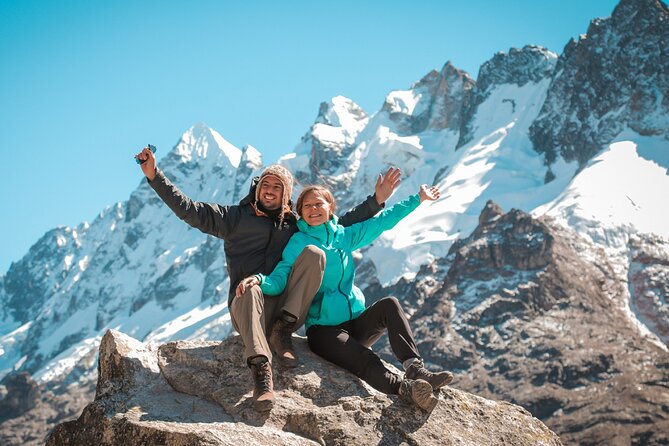
- Salkantay Pass pressure in 3 days: You still hit the high point near 4,630 m, so pace and altitude matter.
- Horse carries your duffel (up to 5 kg): You hike with what you need, and the rest follows.
- Andean hut + Aguas Calientes hotel: You get a more comfortable night before Machu Picchu day.
- Machu Picchu circuit selection depends on timing: Circuit 2 is used for some bookings, with circuit 3 or 1 if not available.
- Train back to Ollantaytambo: You avoid a long cram-packed day right after the citadel.
- Max 12 people: Smaller groups make it easier to manage pace and safety on steep sections.
Why this 3-day Salkantay route makes sense
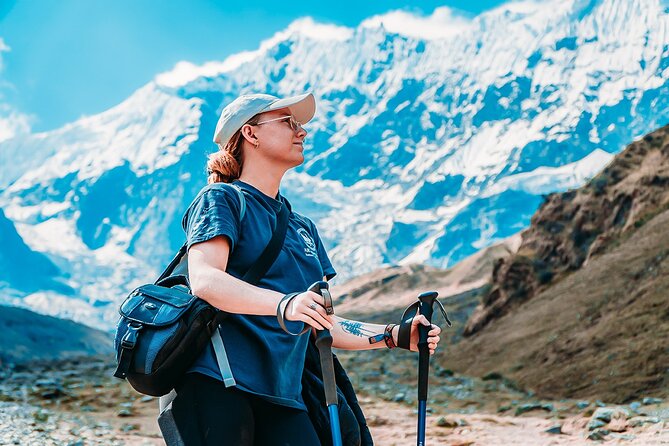
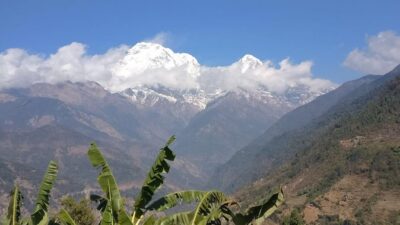
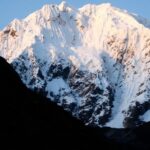
The classic Salkantay trek is a major commitment. This version keeps the signature wow factor—big mountain views, a high pass crossing, and the dramatic shift toward warmer zones—while cutting the days down to fit a 3-day window.
For me, the biggest value is that the trip is built around the Machu Picchu arrival rather than treating Machu Picchu as an afterthought. You’re moving from Cusco early, earning the entry day, and then switching gears into a guided tour and train ride on the back end.
At $680 per person, it’s not cheap. But you’re paying for a package that includes guide support, meals, lodging for two nights, key transfers, Machu Picchu entry, and a tourist-class train ride—plus safety and gear items you’d otherwise have to organize yourself.
You can also read our reviews of more tours and experiences in Cusco.
Day 1: Cusco departure, the 7 Serpents Trail, and the pass-to-rainforest shift
Your day starts in Cusco with an early pickup around 2:30 a.m. You head toward Soraypampa at roughly 3,900 m, where the altitude already starts playing mind games before you even reach the main ascent.
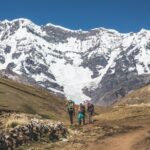
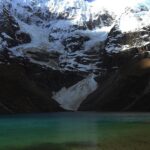
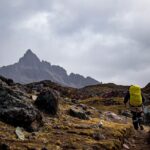
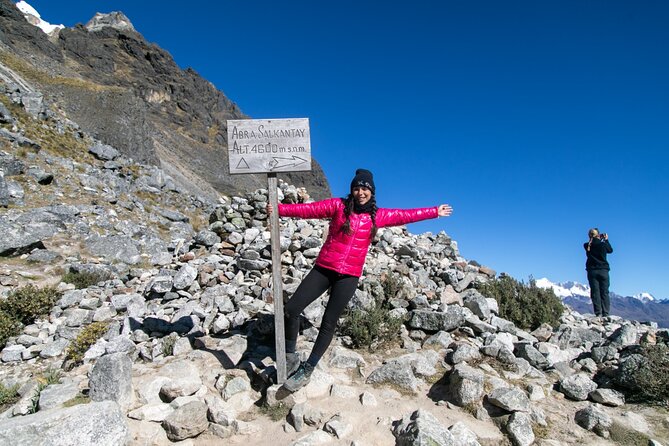
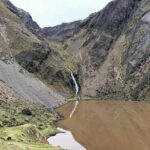
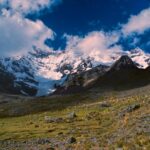
After breakfast, you work your way along the 7 Serpents Trail toward Abra Salkantay and the pass at about 4,630 m. This is the part that demands focus. You don’t need to be a marathoner, but you do need to be steady—slow steps, consistent breathing, and enough water to keep your head clear.
Then you break for lunch in Wayracmachay and begin the descent. The change is the point: the air and surroundings cool at first with the high mountains, then you drop into a warmer zone that feels like a transition toward the higher Amazon side.
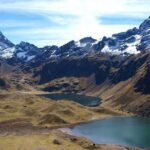
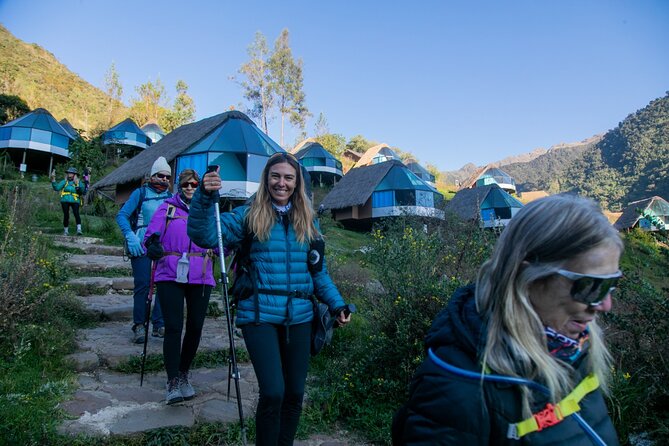
At the end of the day, you sleep at the Mountain Sky View camp (around 2,950 m in Collpapampa). Dinner happens under the stars, and the night is usually what you make of it—because tomorrow starts early again, whether you feel ready or not.
Day 2: Valley hike, La Playa coffee, Urubamba walking, and a real bed in Aguas Calientes
Day 2 begins with a homemade breakfast and a lighter start through the Santa Teresa Valley area, followed by a more scenic middle portion. You’re hiking, but it’s a different pace than the first day’s big pass push.
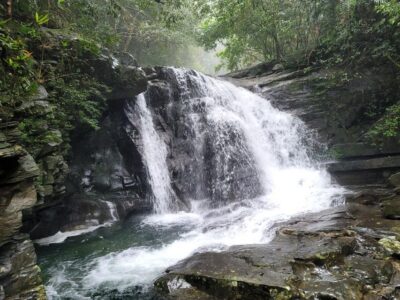
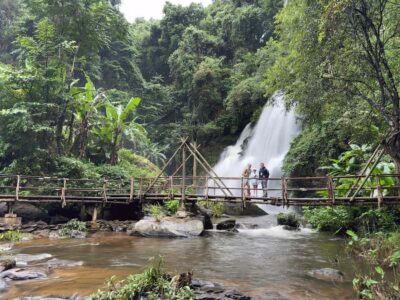
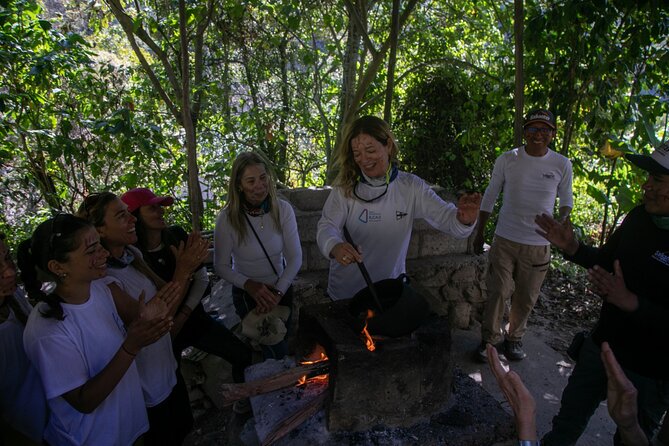
One of the most enjoyable stops is the Lucmabamba Coffee Experience. You walk through waterfalls, orchids, and coffee plantations until you reach the village of La Playa, then you eat lunch made with local products and watch an artisanal coffee-making demonstration. Even if coffee isn’t your thing, it’s a chance to see how this region lives beyond the trekking route.
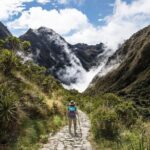
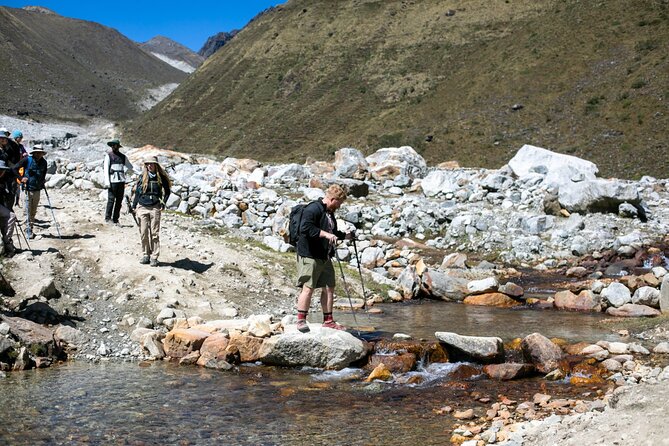
After that, you move toward Hidroeléctrica and then continue on foot along the Urubamba River. This section is your recovery corridor in hiking terms: you’re still walking, but you’re in warmer, more jungle-like surroundings rather than climbing into thin air.
You finish the day in Aguas Calientes with a comfortable hotel and group dinner. This is a big deal because Machu Picchu day is the main event, and you want your body ready for a guided citadel tour and the timing demands of buses.
Day 3: The bus climb to Machu Picchu and the guided citadel experience
You start early with a light breakfast, then take the bus up to Machu Picchu. The climb includes going through mist in the cloud forest, and it’s one of those moments where the whole trip’s effort clicks into place.
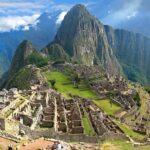
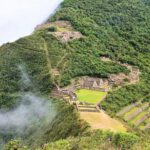
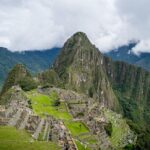
At the citadel, you get about a two-hour guided tour focused on temples, terraces, and sacred sites. This is where having a guide matters. Even with good photos, Machu Picchu is easier to understand when someone explains what you’re seeing and why it was built.
Your entry includes Machu Picchu admission, and the circuit depends on booking timing. The trip uses Circuit 2 for 3-month bookings; if that isn’t available, it shifts to Circuit 3, and then Circuit 1.
After the guided time, you go back for lunch in Aguas Calientes. In the afternoon, you take a tourist-class train back to Ollantaytambo (traveler-class options include Voyager or Expedition). Then private transportation brings you back to Cusco, rounding out the full experience with views on the way.
The support setup: horse duffels, sleeping bag, and safety gear
A lot of trek operators sell stress as authenticity. This one tries to remove avoidable stress.
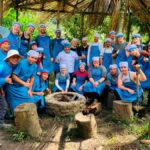
You travel with an experienced mountain guide, plus experienced cooks, horsemen, and porters. Your duffel bag is carried by the horses (up to 5 kg / 11 lb of personal gear), which is the right kind of compromise: you still hike with control, but you’re not dragging everything up the pass.
Gear support is also included. You get a sleeping bag and trekking poles, along with a backpack cover and a rain poncho. You still need to bring your personal hiking clothing and gear, but at least the core trek items aren’t an extra shopping list.
Safety items are built into the program too: a first aid kit, oxygen supply, walkie talkies, and emergency satellite phones. That doesn’t make altitude easy, but it does make the day feel more managed.
What you’re paying for (and what costs extra)
Let’s talk value, because $680 can feel high until you see what’s bundled.
Included in the price:
- Entrance fees for Salkantay and Machu Picchu
- Two nights of lodging (one in the camp hut and one hotel night)
- Bus from Aguas Calientes to Machu Picchu
- Tourist-class train from Aguas Calientes to Ollantaytambo
- Meals and trail snacks (breakfasts, dinners, and lunches noted in the schedule)
- Transfers and private transport during the tour
- Camping facilities like dining/kitchen setup and tables/chairs
- A duffel bag transport allowance (horse)
- Pre-departure briefing and included gear items (sleeping bag, poles, rain gear)
What may cost extra:
- Optional transfer between Hidroeléctrica and Aguas Calientes (paid directly to the train operator)
- Optional return bus Machu Picchu to Aguas Calientes (paid on site)
- Personal hiking clothing and gear
- Lunch and dinner on the last day (the day you return to Cusco)
- Travel insurance (recommended)
- Tips for staff (optional)
If you already own good poles and a sleeping setup, it still usually isn’t about saving money. It’s about saving time and keeping your trip simple—especially with early departure timing.
Fitness reality: altitude and long days aren’t optional
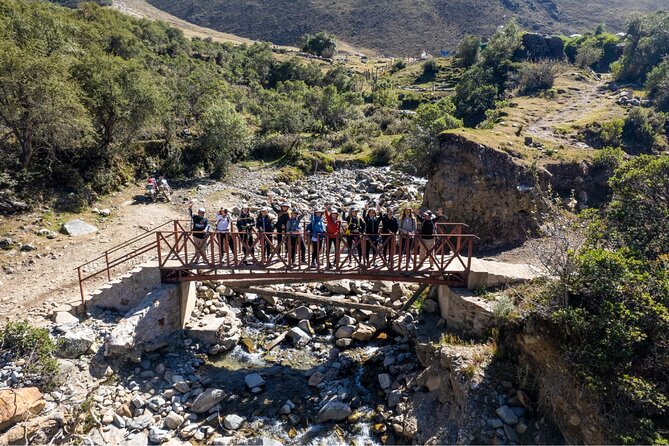
This trek is listed for people with a strong physical fitness level, and that matches how the schedule hits you. You’re walking for multiple hours each day, including a first-day ascent to Abra Salkantay near 4,630 m and a second-day mix of valley walking and river hiking.
Altitude isn’t just a checkbox. You’re advised to arrive in Cusco at least two days before the trek so your body has time to adjust. If you’re tempted to do the trek straight after arriving from sea-level, don’t. The pass is where stubborn pride turns into regret.
Also, expect tough days even if you’re in shape. The route’s intensity comes from the combination of early starts, elevation, and the fact that the itinerary keeps moving. You won’t have the luxury of “taking it slow later” if you crash early.
Group size and the guides who keep things calm
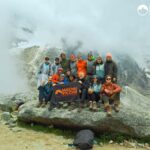
The trip caps at maximum 12 travelers. That matters more than it sounds. Smaller groups mean less bottlenecking on tight paths, and it’s easier for the guide to keep everyone on pace—especially on the pass day.
Guides are a big part of why people rate this highly. In the feedback I’ve seen, names like Marco, Guido, and Cesar Quispe show up with the same pattern: they’re organized, supportive, and focused on helping you get through the hardest moments safely.
You’ll still be responsible for your effort—water, pace, and breathing. But a strong guide can keep the group from turning the trek into a competition.
Planning tips that make the whole thing feel easier
Here are the practical moves I’d make if I were going again:
Arrive in Cusco early. At least two days before the trek helps with altitude adjustment. That’s not just comfort; it directly affects how steady you feel on the pass.
Pack for moving days, not just photos. This trip includes some gear (sleeping bag, poles, rain poncho), but you still bring your own hiking clothing and gear. Spend time on comfortable footwear and plan layers for changing conditions.
Hydrate like it’s part of the job. On pass days, you’re given water, tea time, and snacks along the trail, but you should still actively drink. The climb-to-pass day is the one where slow dehydration can sneak up fast.
Book Machu Picchu early. Spots sell out quickly. The program notes that booking at least three months in advance helps secure access, and it affects which circuit you get.
Know the last-day rhythm. You have hotel time in Aguas Calientes on night two, then an early Machu Picchu start, then train back and private transport to Cusco. It’s a full finale day, so don’t schedule anything important right after you land back in Cusco.
Should you book this 3-day Salkantay Trek Challenge?
If you want Machu Picchu but can’t spare the time for a longer trek, I think this is a strong option. It hits the core Salkantay experience—the pass crossing, the shift toward warmer zones, and a guided Machu Picchu tour—without stretching your vacation budget across extra days.
You should book it if:
- You’re fit and can handle a high-altitude day.
- You like structure and want transfers, meals, and key gear handled.
- You’d rather manage a guided plan than piece together buses, entries, and lodging.
You might skip or consider a different route if:
- You’re not confident about altitude or long walking days.
- You want a gentler pace and more recovery time.
- You’re hoping for “easy trekking” in only three days. This is a challenge, just condensed.
One last real-world note: this experience is non-refundable and can’t be changed for any reason. If you’re planning around weather and work schedules, build in breathing room with travel plans.
FAQ
What is the duration of the Salkantay Trek Challenge?
The tour is listed as 3 days (approximately) and includes 2 nights.
Where does the tour start?
It starts with pickup in Cusco around 2:30 a.m., with the schedule beginning at about 3:00 a.m. for the group start time.
What kind of lodging do you get during the trek?
You have one night at the Mountain Sky View camp and one night in a hotel in Aguas Calientes.
Does the tour include Machu Picchu entry?
Yes. Admission is included, and the circuit depends on availability: Circuit 2 for some bookings, with Circuit 3 or Circuit 1 if needed.
How do you travel back after Machu Picchu?
You take a tourist-class train from Aguas Calientes to Ollantaytambo, then private transportation to Cusco.
Is there help with carrying your bag?
Yes. A horse carries a duffel bag with up to 5 kg / 11 lb of personal gear.
What trek gear is included?
The trip includes a sleeping bag and trekking poles, plus a backpack cover and a rain poncho.
Do they offer vegetarian or vegan meals?
Vegetarian or vegan options are available. You need to advise the provider at booking.