REVIEW · CUSCO
From Cusco: Salkantay Trek to Machu Picchu 5D/4N or 4D/3N
Book on GetYourGuide →Operated by MACHU PICCHU JUNGLE · Bookable on GetYourGuide
Salkantay to Machu Picchu rewires your brain. I love the big, high-altitude payoff of Salkantay Pass and the turquoise spectacle of Humantay Lake. The Machu Picchu day is also built around a guided visit with a preset circuit. One real consideration: you start extremely early (a 4:30 a.m. pickup) and you’ll be hiking at serious elevation.
This is a classic “walk it, then earn it” route: mountain views, rainforest trails with waterfalls, and a final morning that gets you into Machu Picchu before the day gets busy. If you’re the kind of traveler who likes structure and a solid guide (not just a GPS route), you’ll probably appreciate how the days are paced and supported.
In This Review
- Key things that make this trek worth your time
- Why this Salkantay to Machu Picchu route feels like two Peru classics in one
- The altitude reality check (and how the schedule helps)
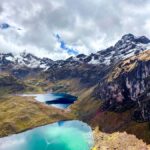
- Day 1: Cusco to Soraypampa, then up to Humantay Lake (the turquoise day)
- Day 2: Salkantay Pass (4,630 m), then down to Collpapampa or Chayllay
- Day 3: Lucmabamba rainforest trails, La Playa buffet lunch, and Cocalmayo hot springs
- Day 4: Llactapata viewpoints, then down to Hidroeléctrica and Aguas Calientes
- Day 5: Early Machu Picchu gate entry, guided circuit, then return to Cusco
- Price and value: what $50 covers, and what you’ll likely pay later
- Tour support details that actually matter on the trail
- What to bring (so you don’t regret it at 4,200 m)
- Should you book this Salkantay trek to Machu Picchu?
- FAQ
- How early does the trek start in Cusco?
- What Machu Picchu visiting circuit is included?
- Do you visit Humantay Lake on this trek?
- Is the Machu Picchu entrance ticket included?
- What are the differences between the 4-day and 5-day options?
- Are meals included, and what about dietary needs?
- What gear do I need to bring, and what can I rent?
- How do you return to Cusco after Machu Picchu?
Key things that make this trek worth your time

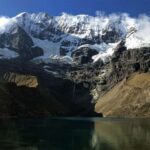
- Humantay Lake at altitude: the 4,200 m trek segment makes the lake look unreal.
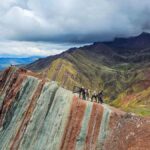
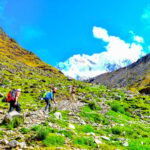
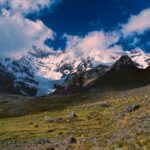
- Salkantay Pass views: a high point at 4,630 m, plus a nearby lake stop before the long descent.
- Santa Teresa rainforest trails: wooden bridges, waterfalls, and fruit plantations show up on the way to La Playa.
- Cocalmayo hot springs option: a real decompression moment after days on the trail.
- Machu Picchu guided visit (Circuit 2A or 2B): you’re not wandering blind once you arrive.
- Private group feel: hotel pickup in Cusco and a dedicated team throughout.
Why this Salkantay to Machu Picchu route feels like two Peru classics in one

Salkantay is often chosen for one reason: you get the high, dramatic mountain feel without waiting for perfect weather on the Inca Trail. Then Machu Picchu is the grand finish. In this combo trek, you’re not just ticking off landmarks. You’re moving through multiple climates and ecosystems, from cold high passes down into warmer, greener trail sections.
The structure helps. You’re guided from Cusco through the start of the Salkantay route, cooked meals happen along the way, and your gear is supported with a duffle bag system (your belongings are limited to 6 kilos, carried by horse along with cooking equipment). When the day gets tough, that kind of support reduces the “what do I do with everything” stress, so your energy stays on the walking.
You can also read our reviews of more tours and experiences in Cusco.
The altitude reality check (and how the schedule helps)
Even if you’re fit, you should respect elevation here. You’ll hike high points and long stretches, and the itinerary is designed to space effort rather than throw you into everything at once.
A few altitude markers to keep in mind:
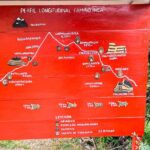
- Soraypampa (3,800 m): Day 1 acclimation-friendly for the early portion.
- Lake Humantay (4,200 m): you’ll spend time enjoying the views at a big elevation.
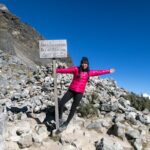
- Salkantay Pass (4,630 m): Day 2’s top point.
- Chayllay or Collpapampa (2,770 m): a lower stop after the descent.
Also, the day starts early. Your pickup is at 4:30 a.m., followed by a scenic drive to the trailhead. That early rhythm matters because it gives you more cooler walking hours and more stable timing for the rest of the days.
If you’re prone to altitude issues, don’t treat this as casual hiking. I’d plan to take your pace seriously on Day 1 and Day 2, and I’d be ready to move slowly when your body asks for it.
Day 1: Cusco to Soraypampa, then up to Humantay Lake (the turquoise day)

Your first morning begins with an early pickup from Cusco (historic center pickup is included, with multiple options inside Cusco). After a 3-hour scenic drive, you get breakfast, then start hiking toward Soraypampa (3,800 m).
- Hike to Soraypampa (~3 hours): This is your ramp-up day. The goal is to reach camp-adjacent terrain without burning out before the big views.
- Lunch, then Humantay climb (~2 hours): The hike continues up to Humantay Lake (4,200 m), where you’re set up for those famous, shimmering turquoise views.
- Final push (~2 hours) to campsite: you finish the day at a cozy camp, then dinner comes after.
What I like about Day 1 is how it builds momentum. You’re not only walking upward; you also get a long enough break at Humantay to actually enjoy the payoff instead of snapping a quick photo and rushing onward. The provided pacing also matters because you’re adjusting to altitude from the start.
Day 2: Salkantay Pass (4,630 m), then down to Collpapampa or Chayllay
Day 2 is the “you earned this” day. You start with coca tea or coffee, then hike toward the highest point of the route.
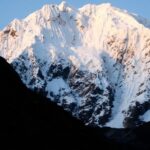
- Ascent to Salkantay Pass (~3 hours total to the top): you reach 4,630 m and get some of the most dramatic mountain views on the trek.
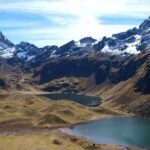
- Lake stop before descent: there’s a nearby lake visit, so you get a pause before the longest-feeling part arrives.
- Descend toward lunch at Wayracmachay (~3 hours): you’ll stop for lunch and fuel up.
- More descending (~3 hours): you then continue down through changing scenery until you reach camp at Chayllay or Collpapampa (2,770 m), next to a local village.
The main challenge here is not just the height. It’s the transition from steep uphill effort to a long downhill stretch. Your legs will feel it. The good news is the itinerary makes sure you stop for lunch and doesn’t end Day 2 at the end of a single brutal push; you get a supported landing at camp afterward.
Day 3: Lucmabamba rainforest trails, La Playa buffet lunch, and Cocalmayo hot springs

Day 3 shifts your senses. Instead of high, rocky altitude trail drama, you get rainforest walking.
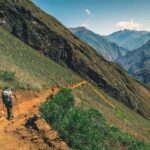
After breakfast, you follow trails through the rainforest of Santa Teresa, crossing wooden bridges, passing waterfalls, and walking by plantations (bananas, passion fruit, and avocados). You reach La Playa for a buffet lunch, and the itinerary also makes a split happen here for 4-day vs 5-day trekkers.
Then comes a choice depending on your trip length:
- For the longer option, you continue toward Lucmabamba and have time for Cocalmayo hot springs in the afternoon.
- For the shorter option, the included notes specify a different transport connection from La Playa to Hidroeléctrica (instead of continuing all the way by foot to the next hiking sections).
Either way, the afternoon has the “reset” feel you need after two demanding days. Hot springs are included for 5-day passengers (entrance is noted, while transportation price depends on group size). If you’re feeling beat up in the best way, this is where you get relief.
The day ends with dinner, a group bonfire, and then you head back to your room to rest.
Day 4: Llactapata viewpoints, then down to Hidroeléctrica and Aguas Calientes
Day 4 is your bridge day: archaeological viewpoints first, then the route into Machu Picchu’s arrival zone.
After breakfast, you hike part of the original Inca Trail, then climb for about 2 hours before reaching Llactapata (2,700 m). Llactapata is an archaeological site that overlooks Machu Picchu, giving you that “I can see the goal” moment before you reach it.
Then:
- Visit Llactapata
- Descend ~2 hours to Hidroeléctrica for lunch
- Walk to Aguas Calientes, check in, and have group dinner at 7:00 p.m.
Why this day matters: it adds context. You’re not going straight from rainforest to the citadel. You get a viewpoint and a historical setting, then you move down into the town where Machu Picchu logistics start to take over.
Day 5: Early Machu Picchu gate entry, guided circuit, then return to Cusco

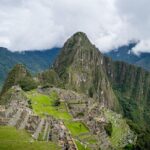
Your Machu Picchu day is timed for an early start. After breakfast, you climb stairs for about 1 hour to the main gate, arriving around 6:30 a.m. That early arrival is key for enjoying the site with less chaos.
You then receive a guided tour for about 2.5 hours. The included guided circuit is typically Circuit 2A or 2B (the most popular full-visit options). After the guided portion, you descend and follow your return plan based on your reservation type.
Return options work like this:
- By car: 6:00 a.m. to 9:00 a.m. latest return windows.
- By train: you can purchase the departure time you want, then take a local car portion back to Cusco.
If you’re wondering about circuits before you book: the operator notes that circuits can vary—Circuit 3B includes a lower stop plus a middle viewpoint and sacred temples, while Circuit 1B gives you the upper terrace classic photo angle. You should check what circuits are available before reserving, because that choice affects your view plan inside the sanctuary.
Price and value: what $50 covers, and what you’ll likely pay later
The price shown is $50 per person, but your real budget should be built around what’s included and what’s not.
Big value drivers that are included:
- Professional English/Spanish speaking guide
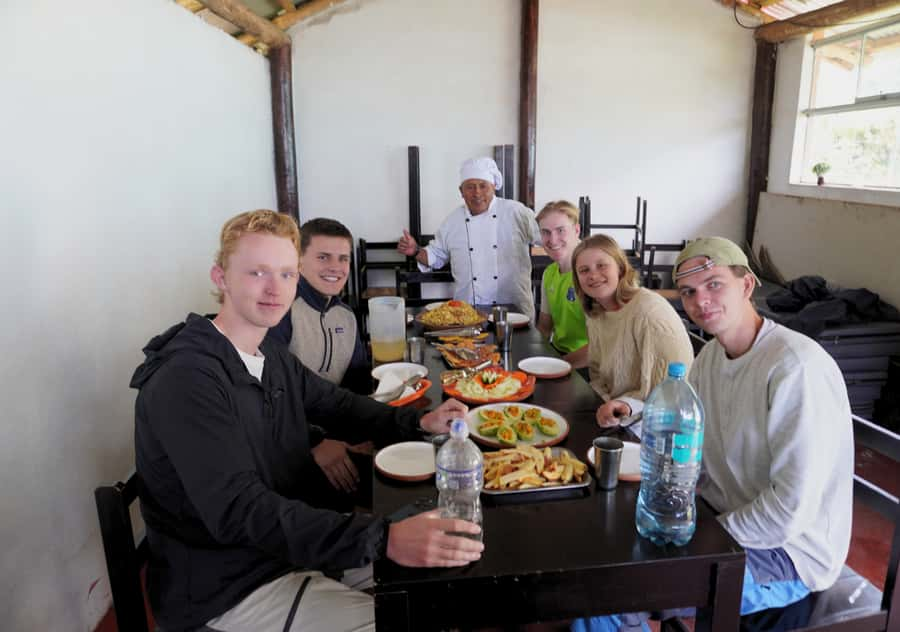
- Professional chef and cooking equipment
- Private transportation from Cusco to the trail start
- Meals on trek: for 5 days, you get 4 breakfasts, 4 lunches, 4 dinners; for 4 days, you get 3 each
- Cabin nights (3 nights for 5-day; 2 nights for 4-day), plus 1 hotel night in Aguas Calientes
- Duffle bag support (6 kilos) with horse carry for your bag and cooking equipment
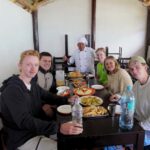
- Tea breaks each afternoon: popcorn, cookies, chocolate, and coffee
- Coca tea to wake up each morning at camp
- Vegetarian/vegan options at no extra charge
- Machu Picchu entrance reservation is handled, with payment due later at briefing (PEN 152.00 is listed)
What you should plan for outside the core cost:
- Humantay Lake entrance fee: PEN 20.00 per person
- Machu Picchu entrance fee: if tickets aren’t available on the government site, you may need USD 40 or PEN 152 to buy in Aguas Calientes
- Bus up/down from Aguas Calientes to Machu Picchu: USD 12 + USD 12 per person
- Optional extras like Wayna Picchu (not included)
- Sleeping bag rental: USD 15 per person for the entire trip
- Trekking poles rental: USD 10 per person for the entire trip
- Hot springs entrance for 5-day passengers: PEN 10.00 per person, plus transportation cost depending on group size
- For 4-day passengers, the itinerary includes transportation from La Playa to Hidroeléctrica (price depends on group size)
So is it good value? Usually yes, if you want a guided, supported trek with meals and a handled Machu Picchu ticket reservation. If you already have gear (sleeping bag, poles) and don’t need extras, your costs stay closer to that base price. If you need rentals and you still pay for transport to Machu Picchu, your final spend grows fast—but you’re buying convenience plus a full guided experience.
Tour support details that actually matter on the trail

Some details are easy to gloss over. Here, they’re the difference between a hard trek and a manageable one.
- Gear limit and horse support: Your belongings are capped at 6 kilos. That forces smart packing and keeps your walking experience lighter. Horses also carry cooking equipment, which means food stays consistent instead of getting cut when conditions change.
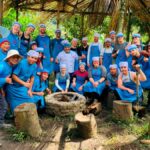
- A real chef, not just meals: You’re eating with a professional chef and cooking equipment. That matters because you’re walking hard and you need food that works, not only snacks.
- Tea breaks every afternoon: popcorn, cookies, chocolate, and coffee appear each afternoon. It’s not a luxury; it’s a morale tool and a warm-up.
- Coca tea each morning: you get it to wake up at camp. It’s a small comfort ritual during altitude days.
- Vegetarian/vegan options: included with no extra charge, which is a big deal for dietary comfort.
- Private group: your pace and pickup logistics are more controlled than big group tours.
What to bring (so you don’t regret it at 4,200 m)
Use the provided list as your base:
- Passport
- Comfortable shoes
- Hat
- Camera
- Sunscreen
- Water
- Rain gear
- Comfortable clothes
Then think about the altitude mix. Even without inventing extra gear needs, the itinerary’s elevations and early mornings mean you should dress in layers, keep rain protection handy, and avoid shoes that feel broken-in but don’t really work. If you don’t have trekking poles, rent them; the itinerary includes rentals for the whole trip, and poles can save your knees on the downhill parts.
Also: you’re asked to send your passport urgently so reservations can be processed. If you’re slow with paperwork, this trek can get delayed.
Should you book this Salkantay trek to Machu Picchu?
Book it if:
- You want a guided route with meals and a team that supports you day to day.
- You like the idea of Humantay Lake as a top highlight, followed by a serious pass day and rainforest walking.
- You want Machu Picchu with a guided circuit (typically 2A or 2B) rather than figuring everything out on your own.
- You’re okay with early starts and hiking at high elevation.
Skip it or choose another option if:
- Early pickups and altitude hiking feel like a dealbreaker.
- You prefer complete cost certainty and don’t want to budget for extras like Machu Picchu transport and entrance fees.
- You’re not ready for packing discipline (your duffle bag is capped at 6 kilos).
If you do book, the smartest move is simple: confirm what Machu Picchu circuit you’ll get, and plan your budget for the commonly listed add-ons like the bus from Aguas Calientes. This trek delivers when you treat it like a real hike with real mountains, then a guided payoff at the end.
FAQ
How early does the trek start in Cusco?
You’ll have an early pickup at 4:30 a.m., followed by a drive of about 3 hours to the trailhead.
What Machu Picchu visiting circuit is included?
The guided Machu Picchu visit included in this experience is for Circuit 2A or Circuit 2B. The operator also notes other circuit options like 3B and 1B that may be available when checking.
Do you visit Humantay Lake on this trek?
Yes. Day 1 includes a hike to Humantay Lake at 4,200 m. The entrance fee to Humantay is listed as PEN 20 per person.
Is the Machu Picchu entrance ticket included?
Entrance to Machu Picchu is included as a reservation handled by the operator, with payment due later at briefing (PEN 152.00). If tickets aren’t available through the government website, you may need to bring USD 40 or PEN 152 to buy in Aguas Calientes.
What are the differences between the 4-day and 5-day options?
The trek comes in 4 days or 5 days. The included notes specify different meal counts and cabin nights: 5 days includes 3 cabin nights, while 4 days includes 2 cabin nights, plus 1 night in Aguas Calientes. The itinerary also indicates that 4-day passengers get a transport connection from La Playa to Hidroeléctrica.
Are meals included, and what about dietary needs?
Yes. For 5 days you get 4 breakfasts, 4 lunches, and 4 dinners; for 4 days you get 3 breakfasts, 3 lunches, and 3 dinners. Vegetarian/vegan options are available at no extra charge.
What gear do I need to bring, and what can I rent?
You should bring a passport, comfortable shoes, hat, camera, sunscreen, water, rain gear, and comfortable clothes. The operator offers rentals for a sleeping bag (USD 15 for the entire trip) and trekking poles (USD 10 for the entire trip).
How do you return to Cusco after Machu Picchu?
Return can be by car (with return times by car from 6:00 a.m. to 9:00 a.m.) or by train (you can purchase the time you want). In the train option, you take the train to Ollantaytambo, then a local car back to Cusco.