REVIEW · CUSCO
5-Day Salkantay Trek to Machupicchu Sky Lodge Dome
Book on GetYourGuide →Operated by TERRA QUECHUA PERU · Bookable on GetYourGuide
One steep mountain and a sunrise ticket can change your week. This 5-day Salkantay trek to Machu Picchu swaps typical camps for private dome stays and puts you on the trail toward an early Machu Picchu entrance.
What I like most is the combination of real hiking days and comfort that actually helps you sleep. You’re also getting a guided Machu Picchu orientation plus time to explore on your own.
The second big win for me is the way the trek mixes ecosystems. You go from high passes to a high jungle feel, then end up in coffee country near Llaqtapata and the Urubamba Valley views.
One drawback to plan around: this is an active trek with a strict schedule, and if Machu Picchu ticket timing is messy you may need flexibility on your hiking days. Add cold dome nights into the mix and you’ll want the right gear.
In This Review
- Key things you should know
- Salkantay’s big promise: rough trail, real variety, Machu Picchu payoff
- Cusco pickup and the first dome night near Challacancha/Soraypampa
- The high pass day: Soraypampa to Chaullay, built around the 4,650 m crossing
- Coffee-plantation day: Chaullay to La Playa in geodesic domes
- Llaqtapata, Santa Teresa, and the first Machu Picchu glimpse
- Machu Picchu morning: a 5:30 am bus and a 2-hour guided intro
- Domes, hot showers, and what you’ll need for the cold
- Guides, cooks, and meals that keep you moving
- The practical logistics that can make or break the Machu Picchu part
- Price and value: what $700 covers on this 5-day trek
- Who should do this Salkantay trek, and who should rethink it
- Practical packing list for warm layers and altitude days
- Should you book this tour?
- FAQ
- What is the duration of this trek?
- What is included in the price?
- Do I get Machu Picchu tickets included?
- What time is the bus to Machu Picchu?
- Is Huayna Picchu included?
- Is a sleeping bag included?
- Can I eat vegetarian or vegan during the trek?
- What should I bring?
- How large is the group?
Key things you should know
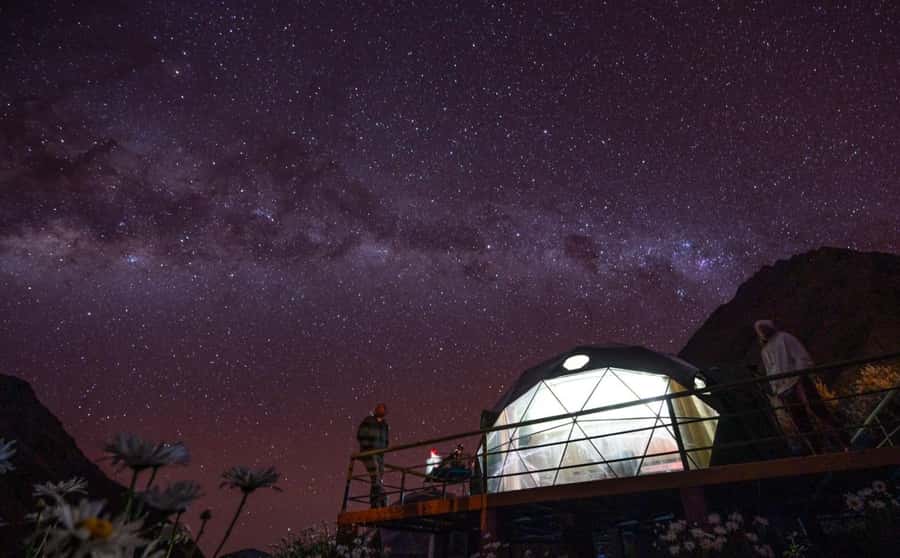
- Sky Lodge dome comfort: private bathroom and hot shower included, so recovery is easier
- The 4,650 m highest pass: big effort, big reward, with a chance of snow views
- Coffee-plantation camping: you’ll learn the coffee process and even harvest/roast/grind during the stop
- Hot springs in Aguas Calientes: after the last walk, it’s a simple way to unclench your legs
- Early Machu Picchu bus: you’re scheduled to go up at 5:30 am for sunrise viewing
Salkantay’s big promise: rough trail, real variety, Machu Picchu payoff
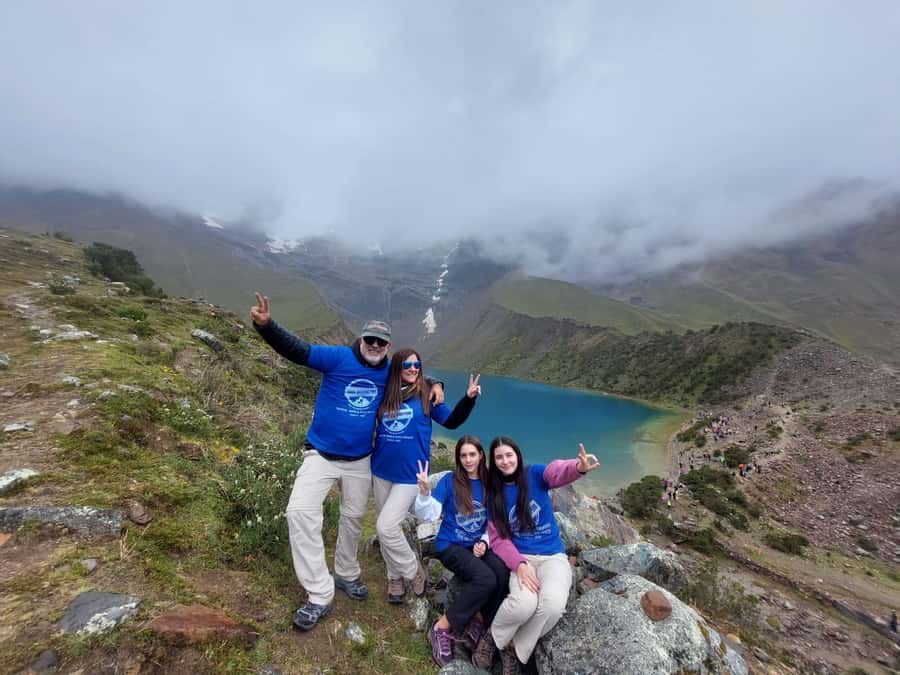
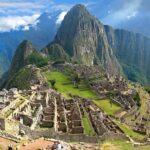
The Salkantay route works because it doesn’t feel like one long sameness. You’re crossing multiple altitude zones, with views that keep changing as you move from the high mountains down toward the warmer valleys. And unlike some itineraries that rush Machu Picchu like a checklist, this one builds in an early entrance so the site feels alive when the light hits the stone.
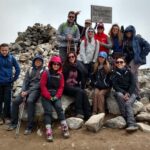
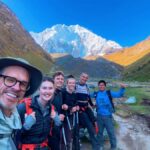
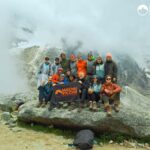
You’ll spend your days hiking with a bilingual guide (English/Spanish) and a small group cap of 10 people. That small size matters. It keeps the pace more manageable on narrow sections and makes it easier for the group to stay together when conditions change.
Still, go in knowing this is a challenging trek. If you want a gentle walk and easy logistics, you’ll probably feel the altitude and the uphill days more than you expect.
You can also read our reviews of more tours and experiences in Cusco.
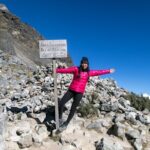
Cusco pickup and the first dome night near Challacancha/Soraypampa
The rhythm starts early. You’re picked up from your Cusco hotel around 4:30–5:00 am, then you travel about two hours to Mollepata for breakfast. After that, you continue roughly 40 minutes to Challacancha to begin hiking.
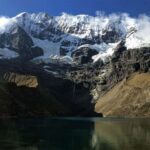
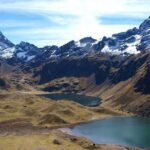
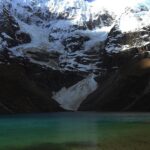
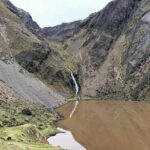
Day one is not about crushing distance. It’s about getting you moving, meeting the trail reality, and giving you a first taste of the Salkantay area. You’ll also visit Humantay Lagoon along the way, which is a classic stop for a reason: it’s dramatic, and it’s a good moment to appreciate the altitude before you settle into camp.
That first night is in luxury domes with private bathroom and hot shower. Even if you’re tired, having a real shower and a toilet you don’t have to share with a crowd makes a noticeable difference. One caveat: dome nights can get cold, so warm layers are not optional.
The high pass day: Soraypampa to Chaullay, built around the 4,650 m crossing
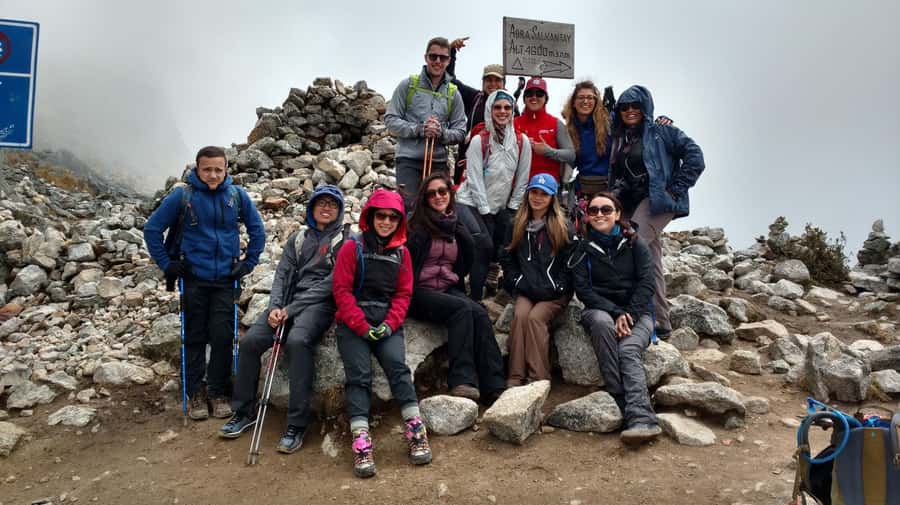
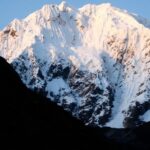
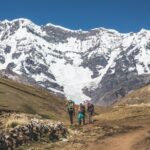
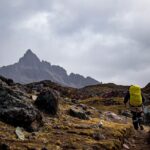
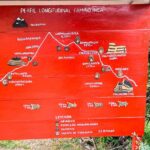
This is the day the trek earns its reputation. After an early breakfast around 5:30 am, you hike toward the trek’s highest pass at 4,650 m / 15,200 ft. The pass sits midway between two big mountains: Salkantay on the right and Tucurhuay on the left.
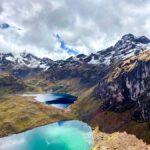
What makes this special for you is the way the scenery sets up the day. You’re not just climbing—you’re reaching a viewpoint carved into the geography. From the pass, the snow-capped mountain views can be incredible, and there’s even a possibility of seeing snow depending on the season and conditions.
The other detail worth noting: you’re sleeping in domes again on this night. That means you’ll likely spend a good chunk of the day in exertion, then you can recover with hot water and a private space afterward. That’s a practical advantage for your body, not just a comfort perk.
Coffee-plantation day: Chaullay to La Playa in geodesic domes
If your memory only keeps the big pass, you might miss what makes the Salkantay route so satisfying. Day three takes you through a high jungle-style transition. After breakfast around 6:30 am, you hike through streams and cross the Lluskamayo River, then continue walking toward Playa for about four hours.
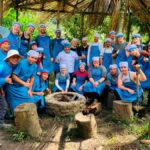
La Playa is where the trek gets hands-on. You camp in geodesic domes inside a coffee plantation and learn about the coffee process—so you don’t just watch coffee trivia. The stop can include harvesting and then roasting and grinding coffee as part of the experience. For many people, this becomes the day they remember most for its smell and texture, not just its view.
This is also a relief day in disguise. After a high pass, the slower, greener rhythm can feel like a reset, even while you keep moving.
Llaqtapata, Santa Teresa, and the first Machu Picchu glimpse
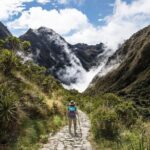
On day four, you start around 6:30 am. The goal is to arrive early at Llaqtapata, where you’ll walk a portion of the original Inca trail. This is not just sightseeing from a bus window. It’s walking on the kind of terrain the region has been used to for centuries.
The payoff here is the Urubamba Valley view and the way the Salkantay mountain shows up in the background. You also get a first glimpse of Machu Picchu, which can be emotional in that quiet, slow way—because you’ve already earned the sight.
Then the plan pivots to reach the train corridor. You’ll go to Hidroelectrica for lunch and continue on toward Aguas Calientes. The final stretch includes about 2.5 hours walking along the train track until you reach town.
A smart practical note: you can use the hot springs in Aguas Calientes after you check in. The entrance is listed as 10 soles, and after a full day’s walk it’s one of the best ways to bring down your stress level fast.
There’s also an option on this day to send luggage by car from Playa to Hidroelectrica and onward to Aguas Calientes by train for about 20 soles. The trek provides luggage support earlier, but from day four onward you carry your own bags, so this can be a useful choice if you don’t want everything on your back.
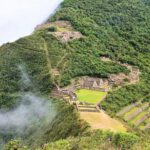
Machu Picchu morning: a 5:30 am bus and a 2-hour guided intro
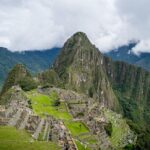
Your Machu Picchu morning starts early again. You’re up around 5 am for breakfast and then you head to the bus. The schedule is built around the first bus leaving at 5:30 am, which takes about 25 minutes up to the site. The intent is to see Machu Picchu as the sun rises.
Once you arrive, your guide provides a 2-hour tour. After that, you’re free to explore on your own. I like this format because it gives you structure first—so you know what you’re looking at—then you get time to wander without feeling herded.
If you want the extra challenge, Huayna Picchu is optional. It’s listed at 2,720 m / 8,890 ft and is about 1 hour 45 minutes to reach the top, depending on availability. If you’re not sure you want that climb, don’t treat it as a moral test. After a trek, rest can be a better choice than suffering for a view you can already enjoy from Machu Picchu itself.
In the afternoon, you take the train from Aguas Calientes to Ollantaytambo around either 2:00–4:00 pm or 6:20 pm, depending on train availability. Then private transport returns you to Cusco.
Domes, hot showers, and what you’ll need for the cold
The dome nights are a major selling point for a reason: after days of effort, having a private bathroom and hot shower can make the difference between feeling human and feeling grim. The included setup also helps you manage your morning routine. You’re not sharing bathrooms with a whole campground, and you can wash sweat off before you hit the next day.
That said, don’t ignore the cold factor. One of the provided experiences notes that the first night was very cold in the domes. Your comfort will depend on season and your layering strategy, so bring warm clothes seriously—not just one warm item you hope will work.
Also remember: a sleeping bag is not included. The tour recommends warm clothing, but if you tend to get cold easily, you may want to plan accordingly.
Guides, cooks, and meals that keep you moving
This trip runs on teamwork: guide, cook, kitchen support, and animal transport. It includes a cook to prepare meals and you’ll have meals listed as 4 breakfasts, 4 lunches, 4 dinners, and 4 snacks. The first breakfast and last dinner are not included, and you’ll want to budget for those depending on your arrival and departure timing.
Two details I really value on trekking tours are protein and timing. This itinerary has early starts, so the meal schedule is built around getting you fueled before you climb. With the higher pass day, your breakfast timing matters.
The cook support is also a comfort issue. In feedback received for this operator, kitchen leaders have been praised, including Koch Mario (with guide Roberto) and Exaltación (with guide Abel). That matters because food quality is what helps you keep going when your legs start negotiating with your brain.
Vegetarian and vegan options are available on request at no extra charge. If that’s you, ask ahead so the kitchen can plan properly.
The practical logistics that can make or break the Machu Picchu part
Here’s the part worth paying attention to: Machu Picchu tickets and the schedule around them. The itinerary includes Machu Picchu tickets, a bus up from Aguas Calientes, and an organized tour time. That’s great when it’s all aligned.
But there is at least one documented problem with the operator’s office communication: a guest learned late that Machu Picchu tickets were not yet secured, and the solution required shortening the hike by a day to get the needed ticket slot. The guide involved, Roberto, handled the problem with suggestions like joining early lines for ticket access tips.
So what should you do with this information? When you confirm your booking, ask for written confirmation of your Machu Picchu ticket slot and bus arrangement as early as you can. If the office is slow to respond, don’t wait it out. Get the details in hand before you commit your schedule to that sunrise plan.
Price and value: what $700 covers on this 5-day trek
At about $700 per person, you’re paying for a lot more than the hiking. This price includes:
- A professional bilingual guide
- Pick-up from your hotel in Cusco and transport to the starting point
- Transportation from Ollantaytambo back to Cusco
- Train from Aguas Calientes to Ollantaytambo
- Machu Picchu ticket plus the bus up
- Luxury domes with private bathroom and hot shower
- Meals: multiple breakfasts, lunches, dinners, and snacks
- A cook and kitchen equipment (like dining setup)
- Horsemen and mules to transport equipment/food/luggage (with the note of 7 kilos per person for personal luggage carried)
- First aid kit
- Even an Andean ceremony on day one offering to Mother Earth
What you should take from that: if you’ve been comparing cheaper treks, look closely at what’s missing. Often the “low price” routes cut corners on dome comfort, guiding quality, meals, and Machu Picchu planning. Here, the dome setup plus hot shower is one of the most tangible value drivers because it improves recovery for the whole group.
What’s not included matters too: sleeping bag, trekking sticks, and the first breakfast plus last dinner. If you arrive without these basics, plan to spend extra.
Who should do this Salkantay trek, and who should rethink it
This is ideal for you if you want a challenging, rewarding trek with real variety—and you’re happy to work for the views. It also suits you if you like a guided structure but still want time to roam at Machu Picchu.
It may not be the best fit if you have back issues, heart problems, mobility impairments, or you’re pregnant. Even though the listing says wheelchair accessible, the same info also states it’s not suitable for mobility impairments—so take that seriously. This trek includes hiking days, altitude, and rough terrain, so you’ll want to choose an option that matches your physical reality.
Also consider that from day four onward you carry your own bags (with an optional luggage-send service for a fee). If carrying a daypack stresses you out, plan how you’ll pack light.
Practical packing list for warm layers and altitude days
Here’s the practical stuff to bring, based on what’s explicitly recommended:
- Warm clothing (important for cold dome nights)
- Sunglasses
- Sun hat
- Cash
- Daypack
- Trekking gear and hiking shoes
- Passport or ID card
Extra common-sense help:
- Trekking sticks are not included, so bring yours if you use them
- If you know you run cold, plan for that sleeping bag gap
- Keep your essentials easy to grab for early mornings
And don’t underestimate altitude. You’re advised to arrive in Cusco at least 2 days before the trek to acclimatize.
Should you book this tour?
I’d book it if you want Salkantay to feel like a complete package: serious hiking, dome comfort with private hot showers, coffee-plantation day that breaks up the monotony, and Machu Picchu timed for sunrise with a real guided start.
I’d pause and ask a few pointed questions before paying if Machu Picchu timing is your top priority. Confirm the ticket slot and bus plan early in your booking process. If communication from the office seems slow, push for clarity before you lock in your days.
If you’re physically prepared for a challenging trek and you pack for cold nights, this itinerary looks like strong value—especially for the domes and the way it handles the Machu Picchu day with structure.
FAQ
What is the duration of this trek?
This is a 5-day / 4-night Salkantay trek to Machu Picchu.
What is included in the price?
The package includes a bilingual guide, hotel pickup, transportation to/from key points, the train from Aguas Calientes to Ollantaytambo, Machu Picchu tickets, the bus up to Machu Picchu, luxury dome lodging with private bathroom and hot shower, meals (4 breakfasts, 4 lunches, 4 dinners, and 4 snacks), and more including a first aid kit.
Do I get Machu Picchu tickets included?
Yes. Tickets to Machu Picchu are included, plus the bus from Aguas Calientes to Machu Picchu.
What time is the bus to Machu Picchu?
The plan is to take the first bus leaving at 5:30 am, and the ride lasts about 25 minutes.
Is Huayna Picchu included?
Huayna Picchu is optional. The trek info says it takes about 1 hour 45 minutes to reach the top and is subject to availability.
Is a sleeping bag included?
No. A sleeping bag is not included.
Can I eat vegetarian or vegan during the trek?
Yes. Vegetarian and vegan food are available on request at no extra charge.
What should I bring?
You should bring warm clothing, sunglasses, a sun hat, cash, a daypack, trekking gear, hiking shoes, and your passport or ID card. Trekking sticks are also not included, so plan accordingly.
How large is the group?
The group is limited to 10 participants.