REVIEW · CUSCO
Ausangate Trek 5 Days
Book on Viator →Operated by Vidal Expeditions · Bookable on Viator
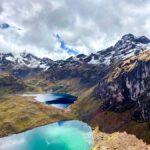
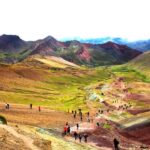
Five days, one giant holy mountain. The Ausangate Trek is a high-altitude loop that takes you past glacier-fed lagoons in shades of green and turquoise, with real cultural moments along the way.
I especially like the small-group setup, capped at 10 travelers, with a full team moving gear so you can hike without turning it into a pack-mule situation. I also love that meals are truly handled for you, including hot coca tea each morning and a steady rhythm of breakfast, lunch, and dinner across the days.
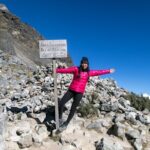
One thing to plan for: the route climbs to passes like Palomani at 5,200 meters, and nights can feel cold at camp, so you need solid hiking stamina and the right warm gear since a sleeping bag is not included.
In This Review
- Key things to know before you go
- Cusco mornings, private transport, and why 5:00am matters
- Your trek team at work: guides, cooks, and horse support
- Day 1: Rondoca to Upis hot springs and your first Apu Ausangate views
- Day 2: Arapa Pass to turquoise lakes and Apacheta’s high blue views
- Day 3: Palomani at 5,200m and the ceremony with Apu Ausangate
- Day 4: Deep-blue lagoons, Pacchanta Valley, and soaking at the hot springs
- Day 5: A local family ceremony, weaving lessons, and the ride back to Cusco
- Price and value: what $660 buys on a 5-day high-altitude trek
- Who this trek is best for (and who should think twice)
- Should you book the Ausangate Trek with Vidal Expeditions?
- FAQ
- What time does the trek start?
- How high does the trek go?
- Is food included?
- Are camping supplies and equipment provided?
- Do I need to bring a sleeping bag?
- How big is the group?
- What is the cancellation policy if weather is bad?
Key things to know before you go
- Small group (max 10 travelers) means more attention from your guide and a calmer pace on the trail
- All-inclusive food keeps you fueled, with lunches, dinners, and breakfasts planned from day one
- Pass ceremonies bring Apu Ausangate into the hike in a way most treks ignore
- Hot springs breaks on Day 1 in Upis and Day 4 in Pacchanta help your legs recover
- Horses carry equipment, so your load stays manageable on steeper sections
- Sleeping bag not included, and you should treat cold nights as real
Cusco mornings, private transport, and why 5:00am matters
This trek starts early in Cusco, with a 5:00am meet-up time. You’ll take private transport to Tinke first, with a stop to grab last-minute items, plus an option to eat breakfast before you’re pushed onward toward Rondoca, the trail’s start.
That early start isn’t just for scheduling. At these altitudes, you want daylight on your side when you’re crossing high passes and moving between lagoons. You also get better light for photos because you’re walking before the day turns harsh.
If you’re hoping for a leisurely start, this is not that. You’ll be walking with intent, building altitude gradually and then climbing again when the route demands it.
You can also read our reviews of more tours and experiences in Cusco.
Your trek team at work: guides, cooks, and horse support
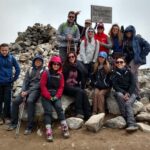
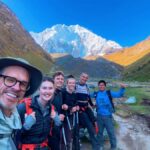
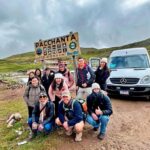
What makes this trek feel cared for is the team structure. You meet the trekking group at the start, with a cook and horse driver handling the logistics behind the scenes.
The guides in this region often bring more than trail directions. In past experiences with Vidal Expeditions, guides such as Chino and Guillermo were praised for mixing practical route guidance with cultural context, including how local people see Ausangate. That kind of storytelling changes how you experience the mountain, especially when you reach a sacred pass and slow down for a ceremony.
Food matters on a multi-day trek, and here it’s not left to chance. The cook team runs a camp kitchen, and guests repeatedly highlight how the meals arrive hot and plentiful after long days. If you’re the type who tends to get cranky at altitude, this support helps you stay human.
Finally, horses carry equipment. That means you’re hiking with a lighter burden, which helps when you’re working your legs on switchbacks and at thinner air.
Day 1: Rondoca to Upis hot springs and your first Apu Ausangate views
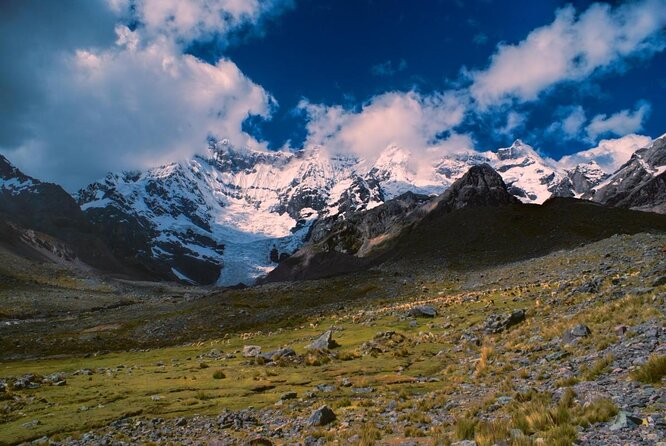
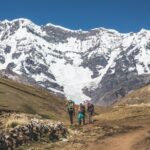
Day 1 is the orientation day. After meeting your team at Rondoca, you hike for about two hours before reaching a lunch spot. This section is where you’re meant to appreciate the presence of Apu Ausangate, so it’s not just walking from point A to point B.
After lunch, the trail continues toward your first camp. Then you spend only a few hours hiking before reaching the village of Upis, which is a big payoff day-one.
The highlight here is the hot springs. After your hike, you can soak in the thermal waters, sip coca tea, and let your legs recover before dinner. Even if you’re not a soak person, you’ll probably change your mind because this is where you’ll feel the altitude for the first time.
By the end of the day you’re sleeping at around 4,200 meters (13,780 ft). That’s high enough that you’ll want to take it easy, keep breathing steady, and not treat camp like a time to sprint around.
Day 2: Arapa Pass to turquoise lakes and Apacheta’s high blue views
Day 2 begins with a wake-up routine: you’ll be brought hot coca tea, then breakfast comes before the climb. The first major effort is crossing Arapa Pass at 4,850 meters.
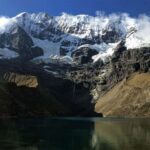
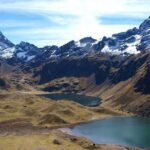
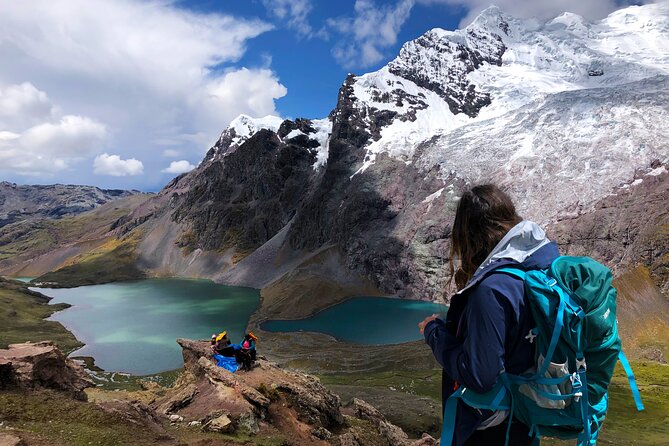
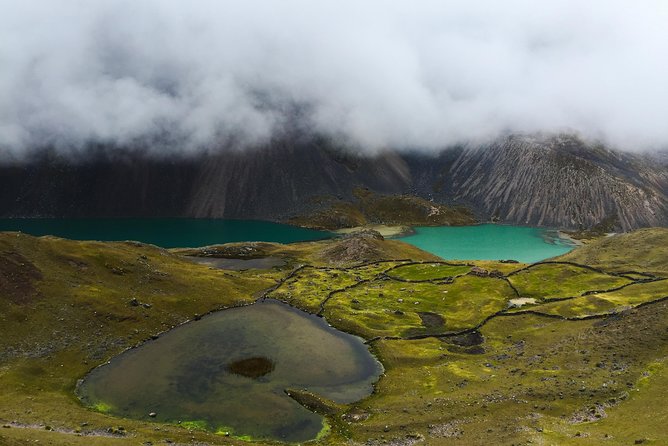
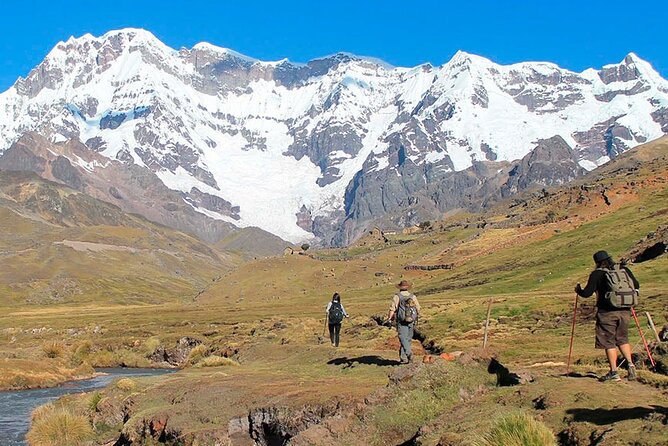
From there, the trek shifts into a long, scenic descent through the valley. You’ll pass green Lake Puqa Q’ocha, then reach turquoise Lake Jatun Puqa Q’ocha. This is one of those days where your legs are working, but your eyes are doing extra work too, because the colors change as you move.
Lunch happens at the edge of the lake, and the views include Ausangate Mountain. You’ll have time to explore the area and take photos, which helps balance the effort.
Then comes the second pass: Apacheta at 4,980 meters. After climbing, you get striking views over a turquoise lagoon fed by melting snow from Ausangate. After soaking in the sight, you descend toward Ausangate Qocha for camp.
This day is listed as around 8 hours with a distance near 12 km, and it includes two high passes. If you tend to go out too fast on day two, you’ll pay for it later. A steady pace wins here.
You sleep at about 4,630 meters (15,190 ft), so make sure you’re hydrated and eating enough before you settle in.
Day 3: Palomani at 5,200m and the ceremony with Apu Ausangate
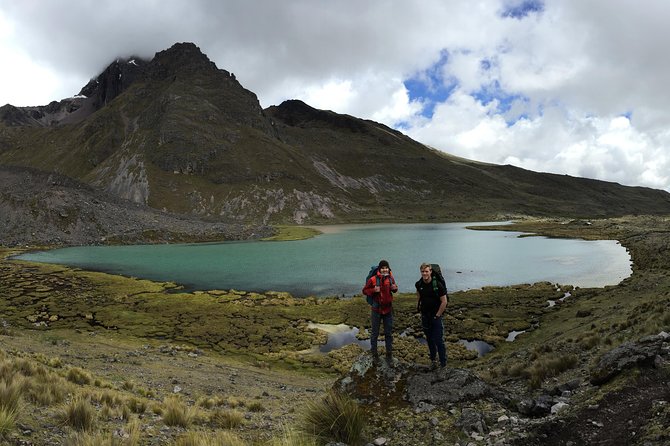
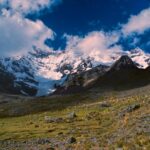
Day 3 is the highest point of the trek: Palomani Pass at 5,200 meters (17,060 ft). After breakfast, you hike up for about two hours to reach the pass.
Here’s where this trek feels different from a standard “summit and move on” adventure. Your guide leads a ceremony for Apu Ausangate, and you’re meant to feel the spiritual connection tied to this mountain. Even if you’re not sure how to react, the moment works because everyone slows down together and pays attention.
Once the ceremony wraps, you descend for about an hour and have lunch in Uchuy Phinaya. After that, you keep moving in the afternoon for a couple hours to reach the next campsite.
This day is about 7 hours total, with around 13 km of trekking and big elevation swings. You’ll likely feel the altitude most on the climb. If you’re prone to getting short of breath, focus on calm, even steps and avoid chasing speed.
Camp is around 4,500 meters (14,763 ft). Plan for cold air once the sun drops, and keep your hands warm since trekking at high altitude can make everything feel stiff.
Day 4: Deep-blue lagoons, Pacchanta Valley, and soaking at the hot springs
Day 4 is built around a different kind of pace. It’s described as having only one pass, so you’re not repeating the same high climb pattern as Day 2 and Day 3.
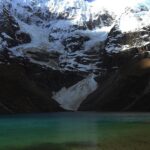
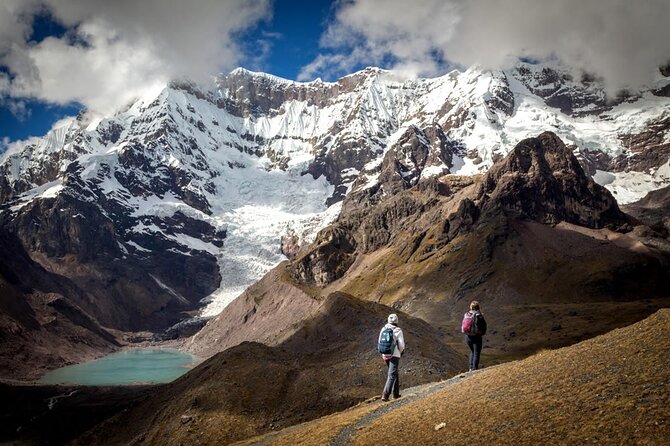
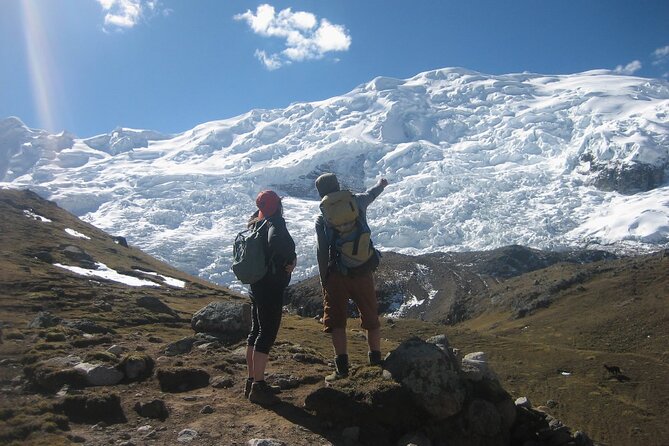
You’ll take time along the way to enjoy deep blue lagoons and glacial-colored lakes. Views of Ausangate are still in play, but the route also turns your attention toward the Pacchanta Valley.
There’s also the practical fun option of jumping in and cooling off if you’re brave enough. I can’t promise it feels pleasant, but I can say that reaching hot springs later makes any cold plunge feel more like a choice than a punishment.
Your target for the day is the hot springs of Pacchanta. You’ll descend and end with a soak while looking up at Ausangate Mountain above you. This is the day when the trek’s physical side and mental side line up. You’ve earned the reset.
The total hiking time is about 6 hours with a distance near 15 km, and the campsite ends around 4,300 meters while you’re descending. The lower you get, the easier it is to eat, sleep, and breathe.
Day 5: A local family ceremony, weaving lessons, and the ride back to Cusco
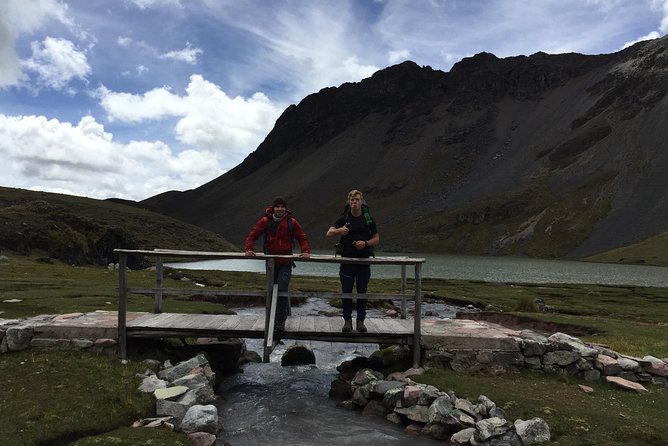
Day 5 is shorter on paper, but it’s emotionally big. After your final hike around Ausangate Mountain, you have breakfast and then gather for a ceremony hosted by a local family.
This isn’t just a performance. The local family prepares local food, shares traditions, and gives insights into weaving techniques. It’s a nice change from the trekking rhythm, and it helps you connect the landscapes and beliefs you’ve been seeing with daily life.
Then you’ll take the bus back to Cusco. The drive is about 3 hours, so you get a full day feeling afterward, not just an immediate airport-style rush.
If you want a smart way to end the trip, keep your schedule light in Cusco that evening. You’ll probably want time to hydrate, sort photos, and enjoy the fact that your legs are finally done for the day.
Price and value: what $660 buys on a 5-day high-altitude trek
At $660 per person for about 5 days, the big question is what’s included, and what that saves you.
Here’s what’s covered:
- Camping equipment
- Horses for equipment
- Meals: lunches (5), dinners (4), breakfasts (4)
On a trek like this, food and logistics are not small details. You’re at altitude for multiple nights, so knowing meals are planned and hot matters more than it does on a low-elevation hike. The horses for equipment also reduce your load, which tends to improve comfort and safety on steep sections.
What’s not included:
- Entrance fee: 20 soles
- Sleeping bag: not included
I see sleeping bag as the one item people most easily underestimate. Cold nights at high altitude show up fast, and you’ll want the warmest mountain sleeping setup you can manage since you’ll be sleeping at roughly 4,200 to 4,630 meters depending on the night.
Also, you’re paying for a small-group experience. Max 10 travelers means you’re not just buying a route. You’re buying a team that can respond to the pace of your group and keep the camp running smoothly.
If you price out guide support, camp logistics, and the carrying of equipment, this trek starts looking like more of a packaged expedition than a bare-bones hike.
Who this trek is best for (and who should think twice)
This trek asks for moderate physical fitness. In real terms, you’re dealing with multiple long hiking days, high passes, and big altitude swings up to 5,200 meters.
You’ll enjoy it most if:
- You like hiking with structure, not chaos
- You’re interested in culture, not only views
- You want hot meals and real camp support
- You’re okay with starting early and staying on a tight daily rhythm
You should think twice if:
- You know you struggle with high-altitude trekking
- You don’t have warm gear, especially a proper sleeping bag
- You want a very low-effort walking experience
On the plus side, the team support seems to be the kind that prevents many problems before they start. Guides such as Chino and Guillermo have been credited with being encouraging and professional, and the cook crews have been praised for keeping guests fed and comfortable.
Should you book the Ausangate Trek with Vidal Expeditions?
I’d book it if you want a five-day mountain circuit that mixes high passes, lagoons, and real cultural moments without making you manage every detail yourself. The hot springs stops on Day 1 and Day 4 are a practical gift to your body, and the meals make the trip feel like an expedition rather than a survival test.
Don’t book it on a whim if you’re unsure about altitude or cold camping. Treat the trek like a real commitment: train a bit, plan for warmth, and keep your pace steady on the pass climbs.
If you match that mindset, this is the kind of trek where the mountain changes from a photo subject into something you understand more deeply.
FAQ
What time does the trek start?
You meet in Cusco early in the morning, with a listed start time of 5:00am.
How high does the trek go?
The highest point mentioned is Palomani Pass at 5,200 meters.
Is food included?
Yes. The tour includes breakfast (4), lunch (5), and dinner (4). Hot coca tea is also part of the morning routine.
Are camping supplies and equipment provided?
Yes. Camping equipment is included, and horses are used to transport equipment.
Do I need to bring a sleeping bag?
Yes. A sleeping bag is not included.
How big is the group?
This tour has a maximum of 10 travelers.
What is the cancellation policy if weather is bad?
There is free cancellation up to 24 hours in advance for a full refund. The experience requires good weather, and if it’s canceled due to poor weather, you’ll be offered a different date or a full refund.