REVIEW · CUSCO
4 Day Inca Trail Trek to Machu Picchu Multi day tour
Book on Viator →Operated by Inca Trail Machu · Bookable on Viator
A bucket-list trek starts before dawn. This 4-day Inca Trail from Km 82 to Machu Picchu mixes serious high-altitude hiking with real Inca ruins on the way. You’ll finish at the Sun Gate, then tour Machu Picchu with a guide and go back to Cusco via train and bus.
I especially like how much is handled for you. You get 3 nights of camping with a chef, cooks, camping gear, and even water provided at each campsite, plus a guide and first-aid kit with emergency oxygen. I also like the human scale: a maximum group size of 16, and porters/super porters so you don’t hike the full load.
The trade-off is effort and early mornings. The trek tops out at Dead Woman’s Pass (Warmiwañusca) at 4,215 m, and the start time is 4:30 am—so you’ll want strong fitness, plus a plan for altitude. One more practical thing: a sleeping bag and hiking poles are not included.
In This Review
- Key highlights you’ll feel right away
- 4:30 am Cusco start: getting to Km 82 without losing the day
- Day 1: Km 82 to the Urubamba River banks and Huayllabamba
- Day 2: Warmiwañusca (Dead Woman’s Pass) at 4,215 m and Pacaymayo camp
- Day 3: Runkurakay to Sayacmarca, Phuyupatamarca, and Wiñay Wayna terraces
- Day 4: Sun Gate (Inti Punku), guided Machu Picchu, and the ride back down
- What $930 buys: permits, porters, meals, and camping gear that actually matters
- Camping comfort and altitude reality: your packing list and pacing plan
- Who this trek fits best (and who should reconsider)
- About the guides and the team support you’ll count on
- Should you book this 4-day Inca Trail trek to Machu Picchu?
- FAQ
- How long is the Inca Trail trek on this tour?
- Where does the trek start?
- What time is pickup in Cusco?
- What is the highest point on the trek?
- Are permits and Machu Picchu entrance fees included?
- What meals are included?
- Is camping equipment included?
- How many people are in the group?
- Is the tour refundable if I cancel?
Key highlights you’ll feel right away
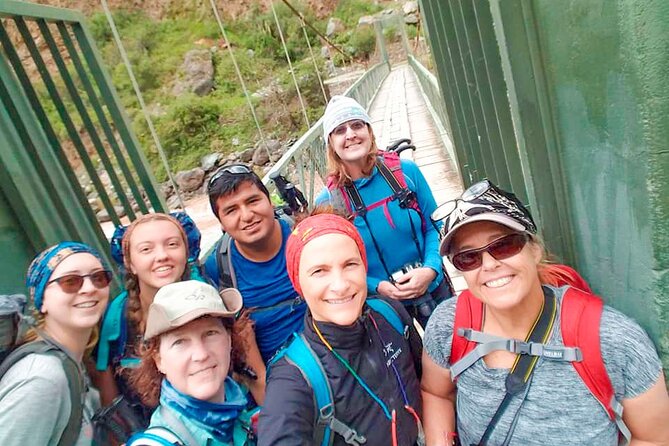
- 4 days / ~42 km of famous Inca road and trail, ending at Machu Picchu
- Dead Woman’s Pass (4,215 m) plus other passes and cloud-forest sections
- Sun Gate (Inti Punku) first big panoramic reveal before the guided ruins tour
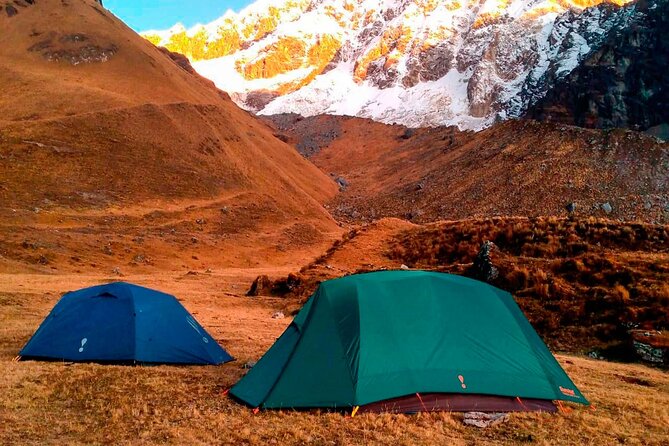
- Camping that’s more than a mattress: tents, toilet tent, camp kitchen setup, roll mattress
- Porters and a personal super porter so your duffel (up to 7 kg) travels with the team
- Small group max of 16, with a guide and chef who keep things running
4:30 am Cusco start: getting to Km 82 without losing the day
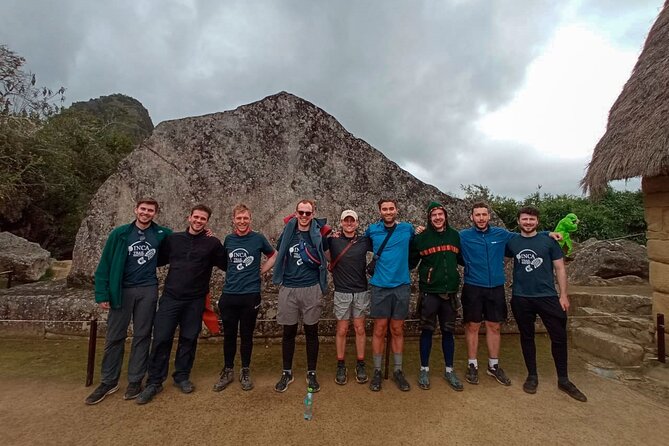
This trek begins early in Cusco, with pickup from your hotel and a 4:30 am start. Then you’ll ride out through the Urubamba Valley to reach Km 82, where the walking really starts. The early start matters more than you think. It gives you cooler temperatures, helps your body get going, and gets you into the rhythm of the trail before fatigue stacks up later.
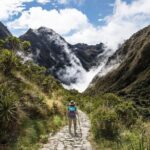
Once you’re at Km 82, you cross the Vilcanota River and begin following an ancient Inca route through Andean terrain. That transition—city morning to highland hiking—sets the tone for the whole trip. It’s also when I’d remind you: altitude is real. Even before the big passes, you can feel it. Going slow on the first stretch is not weakness; it’s smart hiking.
You can also read our reviews of more tours and experiences in Cusco.
Day 1: Km 82 to the Urubamba River banks and Huayllabamba
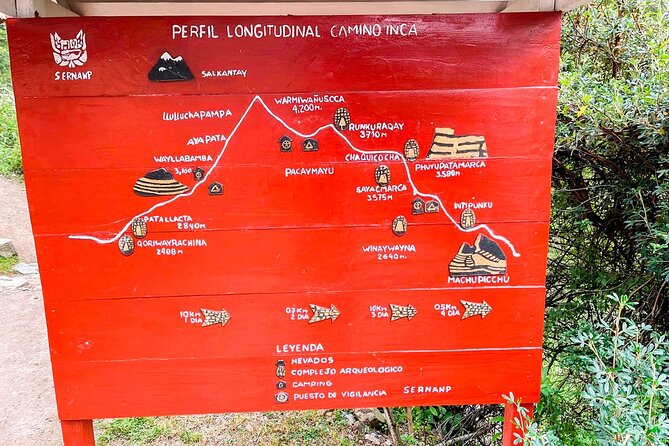
Your Day 1 hike is about 12 km (7.5 miles) and set at a moderate difficulty. You’ll walk along the Urubamba River with mountain and valley views that change as the light shifts. This is a good day to find your pace. You’re building breathing control for the climbs that come later.
As you move along, you pass areas like Huayllabamba, where there’s a chance to interact with local people. That’s one of those small moments that makes a famous trek feel human, not just famous. If you’re the type who likes asking questions, this is when you’ll have the most relaxed time to do it.
By the end of the day, you’re ready for camp logistics to feel important. And here’s the big practical win of this tour: your group travels with a chef and porters, so camp doesn’t feel like you’re building survival mode from scratch. You’re still camping, but you’re not doing it alone.
Day 2: Warmiwañusca (Dead Woman’s Pass) at 4,215 m and Pacaymayo camp
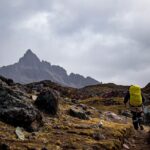
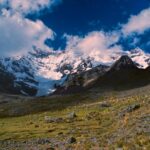
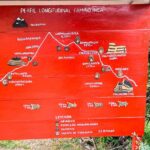
Day 2 is the day the trek earns its reputation. You start with an early wake-up and breakfast, then begin a gradual climb toward Warmiwañusca (Dead Woman’s Pass) at 4,215 m. This is the highest point on the classic 4-day route, and it’s challenging for most people—not because it’s technically hard, but because altitude slows everything down.
Once you reach the top, you get that rare combo of effort and reward: a wide view over the Andes and the valleys below. Then the work changes from climbing to descending into the Pacaymayo Valley for the night.
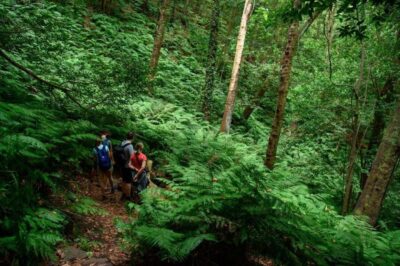
The trail environment shifts in a way you’ll notice fast. You move from high-altitude grassland feel into sections that can look like cloud forest, with plants like orchids and bromeliads. This is where the hike stops being only about fitness and starts being about paying attention. Watch for how the air cools and how your footing changes.
This tour also keeps you hydrated. Water is provided at every campsite by the chef, which means less worrying about water logistics and more focus on recovery. You’ll still feel the day in your legs, but you’ll be able to settle in without adding extra stress.
Day 3: Runkurakay to Sayacmarca, Phuyupatamarca, and Wiñay Wayna terraces
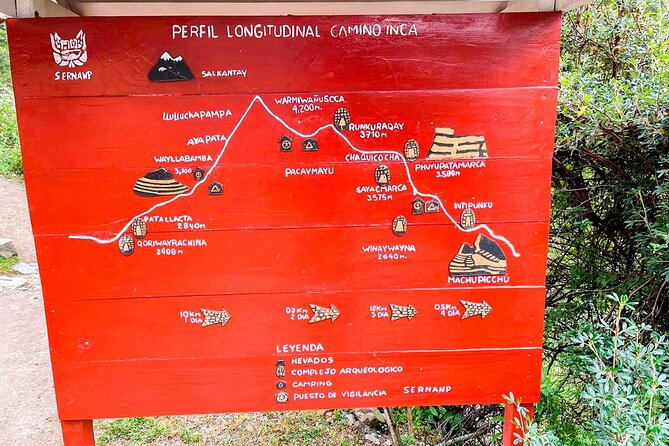
Day 3 continues uphill to the second pass, Runkurakay (3,970 m), then descends through cloud forest terrain. You’ll then reach ruins at Sayacmarca (3,624 m)—an archaeological stop that helps break up the long stretch of hiking with something to look at besides your own shoes.
After Sayacmarca, the route keeps you moving through forest and smaller ruins before you reach Phuyupatamarca (3,670 m), another pass area that’s part of the reason this trek feels like walking through layers of time. Then you descend to Wiñay Wayna (2,650 m), known for its agricultural terraces and ritual baths.
This is a campsite night with a payoff. At Wiñay Wayna, you’re not just camping because the schedule says so. You’re camping with views and ruins right there, which makes the evening feel like part of the experience, not an afterthought.
Also, Day 3 is where pacing matters most. If you go too fast on earlier days, you’ll feel it here. But if you’ve stayed steady, this becomes the kind of day where you start enjoying the rhythm: hike, stop, explain the ruins, hike again, then get back to camp with full support from the team.
Day 4: Sun Gate (Inti Punku), guided Machu Picchu, and the ride back down
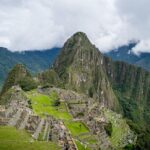
Day 4 starts early again with breakfast, then you walk to the checkpoint for the final stretch. This is where the emotional payoff really hits: you visit Inti Punku (Sun Gate) first for your first panoramic view of Machu Picchu.
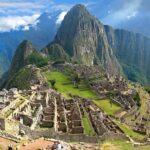
Even if you’ve seen photos before, the first look from Sun Gate tends to feel different because you’re arriving after days of effort. You’ll stand there with the Andes behind you and the whole citadel opening into view. Then you move into Machu Picchu itself for a guided tour.
The tour includes context on the site’s rediscovery in 1911 by Hiram Bingham, which helps connect what you’re seeing with why the world cared enough to focus on it later. After that guided time, the rest of the day becomes logistics—because you have to get back to Cusco.
You’ll take a bus down to Aguas Calientes, enjoy a celebratory lunch there, then board the train back to Ollantaytambo. From Ollantaytambo, it’s a bus transfer back to Cusco. It’s a full travel day, but it’s also a good way to end: you get the high drama of the arrival, then you get a smooth exit rather than trying to improvise transportation after a hard hike.
What $930 buys: permits, porters, meals, and camping gear that actually matters
At $930 per person, the price can feel steep until you see what’s packed into it. This tour is not just a guide and a trail map. You’re buying a system: Inca Trail permit and Machu Picchu entrance fees, plus people and gear that keep the trek workable.
Here’s what I’d call the value core:
- Guide and professional trekking chef: you’re not stuck eating bland convenience food every day
- Porter support: super porters carry food and cooking equipment, plus there’s a personal super porter for your duffel (up to 7 kg / 11 lbs)
- Camping setup: you get kitchen and dining tents, utensils, and dining tables/chairs, plus a toilet tent
- Shelter and sleep system: Eureka tents with 2 people per tent (in a 4-person setup) for comfort and luggage security, plus a confort sleeping roll mattress
- Safety extras: a first-aid kit with emergency oxygen bottle, and even a plastic rain poncho
Add to that: train and bus transfers back (including the tourist train from Machu Picchu to Ollantaytambo and buses back to Cusco), and a shuttle bus down from Machu Picchu to Aguas Calientes. When you tally those items, the price starts to look less like a number and more like a bundle of avoided headaches.
You also get meals built into the trek: breakfast (3), lunch (3), and dinner (3). What’s not included is the first breakfast and last lunch in Aguas Calientes Town, so budget for those two meals.
There’s also a nice extra touch that’s easy to miss: the tour mentions an opportunity to sponsor the planting of native trees. It’s not the main reason to go, but it gives your trek a bit of extra meaning beyond the view.
Camping comfort and altitude reality: your packing list and pacing plan
Let’s keep this practical. You are camping at altitude on a real mountain route. The tour provides a lot, but not everything.
What you should plan to bring (because it’s not included):
- Sleeping bag (listed as about U$ 25 if you need to buy)
- Hiking poles (listed as about U$ 20)
- An inflatable rest mattress option is also listed (about U$ 20), but that’s an add-on
Even with the provided sleeping roll mattress, a quality sleeping bag is where comfort usually lives. If you run cold easily, don’t assume the included mattress solves it. Nights at altitude can get chilly.
On pacing, here’s the simple advice I’d follow on any high-pass trek: you should be able to breathe through your effort. If you’re gasping, you’re going too fast. On Day 2, the climb to Dead Woman’s Pass can feel like a wall, but it’s mostly a grind. Short steps and steady breathing win.
Because your duffel is carried by your own super porter (up to 7 kg), you’ll usually hike with a lighter day pack. That’s not just comfortable; it’s also easier on your knees during descents. You’ll thank yourself later, especially on Day 3’s downhills.
Also, the tour provides rain ponchos and has a first-aid kit with emergency oxygen. That doesn’t guarantee smooth weather, but it means you’re not walking in with zero support if conditions change.
Who this trek fits best (and who should reconsider)
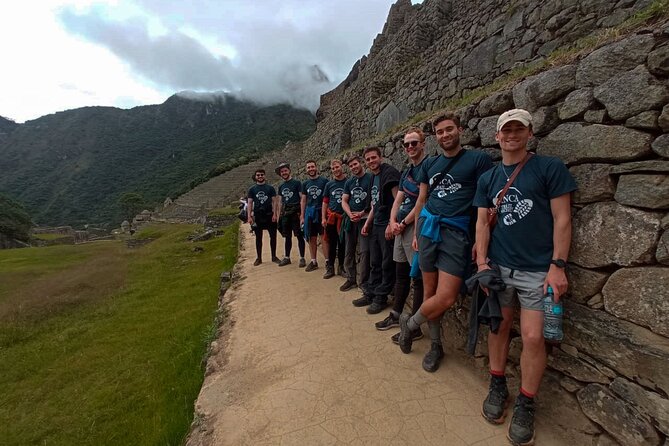
This trek is best for people with strong physical fitness and comfort hiking at altitude. Day 2’s 4,215 m pass and the multi-day climbing/descending rhythm demand stamina.
It also fits well if you want the Inca Trail experience without running logistics. You get:
- pre-trek briefing
- hotel pickup
- permit handling
- camping equipment support
- chef-led meal flow
- transfers back to Cusco by train and bus
If you’re new to serious trekking, you’ll still be able to do it as long as you train before you go and keep your pace reasonable. If you’re chasing a gentle walk and short days, this likely isn’t your match.
About the guides and the team support you’ll count on
One of the most consistently praised parts of this trek is the staff. The program has well-regarded guides you might meet, including Nico Raul, César Pérez, Josias, Plinio, and Pepe (Pinyo), among others. The common thread isn’t just facts. It’s practical care: managing group pace, answering questions, and keeping the day moving when legs get tired.
The chef also gets a lot of credit for keeping meals impressive during camping nights. Since this is a multi-day trek where you can’t pop out for snacks, good food becomes part of your success. You’ll also appreciate that the operation provides water at campsites and keeps kitchen setup running.
The porter team is another key factor. When porters and super porters handle food, cooking gear, and equipment, you’re free to focus on your hiking and recovery. That makes the trek feel more like an organized adventure and less like forced hardship.
Should you book this 4-day Inca Trail trek to Machu Picchu?
Book it if you want:
- a guided, small-group version of one of Peru’s most famous treks
- full permit/entrance coverage and real camping support
- a big payoff day at Sun Gate plus a guided Machu Picchu visit
- less carrying and more hiking, thanks to super porter support
Consider thinking twice if:
- you don’t feel confident with high-altitude hiking
- you dislike early starts (it’s 4:30 am from Cusco)
- you don’t want to handle gear like a sleeping bag and possibly poles
If you’re fit, you’re curious, and you can handle altitude and long walk days, this is the kind of tour that makes the Machu Picchu moment feel earned. The hiking days build to it, and the camp support helps you stay focused on the trail.
FAQ
How long is the Inca Trail trek on this tour?
The trek runs for 4 days, covering about 42 kilometers (around 26 miles).
Where does the trek start?
The trek starts at Km 82, after pickup from your hotel in Cusco and a drive through the Urubamba Valley.
What time is pickup in Cusco?
The start time is 4:30 am.
What is the highest point on the trek?
The highest point is Dead Woman’s Pass (Warmiwañusca) at 4,215 meters (13,828 feet).
Are permits and Machu Picchu entrance fees included?
Yes. The Inca Trail permit and the Machu Picchu entrance fee are included.
What meals are included?
Breakfast (3), lunch (3), and dinner (3) are included. The first breakfast and last lunch in Aguas Calientes are not included.
Is camping equipment included?
Camping is included for 3 nights, with tents, a toilet tent, dining and kitchen setup, and a sleeping roll mattress. A sleeping bag is not included.
How many people are in the group?
This tour has a maximum of 16 travelers.
Is the tour refundable if I cancel?
No. It is non-refundable and cannot be changed for any reason.