REVIEW · CANDIDASA
Dekwar Mount Agung Sunrise Trekking
Book on Viator →Operated by Dekwar Mount Agung Trekking · Bookable on Viator
Mount Agung sunrise hits hard in the best way. This one-day trek from Candidasa is built for big views at altitude—night sky first, then sunrise over Bali from Bali’s highest peak (3,142m). I like that the tour is set up with local guides and practical climbing support (flashlight, walking stick, gloves), not just a scenic pitch.
You’ll also get real variety in route choice: an Edelweiss Park climb, two options via Pura Pasar Agung (including one that tops out lower at 2,900m). One drawback to keep in mind: this is an intense, rocky night hike, and you’ll need moderate fitness and cold-weather layering.
In This Review
- Why Mount Agung Sunrise Feels Like a Big Bali Life Moment
- Route Choices: Edelweiss Park vs Pura Pasar Agung vs the 2,900m Option
- The Night-to-Sunrise Rhythm That Makes the Trek Worth It
- What’s Included for a Volcano Day (and What That Actually Saves You)
- The Gear Reality: Cold Under 10 Degrees and Footwear That Won’t Fail You
- Guides, Pace, and the Team Touch That Shows Up in Real Moments
- Timing, Duration, and Why the 12-Hour Mark Is the Whole Story
- Price and Value: How $79.93 Adds Up on a High-Altitude Day
- Who Should Do This Trek (and Who Should Rethink It)
- Booking Tips That Help You Get the Sunrise, Not Just the Summit
- FAQ
- How long is the Mount Agung sunrise trekking tour?
- What is the pickup situation from Candidasa?
- How high do you climb on this tour?
- What routes are included in the package options?
- What’s included in the price?
- What should I bring since it’s not included?
- What fitness level do I need?
- What’s the group size limit?
- Is free cancellation available?
Why Mount Agung Sunrise Feels Like a Big Bali Life Moment
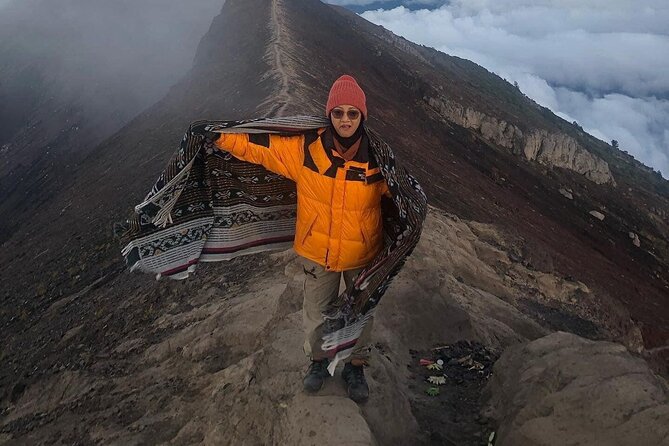
Mount Agung is considered sacred in Bali’s Hindu tradition, and that changes the vibe of the trek. Even before sunrise, you’re not just walking uphill—you’re moving toward a place that locals treat with real respect. The tour frames it as an all-in-one volcano day: climb up, pause for fuel, and then watch the island wake up.
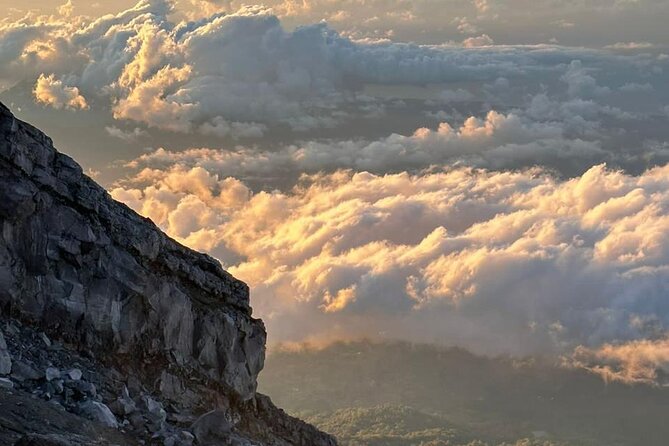
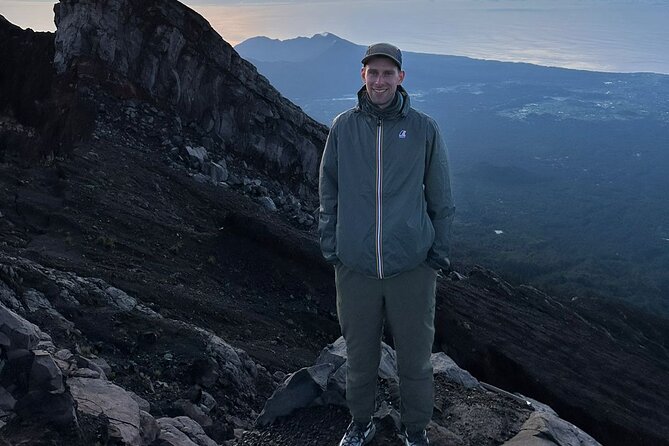
The payoff is the whole reason people do this. From the top, you can see across Bali, and on clear conditions you may even catch views of Mount Rinjani. After the climb, you’re rewarded with sunrise light spreading over the island and the sound of birds chirping once daylight arrives. One more detail I really appreciate: the night portion isn’t just for suffering. You can enjoy city lights below as you climb, which makes the early hours feel less empty and more like a moving lookout.
Physically, you’re dealing with a volcano that’s high (3,142m) and demanding. The tour’s pitch is honest about it: you’ll encounter dirt roads and rocky sections, and the pace can feel intense. If you like hiking and you’re okay with cold, low light, and uneven ground, this is the kind of Bali day that sticks.
Route Choices: Edelweiss Park vs Pura Pasar Agung vs the 2,900m Option
This trekking package gives you route options, and that matters because not everyone hikes the same. You’re basically choosing your “strength vs. summit height” tradeoff.
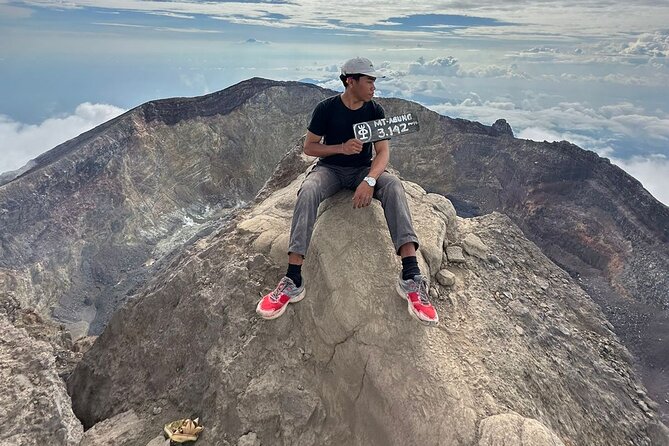
Edelweiss Park route to 3,142m: This option targets the full summit height at 3,142m. If you want the classic peak experience, this is the straightforward choice.
Pura Pasar Agung route to 3,142m: Also aiming for the highest peak. Since this route is named for a temple area, it’s often chosen by people who want that spiritual Bali connection alongside the climb.
Pura Pasar Agung route to 2,900m: This option takes you to a lower summit point (2,900m). It still gives you the volcano sunrise mission, but it may feel more manageable if you’re worried about stamina on the steep, rocky parts.
One practical tip: if you’re nervous about the night ascent (and cold), picking the 2,900m option can reduce stress without killing the sunrise goal. On the other hand, if you’re comfortable pushing yourself and you want the full 3,142m “highest in Bali” moment, choose one of the 3,142m routes.
The Night-to-Sunrise Rhythm That Makes the Trek Worth It
This is designed as a night climb. You’ll start climbing in the dark, using a head flashlight you’re provided, and you’ll move uphill until you reach a good position for sunrise.
That long night walk is where the experience splits into two kinds of magic:
First, there’s the night atmosphere: stars overhead, cold air at altitude, and that eerie-but-beautiful feeling of being among volcanic darkness while you slowly climb. People also talk about how peaceful it can feel once you’re focused on your breathing and not on the trail hazards.
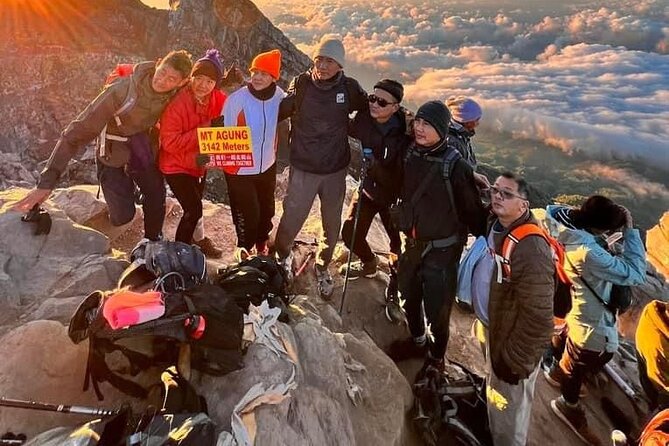
Then comes the second phase: sunrise. As the sky lightens, you get the “wow” moment—sunrise over the island, the transition from city lights below to real daylight, and the natural soundscape returning as birds start chirping. It’s also a great time for photos, because the view is wide and dramatic.
After sunrise, you’ll come back down. A big part of making this enjoyable is trusting the guide’s pace and knowing that the descent is its own challenge. The trekking sticks included help for balance on uneven ground.
What’s Included for a Volcano Day (and What That Actually Saves You)
At $79.93 per person, the tour tries to lower your “stuff to buy” stress. You’re not just paying for the guide. You’re paying for the setup that keeps the climb safer and more comfortable.
Included items:
- Breakfast
- Chocolate and banana snacks
- Coffee and/or tea
- Head flashlight
- Walking stick
- Climbing ticket
- Gloves
Not included (so you’ll need to plan for it):
- Jacket, long pants, extra clothes
- Sun cream
- Bottled water (2 liters per person is listed as not included)
- Good trekking shoes
- Packing bag
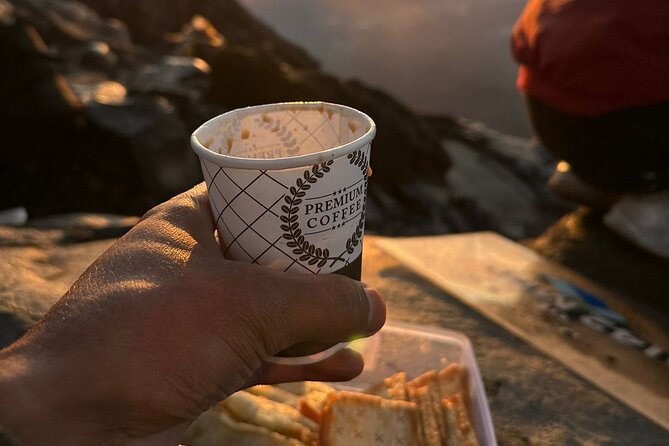
Here’s why I think these inclusions matter. On volcano treks, small items often become big items. A flashlight saves you from buying one last-minute. Gloves can mean the difference between gripping your trekking stick comfortably and feeling miserable in the cold. Even the breakfast and warm drinks help because you’re exerting yourself in darkness and you’ll feel it.
Also note: the tour’s described as guided by local teams offering “full assistance.” In practice, that means you’re not alone on technical parts of the trail. You’re working with someone who knows the mountain rhythm and can help you pace without rushing.
The Gear Reality: Cold Under 10 Degrees and Footwear That Won’t Fail You
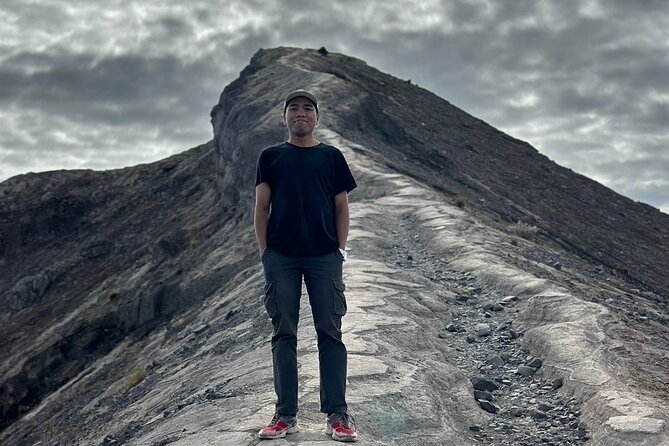
Even without overhyping it, this trek can get very cold. One of the clearest signals from the information you provided: it can be less than 10 degrees on the mountain. That’s a huge deal because “cold” on a volcano trek is different from “cold” on a beach.
Bring warm layers, not just a light jacket. The tour doesn’t include a jacket or long pants, so you’ll need to pack your own. A smart approach is layering you can remove if you overheat during the climb. Keep your outer layer wind-resistant if you have it.
Shoes are another make-or-break item. You need good trekking shoes (they’re not included), because the route involves rocky and dirt sections. If you show up in sneakers that feel okay on pavement, you’ll probably notice the difference when the ground gets uneven.
You’ll also want sun cream. Yes, it’s a sunrise trek, but altitude plus early sun can still catch you.
Water is listed as not included (2 liters per person). Don’t skip this. You’ll need hydration for a 12-hour day with a steep climb.
Guides, Pace, and the Team Touch That Shows Up in Real Moments
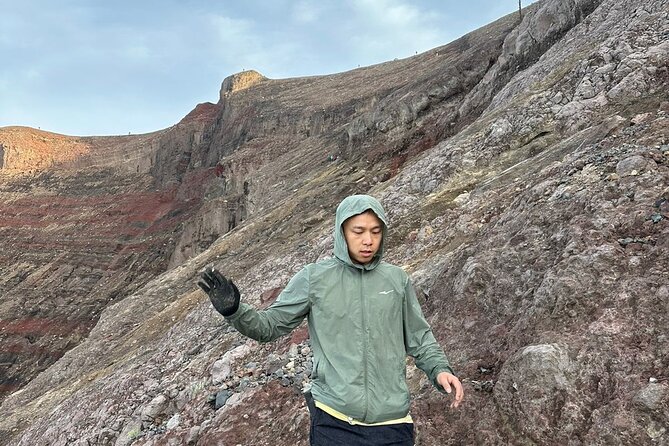
This tour is run by local guides, and the emphasis is on climbing safety and comfort. That matters because Mount Agung isn’t a flat, easy hike. You’ll be on rocky trails where pacing is everything.
A pattern you can feel in the way guides are described: they’ll match your rhythm instead of forcing a single speed. Several guide names are associated with standout experiences, including Lulut, Iwan, Kadek, Mang Ripin, Putu Wenten, Komang, and Krisna. Different personalities, same goal: keep you safe, keep you moving, and help you enjoy sunrise rather than just survive it.
One more human touch: the experience can include special moments beyond the hike itself. For example, there’s a report of a birthday cake surprise at the summit. Another report mentions a campfire on the mountain, which sounds like the kind of small, mood-changing detail that makes the cold night feel less harsh.
If you’re the type who likes taking lots of photos, you may find your guide is fine with that. The climb is long enough that photo breaks can actually work, as long as you don’t stop so long that your body cools off.
Timing, Duration, and Why the 12-Hour Mark Is the Whole Story
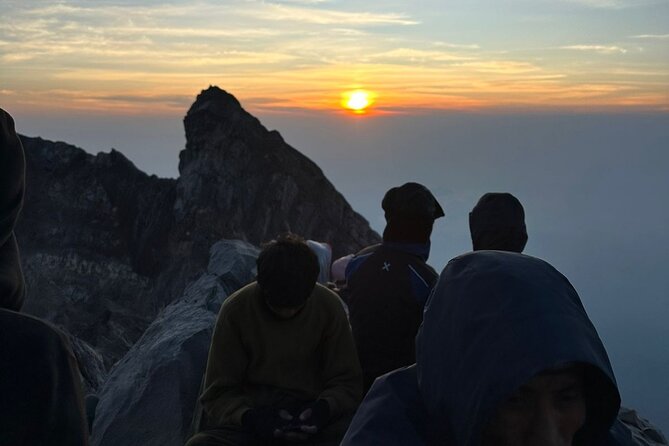
The trek is listed at about 12 hours. That long stretch is normal for a one-day Mount Agung sunrise push: pickup, the night approach, summit timing for sunrise, then descent.
What makes 12 hours worth planning for:
- You’re active for most of the day, just in different light conditions (dark, dawn, daylight).
- Your schedule is tied to sunrise and weather.
- You’ll likely eat snacks and drink warm beverages at intervals, but you still need to stay mentally ready for a long effort.
The tour offers pickup in Candidasa, which helps you avoid the hassle of arranging transport on your own. It also uses mobile tickets, which is convenient when you’re juggling multiple days in Bali.
Group size is capped at a maximum of 30 travelers. That matters because it usually keeps the trek from feeling chaotic. You’ll still be in a group setting, but it’s not a giant crowd.
Price and Value: How $79.93 Adds Up on a High-Altitude Day
Let’s talk value without sugarcoating it. $79.93 isn’t a bargain if you only think about the guide. But it looks more reasonable when you count what’s included that you’d otherwise need to buy or arrange yourself.
You’re getting:
- Pickup included (reducing logistics friction)
- Head flashlight, walking stick, gloves (items that cost money and take time to source)
- Breakfast plus snacks and coffee/tea (important when you’re hiking in the cold)
- Climbing ticket
- Route support with local guidance
When a trek is this demanding, the biggest “cost” is often not money—it’s discomfort from missing gear. This tour directly addresses that with key climb items and warm drinks.
Also, group discounts are mentioned. If you’re traveling with friends or family, this can drop the effective cost per person further.
Who Should Do This Trek (and Who Should Rethink It)
This is best for you if:
- You like hikes and you’re okay with a rocky, steep night ascent
- You have at least moderate physical fitness
- You want an intense adventure day with sunrise payoff
- You care about being guided by locals who focus on pacing and safety
You might rethink it if:
- You don’t handle cold well and you don’t want to layer properly
- You struggle with uneven footing or long climbs
- You’re looking for a short, easy walk with minimal physical effort
A key clue from the information you provided: the tour is described as requiring moderate fitness. That’s a realistic bar. People doing their first intense trek have still felt it was worth it, but the word here is intensity—this isn’t gentle.
Booking Tips That Help You Get the Sunrise, Not Just the Summit
To make this go smoothly, I’d focus on three things: route choice, weather, and packing.
Pick the right route for your comfort level. If you want the highest point, choose one of the 3,142m options. If you’re unsure about stamina in the rocky sections, the 2,900m route via Pura Pasar Agung can be a smart compromise.
Plan for cold. With the reported sub-10-degree conditions, assume you’ll feel cold at night. Pack layers you’re confident in. Bring gloves and warm clothing even if you feel like you don’t need them until you’re already on the trail.
Book with your calendar in mind. On average, it’s booked about 15 days in advance. Since sunrise treks depend on conditions, booking earlier helps you get a date that works. Also, the experience requires good weather—so have a bit of flexibility in your Bali plan.
Should You Book This Mount Agung Sunrise Trek?
If you want one day in Bali that feels like a real adventure—night trekking, volcanic height, and sunrise views—you should strongly consider it. The value is strong because you’re not stuck sourcing core gear, and the guides are clearly focused on safety, pacing, and helping you reach the summit without turning the climb into a sprint.
I’d book it if:
- You can handle a challenging, rocky night hike
- You’re willing to dress for serious cold
- Sunrise is a priority for you (not just a bonus)
I’d skip or choose a gentler option if:
- You’re sensitive to steep, uneven hiking
- You don’t want to pack trekking shoes and warm layers
- You’re looking for something primarily relaxing
FAQ
How long is the Mount Agung sunrise trekking tour?
The tour runs about 12 hours (approx.).
What is the pickup situation from Candidasa?
Pickup is offered, with access to transportation from your location in the Candidasa area.
How high do you climb on this tour?
The summit options include reaching 3,142 meters (two route choices) or 2,900 meters (one route choice).
What routes are included in the package options?
You can choose from three routes: via Edelweiss Park to 3,142m, via Pura Pasar Agung to 3,142m, or via Pura Pasar Agung to 2,900m.
What’s included in the price?
Included: breakfast, chocolate, banana snacks, coffee and/or tea, head flashlight, walking stick, climbing ticket, and gloves.
What should I bring since it’s not included?
You’ll want to bring a jacket, long pants, extra clothes, sun cream, trekking shoes, bottled water (2 liters per person is not included), and a packing bag.
What fitness level do I need?
Travelers should have moderate physical fitness level.
What’s the group size limit?
The tour has a maximum of 30 travelers.
Is free cancellation available?
Yes. You can cancel up to 24 hours in advance for a full refund.